Coffee Bean Freshness Guide: How to Store Hand-Brew Beans Correctly
Introduction: Coffee freshness directly affects flavor performance, and the way coffee beans are stored is key. Understanding how to store coffee beans scientifically not only slows aroma loss but also prevents oxidation and moisture from affecting the taste. This article explains the core principles of coffee bean storage in detail, analyzes the relationship between carbon dioxide release and aroma changes, and provides practical storage solutions to help you achieve ideal flavor in every brew.
After roasting is complete, coffee beans continuously release carbon dioxide, which is one of the important indicators of their freshness. Freshly roasted coffee beans are filled with carbon dioxide, and these gases can effectively block outside oxygen and slow the oxidation of oils. It should be noted, however, that although coffee oils themselves have some antioxidant properties and oxidize relatively slowly, the deterioration of coffee flavor mainly comes from the gradual loss of aroma.
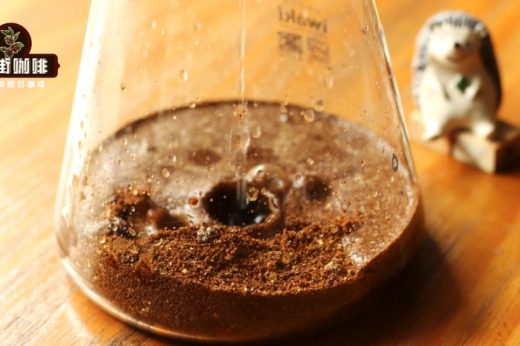
Aroma is the most intuitive expression of coffee freshness. The aromatic substances formed during roasting gradually volatilize over time and undergo chemical changes upon contact with air. Freshly roasted coffee beans, because they are rich in internal carbon dioxide, often appear puffed up in the sealed bag, and when water is poured for extraction the coffee grounds also visibly swell; these are signs of good freshness. However, as time passes, the amount of carbon dioxide released decreases, and aroma factors decline along with it, ultimately affecting the overall flavor performance.
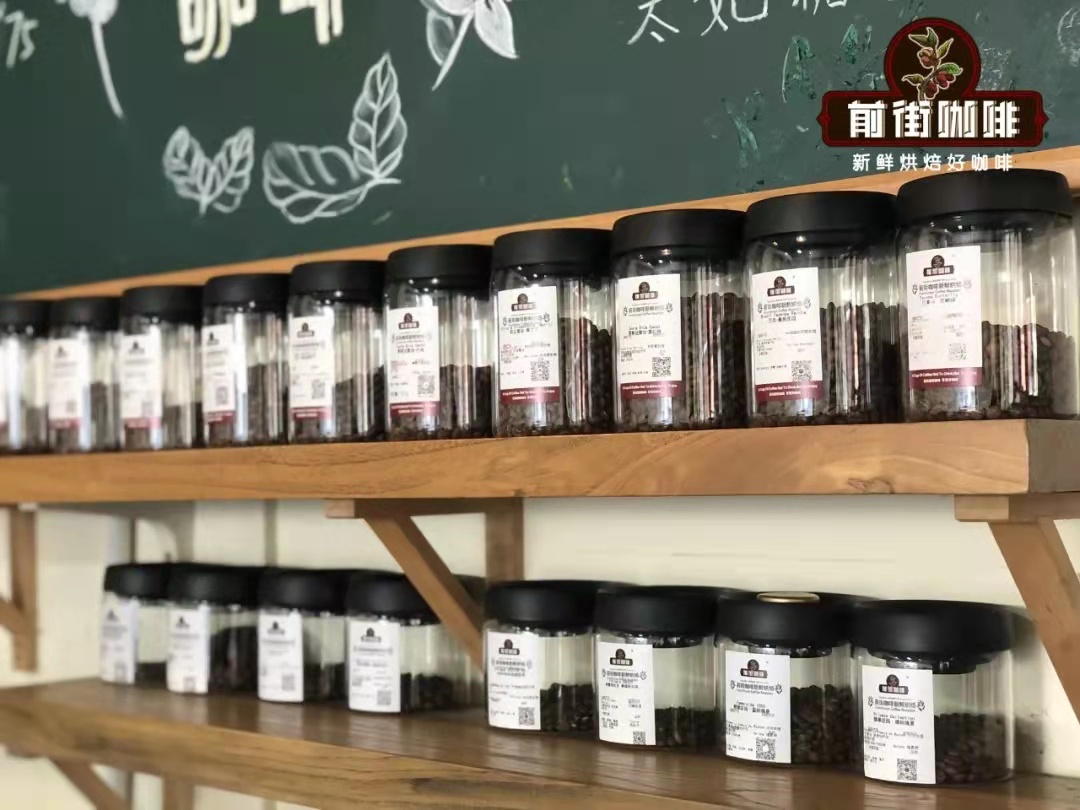
Keeping coffee beans whole is an effective way to slow flavor loss. Compared with coffee that has already been ground into powder, whole beans better retain carbon dioxide and aromatic components. Research shows that the grinding process can cause up to 70% of carbon dioxide and volatile aromatic substances to be lost quickly. Therefore, consumers are advised to buy whole coffee beans and grind them as needed just before actual brewing, which can preserve the coffee's original flavor to the greatest extent.
It is worth noting that even properly stored fresh coffee beans can sometimes show poor extraction performance. For example, when the pouring water temperature is too low, or the coffee grounds are noticeably below room temperature, the swelling of the coffee bed after pouring is affected. This poor physical reaction not only affects the visual impression but may also lead to insufficient extraction, ultimately affecting the taste. In addition, some dark-roasted coffee beans may naturally show oil on the surface even when fresh, and this is not necessarily related to freshness.
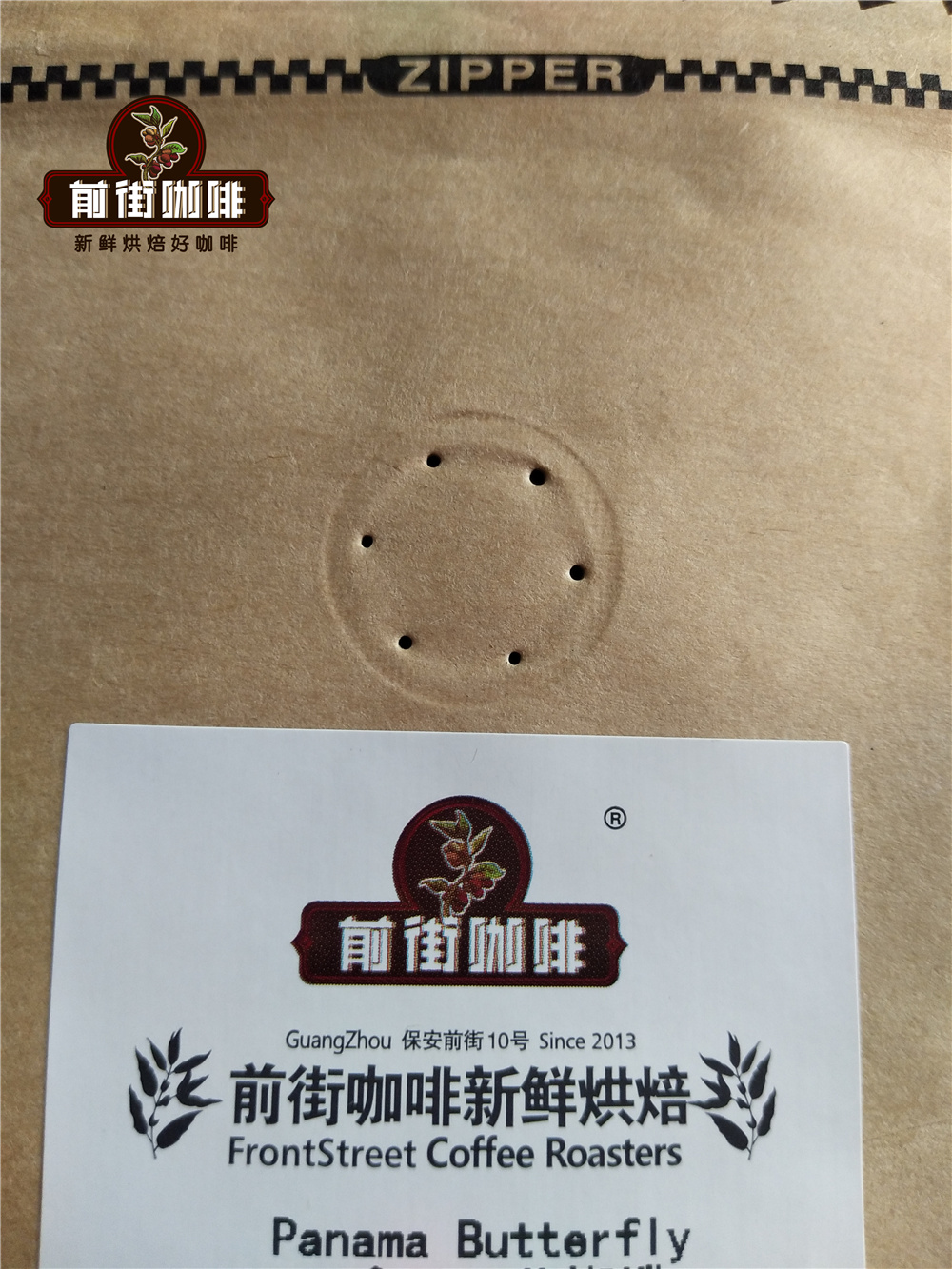
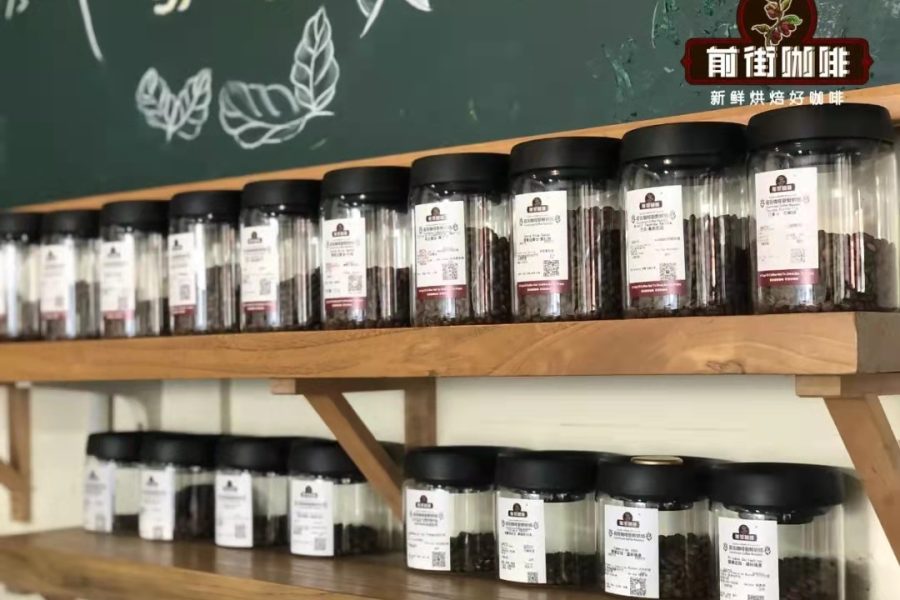
For newly purchased coffee beans, it is recommended to use a well-sealed container for storage. The ideal storage environment should avoid direct sunlight, and especially stay away from ultraviolet light sources, including common fluorescent lamps. If too much air remains in the container during storage, consider wrapping it tightly with plastic wrap, or stuffing in a folded plastic bag to reduce air contact. For oxygen, the main factor in deterioration, appropriate use of food-grade oxygen absorbers is also a feasible option, but special attention should be paid to the fact that some oxygen absorbers may also absorb carbon dioxide, which may instead affect the swelling effect and aroma release of coffee grounds during brewing.
If longer-term storage is needed, freezing is a feasible professional solution. Generally speaking, roasted coffee beans can maintain their flavor for about two weeks at room temperature. To extend the storage period, it is recommended to place the coffee beans in dedicated zipper bags, expel as much air from the bag as possible, and then put them in the freezer. It should be especially noted that frozen coffee beans must be allowed to fully return to room temperature before grinding and brewing; otherwise, the low temperature will significantly suppress aroma release, resulting in a flat flavor performance. In addition, because of the temperature difference between the freezing environment and room temperature, condensation can easily form on the surface of the coffee beans, increasing the risk of moisture. Therefore, it is recommended to divide the beans into portions based on the actual amount used each time; this can achieve a stable storage period of about one month while ensuring flavor.