Yirgacheffe Honey-Process Coffee: Red Cherry Flavor and Processing Guide
Introduction: Honey processing, a balanced choice between natural and washed methods, gives coffee from Ethiopia's Yirgacheffe region a distinctive tropical fruit character. This article examines the core steps of honey processing, compares the strengths and weaknesses of different processing methods, and focuses on the flavor characteristics and regional parameters of Yirgacheffe red honey coffee. From a professional perspective, it explains how 15–16 days of extended drying affect the sweet-sour balance, helping coffee lovers understand the flavor code and brewing points of honey-processed beans.

In Ethiopia's Yirgacheffe region, honey processing brings out the natural sweetness and fruity aromas of coffee beans to the fullest. The area's distinctive high-altitude climate and abundant sunshine allow honey-processed beans subjected to 15–16 days of extended drying to present a richer tropical fruit flavor. This method retains the full-bodied character of the natural process while achieving a sweet-sour balance through precise control of the amount of mucilage retained, making it especially suited to coffee lovers seeking complex flavors.

Honey processing is essentially an optimized upgrade of the traditional natural process. Unlike the natural method, which keeps the outer fruit entirely, this technique first removes the fragile, mold-prone pulp layer but deliberately retains the sugar-rich mucilage layer for sun drying. This improvement both solves the mold risk common to the natural method and saves about 60% of the water used in washed processing. Notably, Costa Rica's well-known honey processing technique is a typical example of this method, its core being the enhancement of coffee's sweetness layers through mucilage fermentation.

The complete honey processing flow includes five key stages: first, floating in a water channel to remove unripe floating beans; next, using a pulper to precisely strip the outer skin and pulp (care must be taken to retain a 0.5–1mm thick mucilage layer). Then comes the most critical sun-drying stage—the mucilage-covered beans are spread in thin 3–5cm layers on shaded drying beds and turned 3–4 times daily to ensure even drying. When the ambient temperature is maintained at 25–30°C, it usually takes 10–16 days to reduce the moisture content to 11–13%. Finally, a huller removes the remaining mucilage and silver skin, completing the entire process.
The advantages of this method appear in three areas: first, removing the perishable pulp in advance greatly lowers the probability of mold; second, its water-saving nature makes the unit processing cost about 40% lower than the washed method; third, the natural sugars in the mucilage undergo Maillard reactions during sun drying, significantly enhancing the coffee's body and sweetness. Correspondingly, however, its operational complexity is the highest—sun-drying temperature, humidity, and turning frequency must be strictly controlled, and any deviation at any stage may lead to over-fermentation or uneven drying.

Yirgacheffe's special geographical conditions create an ideal environment for honey processing. An average of 2,200 hours of sunshine per year combined with an altitude of 2,000–2,200 meters allows the beans to reach optimal dryness within a 15–16 day sun-drying cycle. Local processing stations adjust light intensity by adding shade canopies and change the traditional 5cm thin layer to an 8–10cm thick pile, combined with refined turning 4–5 times daily, successfully cultivating fuller berry and black tea compound flavors. G1-grade heirloom coffee processed this way often shows distinct strawberry jam and tropical pineapple aromas while maintaining the bright acidity of citrus.

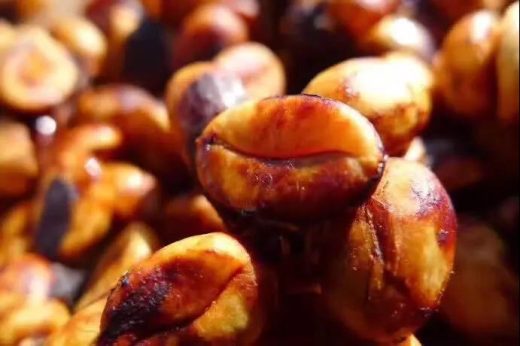
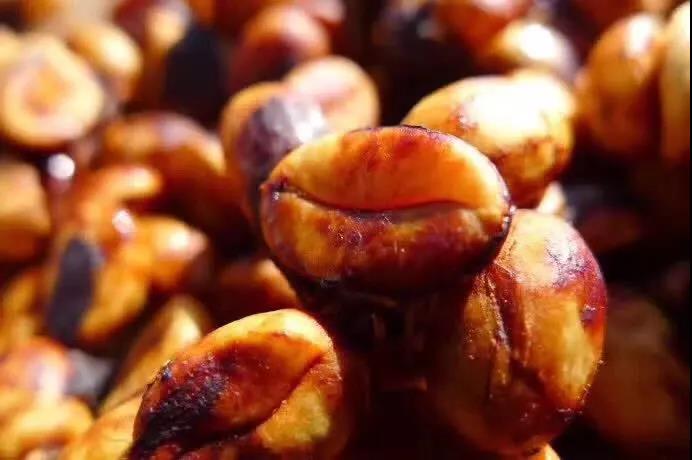
Taking the red honey lot from Yirgacheffe's IDIDO area as an example, its parameter configuration is worth noting: a growing altitude of 2,000–2,200 meters ensures sufficient accumulation of caffeine and sugars, while the heirloom gene pool preserves the most original flavor potential. During processing, the sun-drying time is deliberately extended to 15–16 days (4–5 days longer than regular samples), and shade adjustment allows the mucilage layer to dehydrate slowly, ultimately forming the signature red-glossy bean surface. For brewing, a water temperature of 92–94°C is recommended, with a V60 dripper and a 1:15 coffee-to-water ratio to better highlight the layered interplay of bright citric acidity and honey sweetness.