Anaerobic Fermentation in Coffee: How It Affects Flavor and Extraction
Introduction: In recent years, anaerobic fermentation has become a hot topic in the specialty coffee world. This innovative technique, borrowed from winemaking, gives coffee beans more complex flavor layers and a unique mouthfeel. This article takes an in-depth look at its principles, operational process, and flavor performance, guiding you through how this processing method changes the coffee extraction experience and how it differs fundamentally from traditional washed and natural methods.
Coffee, like tea and wine, is a beloved everyday beverage. Although coffee is a relatively new beverage, in terms of production and processing, practitioners often draw inspiration from the long-established crafts of winemaking and tea-making. The coffee processing methods commonly seen on the market, such as natural, washed, and honey, are all basic categories. As people's demands for coffee flavor continue to rise, more and more innovative processing methods have emerged, such as anaerobic fermentation and barrel fermentation; most of these are further optimized and evolved from traditional crafts.
Among them, anaerobic fermentation has attracted much attention in recent years, and its inspiration comes from the winemaking process. As early as 2015, the champion of the World Barista Championship (WBC) won the title with coffee beans processed using this technique, which brought this processing method into the public eye. However, the origins of anaerobic fermentation can actually be traced back earlier, first attempted by Costa Rican coffee farmer Luis Eduardo Campos, and later promoted to the global specialty coffee market by that champion.
So, what is anaerobic fermentation? From a technical perspective, it is also known as carbonic maceration. This method was originally applied in winemaking. During grape fermentation, as carbon dioxide concentration rises, an oxygen-free environment gradually forms, prompting anaerobic bacteria to dominate the fermentation process, thereby converting the sugars in the grapes into alcohol while bringing a softer, fresher wine body with a special aroma. In coffee processing, because fermentation cannot last as long as in winemaking, producers inject carbon dioxide at a fixed pressure into sealed containers to quickly expel oxygen, placing the coffee fruit in a completely oxygen-free environment for fermentation.
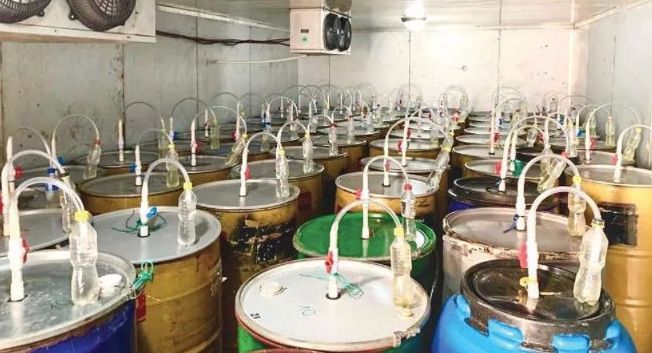
Take the coffee used by the 2015 WBC champion as an example: this batch of coffee beans from Colombia used carbonic maceration. Specifically, coffee cherries with intact skin and pulp were placed into sealed stainless steel fermentation tanks, and oxygen was extracted and carbon dioxide injected through technical means to ensure the internal environment was completely oxygen-free. In this environment, the coffee cherries could only undergo anaerobic fermentation and decomposition inside the skin. At the same time, producers strictly controlled variables such as the pH value and temperature of the fermentation environment to ensure the stability and consistency of the final coffee quality.
Compared with traditional natural, washed, and honey methods that rely on oxygen, the biggest characteristic of anaerobic fermentation lies in its special flavor direction. Due to the lack of oxygen participation, the entire fermentation process is slower, but precisely because of this, it can produce brighter, purer acidity and richer flavor layers. After fermentation is complete, the coffee beans must be quickly removed and dried to prevent the fermentation from reverting to an aerobic state upon contact with air. If traditional aerobic fermentation is not properly controlled, it easily develops an over-fermented sourness, whereas the anaerobic method often brings a rounder mouthfeel, frequently accompanied by complex flavors of cheese, cream, or even a faint wine aroma, with the overall flavor expression usually appearing sweeter and smoother.
The key to this processing method is to isolate the fermentation process from external environmental interference as much as possible. Although it takes longer overall, its highly controllable sealed environment makes the top, middle, and base notes of the coffee more balanced during fermentation, and the transition between acidity and bitterness more natural, while also preserving the coffee's own mellow characteristics well. For this reason, anaerobic fermentation is considered one of the currently highly regarded specialty coffee processing techniques.
With the rise of the specialty coffee wave, consumers worldwide have become increasingly discerning about coffee flavor. From cultivation, harvesting, and processing to the final brewing, every step is being continuously refined and scientifically managed. In addition to traditional crafts that have lasted for hundreds of years, various emerging processing methods have sprung up like mushrooms after rain. Besides anaerobic fermentation, more finely differentiated processing methods such as anaerobic natural, anaerobic washed, and even double anaerobic have now appeared. Although these methods still have room for improvement in technical maturity, they also offer coffee lovers more opportunities to explore the boundaries of flavor.
If you enjoy exploring coffees from different origins and processing methods through pour-over, pay attention to beans processed with anaerobic fermentation and analyze their differences in sweetness, acidity, and body from the flavor notes. Understanding the principles of these processing methods not only helps you better choose coffee beans suited to your taste, but also allows you to adjust water temperature, grind size, and extraction time more specifically when brewing, further enhancing the overall flavor experience.