Mexican Coffee Beans: Growing Conditions and Varieties Behind the Low-Acid, Mellow Flavor

Introduction: If you prefer mild coffee with soft acidity, Mexican coffee beans are a good choice. This article takes a closer look at the flavor characteristics of Mexican coffee, its main varieties, and its unique organic farming background, and also introduces the origins and features of special varieties such as Maragogype. We will also explore Mexico's main coffee regions, their altitude distribution, and how washed processing affects flavor, to help you better understand how to choose this type of coffee.
For coffee lovers who dislike sour, astringent flavors, Mexican coffee beans are worth trying. Mexican coffee is generally known for its low acidity and clean taste, often with natural sweetness accompanied by nutty, chocolate, and even faint white wine aromas. These flavor characteristics make Mexican coffee particularly suitable for brewing black coffee, and also well suited to the taste preferences of pour-over coffee enthusiasts.
Although Mexico is one of the world's important coffee-producing countries, its coffee products are not common in some markets, such as Taiwan. This is mainly because Mexican coffee beans are primarily exported to the neighboring United States, while higher-quality specialty-grade coffee is more often sold to European markets such as Germany. Therefore, if you want to taste high-quality Mexican coffee, you may need to put in a little extra effort to find it.

When talking about Mexican coffee, one must mention its global leadership in organic farming. About 70% to 80% of the world's coffee is Arabica, a species with strict requirements for climate, soil, and other natural conditions, and one that is susceptible to pests and diseases; as a result, many producing regions rely on heavy use of pesticides and chemical fertilizers. Mexico, however, goes the opposite way and is the world's largest producer of organic coffee.
Truly organic coffee uses no chemicals from the very start of cultivation, relying entirely on the natural ecosystem, and the entire process from cultivation to processing must pass strict certification by an authoritative body. This certification process usually takes as long as three years, which is a considerable investment for growers, and it also demonstrates Mexico's commitment to sustainable coffee farming.
Another feature that sets Mexican coffee apart is the Maragogype variety grown locally. This coffee bean is the "giant baby" of the Arabica family, with a size about three times that of an ordinary coffee bean. Maragogype was first discovered in 1870 in Brazil's Maragogype region, but it is actually a mutant variety of Arabica that can adapt to lower-altitude environments than traditional Arabica while still maintaining good flavor performance.
In the region where Mexico borders Guatemala, Maragogype cultivation is particularly outstanding. Especially in Mexico's Liquidambar MS region, the Maragogype produced here, thanks to its natural growing environment, often has a smooth, mellow, and richly layered mouthfeel, with an intense and captivating flavor, making it much loved by some coffee enthusiasts.
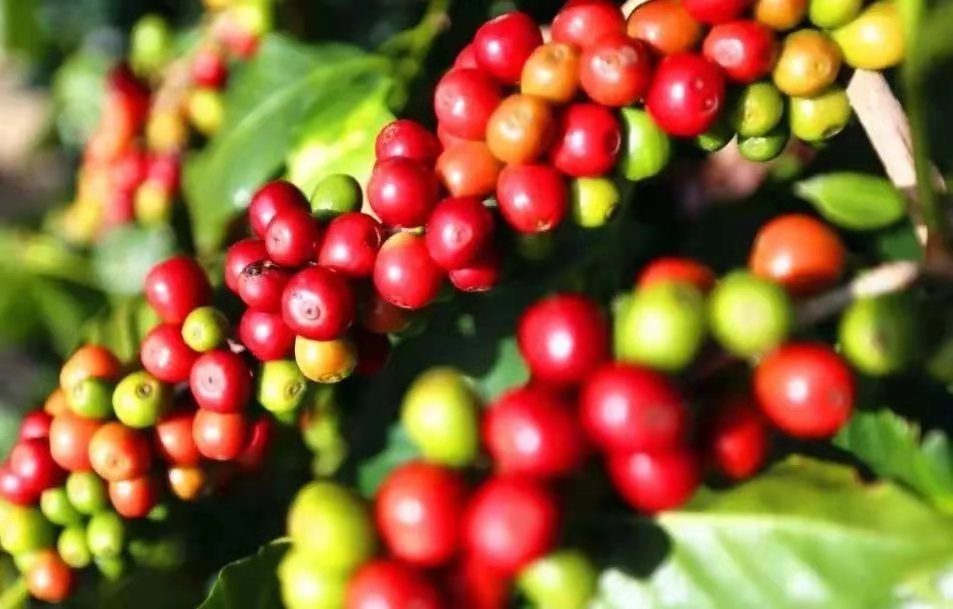
Mexico's coffee-growing areas are mainly concentrated in several southern and southeastern provinces, including Oaxaca, Coatepec, Chiapas, and Veracruz. Although most coffee in these regions is grown on relatively low-altitude flat land, with less than 40% of coffee grown at higher altitudes, so most output remains commercial-grade beans, this does not mean there is no high-quality specialty coffee.
Among these regions, there are also small-scale farmers producing coffee beans with refined flavors. Although these coffees are not mainstream, they often offer pleasant surprises in flavor, especially in their more careful choices of processing methods and varieties.
In terms of varieties, the most widely grown coffee variety in Mexico is Bourbon, including common variants such as Red Bourbon. However, it should be noted that most Bourbon grown in Mexico is of the type used for commercial purposes, with relatively stable flavor performance, moderate acidity, and pronounced sweetness. Only in a few areas, such as high-altitude growing regions, will Bourbon coffee beans with specialty coffee potential be produced.
In addition to Bourbon, Mexico also grows common Arabica varieties such as Caturra, as well as the larger Maragogype. Most of these varieties are processed using the washed method, which can effectively highlight the coffee's cleanliness and bright acidity while also laying a good foundation for the overall balance of Mexican coffee. Washed Mexican coffee usually has a clearer mouthfeel and more distinct flavor layers, making it suitable for drinkers who enjoy a delicate flavor experience.
In summary, Mexican coffee, with its low acidity, mellow body, and rich sweet aroma, is a good choice for those who do not want to drink coffee that is too acidic. Whether you are looking for organic farming, the special Maragogype variety, or the clean mouthfeel brought by washed processing, Mexican coffee offers a diverse range of choices. If you value flavor balance and unique character when choosing coffee, you might want to try these distinctive types of coffee beans from Mexico.