Pour-Over to Espresso: 5 Extraction Methods and Flavor Guide
Introduction: From espresso's high-pressure extraction to home drip brewing, different brewing methods not only affect caffeine release but also directly determine a coffee's flavor depth and clarity. This article explains mainstream extraction techniques such as pressure, immersion, and vacuum filtration, comparing grind size, water temperature, time parameters, and flavor characteristics for each method, to help you find the home brewing solution best suited to your coffee beans.
The diversity of coffee flavor comes both from the origin and processing method of the green beans and from precise control during extraction. The same coffee bean, by adjusting variables such as grind size, water temperature, and pressure, can present different facets ranging from bright fruit acidity to rich caramel. Mastering the basic principles of extraction lets you recreate café-quality flavor even at home.
1. Pressure extraction: intense expression under high pressure
An espresso machine uses 9 bar of pressure and a 92-94°C hot water stream to extract 30 ml of espresso in 20-30 seconds. Finely ground coffee (flour-like texture), after level tamping, forms a dense puck that forces water through and releases a large amount of aromatic compounds. The crema that forms on the surface is not only a visual marker but also slows the escape of aroma and adds a smooth mouthfeel. Common equipment includes commercial semi-automatic espresso machines; for home use, models with a pre-infusion function are recommended for consistent results.
The moka pot uses the principle of steam pressure: heating the lower chamber boils the water and creates pressure, pushing water through the coffee bed in the middle section. Note that the water level must not exceed the safety valve; a medium-fine grind (slightly coarser than espresso) is recommended, and over-tamping should be avoided during filling to prevent channeling. This pot is suitable for making espresso-style coffee, with caffeine content between that of espresso and drip coffee.
2. Immersion extraction: gentle, even flavor release
The French press is the most classic immersion tool, using coarse coffee grounds (close to sea salt texture) mixed with 85-92°C hot water, left to stand for 4 minutes before pressing the filter down. Prolonged contact fully dissolves flavor compounds, especially highlighting the coffee's rich body and sweetness, but note that too fine a grind will cause over-extraction and bitterness. This method releases a relatively high amount of caffeine and suits those who prefer a strong mouthfeel.
3. Vacuum filtration: an elegant siphon theater
The siphon pot achieves water circulation through the pressure difference between its upper and lower chambers: heating the lower chamber makes steam push the liquid up into the upper chamber to mix with the coffee grounds, and after the heat is removed, cooling creates negative pressure that draws the coffee liquid back into the lower chamber. Medium-fine grind (fine sugar size) with 80-90°C water temperature, with an extraction time usually of 1-2 minutes. Proper stirring during the process helps even extraction, but over-stirring may cause over-extraction. The glass apparatus lets you clearly observe the extraction state, suiting coffee lovers who seek a sense of ritual.
4. Drip systems: precise control with diverse choices
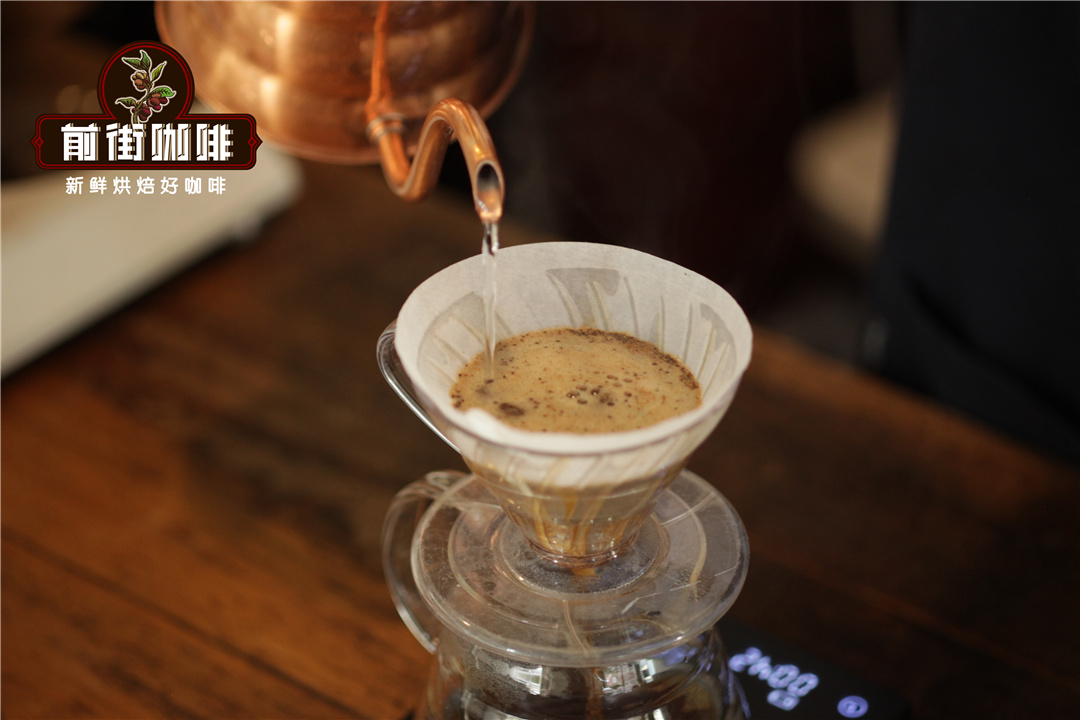
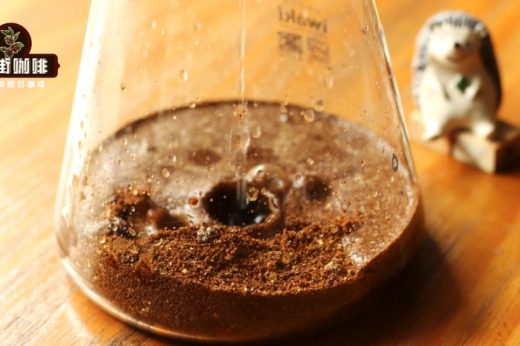
Electric drip machines achieve standardized extraction through even water distribution, but water flow speed and distribution uniformity are greatly affected by machine design. For home models, products with a pre-infusion function are recommended, paired with medium-ground coffee (white sugar granule texture) to balance strength and mouthfeel. Pour-over coffee gives the brewer greater autonomy: through 90-94°C water temperature, a total extraction time of 90-120 seconds, and control of variables (such as the speed of circular pouring and bloom time), different flavor dimensions such as floral and fruity notes or nutty tones can be highlighted. Common dripper designs (such as the V60 and fan-shaped drippers) also affect water flow paths and extraction uniformity.
Cold brew uses low-temperature, long-duration extraction (continuous drip with 5-10°C cold water for 12-24 hours), greatly reducing the release of acidic substances and bitter compounds, yielding a refreshing mouthfeel, with caffeine content increasing as time extends. Coarse coffee grounds are recommended, and the filter material should be replaced regularly to avoid clogging.
5. Traditional decoction: a special interpretation of Middle Eastern flavor
Turkish coffee requires heating extremely fine powder (close to cocoa powder texture) and water directly in a copper pot, forming a unique foam layer through a cycle of three boils and stirs. Spices such as cardamom may be added during the process, but the heat must be controlled to avoid scorching. This method has extremely high extraction efficiency, with caffeine release significantly higher than other methods, and the residual coffee grounds directly affect the mouthfeel experience.
Each extraction method is essentially a process of selecting flavor compounds: high pressure accelerates the dissolution of acidic substances and aromatic esters, while prolonged immersion enhances sweetness and body. Beginners are advised to start with a French press or drip to practice parameter control, gradually try more complex techniques such as espresso, and ultimately find the best combination matching their personal taste preferences.