From roasting to packaging: inside the full coffee bean process
Introduction: Want to know how the specialty coffee beans you buy go from green beans to beautifully packaged roasted beans? This article breaks down the full process in a professional coffee factory, from receiving green beans, roasting, cupping and sorting defective beans to final packaging and shipping, so you can understand the rigorous craft behind every bag of coffee. It is especially suited to pour-over lovers who care about coffee quality, helping you better understand the cup in your hands.
When you receive a bag of freshly roasted coffee beans, it has already gone through a complete transformation from green bean to roasted bean. Today we take you into a professional coffee roasting factory to see how a bag of quality coffee beans completes the entire process from receiving to packing, step by step.
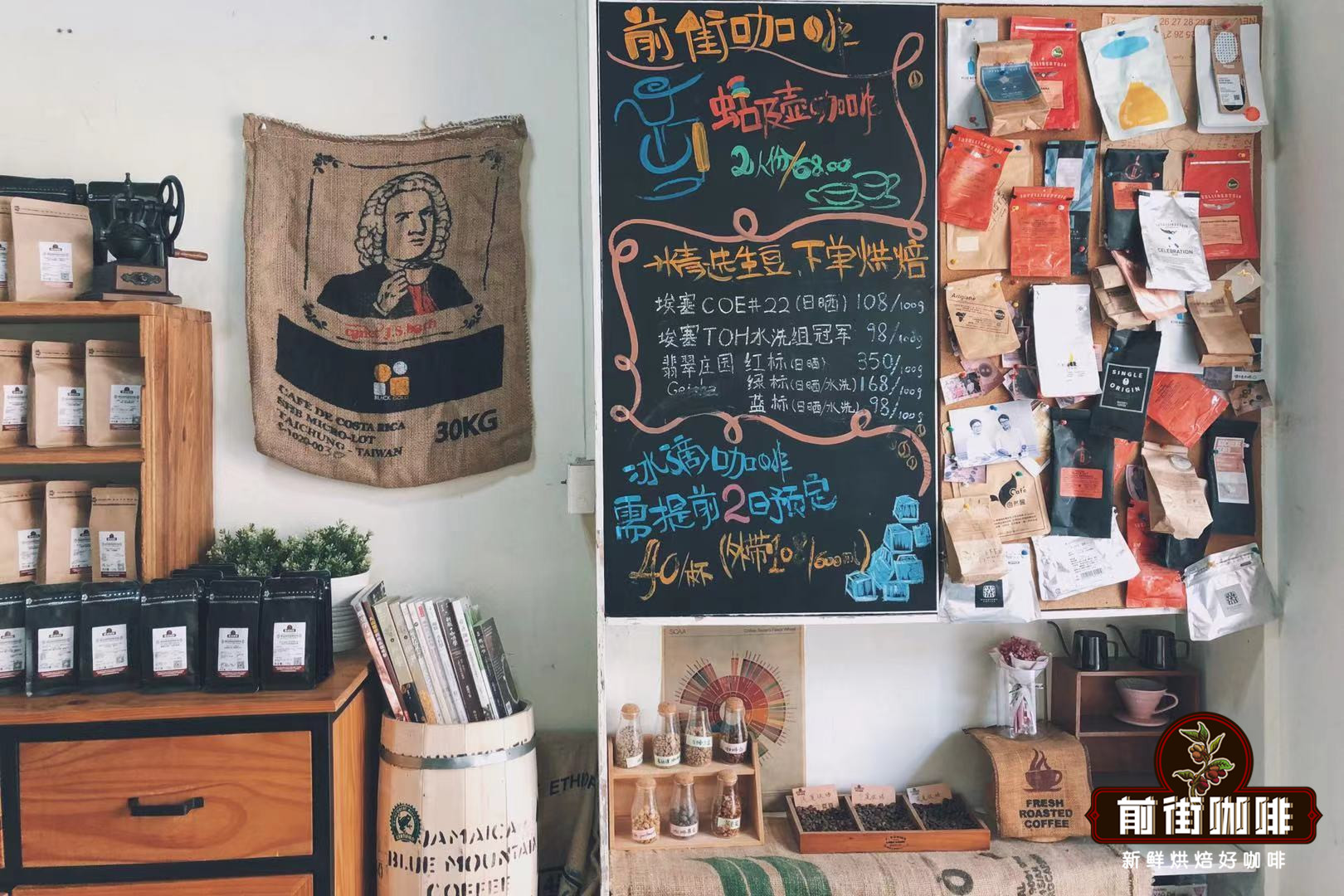
First, all newly arrived green coffee raw materials go through a strict receiving and registration procedure. Staff inspect and handle the original packaging to ensure there was no moisture damage or contamination during transport, then arrange them neatly by key parameters such as origin, variety and processing method. This step may look simple, but it is the foundation for precise traceability and management later on.
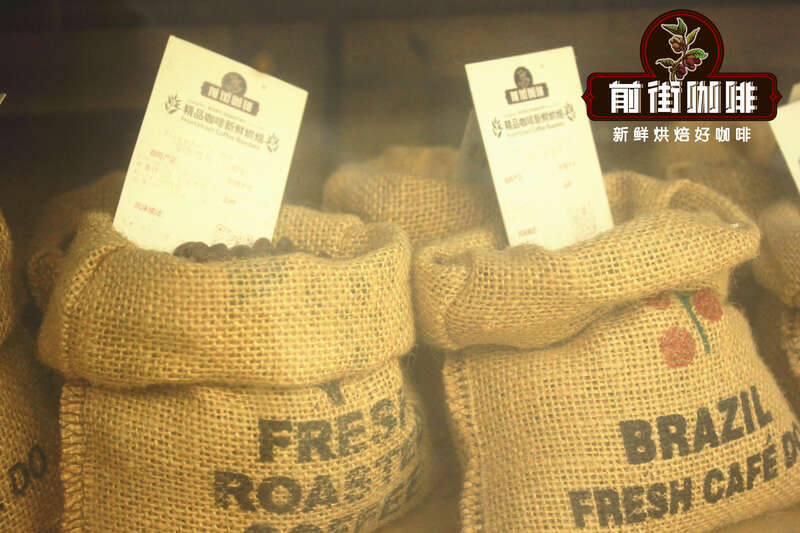
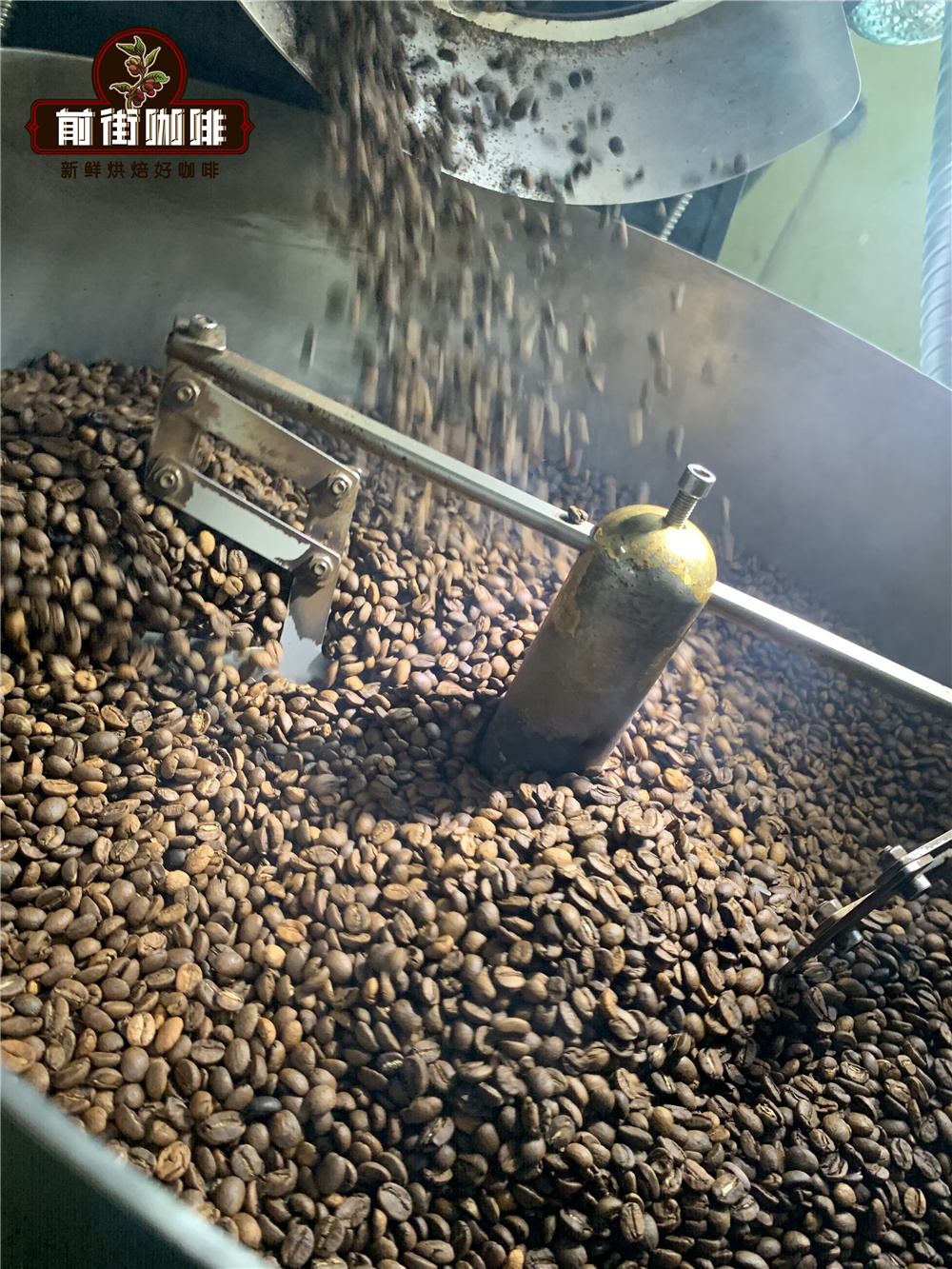
Next comes the crucial roasting stage. For newly harvested coffee beans of the season, the factory usually schedules roasting immediately on the day of arrival and conducts professional cupping evaluation the next day. Based on the cupping results, the roaster continuously adjusts and optimizes the roast curve to fully express the unique flavor of that batch of beans. For beans that are not in season, cupping is done after roasting, mainly to compare flavor consistency between the current batch and historical batches and ensure stable quality.
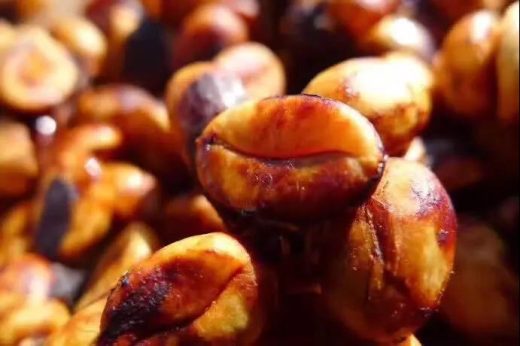
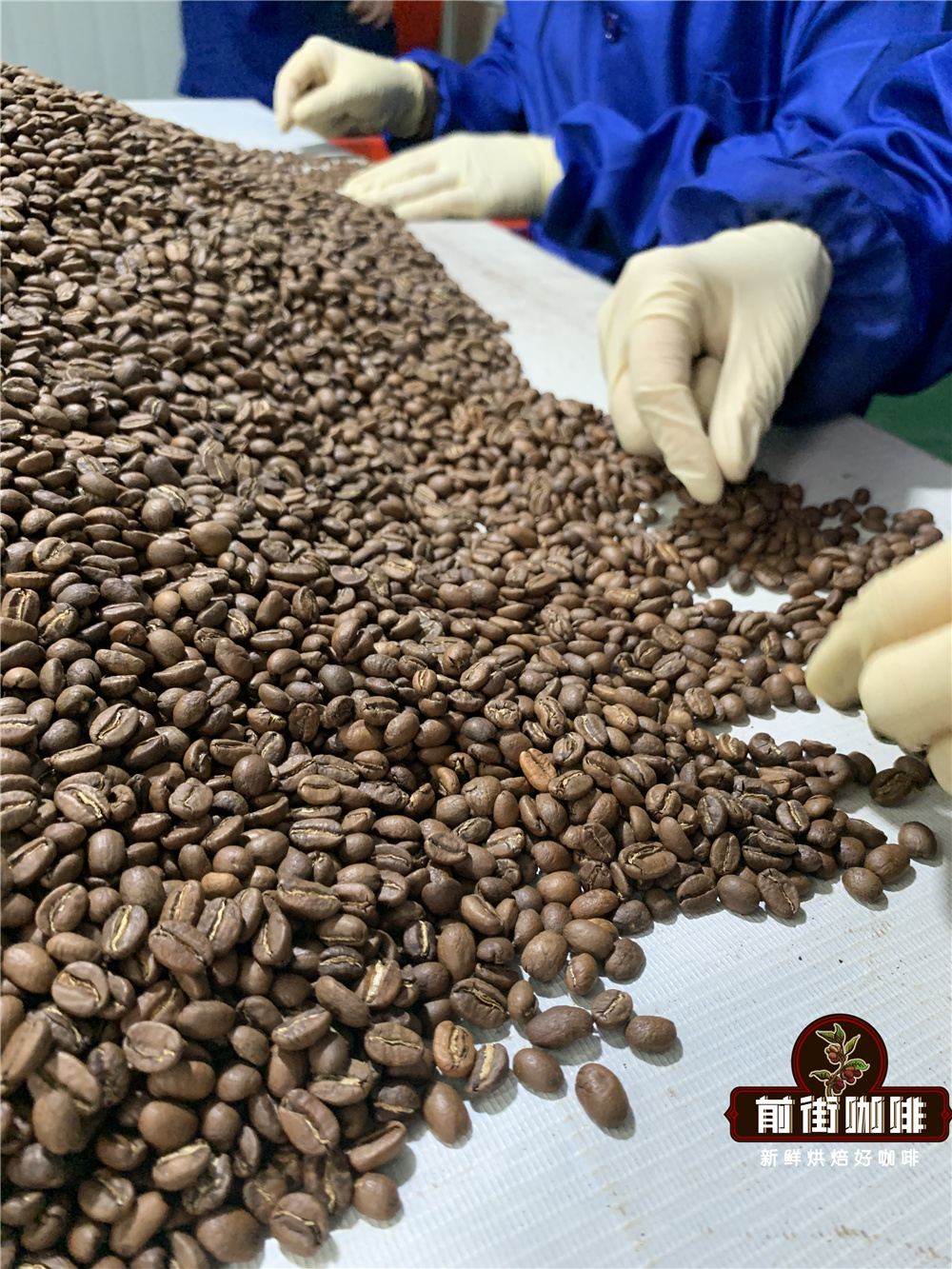
After roasting, the coffee beans still need to go through a key step: sorting out defective beans. Experienced workers carefully inspect each batch of coffee beans and remove defective items such as empty-shell beans, stones and insect-damaged beans. Although time-consuming, this step is vital to the quality of the final product and can effectively improve the purity of the cup.
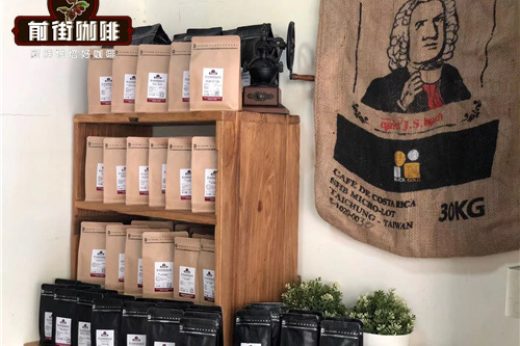
The sorted specialty coffee beans then enter the packaging stage. Common packaging sizes include 100 g small packs for personal use, 227 g medium packs for sharing at home, and 454 g large packs (mainly for blend beans) for sharing among several people or for cafe use. The designs of different package sizes all take into account optimal freshness retention and convenience.
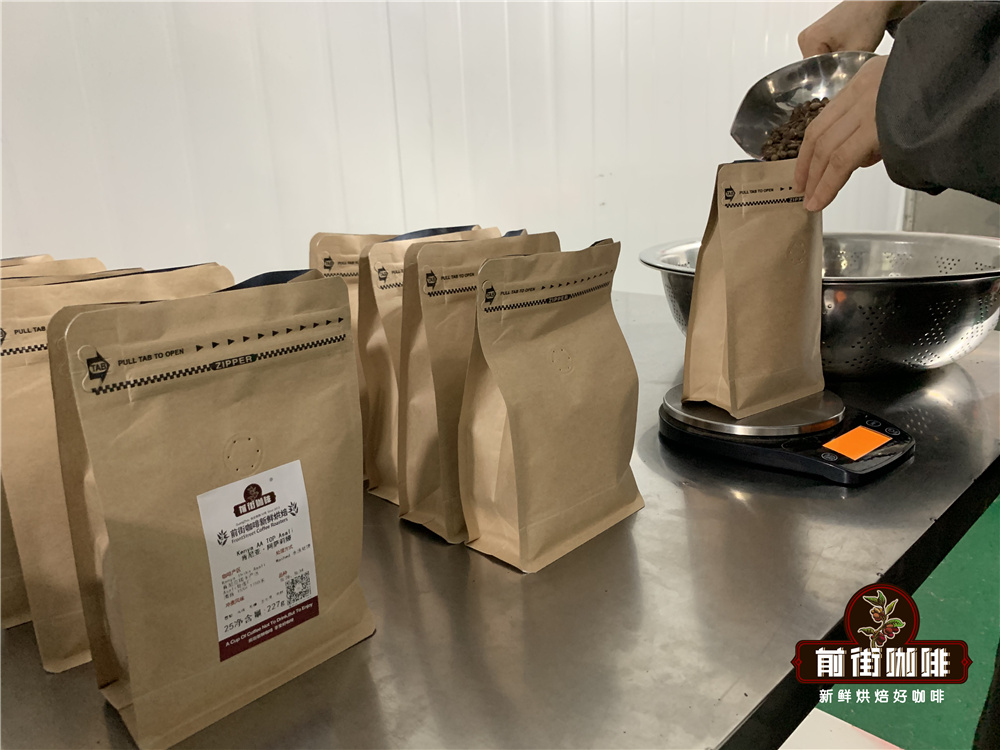
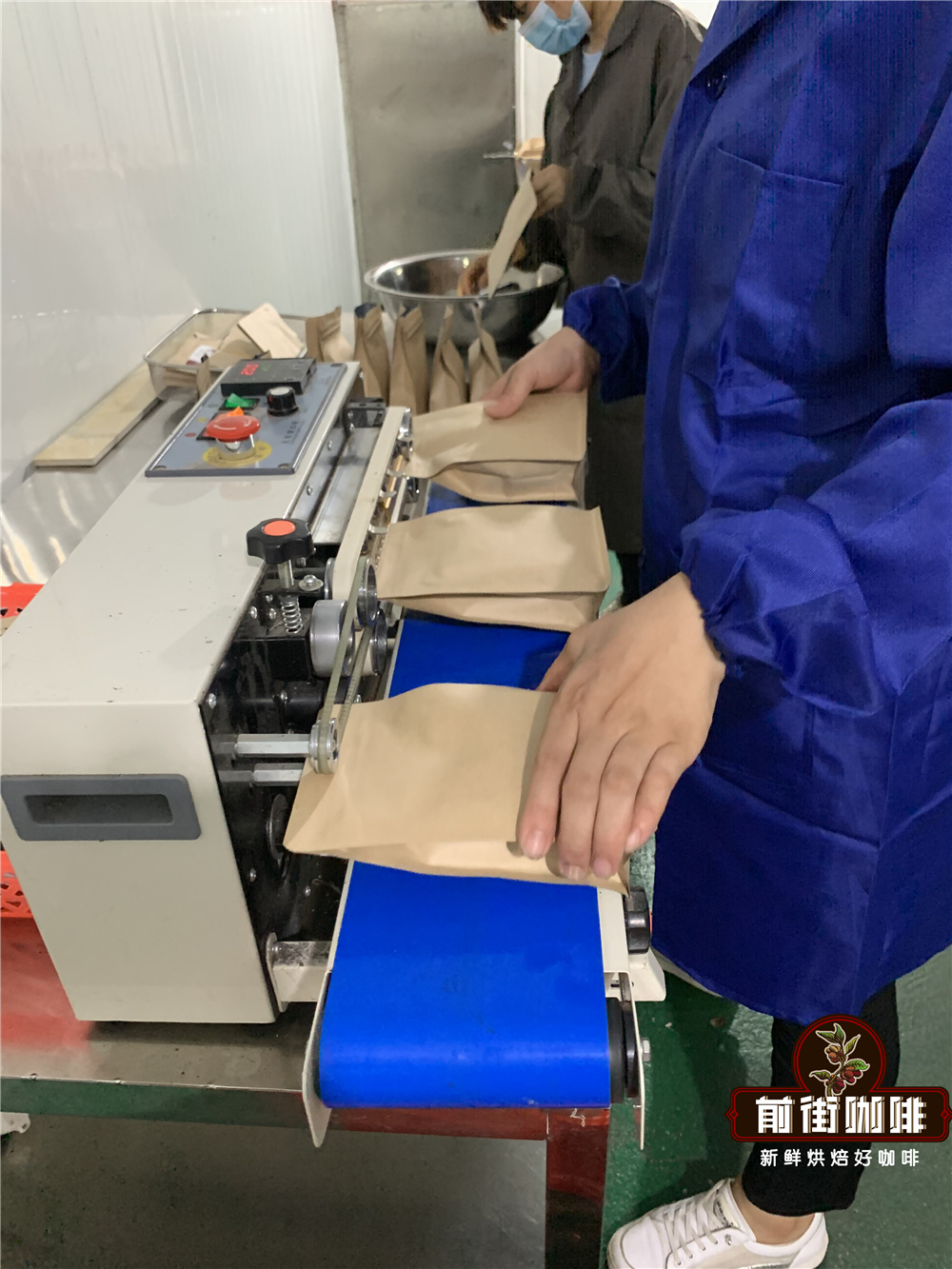
After packaging comes the sealing and labeling process. The bag opening is professionally sealed, and then a product label is applied containing key parameters such as coffee variety information and roast date. Some factories choose to label first and then seal, while others seal first and then label; both methods have their advantages, but both ensure consumers can clearly obtain product information.
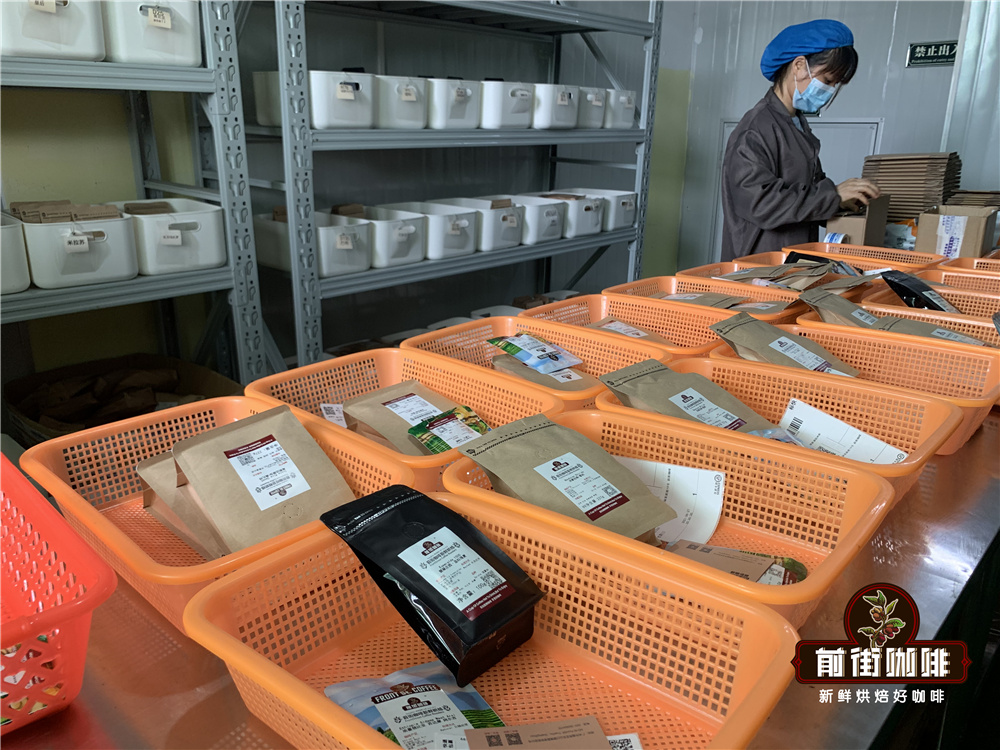
The final step is accurate order picking and packing according to customer orders. Staff carefully check the details of each order to ensure the coffee beans shipped match exactly what the customer purchased. Once packed, these freshly roasted coffee beans are delivered to coffee lovers by courier.
From receiving green beans to final delivery to the consumer, every step reflects strict control over coffee quality. Understanding these processes not only helps you better appreciate every cup of coffee in your hands, but also helps you make wiser decisions when buying.