Bolivia 101 vs 01 Lot Codes and a Medium-Light Roast Guide
Introduction: A close look at what Bolivian coffee lot numbers mean and what really lies behind 101 and 01. From growing region and altitude to processing method, this is a full profile of the distinctive Java variety from Waliki Estate. Includes professional-grade medium-light roast curve parameters and a V60 brewing plan to help you bring out its floral and berry notes precisely.
When shoppers see Bolivia 101 and Bolivia 01 on a product label, many assume these are coffee quality grade markings. In fact, these two numbers are simply import lot numbers and have nothing to do with bean grade. This coffee from the South American highlands may not be widely known in China, but its distinctive floral-fruity composite aroma is highly recognizable—grinding alone releases layers of floral fragrance, and as brewing proceeds a bright berry character gradually emerges.
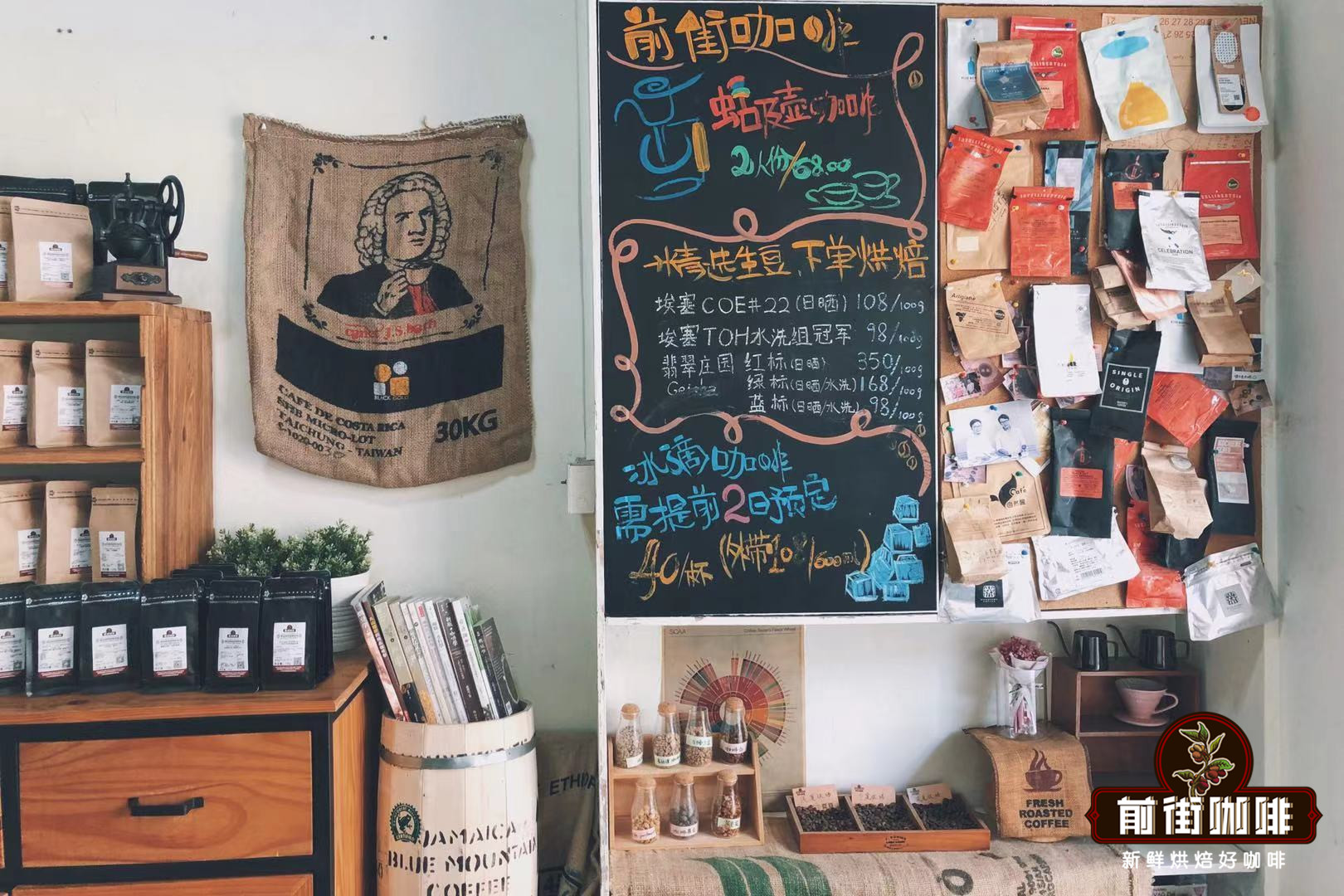
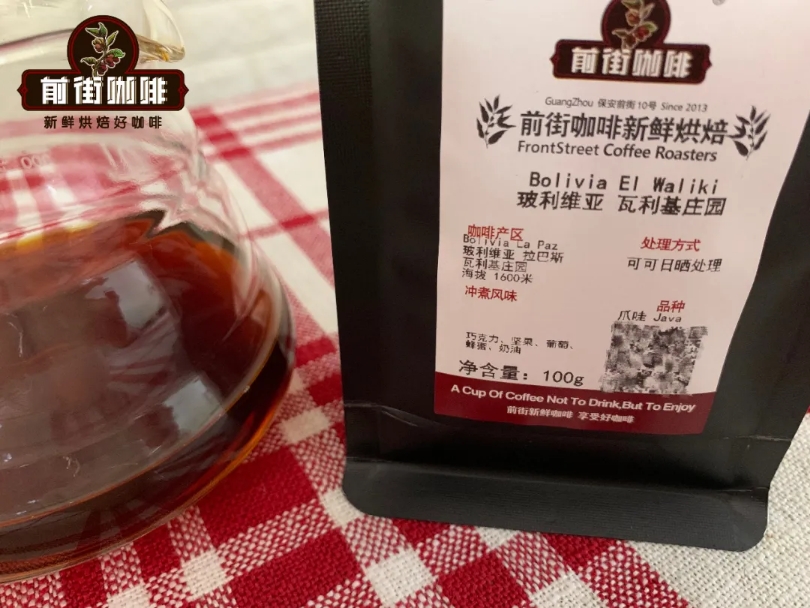
This lot comes from Waliki Estate in the La Paz Department of Bolivia, grown at an altitude of 1,600 meters. It uses the local specialty Java variety (known locally as long bean) and an innovative cacao natural processing method. Note that Java is not a variety exclusive to Indonesia; genetic tracing shows its ancestry lies in the Abysinia landrace of the Ethiopian highlands, later spreading to Southeast Asia via Yemen. In Bolivia's high-altitude environment, this long-established variety develops a special flavor structure combining a nutty base with bright acidity.
For medium-light roasting needs, a stepped temperature-ramp roast curve is recommended: set the charge temperature at 170°C, with front-stage heat at 120 (units depend on equipment) and airflow at 3; when the temperature rises to 111°C, gradually adjust airflow to 4 to promote dehydration. Watch for the bean-color yellowing point at 6 minutes 26 seconds, when a clear toasted-bread sweetness should be noticeable. The key turning point is at 146°C, when heat is lowered to 100 and airflow kept at 4 until 9 minutes 38 seconds—by then the bean surface begins to show wrinkles and dark spots, signaling the approach of first crack.
Set the start of first crack at 10 minutes 18 seconds, and closely listen to changes in the frequency of crackling. It is recommended to continue the first-crack development stage for 1 full minute, finishing with drop at 190°C. This roasting approach effectively highlights the fermented complexity brought by the cacao natural process while preserving the Java variety's characteristic berry aroma and nutty finish.
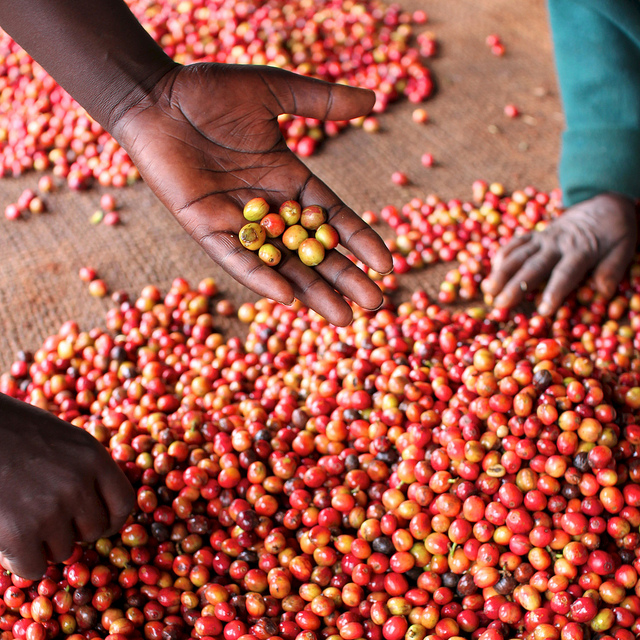
Although Bolivia borders the two coffee giants Brazil and Colombia, its coffee industry faces unique challenges: over 60% of the country is Amazon alluvial plain, and the highland areas truly suited to specialty coffee growing are concentrated in the western Andes. The country's average altitude is over 3,000 meters (the highest in the world); the transition zone between the tropical savanna climate of the east and the mountain climate of the west, together with its annual rainfall distribution, gives coffee trees a growing environment with marked day-night temperature swings. However, limited by mountain transport and relatively backward cultivation techniques, Bolivia's annual specialty coffee output has always remained at a low level.
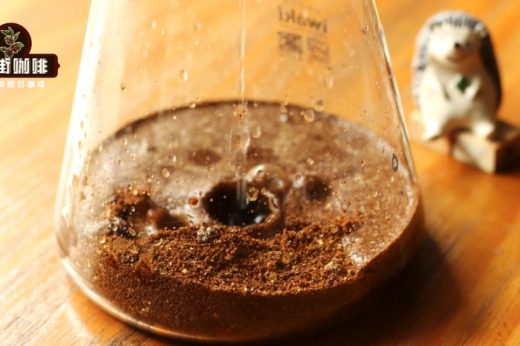
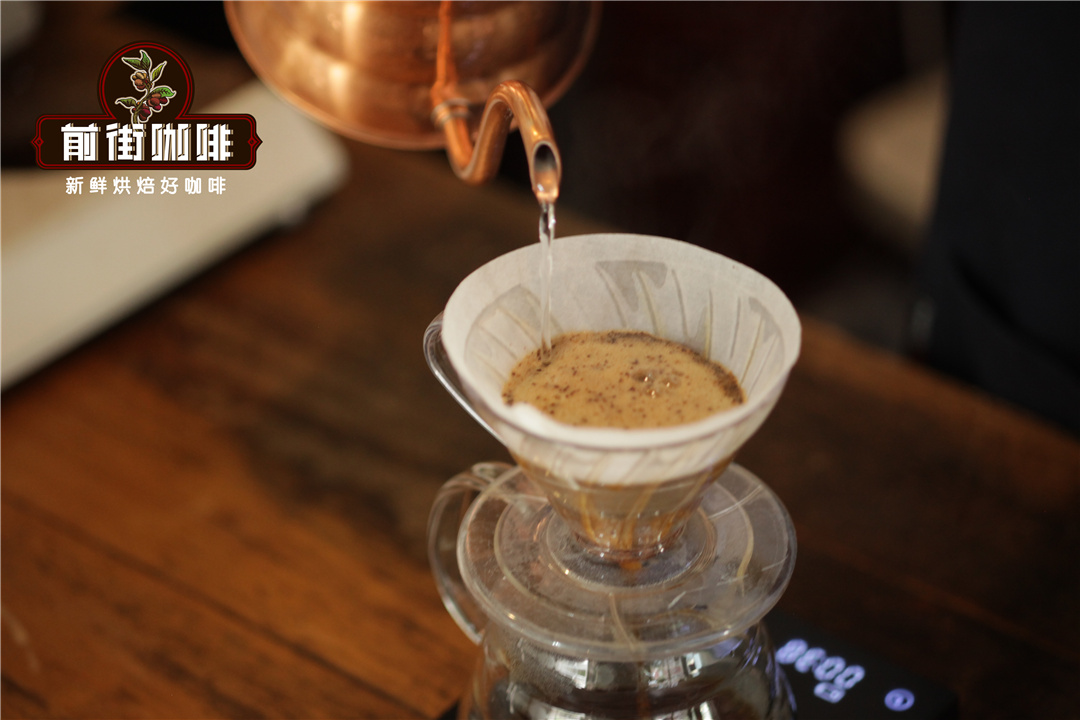
For brewing, a V60 cone dripper is recommended (large holes and spiral ribs aid degassing). Specific parameters: water temperature 90-91°C, grind BG#6M (78% passing a No. 20 sieve), coffee-to-water ratio 1:15 (based on 15 grams of coffee). In practice, note that the pour speed in the first stage should not be too fast; a center pour with small circles is suggested, which ensures full extraction of floral compounds while avoiding excessive release of tannins that cause astringency.
The finished cup shows a distinctly natural-process character: on entry you first catch the complex layers from the light fermentation, followed by the mellow sweetness of black grape and chocolate, with a bright citrus acidity that persists in the finish. This flavor combination is especially suited to pour-over lovers who prefer bright fruit acidity; tasting it alongside a light-roasted Ethiopian Yirgacheffe makes the unique texture of South American high-altitude coffee even easier to appreciate.