New Beans vs. Old Beans: A Beginner's Guide to Flavor Differences
Introduction: Coffee beans are also sorted into 'fresh' and 'aged'? Understanding the definitions, flavor differences, and best uses of new and old beans will help you choose coffee beans based on your taste preferences. This article explains in detail the fresh fruity notes of new beans and the mellow smoothness of old beans, reveals how storage affects flavor, and offers selection advice so you can easily find the coffee flavor you love.
As an agricultural crop, coffee beans, like rice, differ in freshness depending on harvest time. The roasted beans we commonly encounter actually come from green beans of different picking batches. So, are beans within the harvest season considered new beans? How do you distinguish new beans from old beans? Which flavor is more appealing? Mastering these basics will help you select coffee beans more precisely.
What are new beans and old beans?
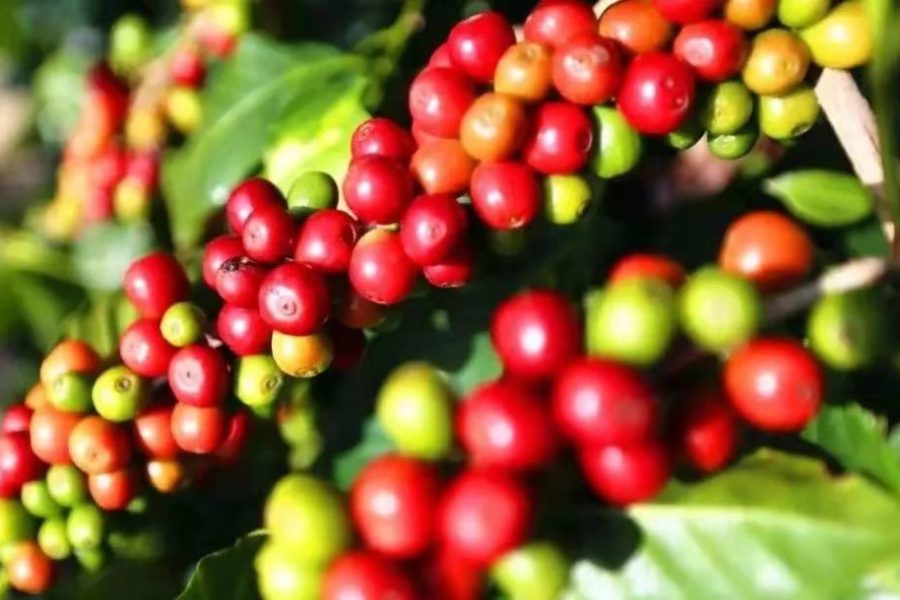
New beans usually refer to green beans harvested in the current season or current year, which retain more of their original flavor compounds. Green beans harvested more than three years ago (in some definitions, batches after the first two seasons) are classified as old beans. The intermediate period (such as beans harvested the previous year) is sometimes called past-crop or semi-new beans. It is worth noting that 'new' and 'old' here mainly refer to the storage duration of green beans, not roasted beans.
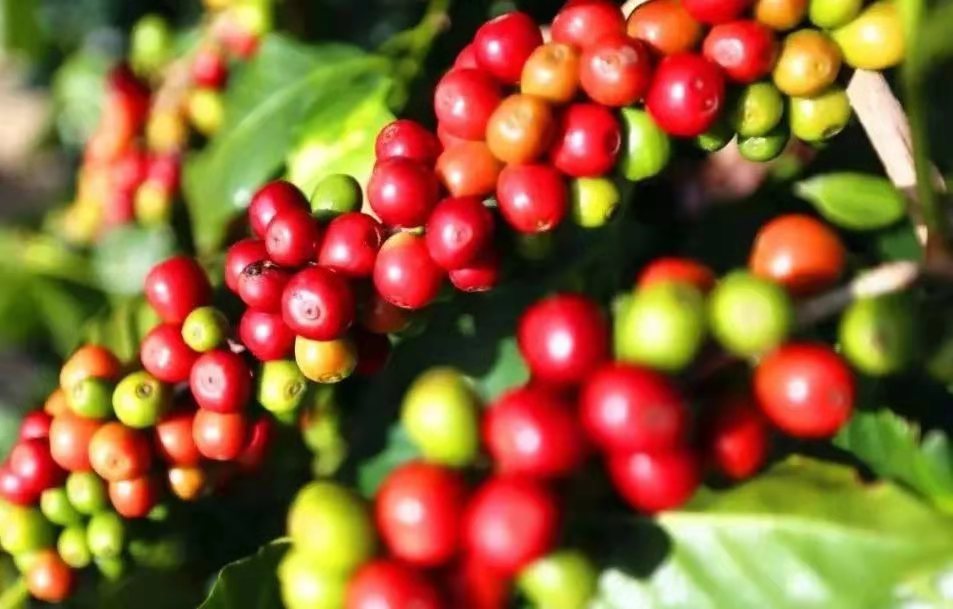
Flavor differences: fresh vs. mellow
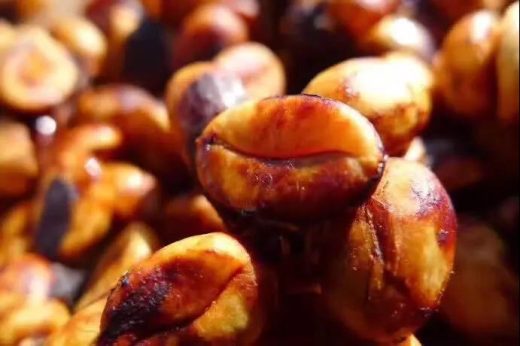
Because they were picked recently, new beans contain more moisture and active compounds and often carry bright fruit acidity, floral and fruity aromas, or herbal notes, with clear layers on the palate—suitable for enthusiasts who like vivid flavors.Old beans, after long storage, gradually lose moisture and volatile compounds; acidity weakens, sweetness and body increase, presenting softer, rounder nutty, chocolate, or caramel notes.As shown in the figure, new beans tend toward emerald green, while old beans may appear yellowish-brown.
Does storage make all new beans 'taste better'?
Not so. The flavor potential of new beans depends on variety and processing method—beans with high acidity and sharp flavors (such as some African beans), if stored too long, will instead lose their vitality and become bland; while beans with high complexity and rich fruity aromas (such as certain varieties from Central and South America) are better suited to moderate aging, developing deeper sweetness and balance.This is similar to winemaking: the sugar and acidity of the grapes themselves determine whether they are suitable for long-term aging.
Special applications of old beans
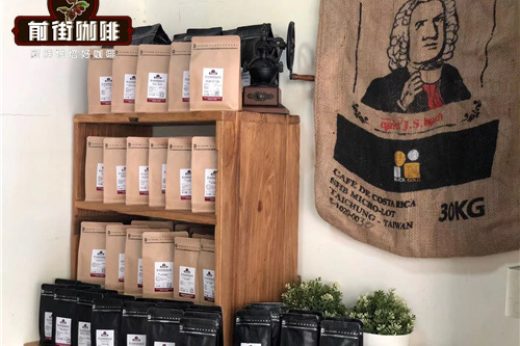
Some cafés feature old-bean products and even offer 'aged beans' stored for more than ten years. Such beans require strict screening of initial quality (such as low defect rate and high density) and slow aging under constant temperature and humidity.Old beans stored long-term (such as 10–20 years) may present unique flavors like leather, tobacco, and spice, but the audience is narrow—suited to experienced enthusiasts seeking a special taste experience.As shown in the figure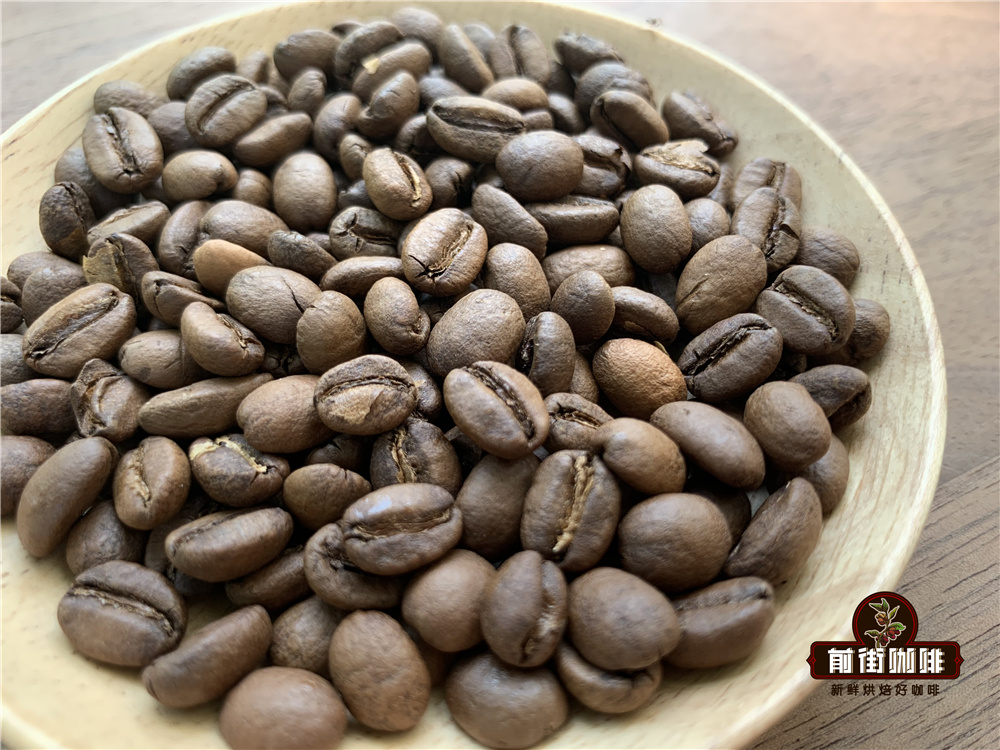 , the storage conditions of old beans directly affect the final flavor performance.
Buying advice: match by need
Beginners can start with highly fresh new beans to experience distinct regional flavors; if you prefer a mild, smooth mouthfeel, try quality old beans stored for 3–5 years. Whichever you choose, pay attention to the storage conditions of green beans (away from light, moisture-proof, sealed) to avoid premature flavor decline.