Blend vs. Single Origin: A Beginner's Guide to Choosing Beans for Pour-Over
Introduction: Have you ever been confused by the terms "single origin" and "blend" when shopping for coffee beans? Understanding the difference between these two types of coffee beans can not only help you find coffee that suits your taste but also improve your brewing experience. This article takes an in-depth look at the core differences between blend coffee and single-origin coffee, from flavor characteristics and production methods to suitable scenarios, giving you a full picture of their unique appeal and helping you make a more informed choice.
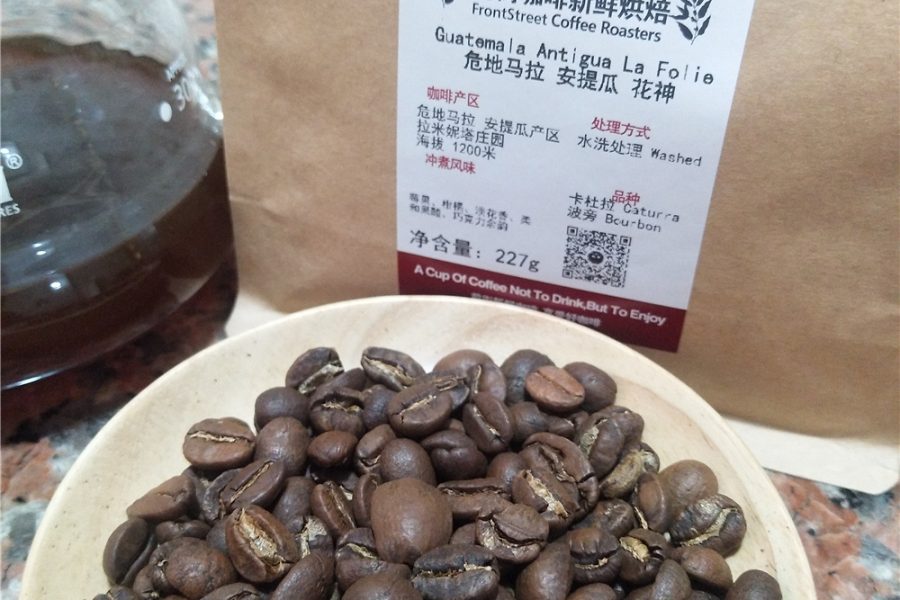
When buying coffee beans, the information on the packaging is key to understanding the product. Coffee bean packaging usually lists details such as variety, altitude of origin, and flavor characteristics. From this information, we can make a preliminary judgment about whether the coffee qualifies as specialty coffee and where its growing region is.
Coffee beans are mainly sold in two types of packaging: single origin and blend. Neither is absolutely superior or inferior to the other; they simply present coffee flavor in different ways. Single-origin coffee directly showcases the unique flavor of a specific region, while blend coffee reflects the roaster's distinctive approach to balancing flavors. Just as some whisky enthusiasts prefer single malt whisky over blended whisky, some coffee lovers are more drawn to the purity of single-origin coffee.
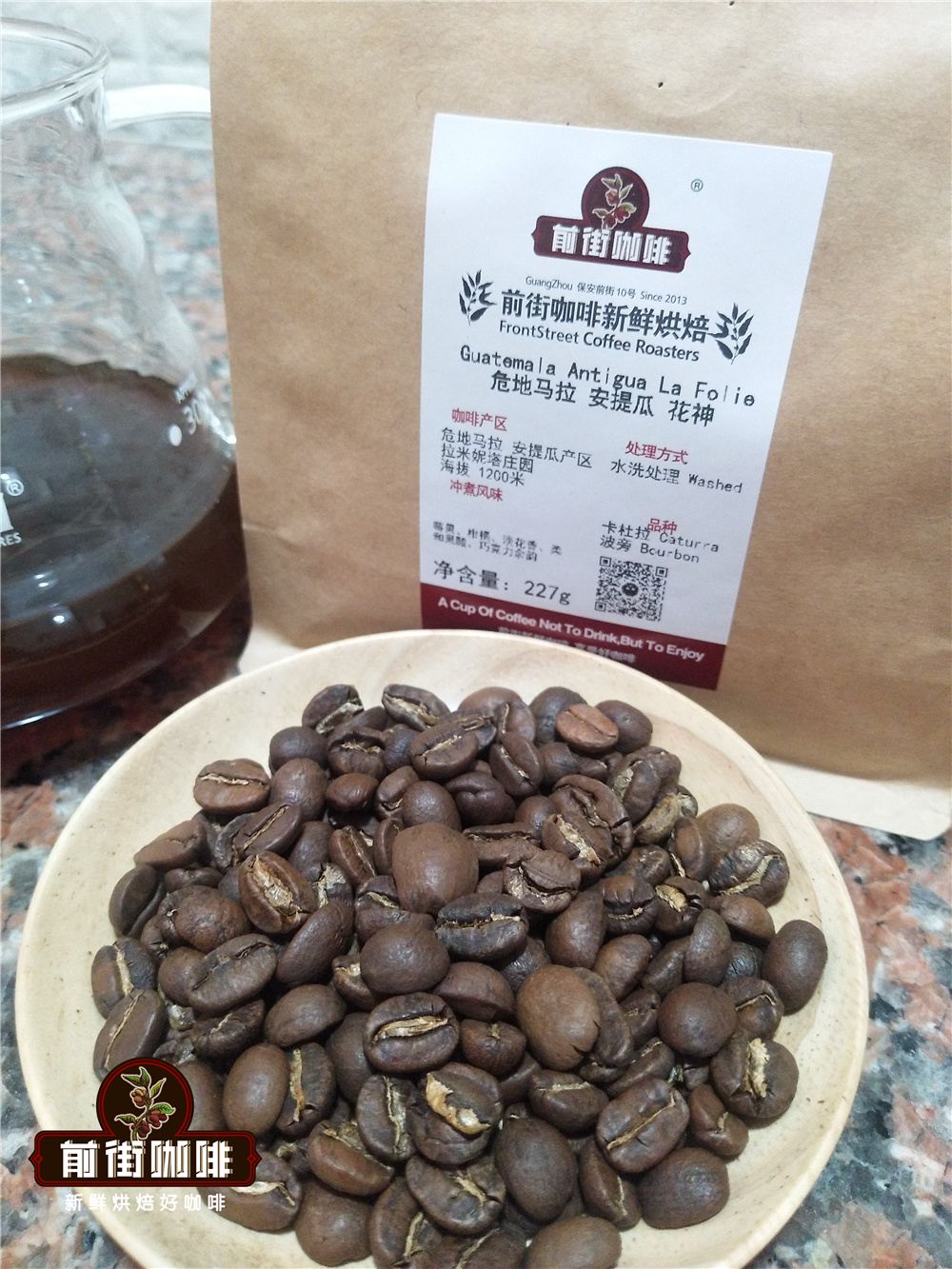
Single-origin coffee, as the name suggests, refers to coffee beans from a single place of origin. This "single" may be a country, or it may be as precise as a specific region, processing plant, or even a particular farm or lot number. Naming rules vary from country to country, but the more detailed the origin information, the more it helps consumers understand the coffee's background. The greatest appeal of single-origin coffee is its ability to express the terroir unique to that area, including the influence of soil, climate, and altitude on coffee flavor. Many coffee enthusiasts are eager to explore the subtle differences brought by different regions. Just as a wine taster prefers single-varietal wines from a specific winery, they are also more inclined to choose coffee beans labeled with specific origin information.
By contrast, blend coffee is made by mixing coffee beans from several different origins. Some people mistakenly believe that blend coffee is inferior in quality to single-origin coffee, but in fact, high-quality blends also exist. Because coffee beans are a seasonal crop, some single-origin coffees may not be available year-round in stable supply, or their flavor may fluctuate from year to year. By carefully blending beans from different regions, roasters aim to create a product with balanced flavor that is consistent all year round. When the blend is well designed, this kind of coffee often presents a harmonious mouthfeel and, in some cases, is even more popular than single-origin coffee.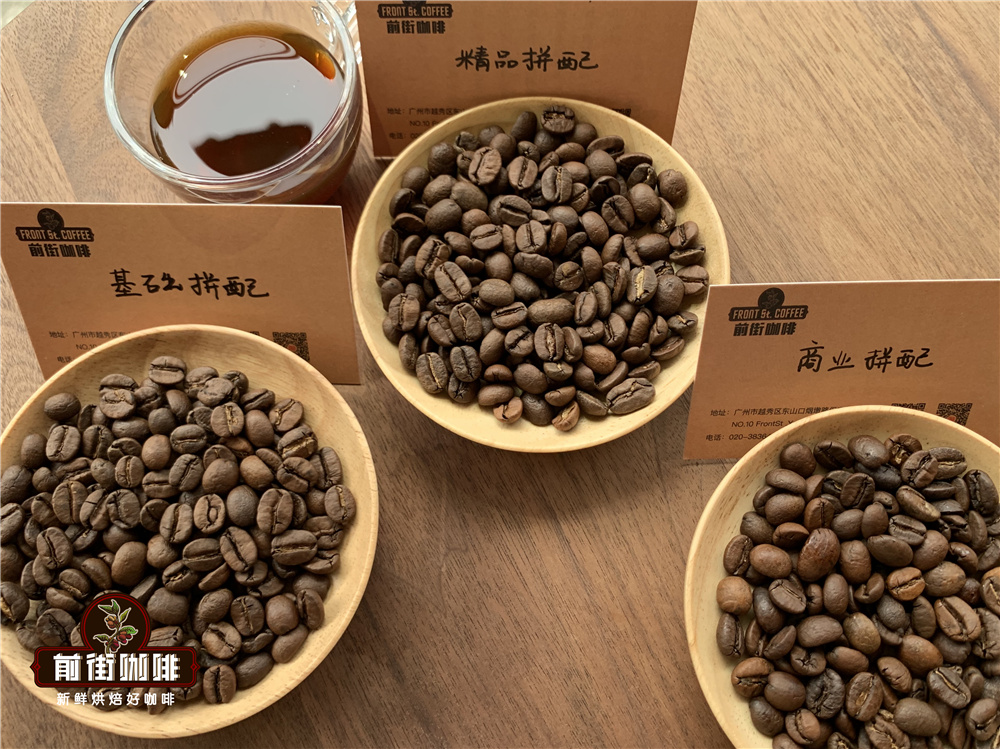
It is worth noting that blends are made in a variety of ways. Some roasters, following their own style and understanding of flavor, choose beans with different characteristics to blend in order to highlight specific flavor layers. However, some roasters, out of cost considerations, mix lower-quality coffee beans into their blends, or even add robusta beans to increase caffeine content and bitterness. But high-quality blends are usually blended after roasting, which allows better control of the final flavor performance and ensures consistent quality from batch to batch.
In summary, blend coffee achieves flavor balance by mixing coffee beans from different regions or from around the world, while single-origin coffee emphasizes the pure flavor of a single farm or region. When specialty coffee merchants label a package as "single origin" or with specific "estate" information, it usually means they want to convey a more transparent production history—for example, that this batch of coffee comes from a particular farm, production line, or processing plant. Such single-origin coffees are often sold in limited or seasonal quantities, and are therefore favored by coffee enthusiasts in pursuit of unique flavors.
Whether you choose single-origin coffee or blend coffee, the key is whether the beans were properly cared for during growing, processing, transport, and roasting. As long as every step is handled with care, whether it is the pure flavor of a single origin or the harmonious mouthfeel of a multi-bean blend, both can deliver a satisfying coffee experience.