Coffee Grind Size Guide: Precise Parameters and Flavor for Pour-Over and Espresso
Introduction: Grinding is the hidden key that affects coffee flavor! From pour-over to espresso, grind size directly determines extraction efficiency and taste balance. This article explains in detail the scientific relationship between coffee particle size and flavor release, provides precise parameter references for different brewing methods, and shares practical tips for improving extraction consistency, helping you precisely control the flavor performance of every cup of coffee.
Whether it is pour-over, French press or espresso, coffee grinding is the core step before extraction. The cell structure of coffee beans locks in the aroma substances formed during cultivation and roasting, and the role of grinding is to expose these substances to water and release them through water flow extraction. But once the grind size is wrong, it may lead to thin flavor, excessive bitterness, or even completely destroy the layers of the coffee.
The microscopic relationship between coffee cells and grinding
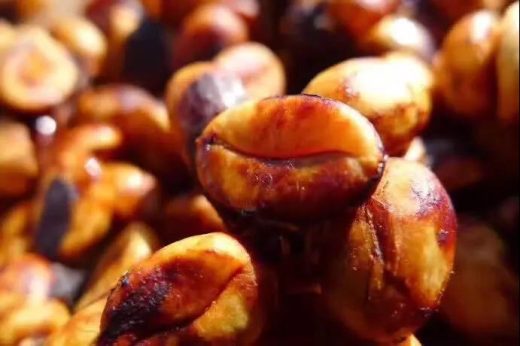
A roasted coffee bean is about 6 mm in diameter and contains tens of thousands of cell structures inside. The natural pores of these cell walls and the microcracks produced by roasting are both storage reservoirs for flavor substances and channels during extraction. When ground to about 1 mm (such as the common pour-over grind size), each gram of coffee grounds produces about 1296 particles, with a total surface area of 48 square centimeters—enough to let water flow contact more cell walls to release flavor, but not over-extract bitter substances.
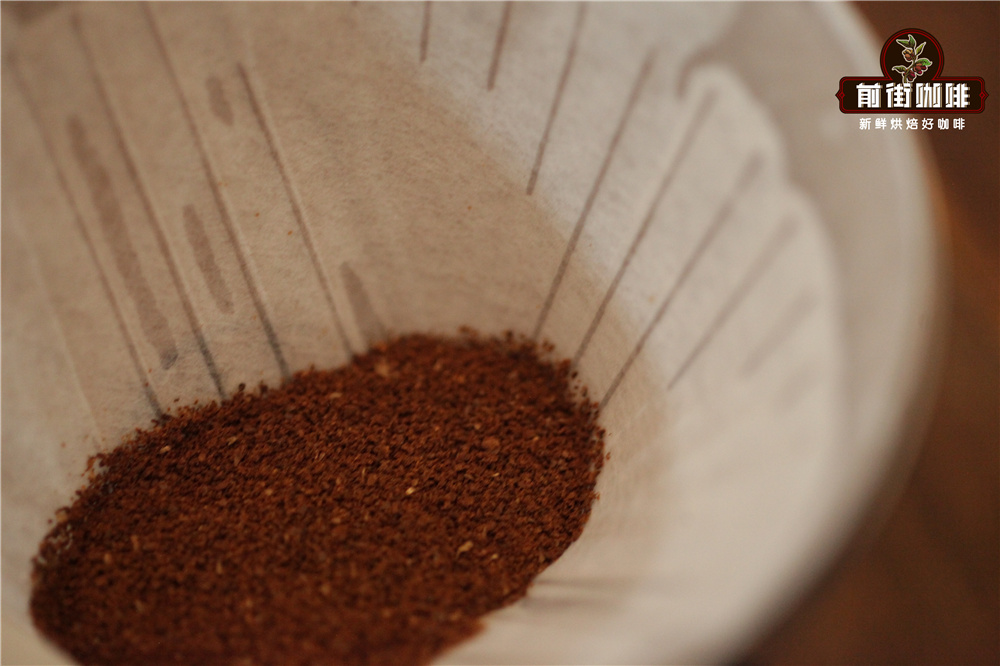
Compare different grind degrees: with a 3 mm coarse grind, the number of particles per gram increases to 48 portions (surface area 16 square centimeters); while the 0.38 mm ultra-fine grind required for espresso has as many as 24,572 particles per gram (surface area 128 square centimeters). Fine grinding brings a huge surface area while also greatly increasing the risk of over-extraction—bitterness and burnt notes often come from this.
Brewing method determines the grind baseline
The extraction principles of different devices directly affect the choice of grind size:
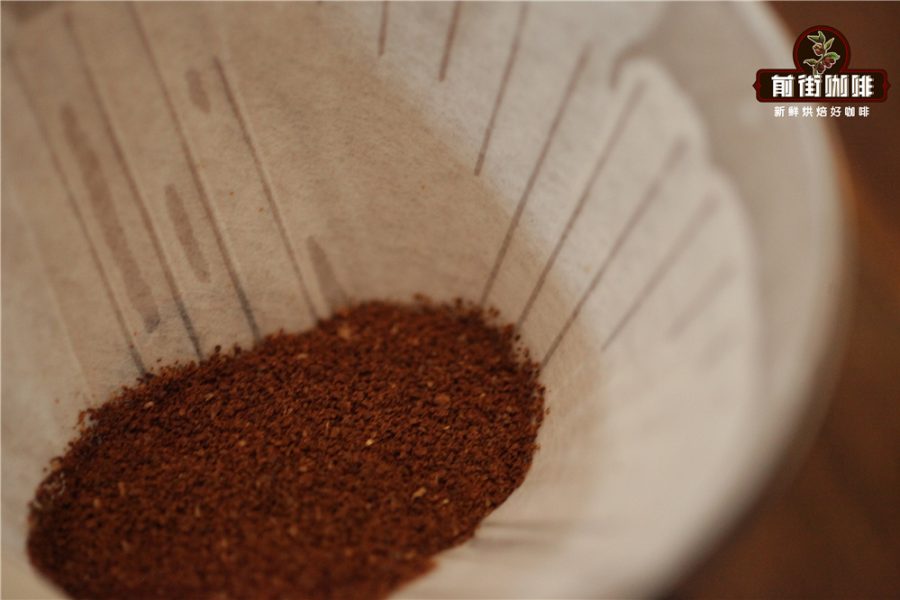
• Pour-over coffee (drip filter): recommended 1.0-1.2 mm medium-coarse grind, similar to the texture of fine granulated sugar. It is necessary to balance the water flow penetration speed and flavor release; too fine will cause channeling (hot water piercing straight through the bottom), while too coarse will result in under-extraction.
• French press: use coarse particles (about 1.5 mm); the metal filter needs large particles to prevent fine powder from leaking out.
• Espresso: 0.3-0.5 mm extremely fine grind (close to flour texture); high-pressure extraction requires a high surface area to quickly dissolve substances.
• Cold brew: coarse grind (2.0 mm or more); long soaking requires reducing fine powder to avoid excessive bitterness.
Hidden factors affecting grind consistency
Even with the same setting, the actual grinding effect may fluctuate due to the following variables:
1. Ambient temperature and humidity: in humid weather, coffee beans absorb water and expand, so a coarser grind may be needed;
2. Roast freshness: freshly roasted beans (1-14 days) contain more internal gas, so it is recommended to slightly adjust the grind finer to compensate for the degassing effect;
3. Burr condition: after using the grinder for more than 500 grams, residual powder needs to be cleaned; continuous operation may cause the burrs to overheat and affect particle uniformity.
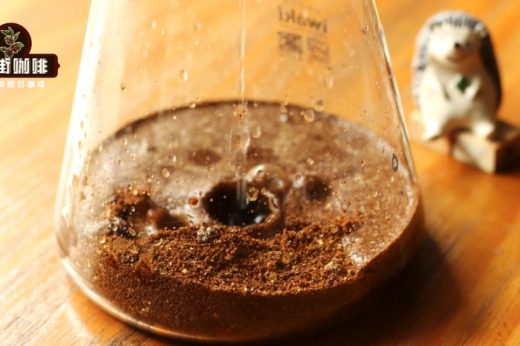
Pay attention to observing the extraction state: the ideal coffee bed should show a uniform honeycomb structure, and the drip rate in pour-over should complete a single pour in about 20-30 seconds.
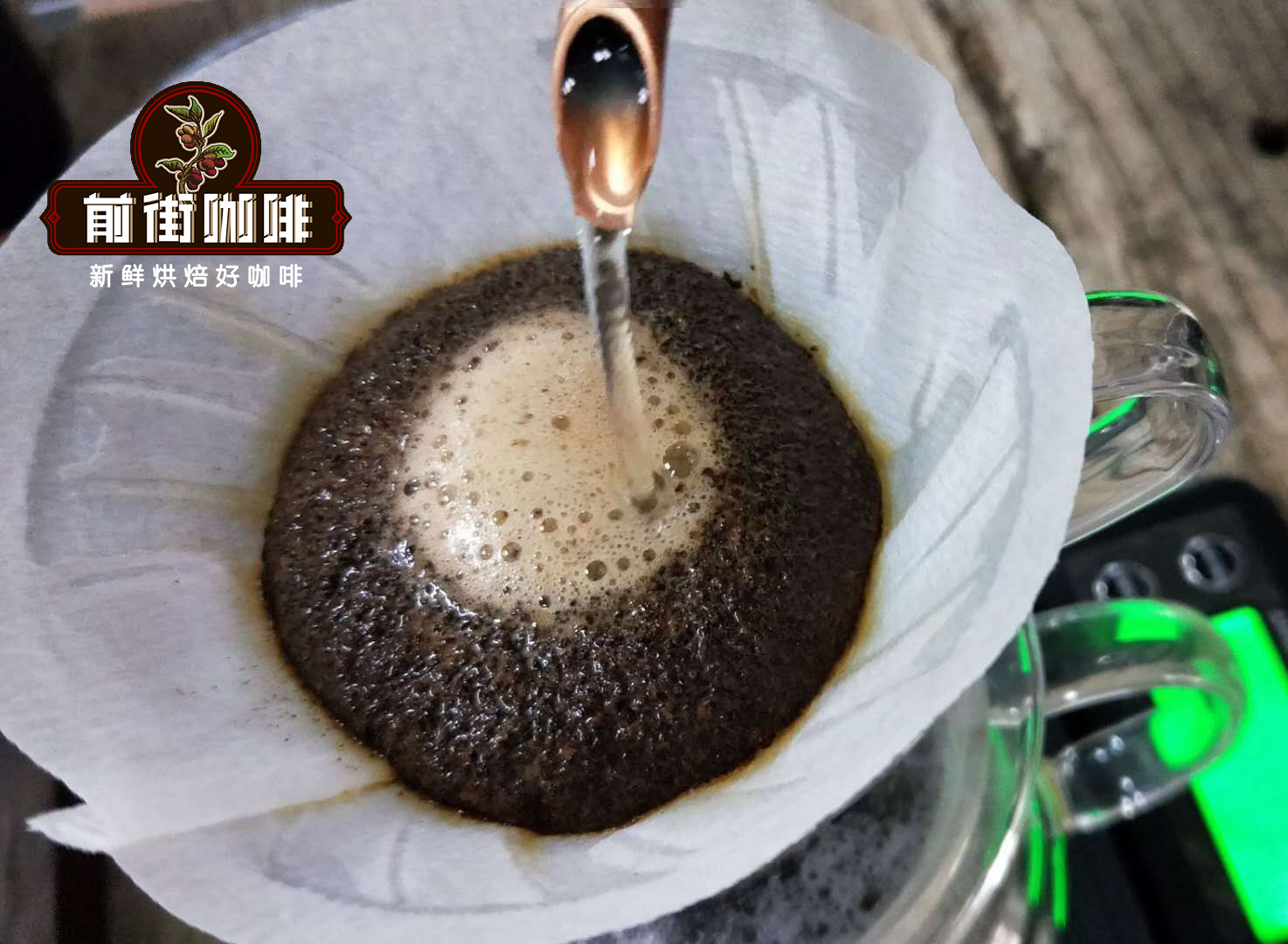
Practical advice: five steps to optimize grind parameters
1. Start from the recommended baseline value for that brewing method (for example, choose 1.1 mm for pour-over);
2. Make two comparisons: keep one at the original grind, and finely adjust the other by ±0.1 mm;
3. Record flavor differences: focus on acidity brightness, sweetness clarity and aftertaste cleanliness;
4. Avoid changing variables such as water temperature and coffee-to-water ratio at the same time;
5. Regularly calibrate the grinder setting (check once a month is recommended).
Master this invisible craft of grinding, and you can unlock completely different flavor dimensions from the same coffee beans—from bright fruity acidity to rich chocolate notes, all hidden in that one millimeter of precision.