How to Brew Pour-Over Coffee Precisely: A Beginner's Guide to Parameters and Flavor Balance
Introduction: Brewing a balanced cup of pour-over coffee depends on precisely controlling extraction parameters. Starting from core factors such as water temperature, time and grind size, this article explains the flavor differences between under-extraction, over-extraction and ideal extraction, and offers practical tips to help beginners avoid common mistakes and improve their pour-over experience.
The essence of pour-over coffee is dissolving and extracting flavor compounds by bringing hot water into contact with coffee grounds. The process looks simple but in fact places strict demands on parameters such as water temperature, time and coffee-to-water ratio. The slightest deviation can produce a cup with unbalanced flavor.
Step 1: Understand the characteristics of the coffee beans and the basic parameters
Coffee beans of different roast levels require different extraction strategies. Light roasts usually need a slightly higher water temperature (92-96°C) to bring out bright acidity, while dark roasts suit a lower temperature (88-92°C) to avoid extracting too much bitterness. Grind size is equally critical—a fine grind increases contact area but may over-extract, while a coarse grind may under-extract.
Step 2: Identify common extraction problems
Under-extraction often occurs when the water temperature is too low, the time too short or the grind too coarse. Such coffee tends to show: an unpleasant sharp sourness up front (like unripe citrus peel), a lack of the sweetness it should have, even an unnatural saltiness, and a short, flat finish.
Over-extraction is mostly caused by water temperature that is too high, time that is too long or a grind that is too fine. Its typical features are bitterness dominating, accompanied by a mouth-drying astringency (the result of polyphenols binding with salivary proteins) and a hollow, uninteresting mouthfeel, with the coffee's layers of flavor completely masked.
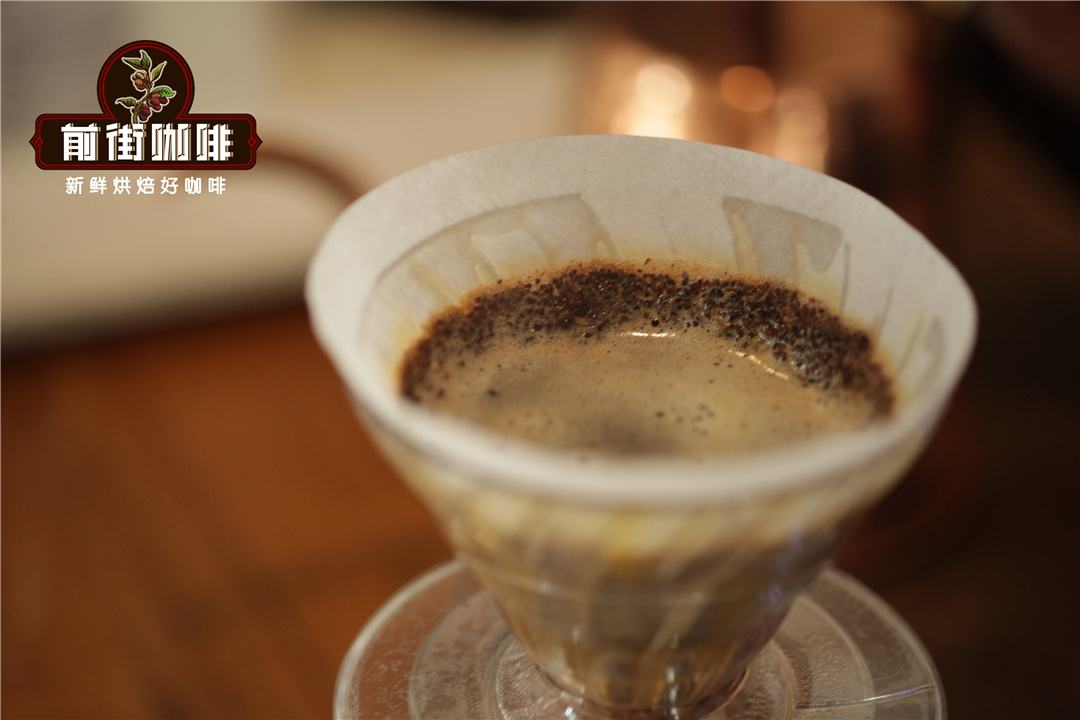
Step 3: Pursue the balance of ideal extraction
Ideal extraction should present clear layers of flavor: lively fruit acidity at the start (such as berry or lemon notes), then a transition to caramel-like sweetness, and finally a mild bitterness to finish. Coffee in this balanced state is clear and bright on the palate (clean and transparent), with the four flavor elements—sour, sweet, bitter and salty—coexisting harmoniously, and a persistent finish (lasting from several seconds to a dozen or more).
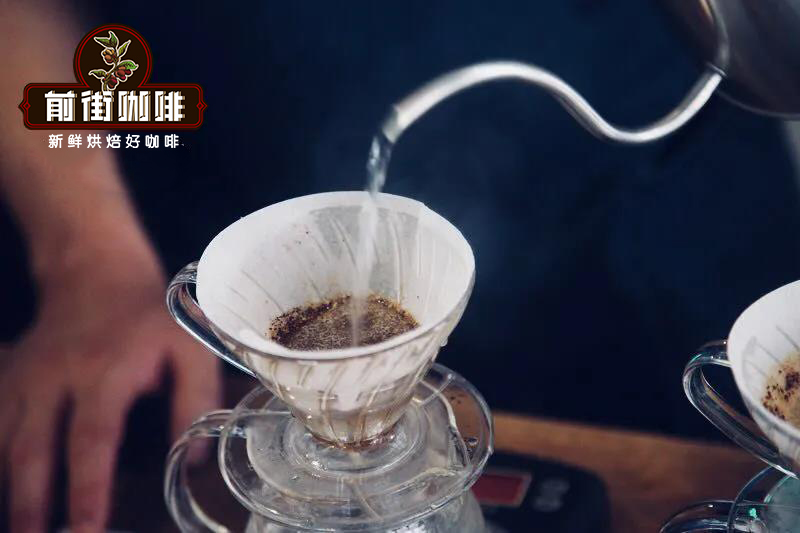
Achieving this goal requires systematic adjustment: it is recommended to start practicing with a coffee-to-water ratio of 1:15-1:18 and a uniform, steady pouring speed. For example, when using a V60 dripper, maintain a pouring rate of 1-2 milliliters per second and pour in 2-3 stages to ensure even extraction.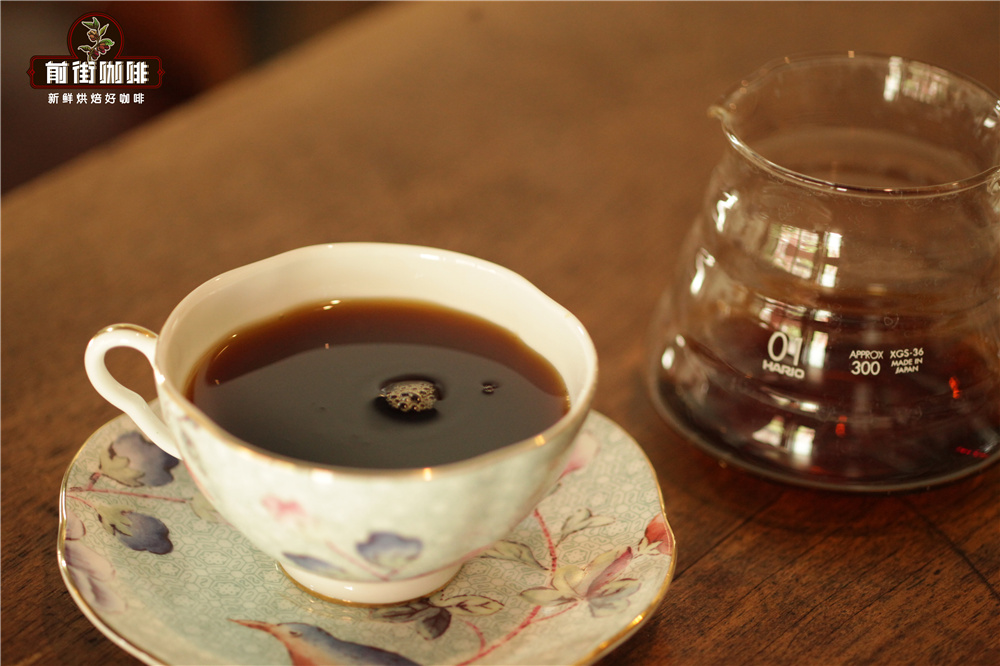
Remember, the appeal of pour-over coffee lies in exploring infinite possibilities through controllable variables. Record the flavor changes after each parameter adjustment and gradually find the extraction plan that best matches your taste preferences.