How to Judge Specialty Coffee: A 6-Step Cupping Guide and Flavor Metrics
Introduction: The appeal of specialty coffee lies in experiencing a unique taste of terroir in every sip, but its evaluation standards are no mystery. From the perspective of professional cupping, this article explains in detail the essential differences between specialty coffee and ordinary coffee, reveals the evaluation logic behind key indicators in cupping such as aroma, acidity, and aftertaste, and through a standardized 6-step cupping process, helps you master the core skills for identifying high-quality coffee beans, so you can be more professional whether buying or tasting.
Coffee is much loved today, but those truly in the know often seek out specialty coffee. So what is the difference between specialty coffee and the coffee drunk every day? Is it simply because it tastes better? In fact, what makes specialty coffee unique is that every stage—from green bean selection and roasting to the final brewing—is strictly controlled, thereby presenting richer, more delicate layers of flavor. Compared with ordinary beverages, coffee itself has a complex structure and is affected by multiple factors such as origin, processing method, and roast level. The appeal of specialty coffee is that it lets you clearly perceive, in a single cup, the distinctive character of beans from different regions—which is also why seasoned coffee enthusiasts are so devoted to it.
Professional coffee judges usually rely on scientific and systematic sensory evaluation methods to determine coffee quality, and the most widely used is "cupping." This process is like wine tasting, relying on smell and taste working together. By brewing multiple coffee beans with unified variables, it carefully compares each bean's dry aroma, wet aroma, flavor direction, sweet-acid balance, body, and aftertaste. Although the basic human tastes include sweet, sour, bitter, salty, and umami, individuals differ in their sensitivity to flavors. With accumulated experience, the taste buds gradually gain the ability to identify more subtle characteristics, and the dimensions focused on during cupping are usually centered on the first four taste elements and the tactile feedback in the mouth.
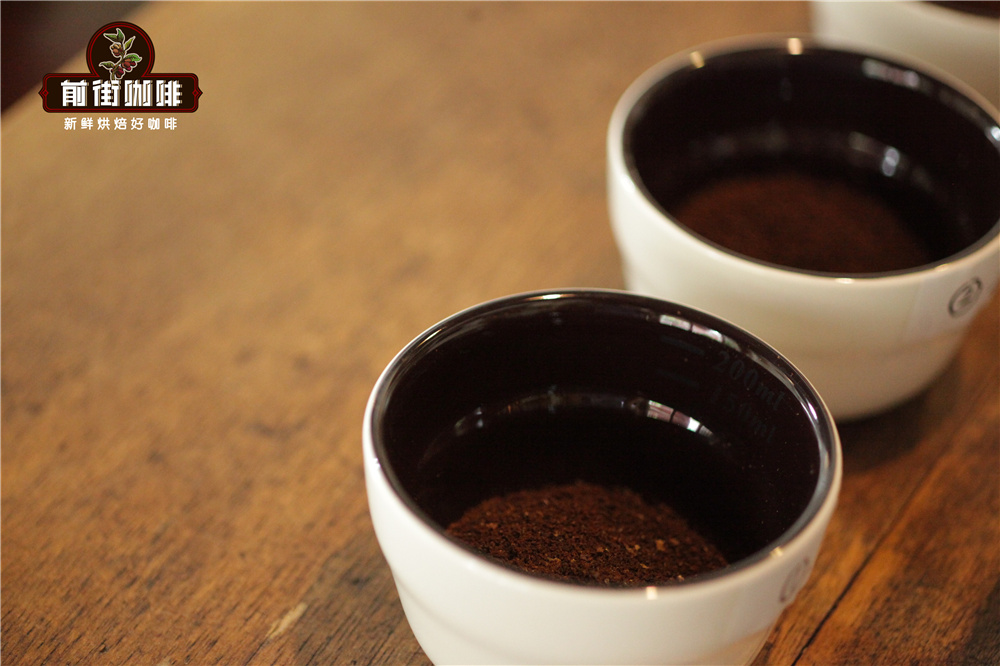
Specialty coffee cupping has a standardized operating procedure to ensure each bean is compared fairly under the same conditions. The specific steps are as follows:
Step one: weigh equal amounts of coffee grounds and follow the basic ratio of the golden cup extraction standard, generally keeping the coffee-to-water ratio between 1:15 and 1:16, to simulate an ideal extraction environment and facilitate subsequent flavor release.
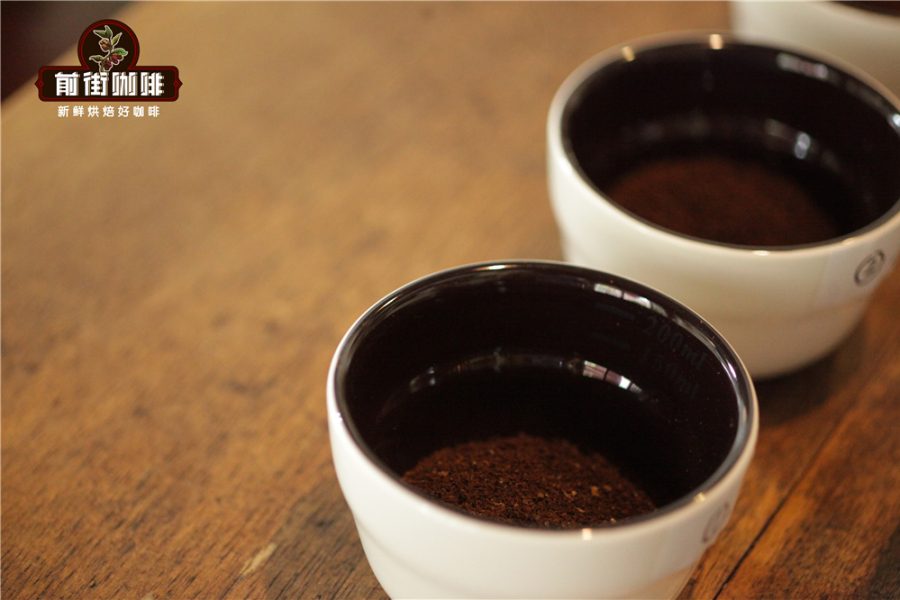
Step two: after grinding the coffee beans, first smell the dry aroma and record the initial aroma impression. It is recommended to sort the samples by flavor intensity and leave the most intensely aromatic beans for last, to avoid olfactory fatigue affecting judgment.
Step three: pour hot water at 92 to 95 degrees Celsius evenly into each cup, with the water amount matched to the coffee amount according to the established ratio. After pouring, let it sit for two minutes without stirring. At this point you can lean close to the rim of the cup to capture the moist aroma released after the coffee grounds absorb water—this is the key to the wet aroma stage, which often contains more clues of fruity, floral, or nutty notes.
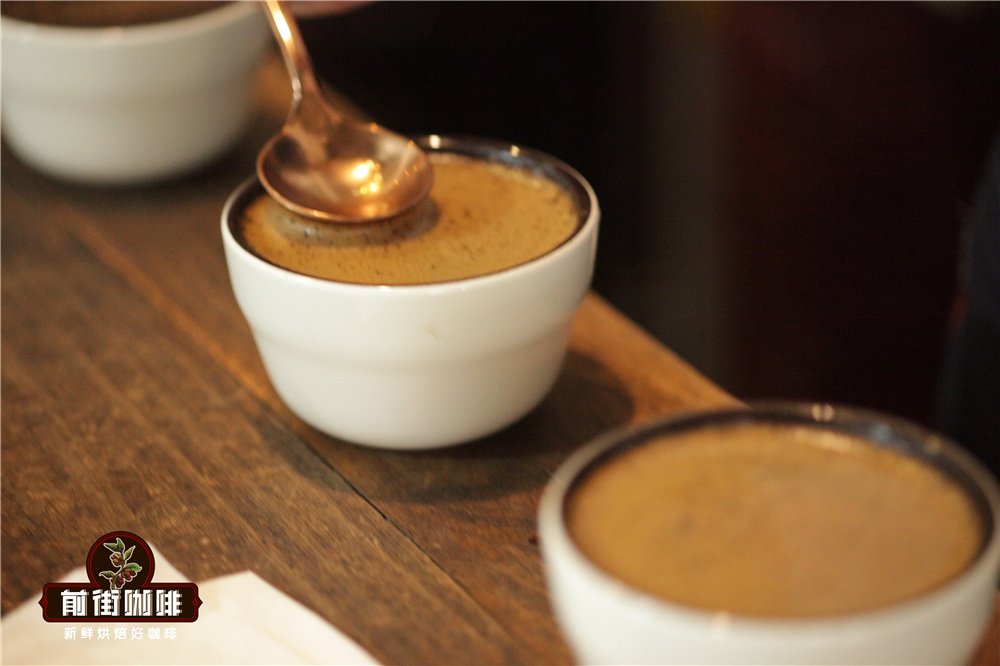
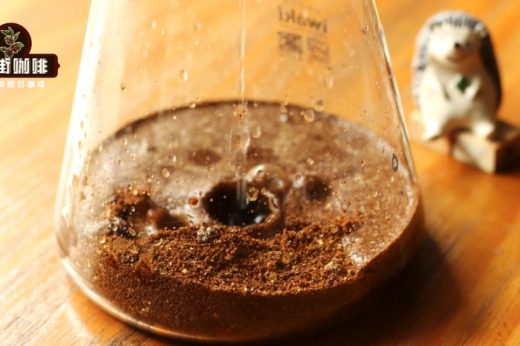
Step four: after waiting about four minutes, "break the crust." Use a cupping spoon to gently push aside the layer of coffee grounds floating on the surface, then slowly circle three times along the liquid surface to encourage the surface grounds to sink back into the water, while inhaling deeply the concentrated aroma rising at this moment. Some evaluators habitually turn the bottom of the spoon up slightly after circling, to feel the more concentrated flavor burst in the liquid below.
Step five: use the cupping spoon to skim off the remaining grounds on the surface, and promptly dip the spoon into a cup of clean water to avoid cross-contamination affecting the next cup's evaluation. This step requires particular attention to hygiene and efficiency to ensure each bean's purity is not disturbed.
Step six: scoop about seven or eight tenths of a spoonful of coffee liquid, bring it close to your lips, and slurp forcefully so the coffee atomizes and reaches deep into the back of the mouth. This action is intended to fully activate the taste buds and precisely capture changes in acidity, sweetness, body, and aftertaste. After tasting, spit out the remaining liquid immediately and quickly record the flavor characteristics. It is recommended to complete the comparison of multiple samples within the same temperature range as much as possible; afterward you can continue tasting as it cools down to room temperature. High-quality coffee often displays distinctly different yet coherent flavor profiles at different temperature layers.
Through the above systematic process, you can not only objectively evaluate a coffee's overall performance but also gradually develop a keen sense of flavor. From dry aroma to wet aroma, from sweet-acid balance to a long aftertaste, every step is key to interpreting the "language" of coffee. After mastering these skills, whether brewing at home or buying coffee beans, you can more confidently identify specialty coffees that truly have regional character and craftsmanship.