Pour-Over Coffee Beginner's Guide: 6 Practical Tips to Easily Improve Extraction Quality
Introduction: Newcomers learning pour-over coffee often face confusion over parameter choices and operational mistakes. This article distills 6 core techniques, from understanding coffee bean characteristics to optimizing pouring technique, systematically explaining how to stably control extraction variables. After mastering these foundational methods, combined with personal brewing records, even enthusiasts just beginning with pour-over can gradually find the coffee expression suited to their own taste.
Walking into a café or opening social media, pour-over coffee tutorials are incredibly varied. But for beginners who have just acquired pour-over equipment, facing numerous parameter settings and operational procedures, it's inevitable to wonder, "Am I really brewing this correctly?" Actually, to stably extract the flavor coffee should have, the key lies in understanding three major elements: the state of the coffee beans themselves, a clear extraction goal, and a consistent brewing method.
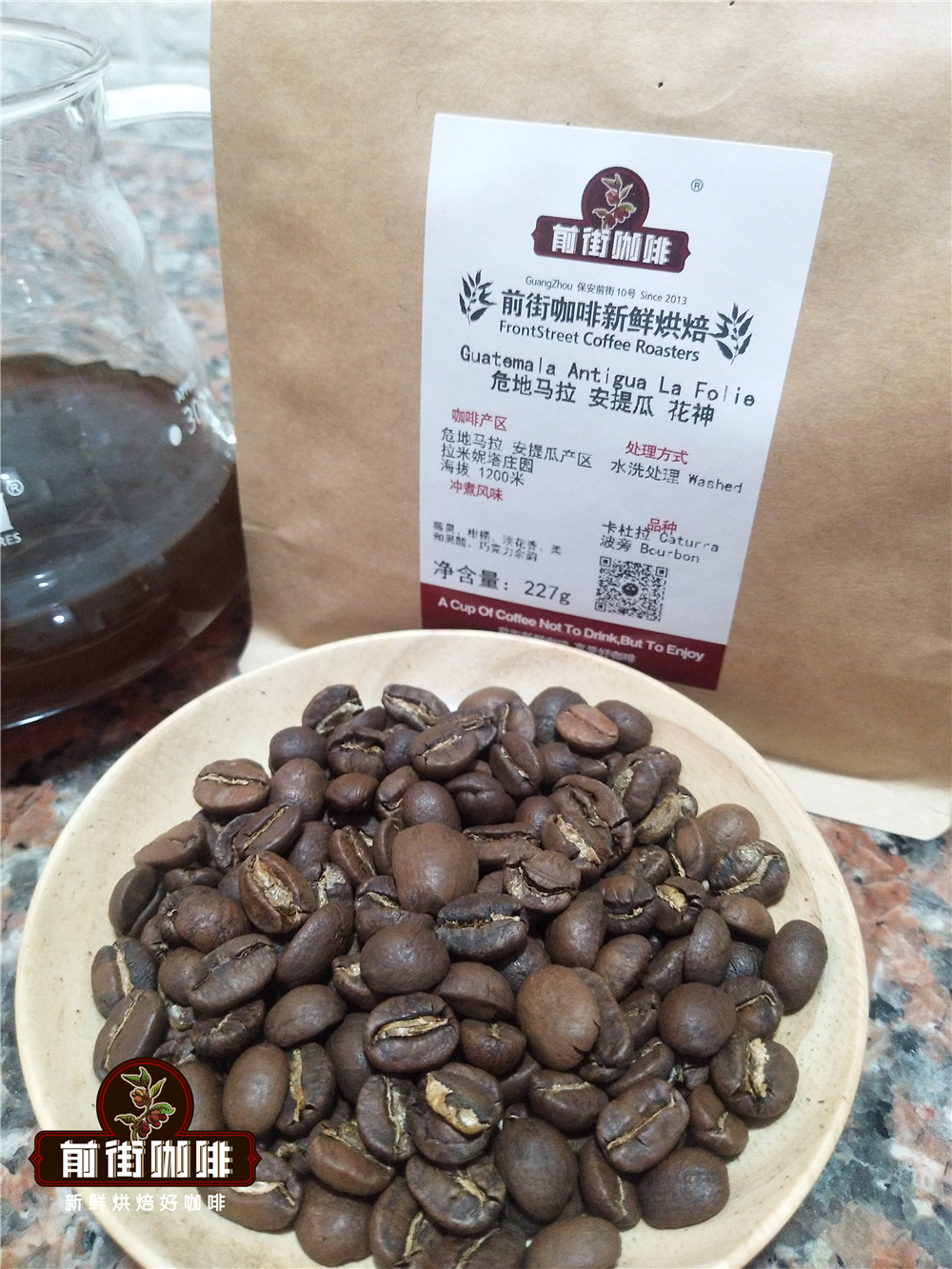
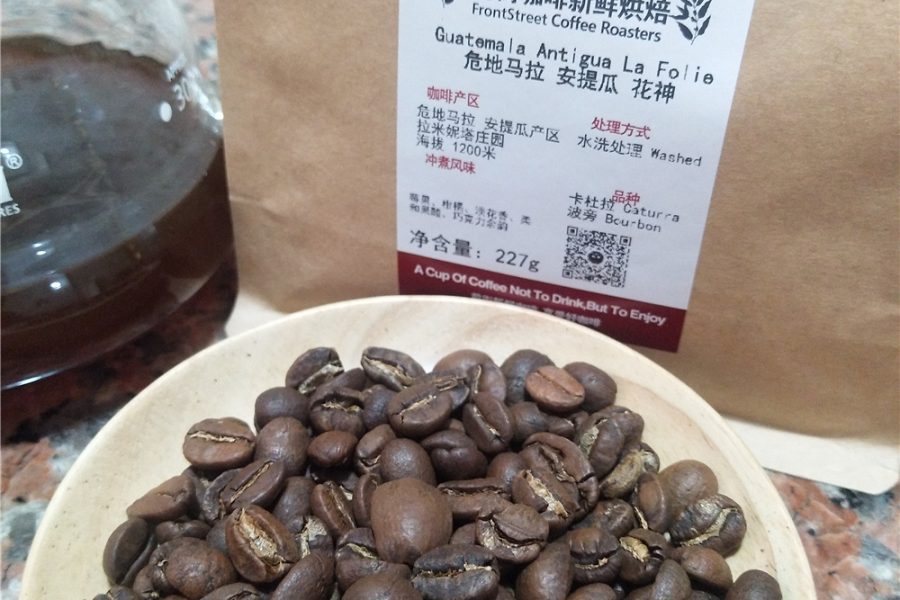
The first step is to focus on the basic information of the coffee beans. Each coffee bean's origin terroir, processing method, roast level, and even resting period all directly influence the final flavor direction. Carefully reading the origin description and processing method labeling on the packaging can help us initially establish flavor expectations for this bean. If conditions allow, directly asking the barista about the flavor characteristics and recommended brewing parameters for that batch, or even first tasting the shop's brewed version, can give you a more intuitive understanding of the brewing goal. The richer this preliminary information accumulation, the easier it is to judge during your own brewing whether you have restored the coffee bean's true flavor.
Maintaining a stable brewing process is equally crucial. Many beginners overlook a basic principle: before pursuing ideal flavor, you must first ensure operational repeatability. Whether the water flow speed is even and whether the pouring trajectory is regular—these details directly affect the extraction efficiency of the coffee bed. Beginners are advised to choose a pour-over kettle that feels comfortable, spend time specifically practicing the pouring motion, and focus on controlling water flow stability and coverage range. Before thoroughly mastering one school's pouring technique, there's no need to rush into trying too many different brewing methods, to avoid divided attention leading to operational confusion.
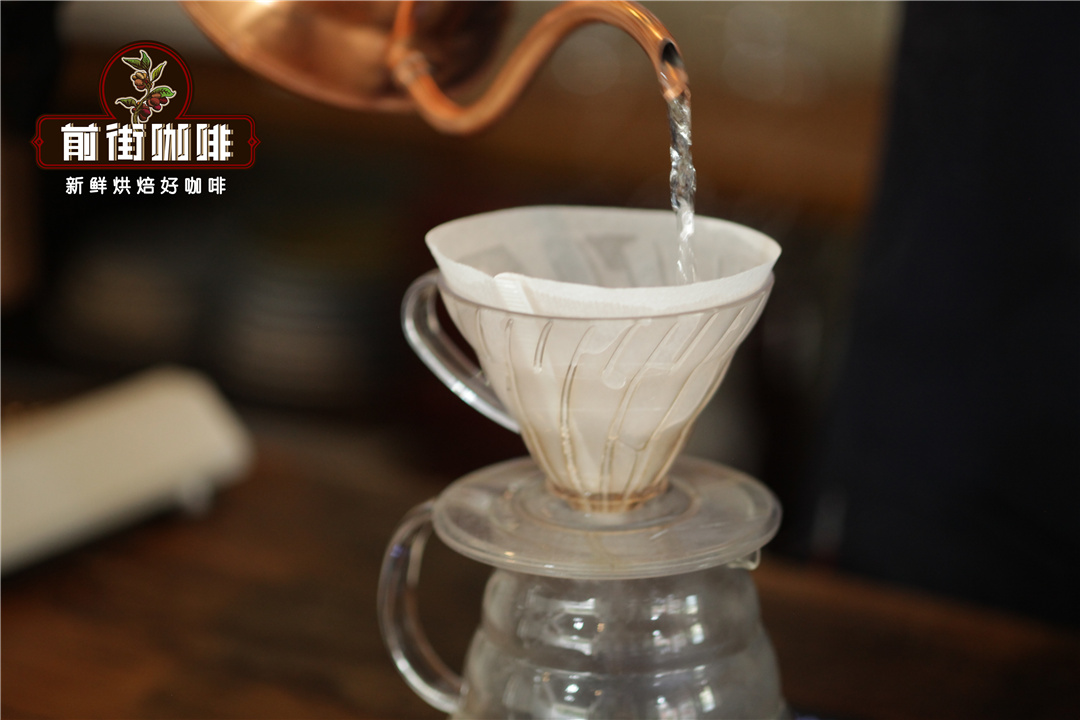
Regarding the question of pre-wetting the filter paper, many tutorials suggest rinsing the filter paper beforehand to remove papery taste, but in reality, filter paper made with modern processes has almost no noticeable impact on flavor, and ordinary enthusiasts can hardly distinguish such subtle differences. More importantly, keeping the filter dry can effectively prevent coffee grounds from absorbing water too early and starting extraction—this is precisely one of the potential factors causing inconsistent results each brew. Additionally, not pre-moistening the filter paper on the first pour also helps us observe moisture distribution during the bloom phase, allowing timely adjustment of pouring position to ensure even saturation of the coffee bed.
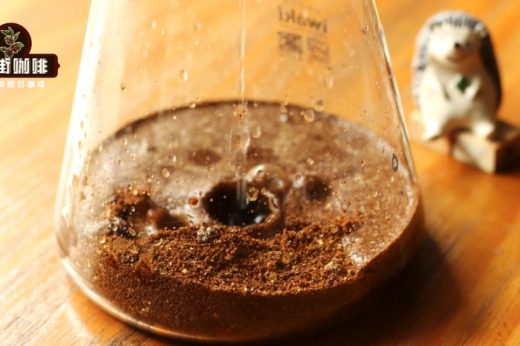
Pouring technique directly affects the evenness of coffee extraction. Regardless of which specific brewing system is used, avoid rough, large water streams directly striking the entire coffee bed. Imagine watering flowers: slow, even pouring allows the soil to absorb fully, while dumping water all at once may wash away the roots. The coffee bed in a pour-over dripper is usually densest in the central area, so during the bloom phase, you should start from the center, using small circular motions to let water gently permeate. Then when expanding to the outer area, continue maintaining an inside-out pouring trajectory, which helps form a natural "coffee wall" structure on the outer edge of the bed, guiding water to seep down evenly.
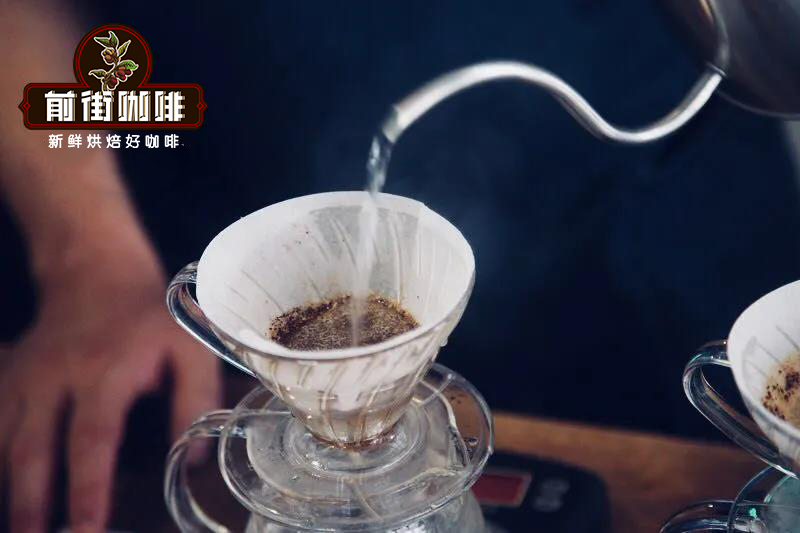
There's a common misconception to watch out for during operation: many beginners habitually start pouring from the edge, which causes water to flow directly along the dripper's ribs and drain quickly, with insufficiently extracted coffee liquid entering the server too early, and the final product easily carrying an obvious watery taste. This problem is even more pronounced in drippers with wider rib spacing. If you find it difficult to control a circular trajectory, you can temporarily fix your wrist position and adjust the pouring direction by slightly turning your body, which maintains a stable water column while allowing more precise control of coverage range.
Besides pouring method, controlling brewing time is equally important. Although a slower pouring speed provides more room for adjustment, it also easily leads to an overly long total extraction time, risking over-extraction; pouring too fast may cause localized under-extraction. Ideally, you should control total brewing time within a reasonable range by observing flow rate and drip speed into the server—this value varies with grind size and recipe, but typically 2.5 to 3 minutes is a common reference range.
Finally, it's recommended that every beginner establish a personal brewing log. Record in detail the coffee bean information, grind size, water temperature setting, coffee-to-water ratio, pouring technique, and final flavor experience for each brew. By comparing extraction results under different parameters, you can gradually work out the operational combination best suited to your own taste preferences. Remember, there are no shortcuts in improving pour-over coffee—continuous practice and careful observation are the keys to finding your ideal flavor.