Asian Coffee Bean Flavors: A Guide to Blends and Origins
Introduction: From Southeast Asia to the Middle East, Asian coffee beans are known for their distinctive processing methods and regional flavors. This article takes an in-depth look at the flavor characteristics and growing differences of representative origins such as Indian Monsoon coffee, Indonesian Mandheling, and Yunnan small-bean varieties, compares the core differences between single-origin coffee and commercial blends, and reveals how blended coffee balances taste to meet mass-market demand. It includes bean scores and acidity references for key origins to help you build a systematic understanding of Asian beans.
The specialty coffee wave has meant consumers are no longer satisfied with a single definition of "tasty," turning instead to the terroir and processing techniques behind the coffee. As one of the world's three major coffee regions, Asia not only contributes unique regional flavors but has also developed a weighty depth distinct from Africa's bright acidity and the Americas' balanced cup.
The typical characteristics of Asian coffee are low acidity and high body, often with woody notes, spice, and even a slight earthy aroma. This style is closely related to the local hot, humid climate, deep volcanic soils, and unique post-harvest processing methods. Below we focus on seven core origins and decode their flavor secrets.
Indian coffee stands out for its monsoon processing (bean score ★★★★/acidity ★★). After harvest, the green beans are continuously exposed to the humid monsoon environment for 3-4 months; the beans absorb moisture and swell to 1.2 times their original size, and the surface fades from green to golden yellow. This process produces the signature smoky nut aroma and faint mustiness (similar to aged Sherry casks), suited to drinkers who prefer a heavy body.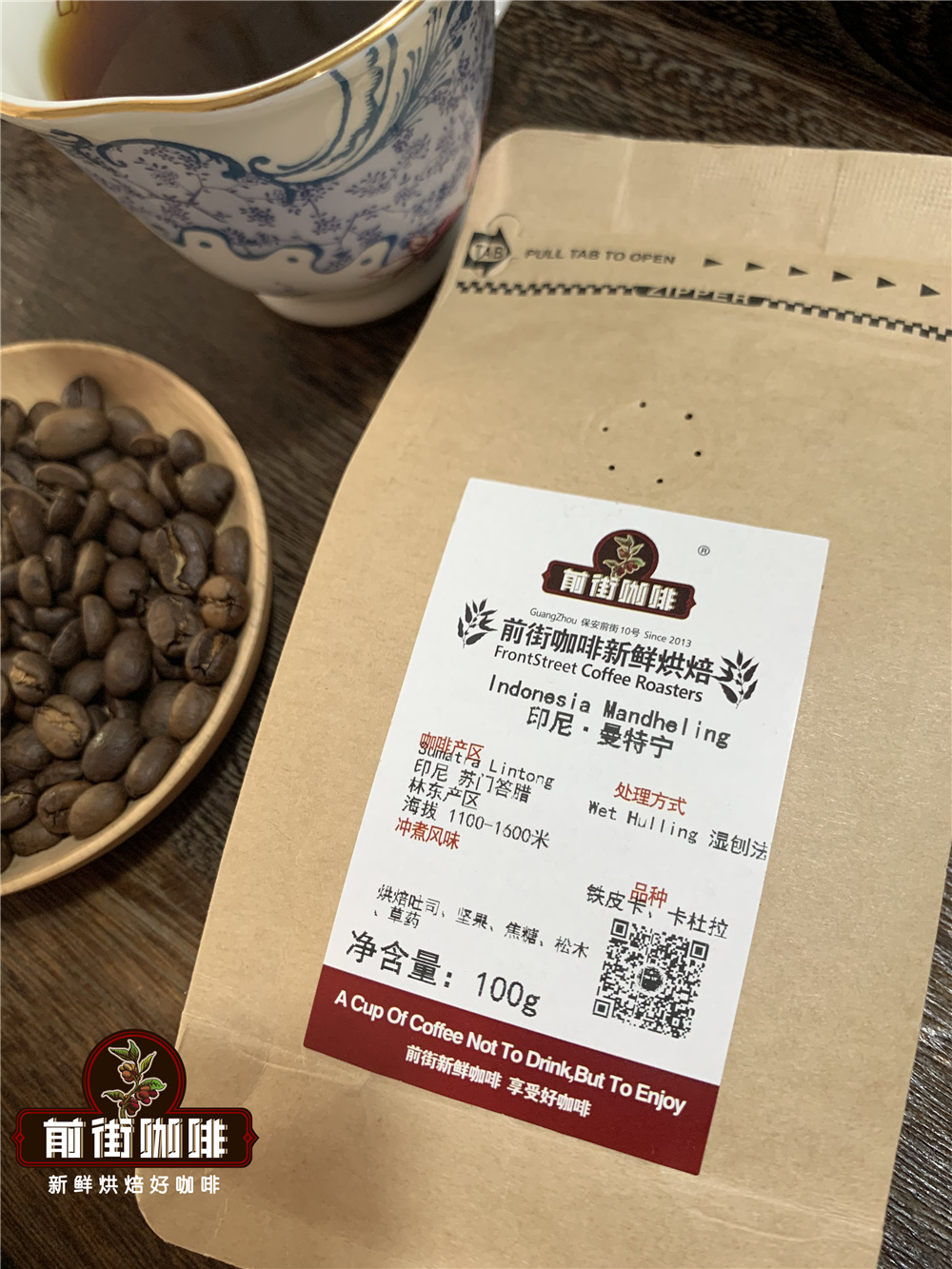
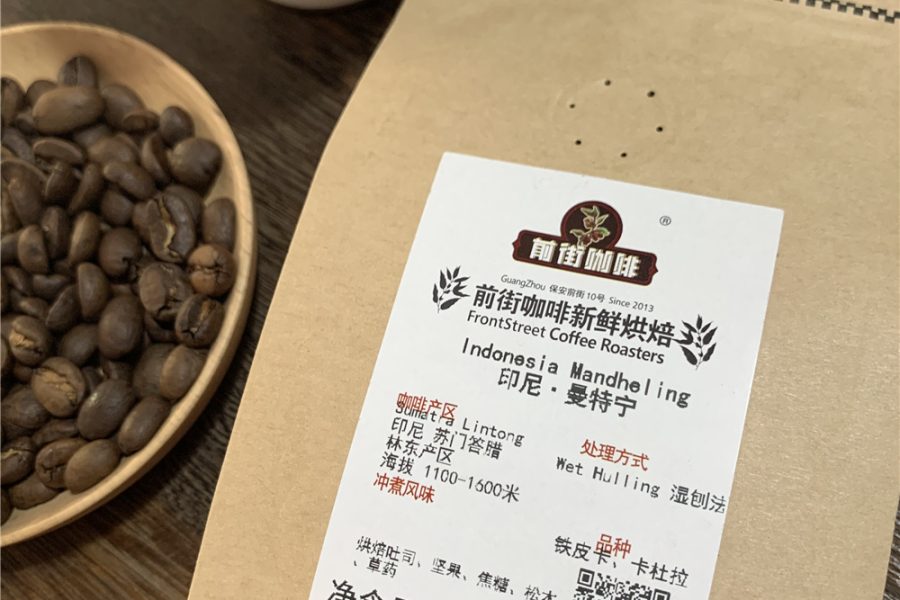
Indonesia (bean ★★★★★/acidity ★★) is a global model of Robusta-Arabica hybridization, and its Sumatra Mandheling region uses a unique semi-washed plus wet-hulled process. By quickly removing the mucilage layer and flattening the green beans, drying is accelerated while the composite flavors of earth, herbs, and dark chocolate are intensified. Be careful to identify authentic 'Lintong region' Mandheling, whose citrus brightness is higher than that of ordinary Sumatra beans.
As the world's second-largest producer, Vietnam (bean ★★/acidity ★★★) grows Robusta for more than 95% of its crop. Its high caffeine content brings a strong bittersweet finish, suitable for making espresso bases. The small amount of Arabica grown in the northern highlands has a soft caramel aftertaste, but yields are scarce.
The Middle East's Yemen Mocha (bean ★★) is hailed as one of the world's oldest coffees,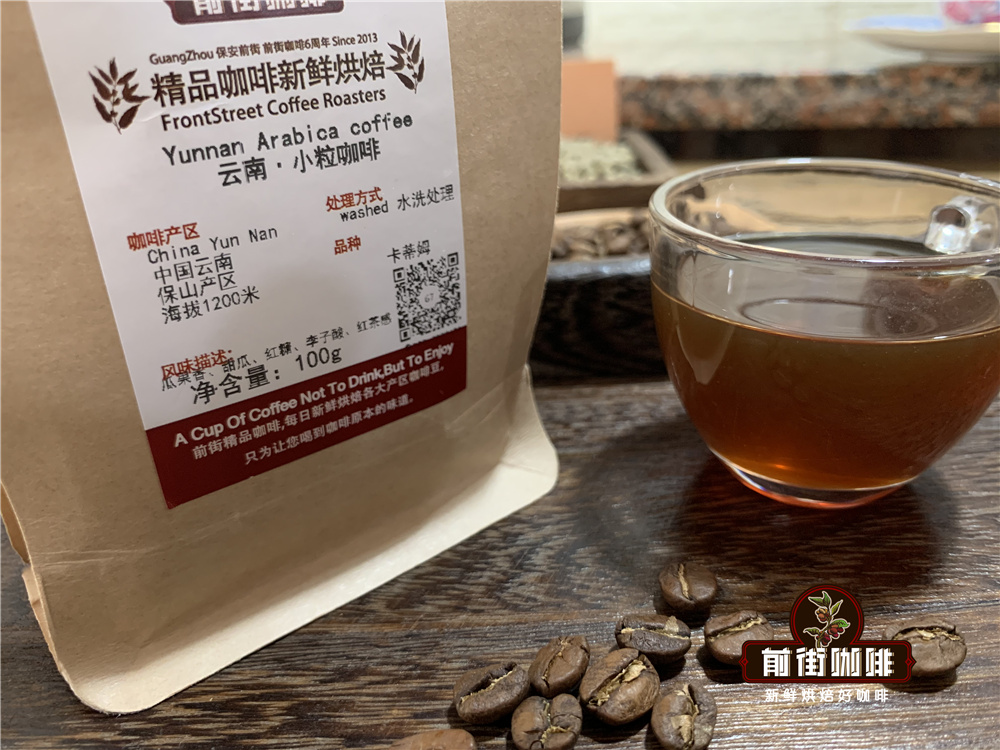 and its almond and red-wine-like fermented acidity comes from the high fruit density and ripeness achieved by steep terrace cultivation. Traditional sun-drying gives it rich layers of dried blueberry and dark chocolate flavors.
China's Yunnan region has emerged as a rising specialty coffee origin in recent years, with main cultivars including:
• Typica: retains the original Arabica genetics, with bright acidity but weak disease resistance
• Bourbon: prominent sweetness, often with honey and citrus notes
• Catimor (the mainstream cultivar): combines Robusta's rust resistance with Bourbon's flavor, with a balanced cupping profile
Although the Philippines and Taiwan region have limited output, their geographical microclimates create distinctive characteristics: the Cordillera mountain region of the Philippines produces rare varieties with floral aromas; Taiwan's east coast-style coffee develops bright citrus acidity due to high-altitude day-night temperature differences, while the western mountain beans show heavier nutty notes.
On the essential difference between blended coffee and single-origin coffee:
Single-origin coffee emphasizes the pure expression of a single origin/variety, such as Mandheling or Yirgacheffe, and is suited to highlighting regional characteristics through methods such as pour-over.
Blended coffee (Blend) is a mix of beans from different origins in proportions set by the roaster according to a recipe, originally designed to balance the flavor flaws of commercial coffee. Modern specialty blends deliberately combine complementary origins (such as a Brazilian base bean plus Ethiopian natural beans) to ensure a smooth body while adding flavor complexity, and are common in the classic recipes of chain coffee shops.
Buying advice: first-time Asian bean drinkers can prioritize Indonesian wet-hulled beans or Yunnan Catimor to experience the thick body and low acidity; more advanced enthusiasts might compare the differences between the ancient processing methods of Indian Monsoon beans and Yemen Mocha. Pay attention to the roast date; Asian beans are usually at their best 2-4 weeks after roasting.