Coffee Variety Guide: Flavor Differences and Growing Notes from Typica to Gesha
Introduction: Understanding coffee varieties not only helps you choose beans that better suit your taste but also gives you a deeper grasp of what lies behind flavor. This article introduces the most important varieties in the Arabica family, including classics such as Typica, Bourbon and Gesha, as well as special types such as Timor hybrids and F1 hybrids. By comparing their flavor characteristics, growing adaptability and disease resistance, it helps you make more informed decisions when buying coffee.
In the coffee world, the influence of variety differences is no less than that of grape types in wine. Although ordinary consumers may have heard only slightly of star varieties like 'Gesha', those truly in the know can read the potential flavor direction of a coffee from its variety information. Variety not only determines the basic flavor tone of coffee—for example, Typica is known for its bright acidity, while Gesha is famous for its floral and tea-like notes—but also affects key factors such as growing difficulty and disease resistance.
Why is variety so important? For ordinary enthusiasts, knowing varieties can help you screen coffee beans according to personal taste preferences; for roasters, the physical characteristics of different varieties, such as density and moisture content, directly affect roast curve settings; from an industry perspective, the crisis of genetic diversity in Arabica coffee is imminent. At present, only about 125 major Arabica varieties remain worldwide, most of which have the flaw of weak disease resistance.
First, let us clarify a few basic concepts: the genus Coffea contains more than 100 species, but commercial cultivation is mainly concentrated in three species: Arabica (about 70% of global production), Robusta (about 30%) and Liberica. The specialty coffee sector almost exclusively uses Arabica because it has richer flavor layers. Variety specifically refers to cultivated variants under the same species; for example, Typica and Bourbon are both important Arabica varieties.
Let us focus on several iconic Arabica varieties: Typica, as one of the oldest surviving cultivated varieties, originated in Yemen. Its characteristics are an elongated bean shape, relatively low yield, and high susceptibility to leaf rust. This variety usually produces coffee with clear citrus acidity and a soft body, but in humid environments it is extremely prone to rust infection. It is currently mostly found in Central American and Asian producing regions above 1,500 meters in altitude.
The Bourbon variety was produced by natural mutation from Typica, and its leaf and fruit arrangement differs from the parent (showing a dense elliptical arrangement). Bourbon coffee is known for high sweetness and caramelized flavors, commonly with berry notes, but it likewise faces the shortcoming of weak disease resistance. This variety performs excellently in Burundi, Rwanda and high-altitude regions of Latin America, and its ripe fruit shows the iconic red fruit color (some mutant types are Yellow Bourbon).
Ethiopian heirloom varieties represent the most primitive genetic diversity. These wild or semi-cultivated plants, which have not undergone artificial selection, contain a large number of undeveloped flavor genes. When a product is labeled 'heirloom', it usually means the beans come from native Ethiopian forests or small family farms. Such coffee often carries unique regional floral aromas and fermented notes, but quality consistency is harder to control.
The Timor hybrid is a special case. It was born from a natural cross between Arabica and Robusta and inherited Robusta's leaf rust resistance, but it also brought a rougher mouthfeel and lower cupping scores. This type of hybrid is commonly found in Southeast Asia, and some producers use it for disease-resistant rootstock cultivation.
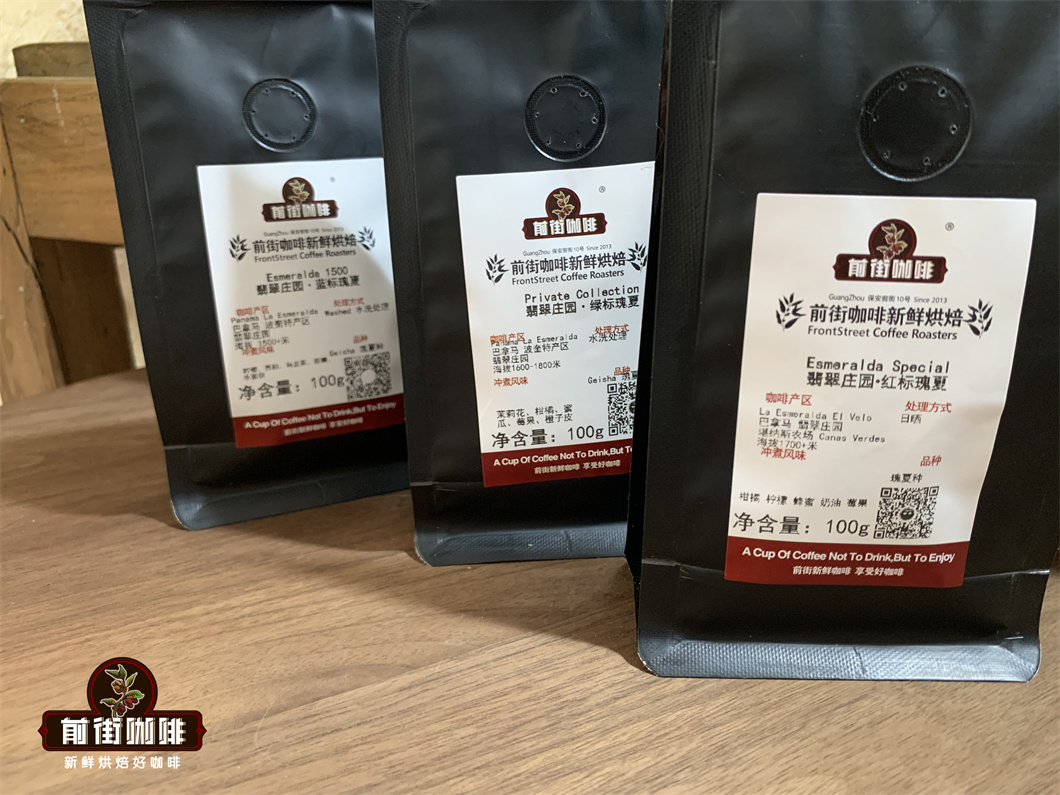
The legend of Gesha (Geisha) began with its explosive performance at Hacienda La Esmeralda in Panama in 2003, and it has now become a benchmark variety in specialty coffee. This variety, native to the southern highlands of Ethiopia, requires an altitude of at least 1,400 meters to display its signature complex aroma of jasmine, peach and bergamot. It should be noted that Gesha is extremely demanding regarding its growing environment, and in unsuitable regions it may suffer reduced yield or even plant death.
F1 hybrids represent a breakthrough in modern breeding technology. Through hybrid pollination controlled in the laboratory, new varieties have been cultivated that combine high yield, strong disease resistance and high-quality flavor, such as Centroamericano, widely planted in Central America. Such varieties are usually propagated asexually through tissue culture techniques to ensure that every seedling inherits all the excellent traits of the mother plant, but the corresponding production cost is higher, and the market price is usually 2-3 times that of conventional varieties.
For coffee lovers, practical tasting is the most direct way to learn: try comparing different varieties grown in the same producing region (such as Colombia's Caturra vs Castillo), or the performance of the same variety at different altitudes (such as Gesha from Yirgacheffe, Ethiopia, vs an ordinary lot grown at low altitude). Record your impressions of dimensions such as brightness of acidity, persistence of sweetness and thickness of body. This will significantly deepen your understanding of coffee terroir.