Global Coffee Harvest Season Guide: Yunnan Small-Bean Region

Introduction: Learn the best harvest times for coffee beans across different regions and understand the unique terroir characteristics of Yunnan small-bean coffee. This article explains the biological differences between the two major varieties, arabica and robusta, compares the quality impact of dry and wet processing, and analyzes in depth the refined operational standards of hand picking, helping coffee lovers understand from the source how quality coffee comes into being.
Coffee trees usually take 3 to 4 years to enter the fruiting stage, with an economic lifespan of about 20 to 25 years; some well-managed plants can even bear fruit for a century. Among mainstream cultivated varieties, arabica leaves are about 15 cm long and typically oval; robusta leaves are broader, soft ovate or pointed, and deep green with a glossy sheen.
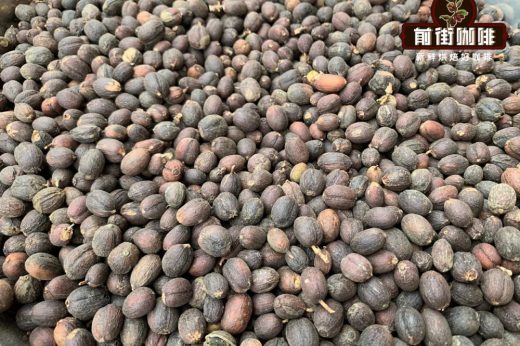
The primary processing method of coffee beans directly affects the final flavor expression. The dry method is mostly used for medium- and low-quality beans, drying whole cherries in the sun directly; Ethiopia and Brazil are the main regions where it is applied. The wet method requires steps such as flotation to remove debris and pectin fermentation; more than 70% of the world's arabica beans use this process, and some high-quality robusta also uses it to improve cleanliness.
Because coffee fruit ripeness varies significantly, specialty coffee must rely on manual harvesting. About 75% of the world's coffee is arabica, but only 10% of that meets specialty coffee standards. When "single origin" is mentioned, it refers to beans from an independent region that have not been blended with other origins.
There are two typical harvesting models in practice: strip picking (also called combing) removes all fruit at once with tools, including both manual selection and mechanical operation; selective picking requires pickers to revisit multiple times within an 8-10 day cycle and pick only fully red, ripe cherries. The labor cost of the latter is more than 40% higher than the former; it is currently mainly used for high-quality arabica varieties at high altitudes, especially lots requiring refined washed processing.
Yunnan, China's core small-bean coffee region, has its growing belt concentrated in the dry-hot river valley areas between 15° and 21° north latitude. In places such as Pu'er and Baoshan, a day-night temperature difference of 8-10°C creates bright acidity and rich floral and fruity notes in the fruit. The local main variety, Catimor, belongs to the arabica hybrid line, but improved cultivation techniques have given it a distinctive full-bodied mouthfeel.
Professional growers advise: observing changes in fruit color is key to judging harvest timing—ripe cherries should be uniformly deep red with a slight gloss on the skin. Picking too early leads to imbalanced sourness and astringency, while overripe fruit easily develops fermented off-flavors. For home roasters, knowing the harvest months of a region (for example, Yunnan usually from October to December) helps in planning purchasing cycles for fresh bean sources.