Yunnan Blue Mountain-Style Beans: Origin, Processing and Pour-Over Guide

Introduction: An in-depth analysis of the often-misunderstood Yunnan Blue Mountain-style coffee beans, from authenticity identification to flavor characteristics. Combining Jamaica Blue Mountain standards with the realities of the Yunnan growing region, it explains the variety's traits, processing methods and optimal extraction approaches, helping coffee lovers see through common market misconceptions and grasp the true character and brewing essentials of these high-priced beans.
In the coffee world, few categories can be named after their place of origin, and Blue Mountain coffee is undoubtedly the most legendary of them. True Blue Mountain coffee must pass the strict standards set by the Jamaica Coffee Industry Board—from growing altitude (910–1700 meters) and microclimate conditions to green bean defect rate (no more than 3%). After layer upon layer of screening, only about 30% of the fruit meets certification requirements, and only then may the government issue a certificate of guarantee allowing the name "Blue Mountain." This almost ruthlessly strict quality-control system has created its irreplaceable position in the global coffee market.
As for flavor, the most distinctive feature of Blue Mountain coffee is the ultimate balance of its four major flavor dimensions: acidity, bitterness, sweetness and body. Unlike a single dominant acidity or heavy body, it is like a carefully orchestrated symphony: bright citrus-like acidity skims lightly across the tongue, immediately wrapped by a silky nut and chocolate finish, with sweetness running through from start to finish. This harmony makes it the ultimate pursuit of black coffee lovers, and direct extraction better reveals its true layers.
The current market, however, is full of misconceptions. Data show that more than 90% of authentic Blue Mountain coffee is sold to the Japanese market, and most cafés in China that advertise "Blue Mountain" are actually serving blends or imitations. Consumers need to be wary of two major traps: first, products claiming to be "Blue Mountain blends," whose ingredients actually have no connection to Jamaica Blue Mountain; second, the price trap—Blue Mountain beans land at about 800 yuan per kilogram, and after tariffs and channel costs, a reasonable price should be far above 100 yuan per cup. Products priced at just a few dozen yuan clearly defy basic logic.
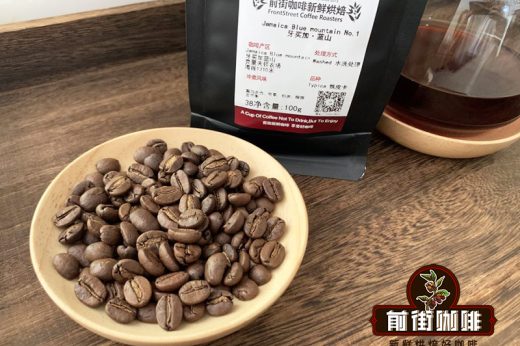
Authenticity can be identified from five dimensions: observe the green bean form—authentic Blue Mountain green beans are blue-green, medium-small in size with slightly upturned ends, and expand plumply after roasting; in hand-grinding experience, high-altitude growth gives them a loose cell structure, and grinding conveys a distinct crisp, continuous feel; at the aroma level, quality Blue Mountain beans release a rich, dense compound aroma of nuts and caramel as soon as the bag is opened, while blend beans often carry off-notes or aroma gaps; taste verification is the most critical—true Blue Mountain is balanced on entry with nothing jarring, all flavor elements coexisting harmoniously, and although the peaberry version is more restrained in aroma, it has a more pronounced body; finally, there is the overall impression—the satisfaction brought by top-grade Blue Mountain often transcends taste itself, forming a unique psychological resonance.
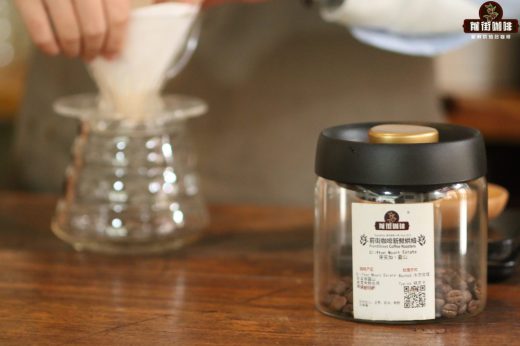
Although Yunnan does not produce authentic Blue Mountain, some estates have launched "Blue Mountain-style beans" with similar balanced characteristics by simulating the growing environment (such as altitudes above 1500 meters and shade cultivation) and processing methods (controlling washed fermentation time at 18–24 hours). These beans mostly use Typica or Bourbon variants and, after medium-light roasting, present soft fruit acidity and a clean finish, suitable for pour-over enthusiasts who have a limited budget but want to experience the Blue Mountain style. Recommended extraction parameters: coffee-to-water ratio 1:15–1:16, water temperature 90–92°C, grind size between medium-fine and fine (75%–80% passing a Chinese standard No. 20 sieve), using a three-stage pouring method to highlight the layers.
For ordinary consumers, when purchasing, be sure to look for authoritative certification marks and import customs documents. If seeking value for money, pay attention to specialty beans from high-altitude Yunnan regions; although they do not have Blue Mountain lineage, through scientific cultivation and meticulous processing they can likewise deliver surprisingly good flavor performance. Remember, true Blue Mountain is not only a gustatory pleasure but also a symbol of the pursuit of the ultimate quality in coffee.