Colombian Coffee Explained: Growing Conditions, Flavor and Processing

Introduction: Have you ever wondered where Colombian coffee's distinctive flavor comes from? This article takes an in-depth look at the growing conditions for Colombian coffee and its coffee bean varieties, explains its processing in detail, and also breaks down the common flavor characteristics of Colombian coffee. By reading it, you can fully understand why Colombian coffee is so highly acclaimed in the coffee world and pick up practical information about coffee knowledge.
The history of coffee is long and stretches back to the northeastern part of the African continent, which is present-day Ethiopia. Legend has it that a herder named Kaldi discovered that his goats became unusually lively after eating the red cherries of a particular plant, and he shared this with the local monastery. After the monks tried it, they found that the cherries kept them awake during nighttime prayers, and through steps such as roasting and grinding, coffee as it is widely known today came into being.
In 1735, Jesuit missionaries brought coffee seeds to Colombia and planted them at a community seminary in the city of Popayán.
The main difference between Colombian coffee and other coffees lies in its growing conditions. The coffee beans here are all Arabica beans, which are of relatively higher quality. What truly makes Colombian coffee stand out is its unique growing environment; factors such as altitude, soil and sunlight work together to give the coffee beans their distinctive flavor.
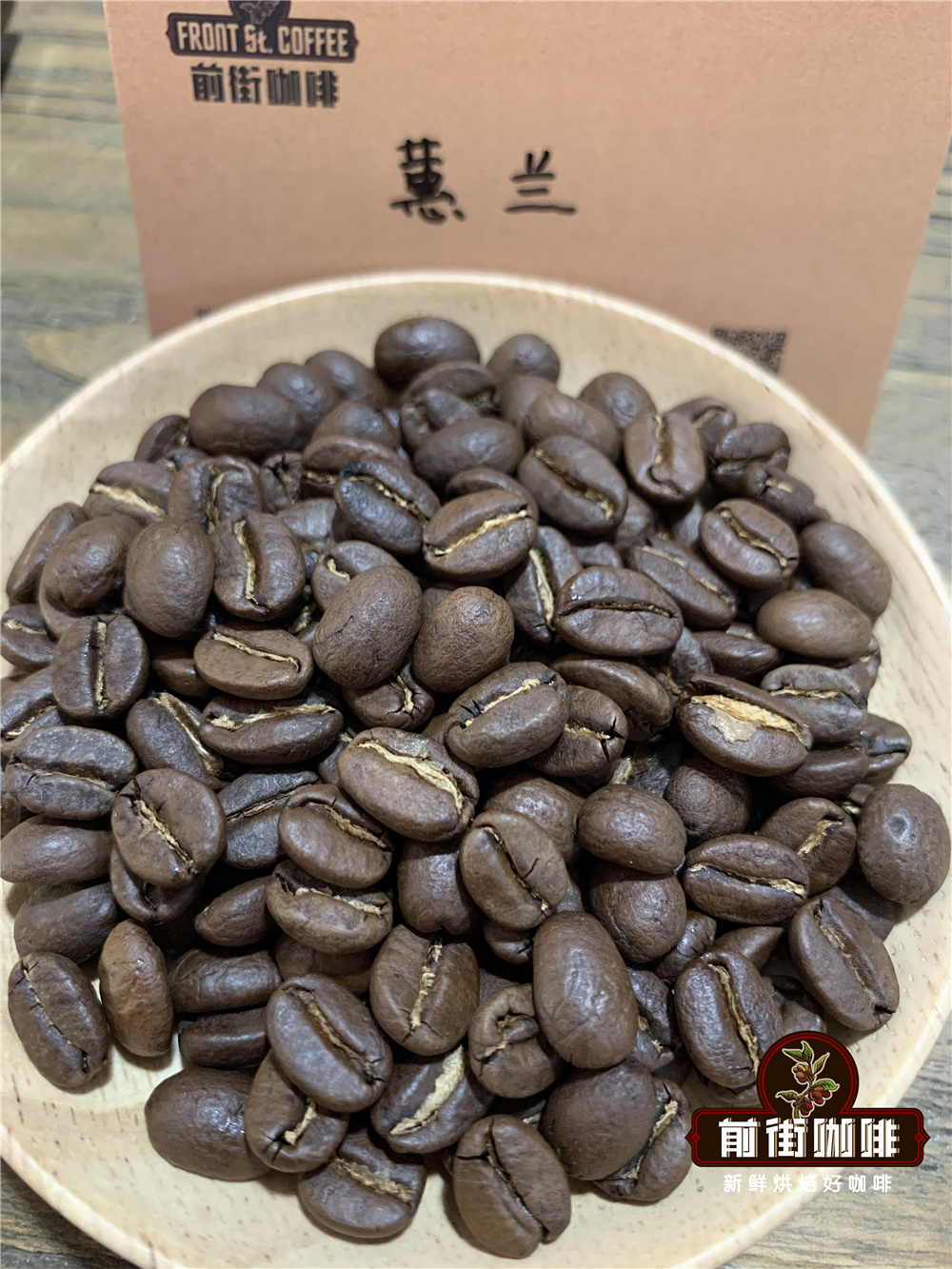
Within the Coffea genus of flowering plants in the Rubiaceae family, there are mainly two kinds of beans used to make coffee: Robusta and Arabica. Arabica coffee beans are of higher quality, sweeter in taste and gentler in bitterness, and can deliver a richer flavor experience, such as the sweetness of fruit, berries and sugar, along with deeper coffee flavors. Robusta coffee beans taste stronger and darker and are considered inferior beans; they are easier to grow, but their flavor profile is relatively simple. Robusta coffee beans are round, while Arabica coffee beans are oval. Robusta coffee beans may have a burnt or even rubbery taste because their caffeine content is twice that of Arabica beans. Robusta mainly comes from the Coffea canephora plant and is mostly grown in Brazil and parts of Africa, and is often used in blends to make caffeinated beverages such as instant coffee. Arabica coffee grows on the Coffea arabica plant and is mainly found in tropical climates along the equator, in Central America and in parts of Africa; it needs special conditions to grow well, and after processing it has flavors such as fruit, berries, chocolate, caramel and nuts along with moderate bitterness, and a superior mouthfeel. It accounts for more than 60% of the international coffee trade, while Colombia grows only Arabica coffee.
Growing conditions have a significant impact on coffee flavor. Because growing conditions differ from country to country, coffee beans taste different as well; even when the same variety of coffee bean is grown, different growing conditions can lead to vastly different flavors. This is also why Colombian coffee is famous in the coffee world: it has excellent conditions for growing high-quality coffee, with high altitude, fertile soil, abundant sunshine and ample rainfall.
First, Colombian coffee grows at a suitable altitude. Generally speaking, between 1,200 and 1,800 meters above sea level is the ideal altitude range for producing high-quality coffee, which converts to roughly 0.74–1.11 miles. Colombia happens to have such altitude conditions, and combined with other growing factors, they are very well suited to coffee cultivation. At high altitudes, the growth cycle of the coffee plant slows down and the coffee beans take longer to mature, which allows the beans to accumulate more flavor compounds and form complex sugars. Moreover, coffee plants at high altitudes have better drainage, so the plants absorb less water; the coffee fruit is smaller and has lower water content, which turns the coffee cherries and beans into flavor-packed "flavor bombs," much as dry-aged steak has a richer flavor than ordinary steak.
Second, Colombia has fertile volcanic soil. Coffee plants, like other plants, need soil rich in minerals and nutrients to reach their full potential. Colombia's volcanic soil was formed from volcanic deposits; although people generally think volcanoes may bring harm, volcanic soil is in fact fertile and nutrient-rich, and very suitable for plant growth. Coffee beans produced by coffee plants grown in volcanic soil have a smooth mouthfeel, lower acidity and a more intense flavor.
Third, Colombia has the perfect temperature, rainfall and sunlight conditions for coffee cultivation. The optimal temperature for coffee tree growth is between 21 and 22 degrees Celsius, with about 1,800 hours of sunshine per year and about 1,500–2,000 mm of rainfall. Here there is a naturally humid climate with indirect sunlight, like a natural greenhouse, with temperatures suitable for coffee tree growth. If the temperature is too high and the sunlight too intense, it is best to grow coffee trees under shade trees; the trees can provide shade in the dry season and lower the temperature around the coffee trees. According to the Colombian Coffee Growers Federation, about 40% of Colombia's coffee beans are grown this way.

The processing of Colombian coffee is also quite distinctive. Although Arabica coffee is of high quality, it is more difficult to grow; it needs the high-altitude environment of the Colombian mountains, where there is volcanic soil, warm tropical temperatures, ample rainfall and sunshine, to harvest high-quality coffee cherries. Because Colombia's coffee farms are located on steep mountain peaks, the coffee cultural landscape is unique, and machinery is difficult to operate there; moreover, mechanical operation would damage the branches of the plants and could not distinguish ripe beans from unripe beans, among other things. When producing high-quality coffee, these factors are crucial. Therefore, the coffee beans here are basically picked by hand, and nearly 600,000 coffee producers in Colombia all use hand-picking to ensure the quality of every coffee bean. In addition, all the beans are wet-processed, that is, water is used to separate the pulp from the seed. This method produces a cleaner, brighter, more fruity coffee, which is very well suited to the fruity Arabica coffee beans grown in Colombia.
Colombia is the world's third-largest coffee producer and the world's largest producer of mild coffee, and the coffee it produces is of excellent quality. The largest export destinations for Colombian coffee include the United States, Germany, Japan and Switzerland.
Common flavor characteristics of Colombian coffee include cola, cherry, orange, vanilla, chocolate, floral and apple flavors. When you taste a cup of Colombian coffee, take note of these flavors and experience its unique charm.