Coffee Beans vs. Ground Coffee: Which Stays Fresher for Pour-Over?
Introduction: When brewing coffee at home, choosing between whole beans and ground coffee is a common question many beginners face. This article analyzes the core differences between the two from the perspectives of flavor retention, storage duration, and ease of use, and offers practical tips for extending freshness. By comparing experimental data and everyday brewing experience, it helps you find the coffee form that suits you best.
More and more coffee enthusiasts are starting to make drinks at home. Once the coffee machine and pour-over equipment are ready, a key decision often comes up at the purchasing stage: buy whole coffee beans, or choose the more convenient ground coffee? These two forms each have their own characteristics and significantly affect the final flavor and storage method.
Three core advantages of coffee beans
First, whole coffee beans preserve the original flavor to the greatest extent. Roasted coffee beans are full of tiny pores inside, and these structures act like natural "aroma warehouses," continuously releasing oils and aromatic substances. Compared with the pre-ground powder form, whole beans can increase the retention rate of flavor substances by about 40%.
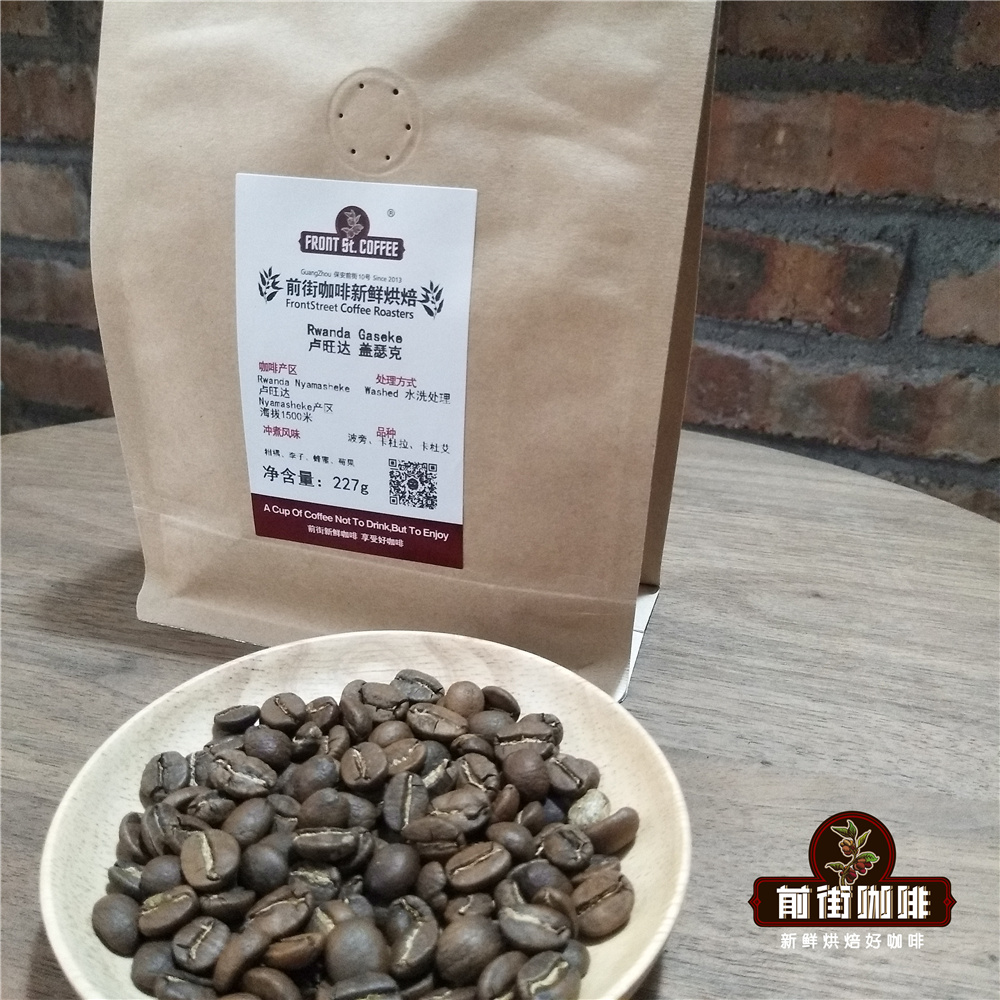
Second, whole beans are significantly more resistant to moisture. Once coffee is ground, its surface area increases hundreds of times, greatly increasing its contact area with moisture in the air. Laboratory data shows that under the same storage conditions (temperature 22°C/humidity 65%), coffee beans can stay fresh for 3-4 weeks, while ground coffee usually shows obvious oxidative deterioration within 1-2 weeks.
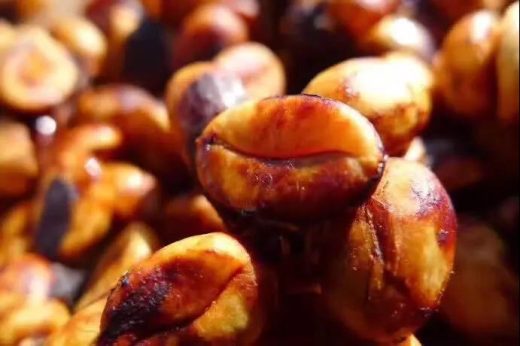
Finally, judging the freshness of whole beans is more intuitive. Similar to observing the texture of fresh meat, plump and glossy coffee beans can be preliminarily assessed for quality through their appearance, color, and oil layer, while it is difficult to tell the quality of the raw material once it has been ground into powder.
Points to note when using coffee beans
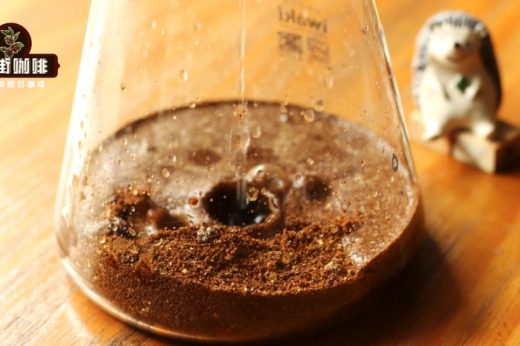
The main inconvenience is the extra grinding step. It is recommended to adjust the grind size according to the brewing method: medium-coarse grind for pour-over coffee (similar to fine sugar texture), coarse particles for French press (like sea salt grains), and extra-fine powder for espresso (close to flour texture). If you do not have a grinder at home, you can prioritize buying a coffee machine with a grinding function.
The practical value of ground coffee
Its biggest advantage is convenience. For office workers with tight morning schedules, pre-ground coffee paired with a simple filter cup allows basic brewing to be completed within 3 minutes. But special attention is needed: ground coffee should ideally be used up within 7 days after opening, and it must be stored in an airtight container (the best choice is a container with a one-way exhaust valve).
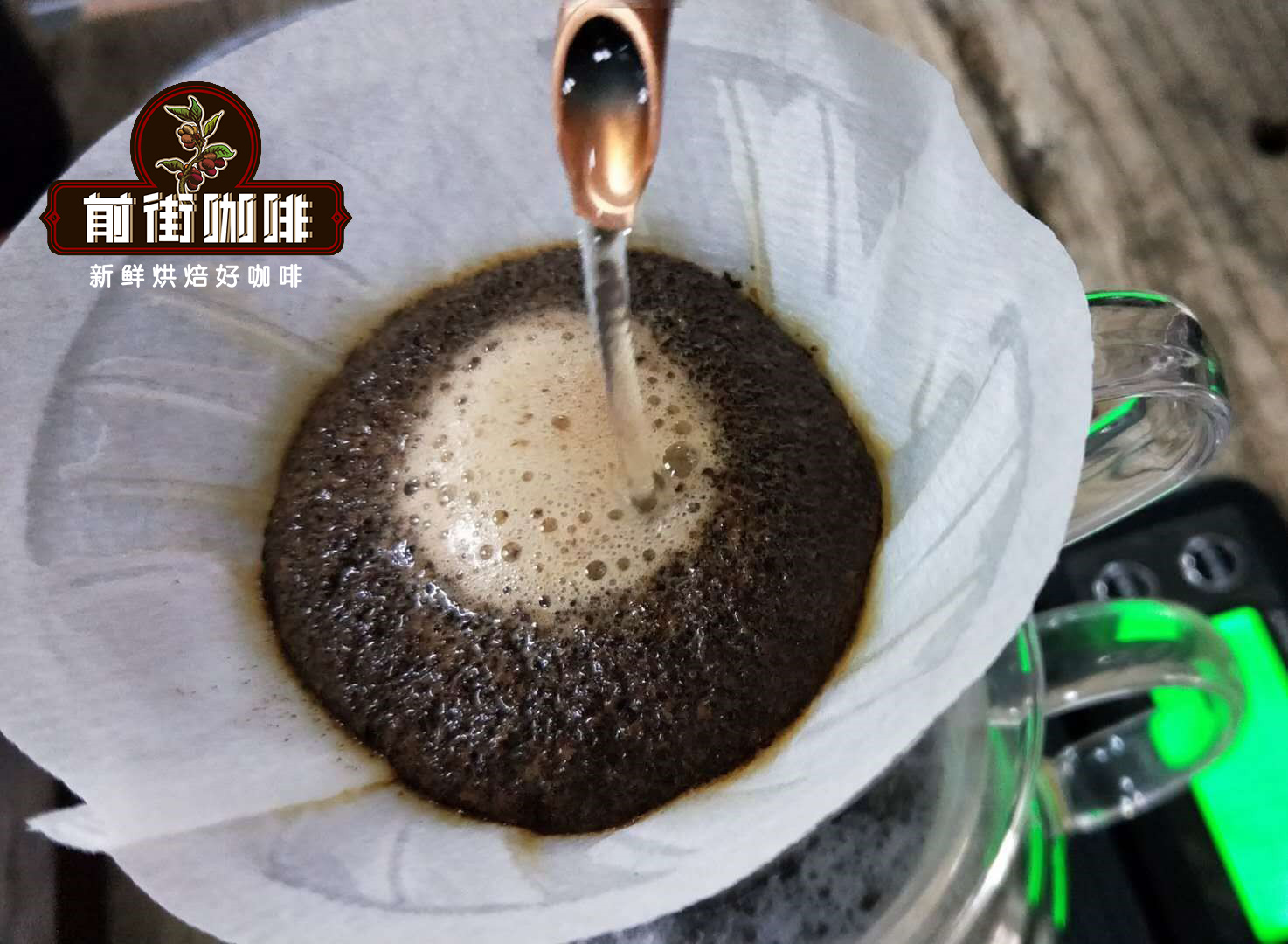
In terms of quality control, after ground coffee is exposed to air, aromatic substances are lost at about 15% per hour. If you notice weak aroma, a thin mouthfeel, or an obvious rancid oil smell during brewing, it usually means it has been over-oxidized. It is recommended to choose small-pack products (single serving ≤20g) and avoid storing ground coffee from different origins together.
Professional advice and solutions
Overall comparison shows: users pursuing the ultimate flavor should prioritize freshly roasted whole beans, as grinding right before use delivers the best extraction results. If you really need to prepare in advance, you can divide the ground coffee into multiple airtight bottles, store each day's portion separately, and label the dates. Whichever form you choose, it must be kept away from light in a cool place (ideal temperature below 20°C), away from environments with large humidity fluctuations such as the refrigerator.