Pour-Over Blue Mountain Coffee Guide: Water Temperature and Jamaican Certification
Introduction: Blue Mountain coffee is famed worldwide for its distinctive flavor, but the brewing method that truly brings out that flavor is little known. This article takes an in-depth look at the core growing-region standards for Jamaican Blue Mountain coffee beans and the differences between green and roasted beans, focuses on the most critical water temperature control parameters for pour-over brewing, and reveals the strict certification system of the authorized estates, helping you brew specialty coffee close to its original Jamaican flavor.
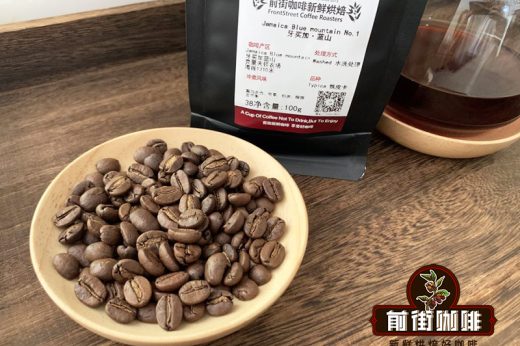
Authentic Blue Mountain coffee is not only expensive but also depends on a perfect match between bean source and processing. Among the products marketed as Blue Mountain, only a few can reproduce its distinctive flavor—the result of origin, altitude, and processing techniques working together.
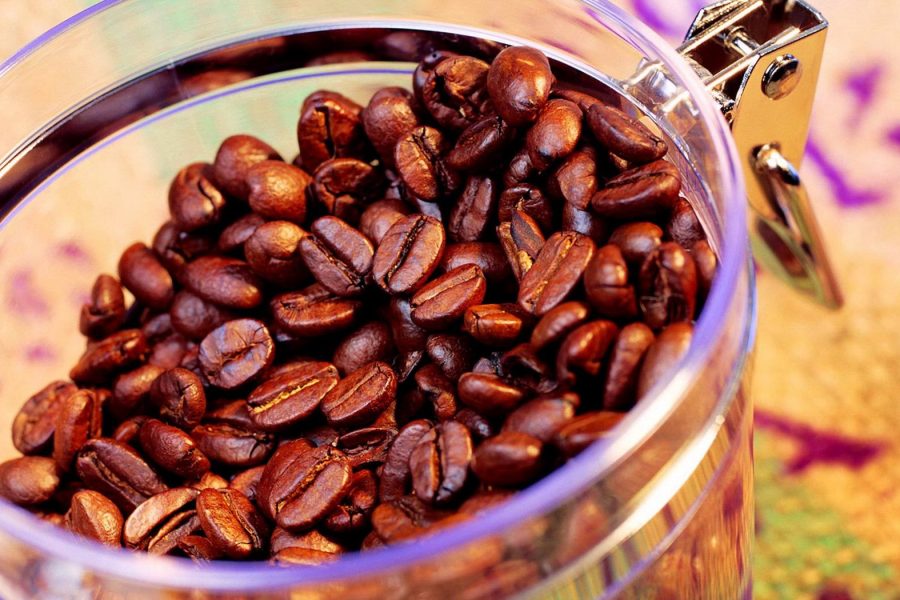
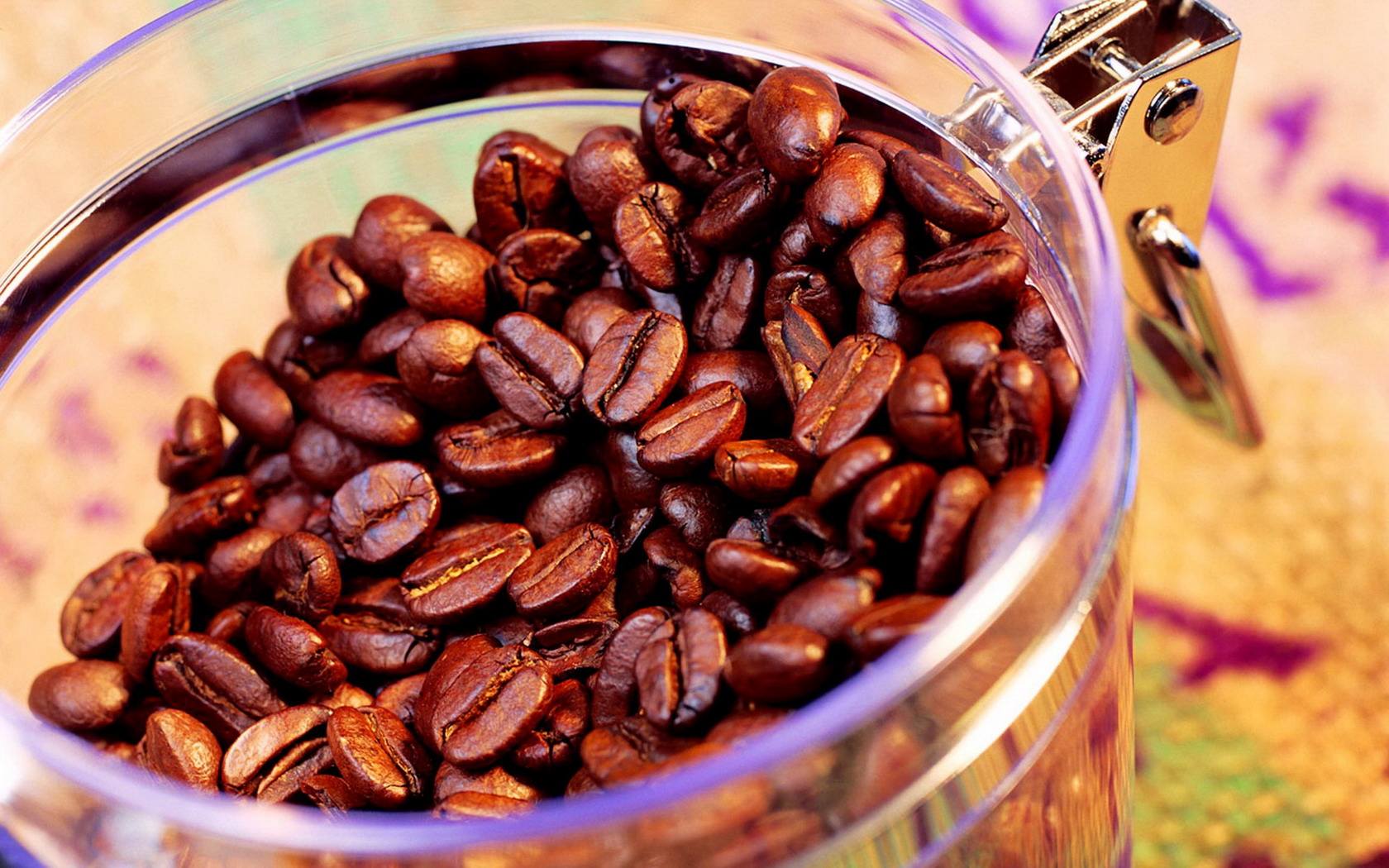
It is worth noting that for the same weight of Blue Mountain coffee, the price of green beans and roasted beans can differ tenfold. Unprocessed green beans not only struggle to express Blue Mountain's flavor layers but also carry a risk of adulteration. Experts from the Guangzhou Coffee Association point out that when trade channels lack oversight, green beans are more easily mixed with coffee from other regions.
The legally designated growing area for Jamaican Blue Mountain coffee is limited to a specific region in the east of the island, and only beans grown at altitudes of 3,000–5,000 feet (about 914–1,524 meters) meet the 100% Jamaica Blue Mountain certification standard. High Mountain Coffee grown below 3,000 feet, though it accounts for five times the output, has clearly different flavor characteristics and is often sold as a tourist specialty.
The region's highest altitude reaches 7,402 feet, but areas above 5,000 feet are no longer suitable for cultivation due to dense jungle. For this reason, altitude has become a key indicator for identifying authenticity—only beans with a certificate of origin from the Jamaica Coffee Board and bearing the official registered trademark may be called "Blue Mountain Coffee."
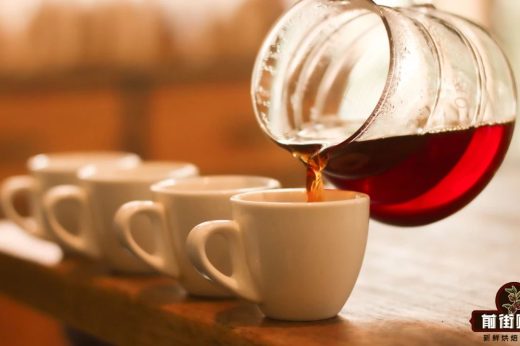
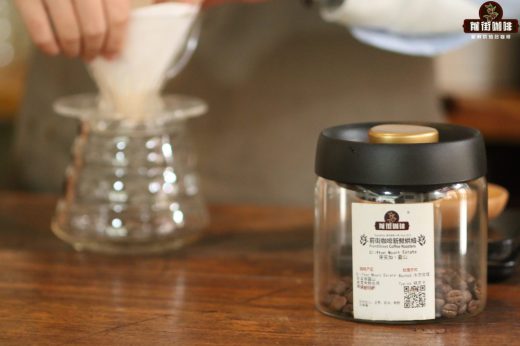
When brewing Blue Mountain coffee professionally, water temperature should be kept in the 90–92°C range. This range fully extracts the bright acidity and nutty notes that come from high-altitude growing while avoiding the bitterness caused by high temperatures. In practice, calibrate with a thermometer, keep the water flow steady when pouring, and use a three-stage pouring method: first pour 30% of the water for a 30-second bloom, then complete the remaining pours in two stages.
Blue Mountain coffee's outstanding quality also benefits from a strict estate certification system. Under Jamaica's Coffee Industry Regulation, only legally authorized estates may export under the official trademark. These estates must follow strict standards: at picking, coffee cherries must be easy to peel with a light finger press, and the proportion of unripe cherries is strictly limited to under 2%; metal or plastic containers are prohibited for storage during processing; after harvest, the beans must rest for 24 hours and undergo a water flotation test, with random density checks on each batch.
Roasting also affects the final flavor presentation. The traditional approach uses a medium roast to preserve Blue Mountain beans' characteristic sweetness and balance, but the specific parameters are trade secrets of each estate. When buying, consumers are advised to prioritize roasted beans bearing the Jamaica Coffee Board origin certification mark and to check the roast date to ensure freshness.