Kenya AA and AB Coffee Bean Grading: Pour-Over Bean Selection and Flavor Guide
Introduction: Kenyan coffee is known for its bright fruit acidity and complex layers, and the AA and AB grades in its grading system are a focus for specialty coffee enthusiasts. This article takes an in-depth look at Kenya coffee bean grading standards, the characteristics of mainstream varieties, and distinctive processing methods, while also offering professional brewing parameter suggestions to help you accurately select high-quality beans suitable for pour-over and unlock the classic flavor profile with bright berry notes.
Located along the equator in East Africa and adjacent to the Indian Ocean, Kenya has become an important producing region for high-quality Arabica coffee thanks to its high-altitude terrain, abundant rainfall, and fertile volcanic soil. The SL28 and SL34 varieties widely planted there were developed by Scott Laboratories in the 1930s—these two hybrid bean varieties combine multiple coffee genes and are not only highly stress-resistant but also known for outstanding sweetness and complexity, gradually becoming benchmarks in the specialty coffee field.
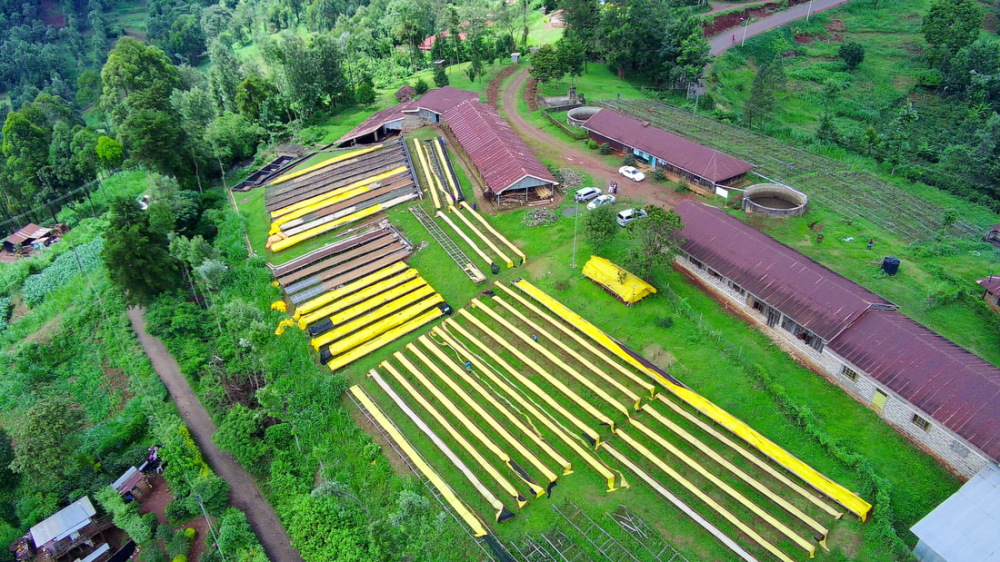
The overall flavor profile of Kenyan coffee is distinctive: lively fruit acidity (such as citrus and berries) often arrives on the entry, the mid-palate is full of sweetness, and the finish is clean and refreshing, with excellent sweet-acid balance. This unique mouthfeel is closely tied to its geographical conditions—high altitude slows the ripening of coffee cherries, allowing richer flavor compounds to accumulate; diverse microclimates also give rise to producing regions with different flavor profiles, meeting diverse needs.
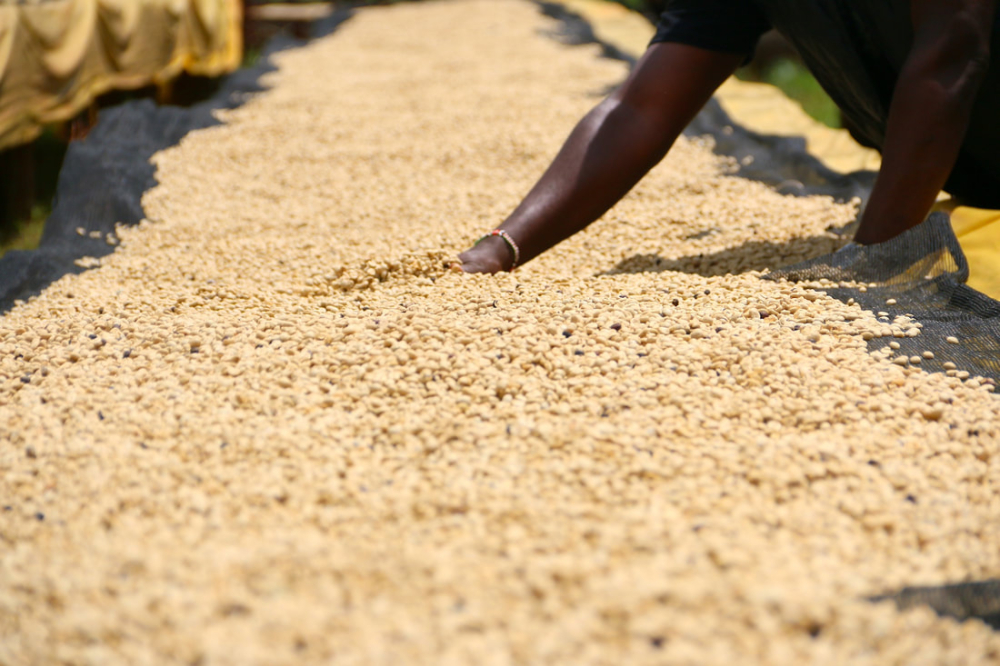
In terms of producing region distribution, Kenya's main coffee belt is concentrated in Nyeri, Kirinyaga, Ruiru, Thika, Kiambu, Muranga, and the western side of Mount Kenya. Among them, Nyeri sits at 1,200-2,300 meters, with volcanic red soil rich in minerals; the coffee beans produced there have intense fruit acidity and stable yields, and it is the most common source of the "typical Kenyan flavor" on the market. The others are mostly smallholder-operated high-altitude producing areas (1,300-2,200 meters), which rely on unique microclimates to cultivate distinctive bean varieties and ultimately flow to market through strictly screened processing plants.
Kenya's coffee bean grading system uses bean size as its core criterion, from largest to smallest: E, AA, A, AB, B, PB, C, and so on. Among them, Grade E (elephant beans) are abnormally developed fused double beans, about 7.1 mm in size, rare in quantity but unique in flavor; Grade AA is about 6.8 mm, with plump, dense beans, regarded as the highest-quality grade, with bright acidity and a full-bodied mouthfeel, making it a popular choice in the specialty coffee market; Grade AB is 6.2 mm, slightly smaller than AA but still with good flavor performance, and is especially common in the Taiwan market. Grade PB (peaberry) forms a rounded small bean (about 5-6 mm in diameter) because only a single seed develops; its flavor is more concentrated, and it is often picked out and sold separately.
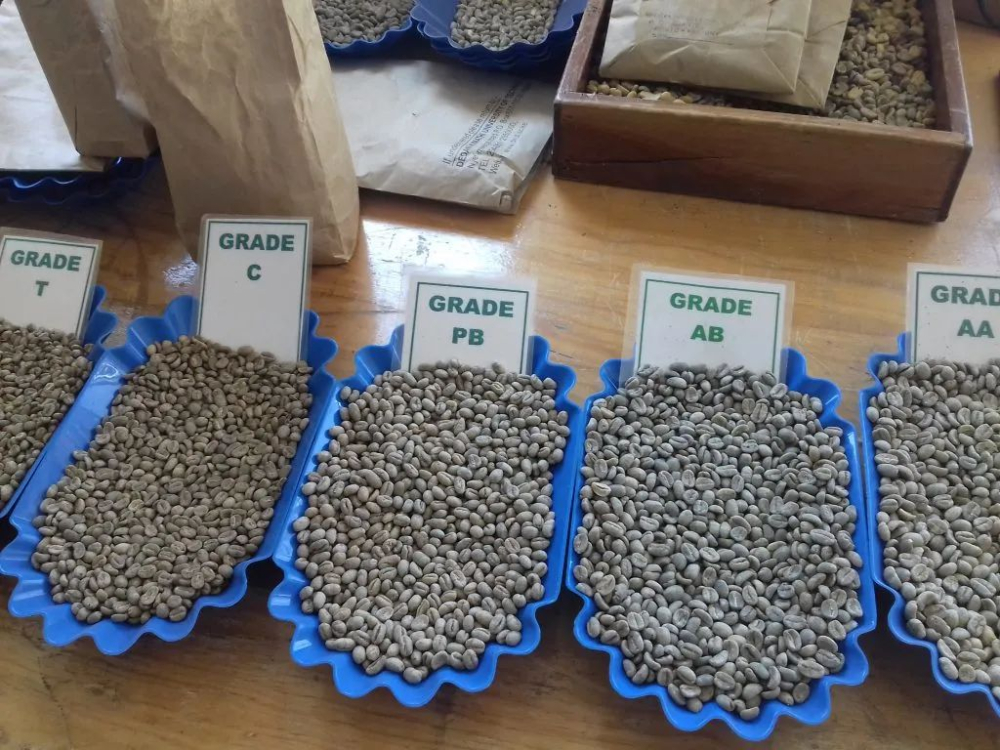
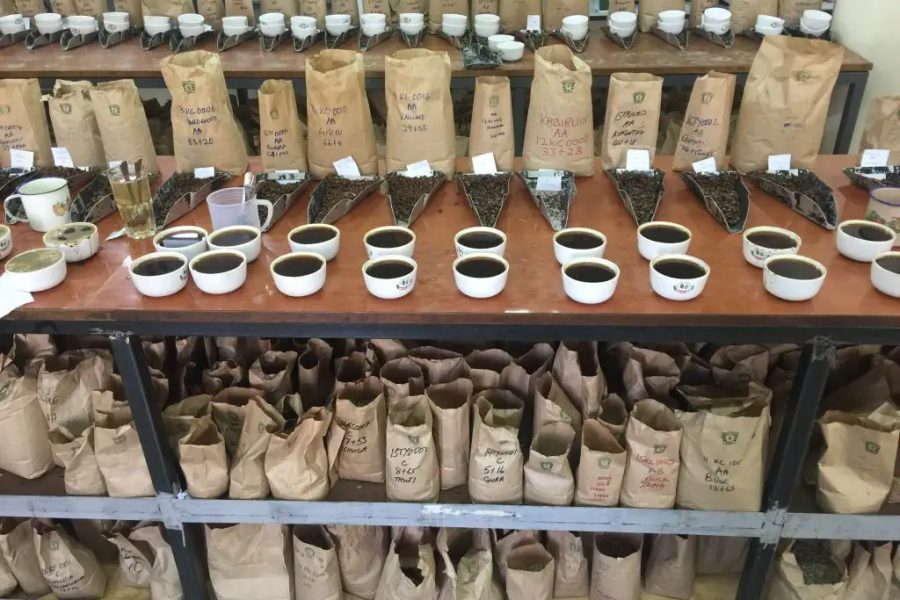
In addition to the basic grading, Kenyan exporters also subdivide beans by flavor based on cupping results, such as AA TOP, AA+, AA++, AB+, AB TOP, and AA FAQ labels. These additional grades are marked by manufacturers after their own cupping (for example, "TOP" indicates outstanding flavor). Although they are not official standards, they can provide consumers with more detailed reference—batches with the "TOP" suffix usually perform better in acidity clarity, sweetness persistence, or finish complexity.
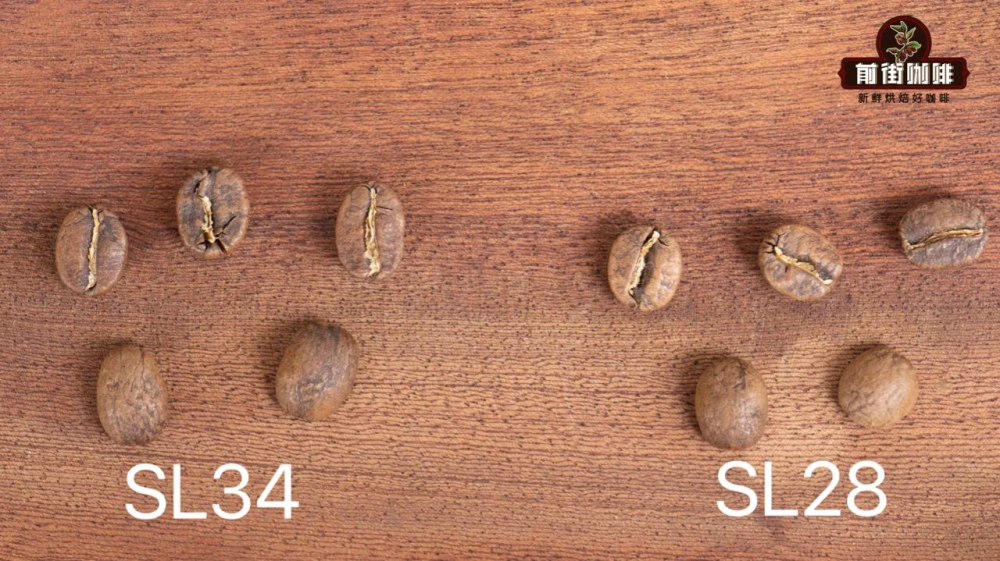
The genetic makeup of Kenyan coffee varieties is the cornerstone of its flavor. As classic varieties, SL28 and SL34 differ: the former combines the bloodlines of French missionaries, Mocha, and Yemen Typica, presenting a fresh acidity of citrus and smoked plum, with a balanced and soft mouthfeel; the latter retains similar acidity while adding a rich transition from acidity to sweetness, and the incorporation of Bourbon genes makes it more adaptable to climate change. In addition, the K7 variety that has emerged in recent years is suitable for low-altitude planting because of its well-developed root system and drought tolerance; Batian and R11 are laboratory-bred disease-resistant varieties that balance survivability and basic flavor.
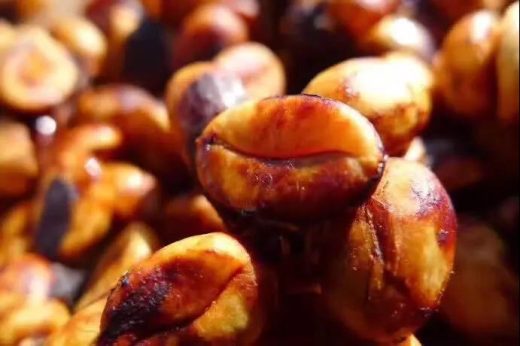
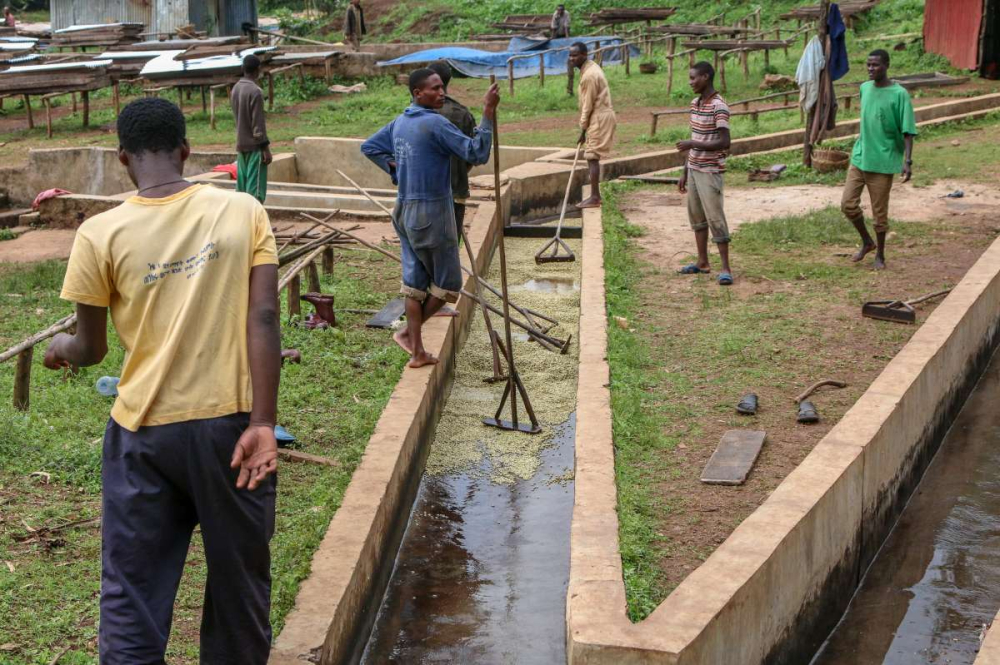
Kenya's coffee processing methods are equally distinctive. The country uses the "K72 double washed method." Unlike conventional washed fermentation (usually 24-36 hours), its total fermentation time is as long as 72 hours—the specific process is: select ripe cherries with 21 degrees of sweetness, depulp after initial screening, and soak and ferment in three stages (24 hours each, with water changed and washing in between), enhancing acidity layers and cleanliness by extending fermentation time. During this process, water quality (using clean river water) and the frequency of water changes must be strictly controlled to avoid fermentation off-flavors affecting the flavor.
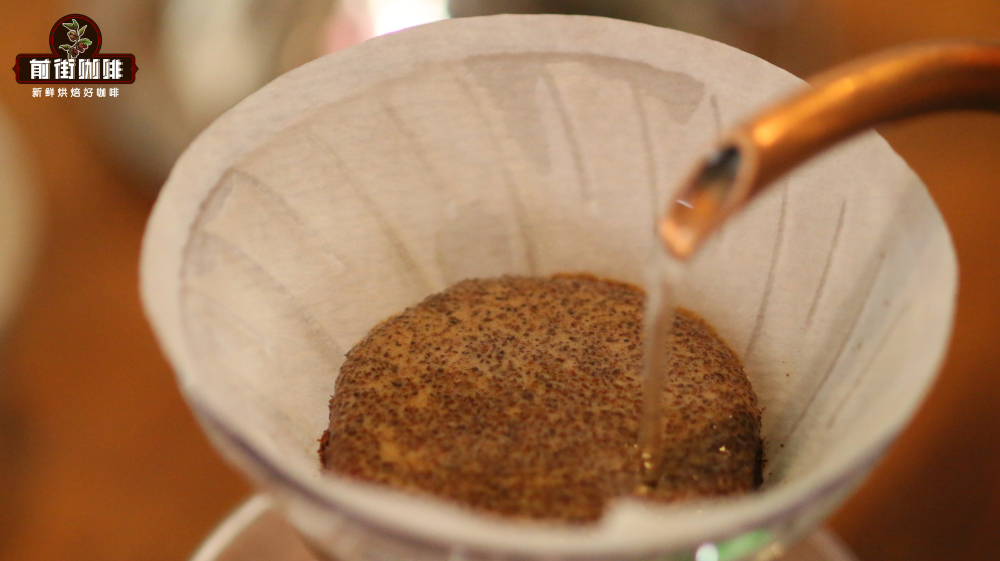
For pour-over enthusiasts, it is recommended to use Kenya AA or AB beans 4-7 days after roasting (when flavor development reaches its peak). Taking a V60 dripper as an example, the suggested parameters are: 15 grams of coffee, a coffee-to-water ratio of 1:16, and a water temperature of 90°C (avoid too high, which causes bitterness, or too low, which makes acidity sharp). The specific operation is divided into three pours: the first pour is 30 grams of water for a 30-second bloom (to release aroma); the second pour is 120 grams of water in a small circle at the center (pouring height 5 cm, gentle pouring without stirring); when the water level drops to half of the coffee bed, the third pour circles from the center outward to a total of 240 grams (flow rate about 4 grams per second), with a total extraction time of about 1 minute 50 seconds. With these parameters, the coffee will present bright berry acidity (similar to small tomato flavor), a round and full-bodied mouthfeel, and a delicate tea-like finish.