A Guide to Making Matcha Latte at Home: Flavor Analysis and Healthy Drinking Guide
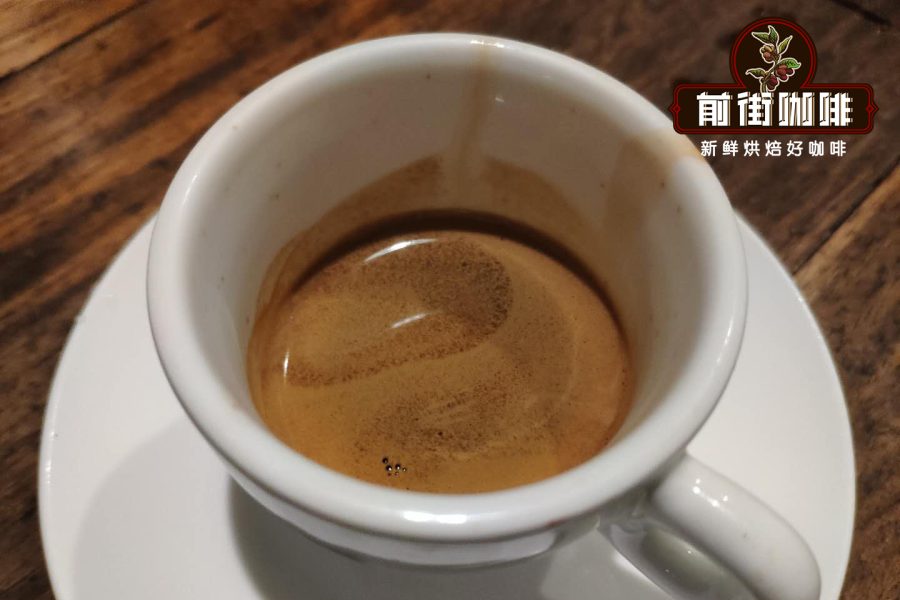
Introduction: Want to know whether matcha latte retains its pure tea aroma? Wondering whether it belongs to the coffee or milk tea category? This article details the simple steps for making matcha latte at home, analyzes its unique flavor characteristics, and takes an in-depth look at matcha's health benefits and scientific ratios, helping you precisely master the essence of this classic Japanese drink.
Matcha latte is a popular drink that blends fine matcha powder with warm milk. It is neither traditional coffee nor ordinary milk tea, but a tea drink variation with distinct East Asian characteristics. This classic combination originating in Japan has won wide popularity for its silky texture and unique tea charm. When making it at home, you only need to master the core techniques to recreate the rich layers of a professional tea room.
Making a basic matcha latte requires the following tools and ingredients: a fine tea sieve (80 mesh or finer recommended), a heat-resistant glass or ceramic cup, a dedicated tea whisk or manual egg beater, and a digital scale (preferably accurate to 0.1g). Core materials include: 3 grams of high-quality Wakatake-grade matcha powder (about one teaspoon), 15ml of 85°C purified water, 200ml of whole fresh milk, and a natural sweetener (honey/maple syrup optional). Note in particular that matcha powder should be stored away from light in a sealed container; after opening, refrigerate it to maintain freshness.
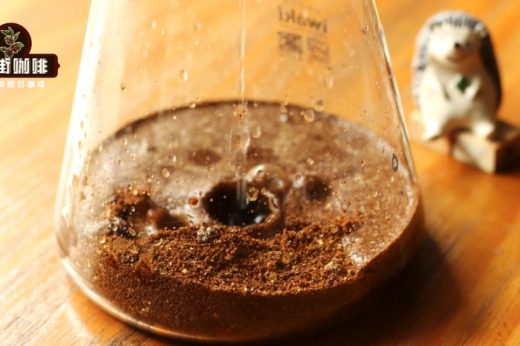
The standard preparation process is divided into five key stages: First, heat purified water to boiling and let it stand for 30 seconds so the temperature stabilizes in the 80-85°C range—this temperature band effectively releases matcha's aromatic compounds without destroying the chlorophyll structure. Next, pour the measured hot water into a bowl and use a tea whisk to rapidly whisk in a "Z" pattern for at least 20 seconds until a thick matcha base forms; the surface should now appear finely glossy with no dry powder clumps.
The second step uses a water-bath method to heat the milk: pour the milk into a double boiler or a microwave-safe container and heat to about 65°C (warm to the touch but not hot on the lips). This temperature maintains the smooth texture of milk fat while avoiding protein denaturation that produces an off-putting smell. If using a microwave, heat in 30-second intervals and stir continuously.
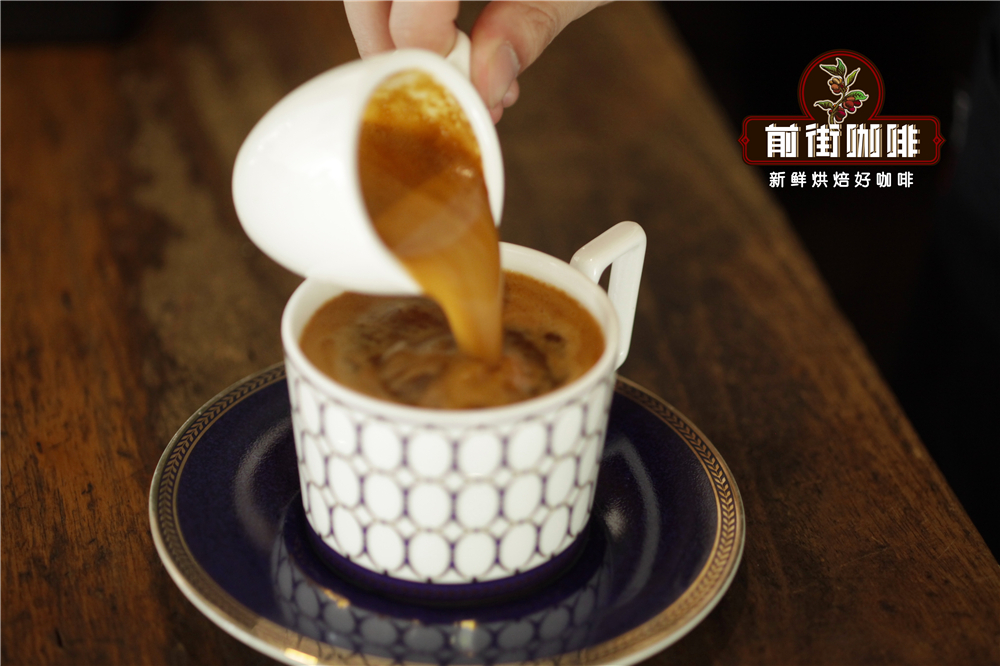
When pouring the preheated milk slowly down the side of the cup into the matcha base, it is recommended to hold a 45-degree tilt and pour slowly, while using the back of a spoon to guide the milk flow into a natural swirl, encouraging the two to fully emulsify and combine. An advanced technique is to gently tap the cup wall during the fusion stage to eliminate bubbles, giving the finished surface a mirror-like smoothness. Finally, add an appropriate amount of sweetener to taste; 3-5g of honey per 150ml of liquid is recommended to reach the best flavor balance.
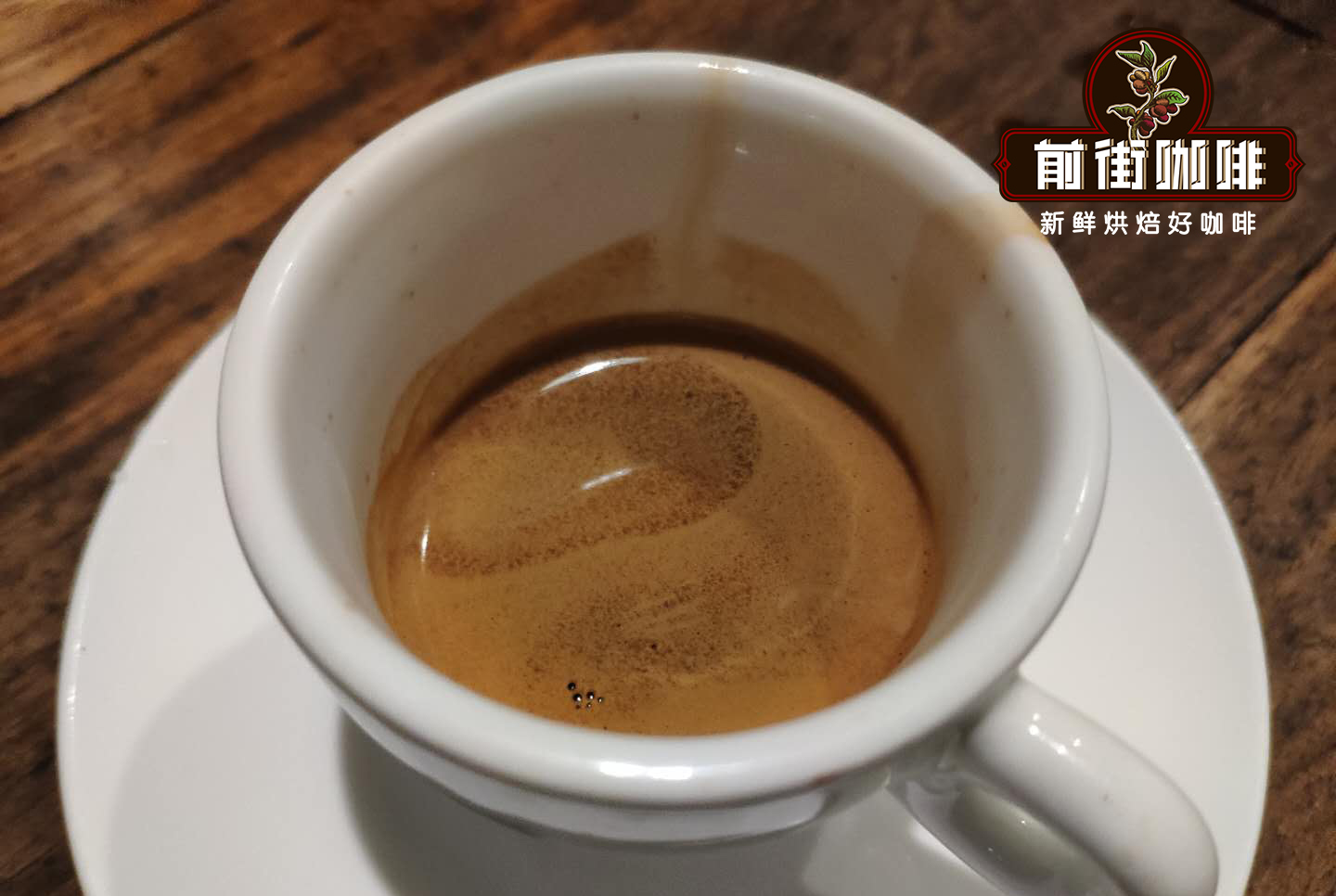
Regarding flavor characteristics, authentic matcha presents a distinct three-stage taste experience: the slightly bitter herbal base at first sip quickly transforms into a full nori-like umami, while the finish reveals a caramel-like sweet aftertaste. Compared with commercially available pre-mixed powder products, freshly ground matcha has a tea polyphenol content 37% higher, which is also the core reason professional tea shops emphasize making it fresh to order. Common mistakes include brewing directly with boiling water, which causes excessive extraction of tannic acid, or choosing low-grade matcha powder, which results in a weak flavor.
From a health perspective, each gram of matcha contains about 35mg of catechins, and its antioxidant capacity is equivalent to 20 times that of blueberries (data source: Japan Food Analysis Center 2018 annual report). What is special is that matcha contains a complex of gamma-aminobutyric acid (GABA) and L-theanine, combined with about 35mg of natural caffeine per cup (only one-third the content of Americano), forming a unique slow-release alertness mechanism. Clinical studies show that this combination can sustain improved concentration for 3-4 hours and does not trigger the palpitations or anxiety reactions associated with traditional caffeine intake.
Special note: When choosing matcha ingredients, look for grade labels such as "Wakatake" and "Seiran"; culinary matcha (such as jasmine matcha) is better suited for cold drinks. For storage, note that matcha powder oxidizes faster after contact with air; it is recommended to divide it into 10g portions and keep them in vacuum jars. For people with lactose intolerance, oat milk or almond milk can be substituted, but the sweetness ratio should be adjusted accordingly to compensate for the mild base characteristics of plant milks.