How to Choose Coffee Beans: Espresso, Latte and Americano Blends
Introduction: From the diverse flavors of pour-over coffee to the rich concentration of espresso, why have blended beans become the mainstream choice for espresso? This article explains the roasting characteristics, blending logic and flavor profiles of espresso coffee beans, covering bean types suited to common drinks such as Espresso, latte and Americano, analyzing the key parameters that affect extraction (such as 9 bar water pressure and 90–92°C water temperature), and breaking down the recipe ratios and flavor performance of classic espresso blends, to help you find the coffee beans and brewing method that suit you.
Friends who enjoy pour-over coffee are probably already familiar with the fact that beans from different origins bring completely different flavor experiences—the clean freshness of washed processing, the rich sweetness of natural processing, and the higher sweetness of honey processing; each processing method seems to attach a unique flavor label to the beans. But when you step into the world of espresso, you'll find that the Espresso, latte or cappuccino on the menu are mostly made with blended coffee beans. What considerations lie behind this?
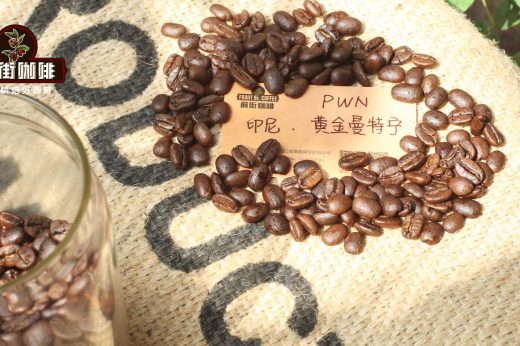
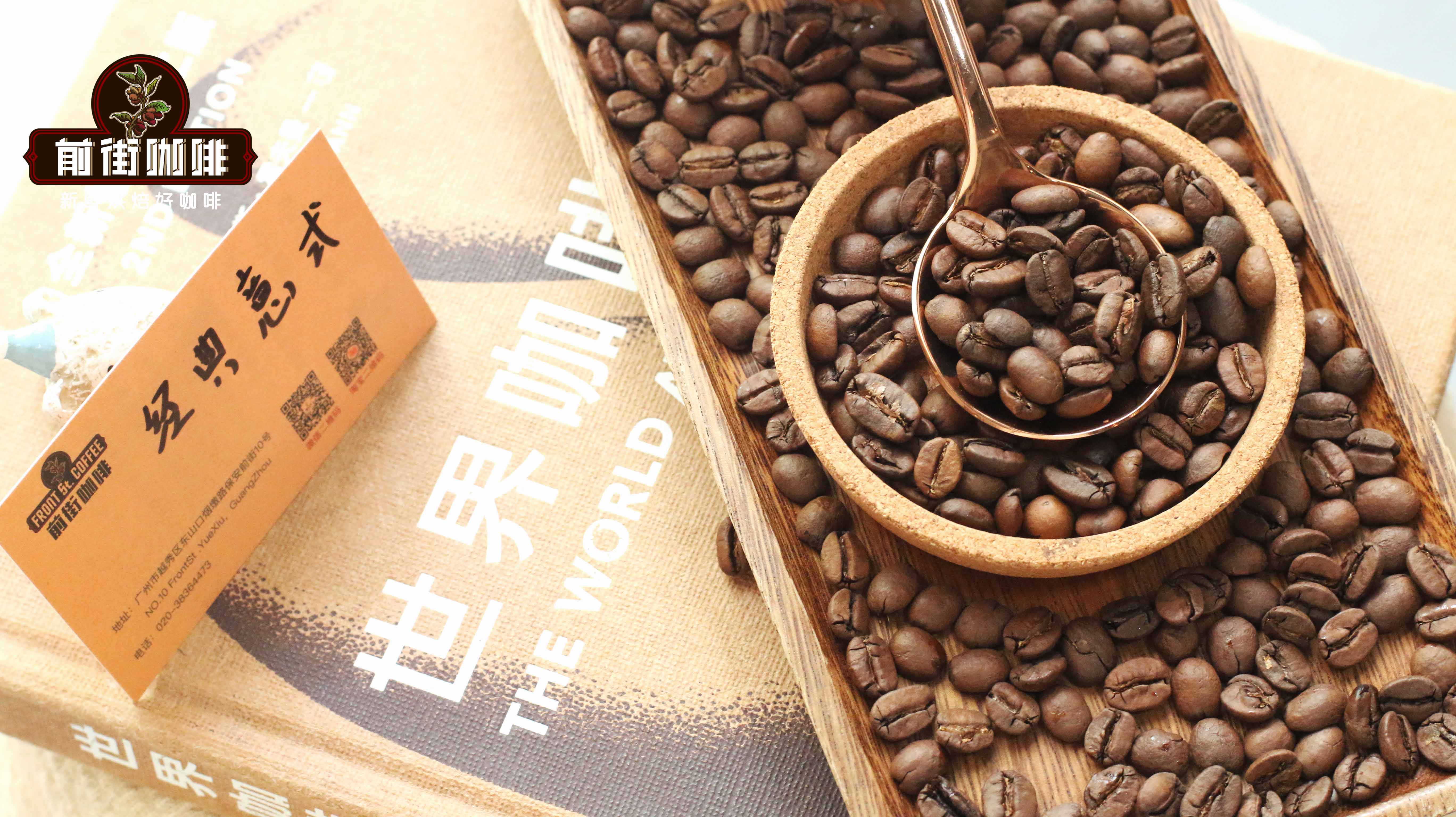
Espresso coffee beans, as the name suggests, are bean types designed specifically for Italian-style espresso, and differ noticeably from the single-origin beans commonly used for pour-over. First is the roast level: pour-over beans usually lean toward light roasts (highlighting floral and fruity notes), while espresso beans generally require roasting after second crack (medium-dark to dark)—because espresso is often paired with milk or water and needs a stronger bitterness and richer body to support the overall flavor.
Another notable difference is that blending is the mainstream. Espresso relies more on blended beans than single-origin beans, mainly for two reasons: first, blending balances the strengths and weaknesses of different beans to ensure consistent flavor; second, by mixing beans from different origins or varieties, costs can be controlled and the needs of large-scale output met. Note, however, that blended beans are not necessarily espresso beans; single-origin beans can also be used for espresso extraction, though the flavor will more strongly highlight the characteristics of a single origin.
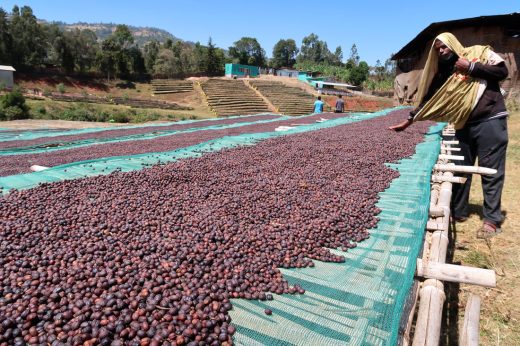
So which coffee beans are suitable for espresso? First you need to understand the flavor characteristics of different varieties. Coffee beans from different origins around the world show subtle balances of acidity, sweetness, bitterness and body due to differences in variety, altitude and climate—for example, beans from some origins naturally have bright acidity, while others have a milder bitterness. Single-origin coffee beans usually focus on highlighting the unique flavor of a certain origin (such as citrus or floral notes), while espresso requires more complex flavor layers and a stable mouthfeel, so roasters need to adjust the roast curve according to the target flavor.
Although the SOE (single-origin espresso) popular in recent years can amplify the distinctive flavor of a specific origin (such as the berry notes of Kenya or the citrus aroma of Ethiopia), because the flavor is highly concentrated, flaws may also be amplified if the roast or grind parameters are improper. In contrast, blended beans, by mixing different beans, can more flexibly balance acidity, bitterness, sweetness and body, and suit the taste preferences of most consumers.
The raw materials of espresso blends usually include both Robusta and Arabica coffee beans, or a mix of different Arabica varieties only. Among them, Robusta beans are rounder in shape (straight center line) and are often used to increase the body and rich crema of espresso; while Arabica beans are slender and flat (S- or C-shaped center line), with more delicate flavors—light-medium roasts show fruity notes, and dark roasts bring caramel notes—and are suitable for a variety of extraction methods.
As for the proportion of Robusta, it is generally recommended to keep it within 10%–20%—exceeding this range may produce an unpleasant rubbery taste. If no Robusta is used at all, a high-quality flavor can also be achieved through a carefully selected Arabica blend, such as the classic Arabica two-bean blend (e.g., Brazil + Colombia) or a three-bean combination.
Next, let's break down the key parameters that affect espresso extraction; these details directly influence the final taste:
1. Water pressure: the ideal value is 9 bar (home machines may fluctuate slightly); this is the widely recognized optimal pressure for extracting Espresso and can fully extract the essence from the coffee grounds.
2. Water temperature: 90–92°C is the common range (some machines can adjust precisely); too high a temperature easily leads to burnt bitterness, while too low a temperature highlights acidity and results in under-extraction.
3. Grind size: very fine powder (similar to the texture of flour)—the finer the grind, the slower the water flows through and the fuller the extraction; if the powder is too coarse, the body may be thin and sharply acidic.
4. Tamping: usually recommended at 20–25 kg/m² (about 20 kg with a home tamper); evenly compacting the puck is key to ensuring even extraction.
5. Dose: 12–14 g for a single, 20–22 g for a double, adjusted according to the portafilter capacity.
6. Extraction time: the golden range is 25–28 seconds (about 40 seconds for a double), to be fine-tuned in combination with dose and grind size.
7. Yield: 20–21 g of liquid for a single, 40 g for a double; the coffee-to-water ratio (such as 1:2) directly affects concentration and mouthfeel.
Taking common espresso blend recipes as examples, different ratios present differentiated flavors: a pure Arabica two-bean blend (such as Brazil + Colombia) is usually balanced in mouthfeel with nutty and caramel base notes; a recipe with a small amount of Robusta (such as Brazil:Colombia:Robusta = 6:3:1) can enhance crema and body; while a light-medium roast blend with a high proportion of Arabica (such as Ethiopia + Brazil) is better suited to consumers who prefer fresh fruity acidity.
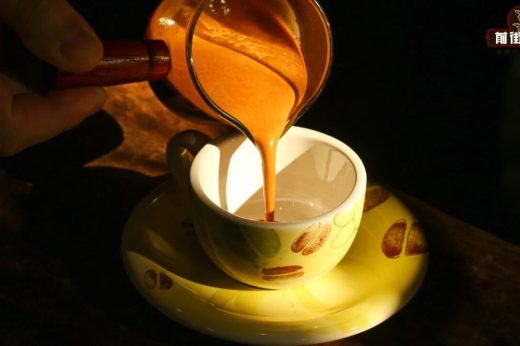
To make a qualified Espresso base, pay attention to a standardized process: dry the portafilter, then add 20 g of coffee grounds, distribute evenly with a distribution tool, and tamp vertically with a tamper (with even force). Lock the portafilter onto the group head and start extraction, stopping when the liquid reaches 40 g (keeping the time at 28–32 seconds). An ideal Espresso should have the characteristics of "balanced acidity, sweetness and bitterness, rich body, and a lasting finish," with a clean sweet aftertaste in the throat after sipping, and no sharp astringency or excessive bitterness.
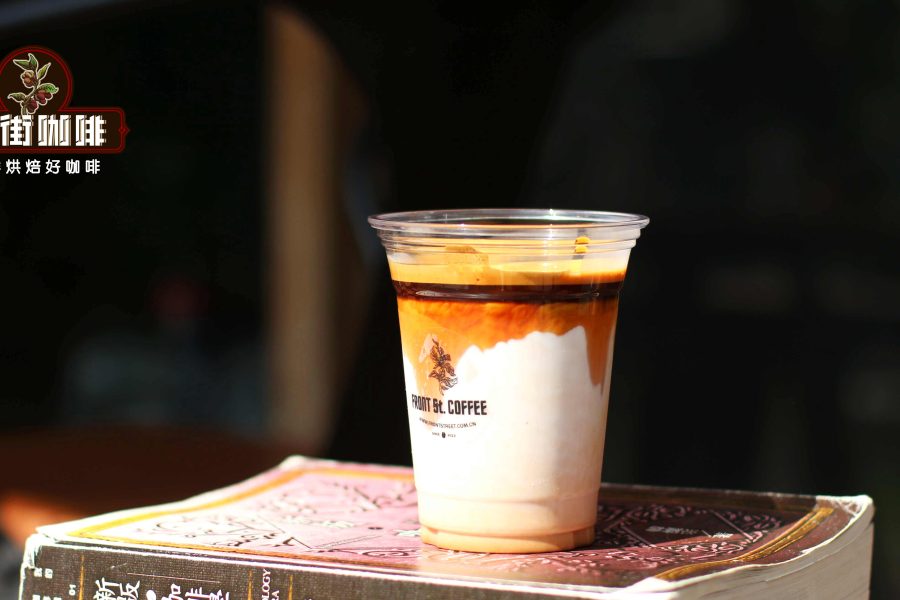
In summary, the choice of espresso coffee beans needs to revolve around the needs of the final drink—latte needs rich crema to support the silkiness of milk, Americano values clear layers of acidity and sweetness, while Espresso itself pursues the ultimate concentrated flavor. By understanding the blending logic, mastering the key extraction parameters, and adjusting the bean combination according to personal taste preferences, you too can find the cup of espresso that suits you best.
(Image placeholders: 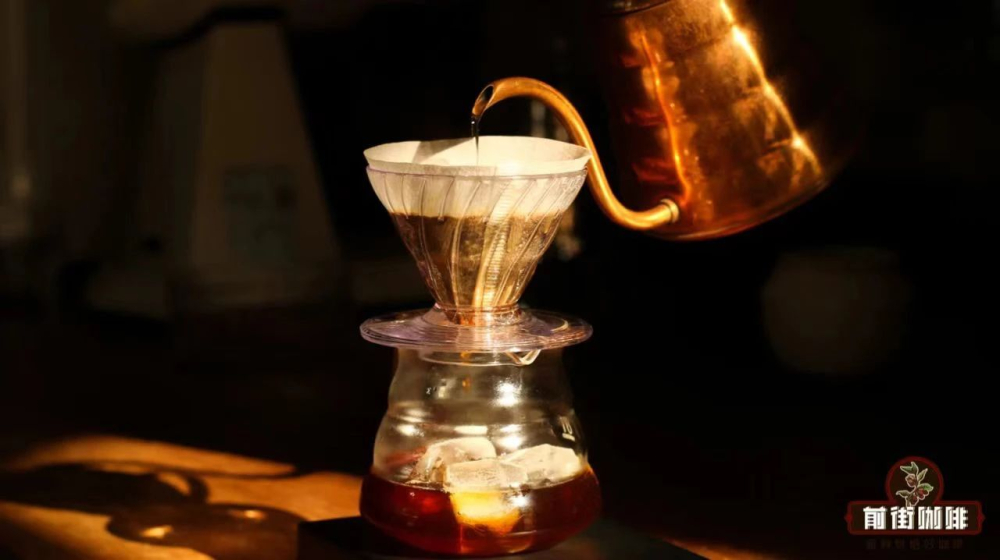 、
 、
 、
 、
 、
 、
 、
 、
 、
 、
 、
 、
 、
 、
 、
 、
 corresponding respectively to the scenes described in each paragraph of the text)