Ethiopia's Coffee Legend: Origins, Regional Flavors, and Pour-Over Bean Guide
Introduction: From the shepherd legend to the global coffee gene pool, Ethiopia is not only the birthplace of coffee but also home to iconic regions such as Yirgacheffe. This article takes an in-depth look at the authenticity of the coffee discovery legend and the evolution of traditional processing methods, and focuses on the altitude parameters and flavor characteristics of micro-regions such as Sidamo Shakiso, helping you precisely select specialty coffee beans suited to pour-over brewing.
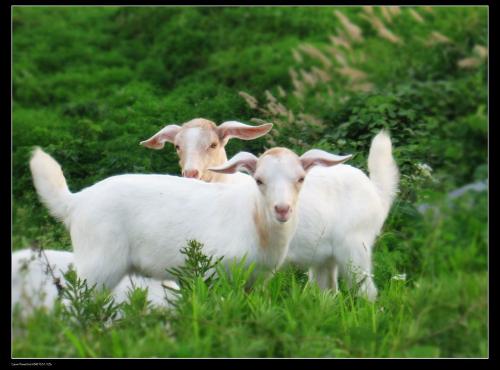
In the minds of coffee lovers, Ethiopia always holds a special place—it is not only humanity's earliest coffee-growing region but also the source of that famous shepherd legend.According to legend, on the ancient Ethiopian highlands, a shepherd named Kaldi discovered that his flock became unusually excited after eating the red fruit of a certain plant. After trying it himself, he experienced an unprecedented stimulating effect, thus unveiling the mysterious veil of coffee. Although this story has undergone repeated artistic embellishment, archaeological evidence shows that wild coffee tree populations do indeed exist in southern Ethiopia, and their genetic diversity far exceeds that of other regions.
Early Ethiopians used coffee with great ingenuity: at first they chewed the coffee pulp directly for energy, then mixed coffee beans with fat to make energy bars, and even developed a method of boiling coffee leaves in water similar to modern tea drinks. Around the 15th century, an accidental roasting experiment released the rich aroma of coffee beans, and the prototypes of washed and natural processing methods were born along with it. This spirit of original innovation still influences the global coffee industry today.
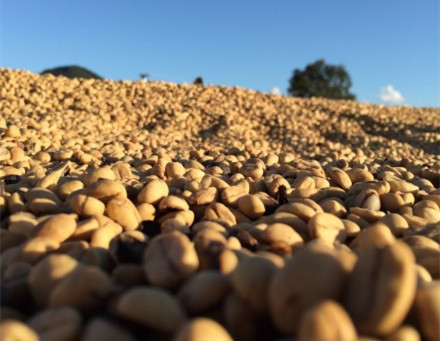
Today, about 90% of Ethiopia's coffee is still grown by smallholder farmers, most of whom use the garden coffee system (Forest Coffee) or semi-forest model, preserving the symbiotic relationship between coffee trees and other plants in native forests.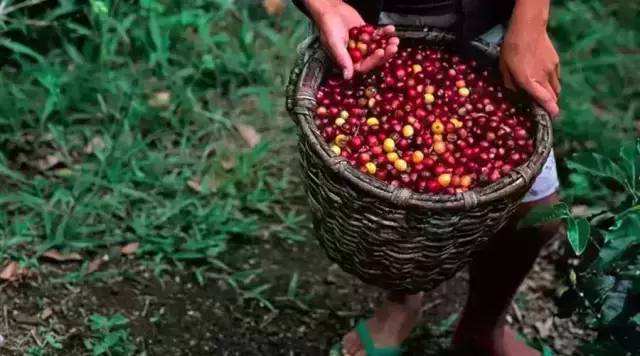 Because the region is located on highlands with uneven rainfall, a unique grading system has developed locally: high-quality coffee cherries are preferentially washed (which consumes large amounts of clean water), while ordinary lots are dried by natural processing for 30-40 days, during which at least three manual turnings are required to ensure uniform dehydration. It is worth noting that although the government-led ECX exchange safeguards farmers' income, it also causes the flavor characteristics of some lots to become more blended.
Among the many regions, Yirgacheffe is known for its citrus notes, while Sidamo (1,400-2,200 meters above sea level) is known for its balanced berry acidity. Particularly noteworthy is the Shakiso micro-region under Sidamo (Guji area), where washed coffees have received high international cupping scores for consecutive years (such as 92 points from Coffee Review), and their bright citric acidity and black tea finish form a unique contrast. This area uses traditional raised drying beds and strictly screens out defective beans during the natural drying process, creating a distinct blueberry aroma and medium body.
For coffee lovers, buying Ethiopian beans requires attention to three key points: first, look for the micro-lot origin label (such as Yirgacheffe Guji); second, check the processing method indicated (washed beans usually have more prominent acidity); and finally, adjust the grind size according to the brewing method—for pour-over, a medium-fine grind is recommended (75% passing through a Chinese standard No. 20 sieve), while for a French press, a coarse grind with 80% passing is needed. When hot water is poured in, those flavor molecules originating from the ancient legend will bloom once again.