Sidamo Humbera Flower Queen Coffee Bean Traceability Guide: Pour-Over Parameters and Flavor Analysis
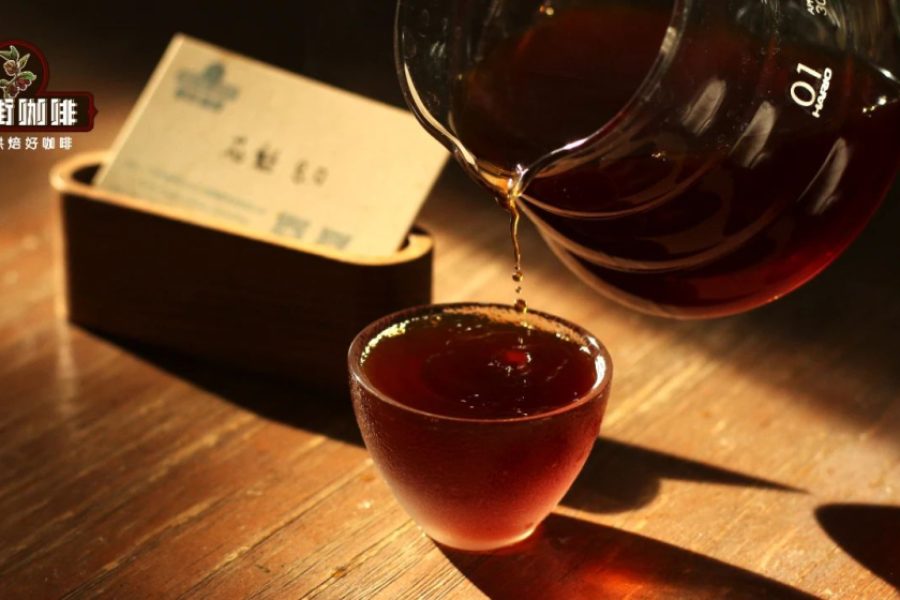
Introduction: From the 2017 TOH competition champion to a natural G1 bean sought after by coffee lovers worldwide, Flower Queen coffee has a storied rise. This article takes an in-depth look at this star variety from Ethiopia's Humbera producing region, tracing its journey from an unknown competition bean to the name "Flower Queen," explaining the flavor evolution across different lots, and offering professional pour-over recipes and roasting advice to help you fully grasp the characteristics of this classic coffee.
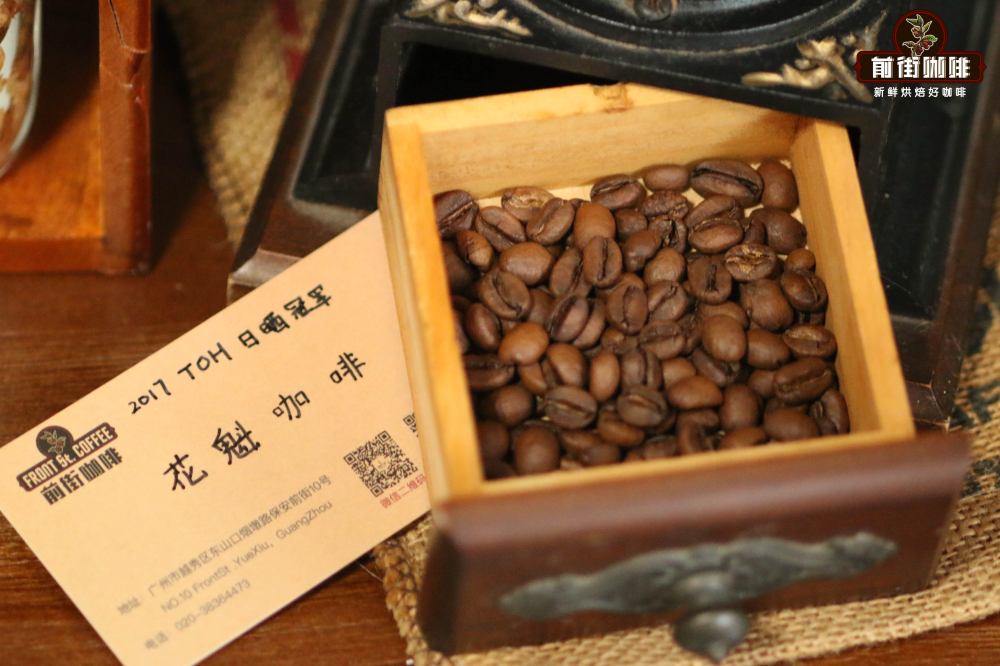
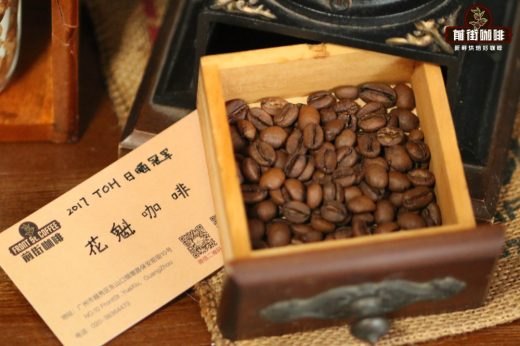
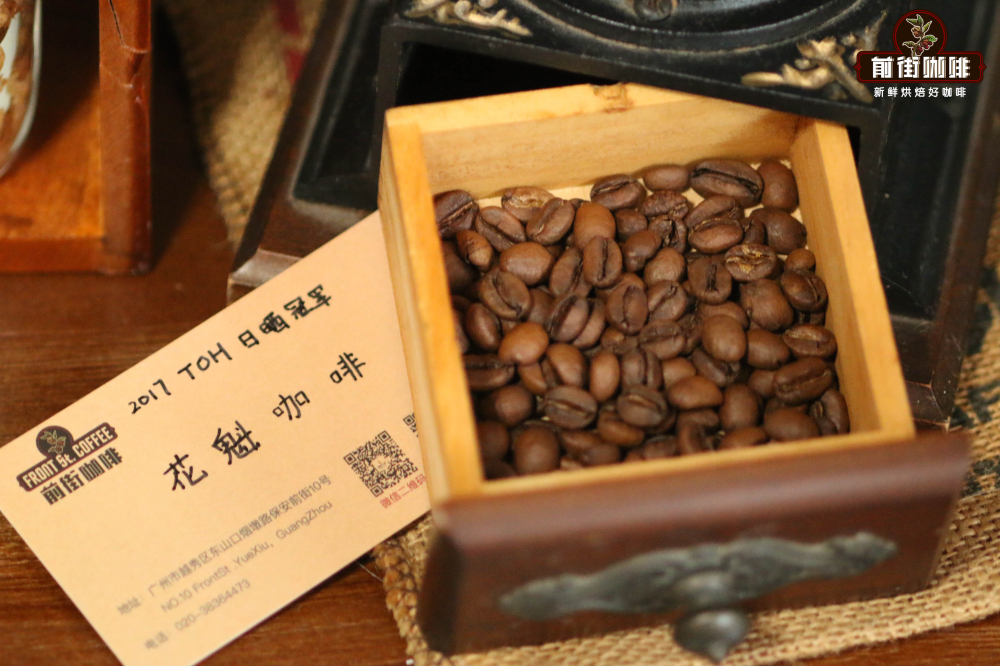
"Queen of a hundred flowers, alluring in grace"—the name Flower Queen comes from the Chinese term praising the king of flowers, and when used to name a coffee bean it naturally carries the image of top quality. This natural-process bean from Ethiopia was initially just a dark horse on the competition stage; in 2017, the natural-process lot submitted by DW Green Coffee won the TOH (the Taste Of Harvest) competition, and because of its standout floral character it was given the title "Flower Queen."
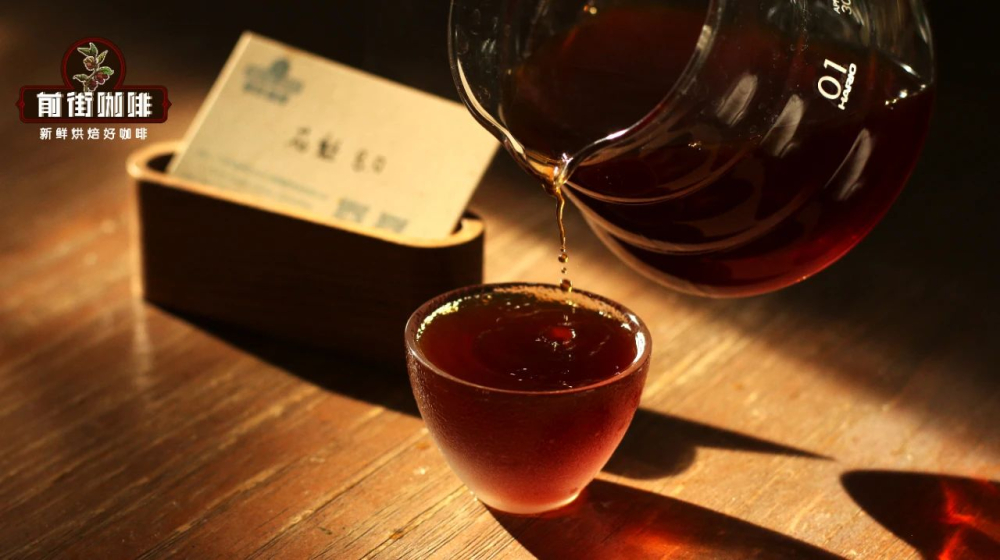
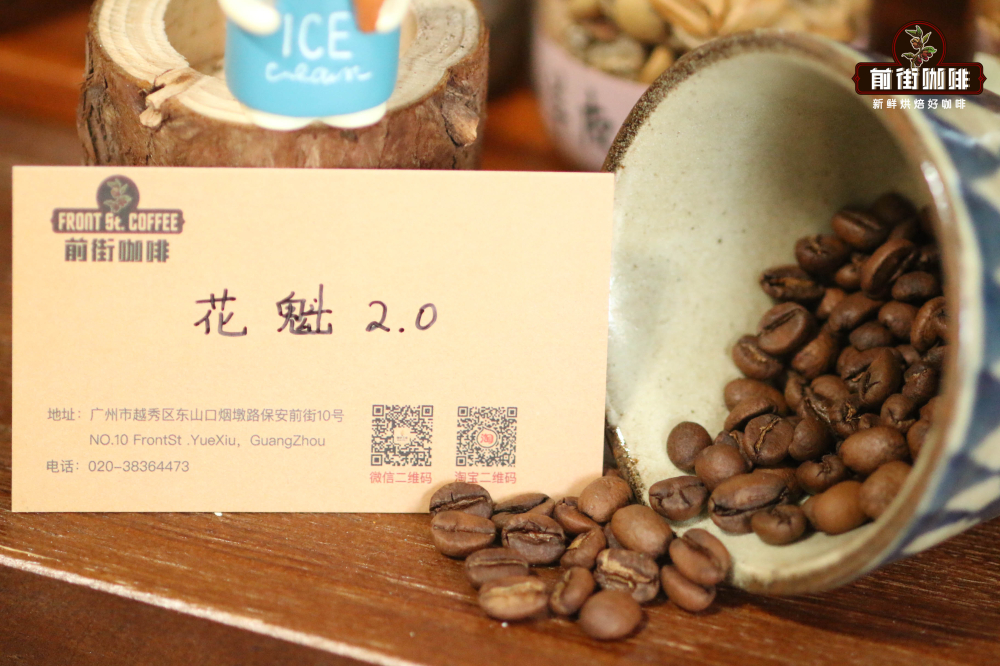
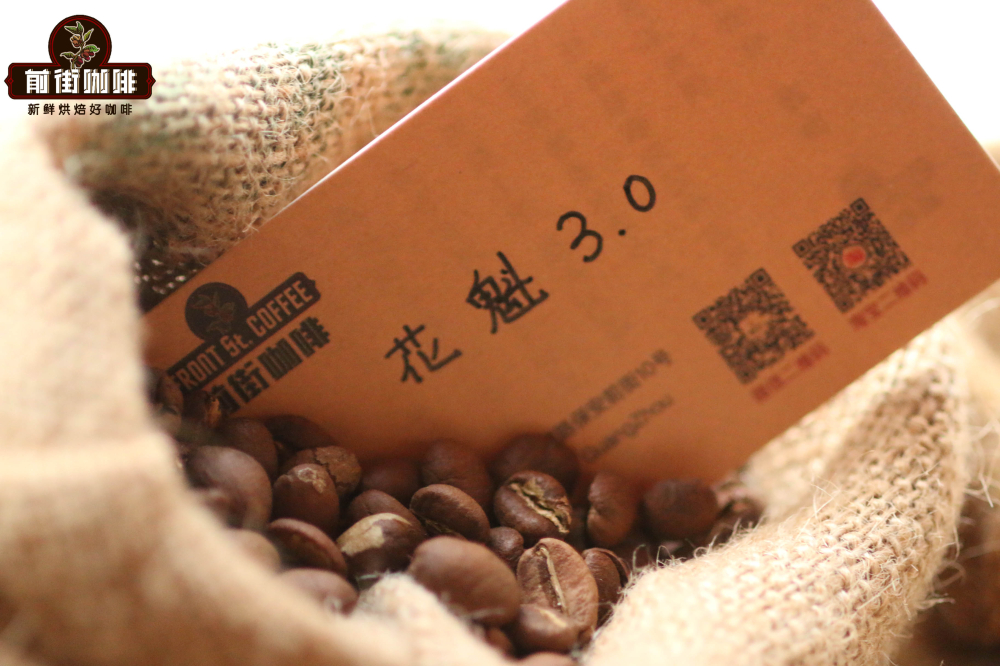
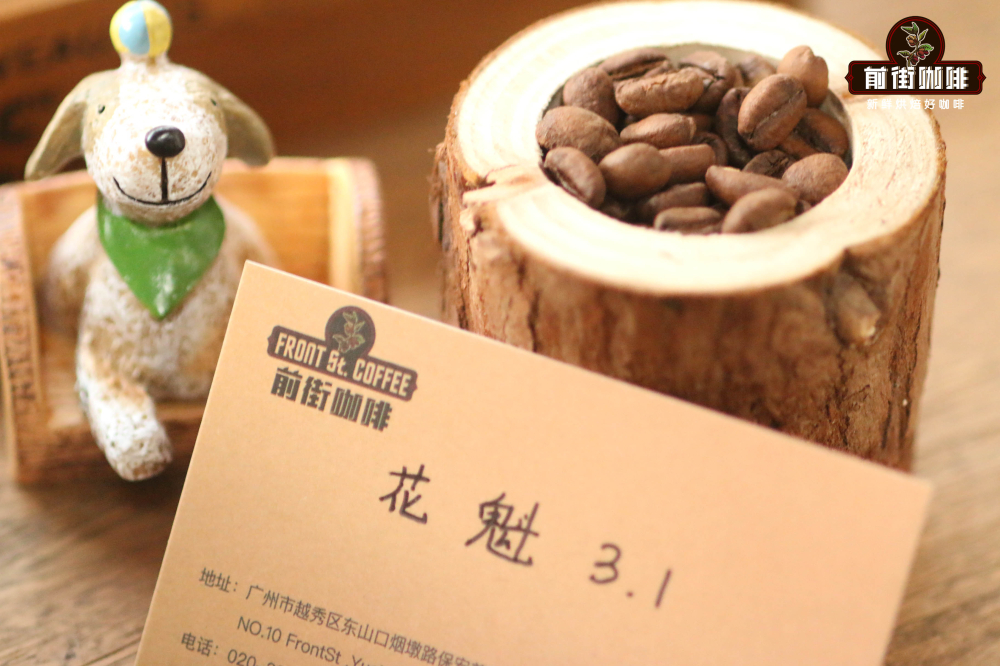
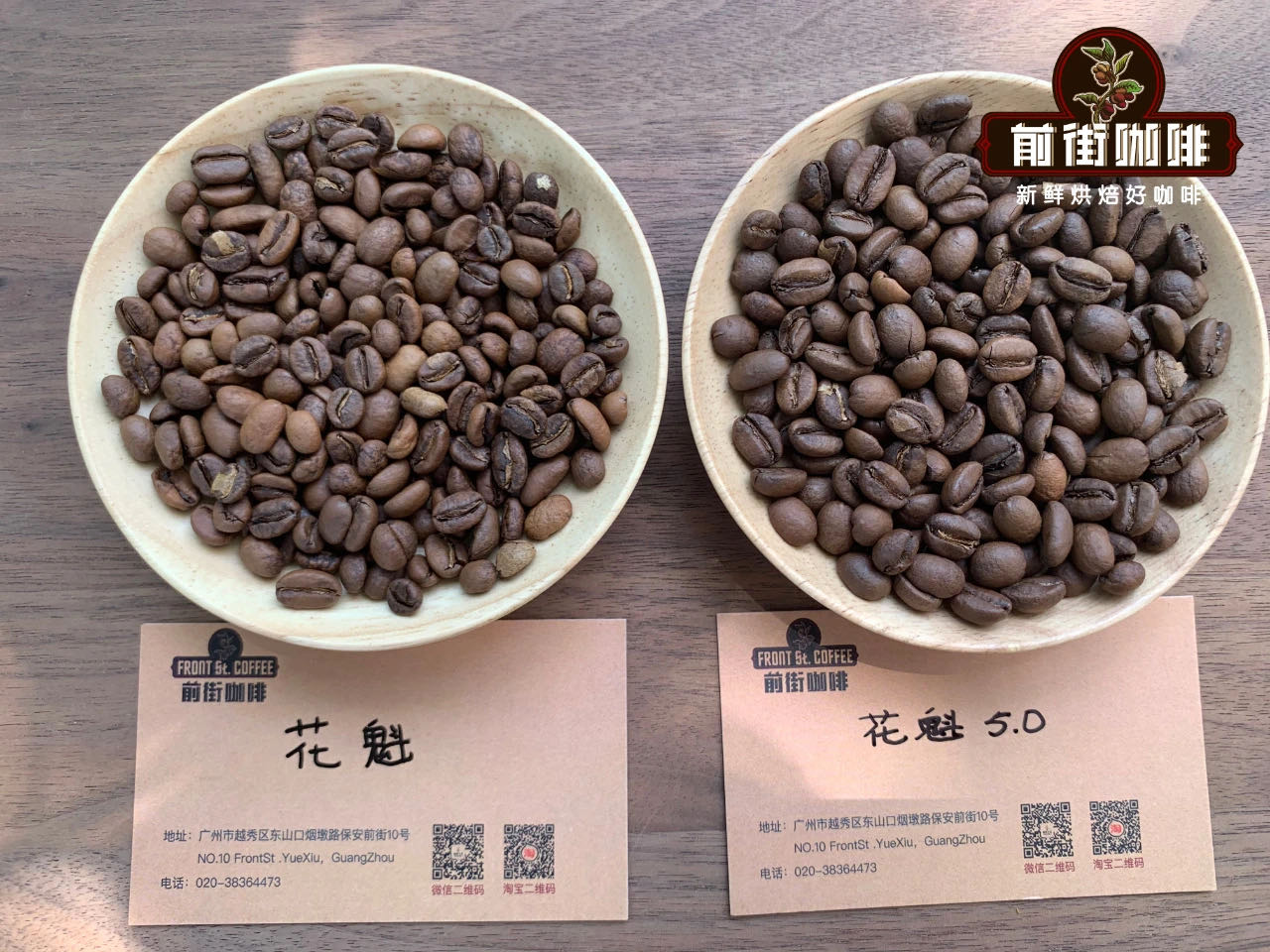
The core of Flower Queen's origin is the Humbera producing area in Ethiopia's Guji region, with more precise traceability pointing to the Buku Abel processing station in Dimtu town. As market demand grew, DW expanded five specialized processing stations in this area, including village sites such as Buku Saysay and Haro Soresa, forming a scaled production system. It is worth noting that after 2018 the flavor of Flower Queen showed subtle changes; cupping showed that later lots were slightly inferior to the first generation in body and finish, so domestic industry players distinguish vintages by adding an X.0 suffix (e.g., 2018 was Flower Queen 2.0, 2019 included 3.0/3.1, etc.) to help consumers identify the specific vintage lot.
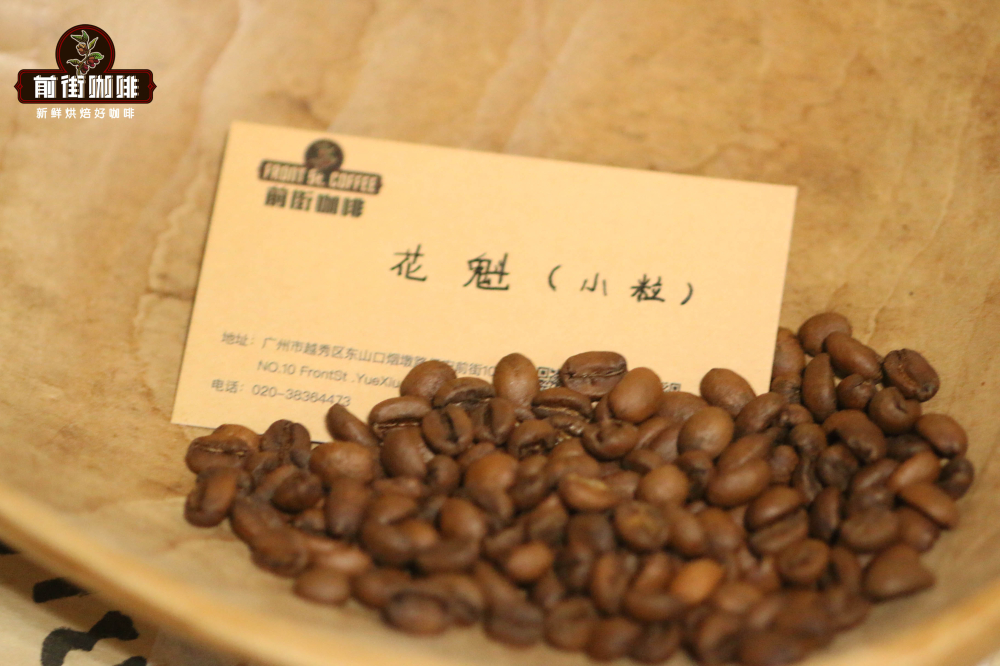
The native environment gives Flower Queen its unique genetics: the growing area has red-brown organic soil and average annual rainfall exceeding 1200mm, plus the day-night temperature difference brought by high elevations of 2250-2350 meters, combined with selective hand-picking of fully ripe red cherries and a strict African raised-bed sun-drying process (processing begins only once sugar content reaches 21 or above), laying the foundation for its sweetness. From 2020, small-bean varieties were processed separately as "Flower Queen Small Bean"; these smaller-bean heirloom varieties are considered an important source of the signature aroma of the early lots.
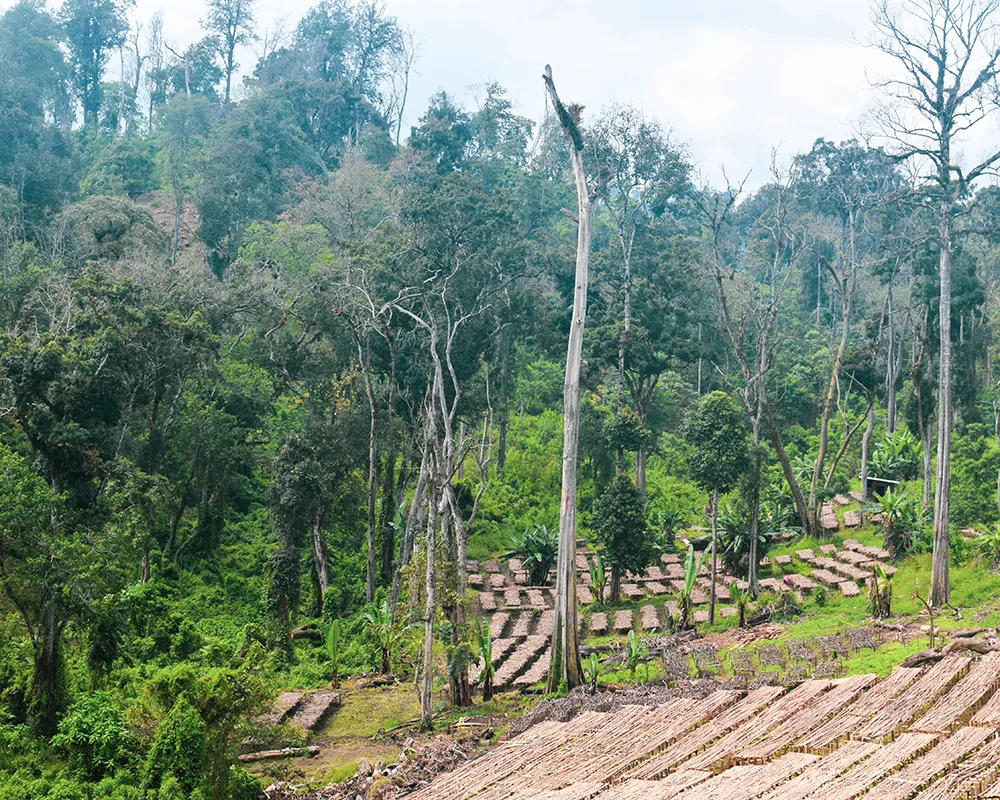
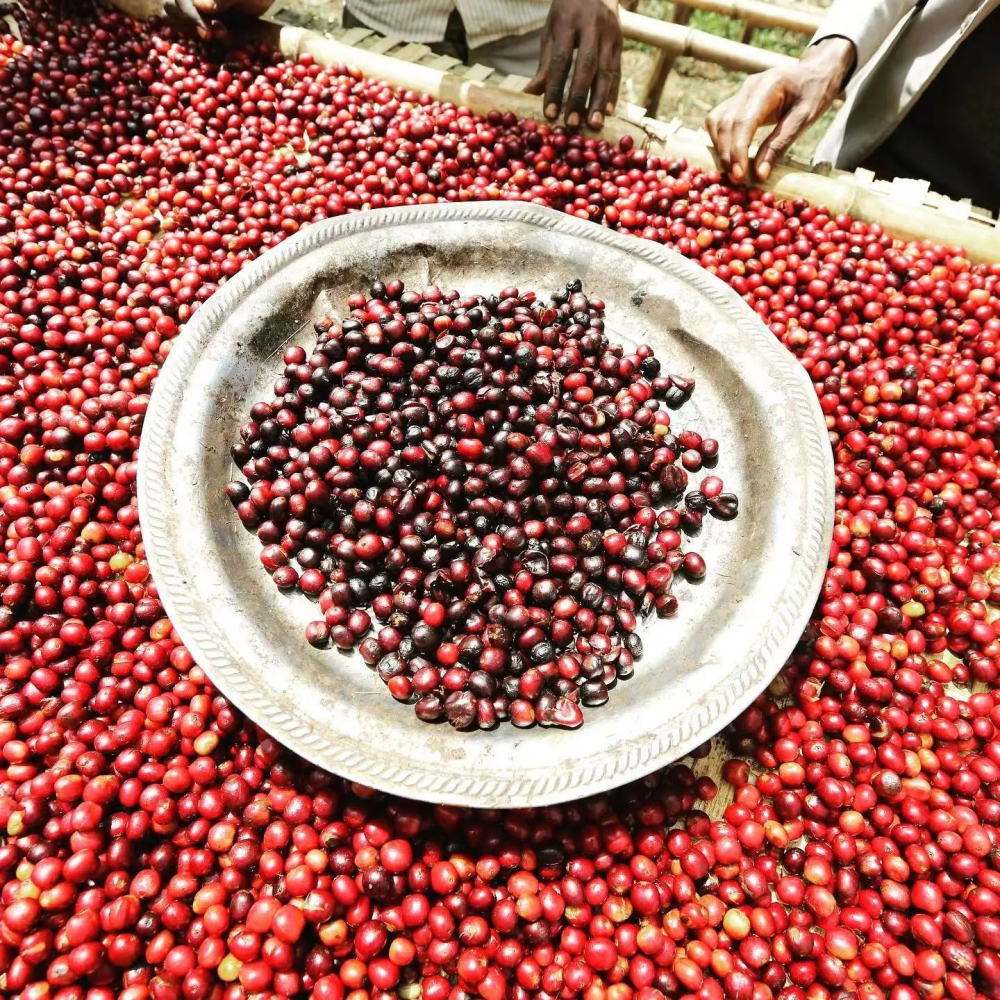
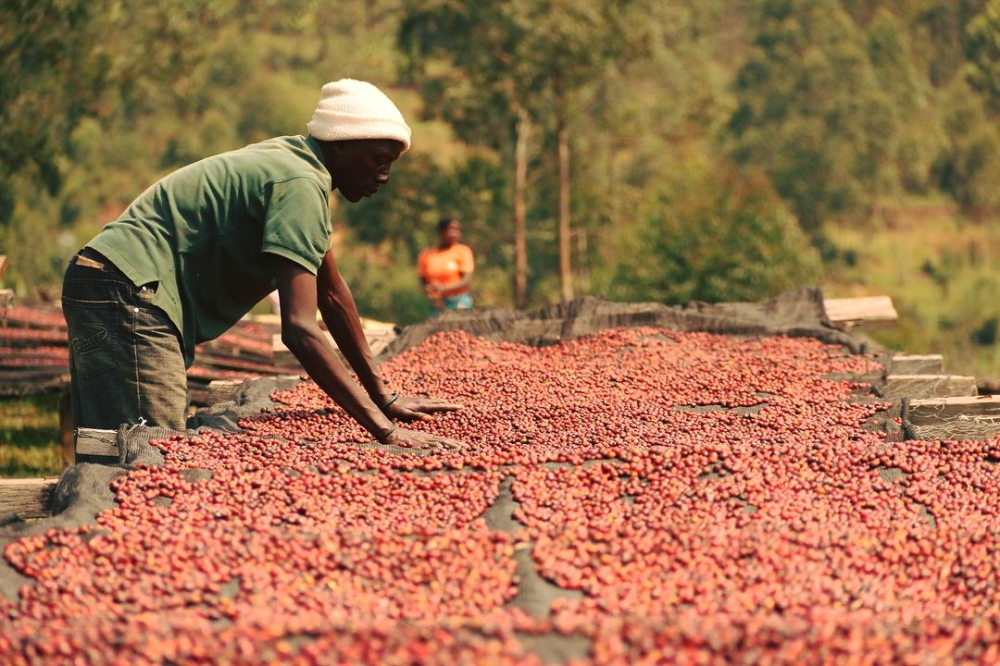
Flower Queen's processing combines tradition with fine-tuned control: during the harvest season (December-January), coffee cherries with sugar content of 30+ are strictly selected; for the first two days of sun-drying, fruit moisture is maintained to promote fermentation, and at midday of the middle stage shade nets control high temperatures, while at night plastic sheeting protects against rain and moisture. After 18 days of slow dehydration (moisture content reduced to 13%), the beans are moved to a warehouse at 12-22°C for a 50-day resting period, finally stabilizing moisture content at around 11%. This low-temperature, long-duration fermentation technique preserves the floral-fruity character while avoiding over-fermentation defects.
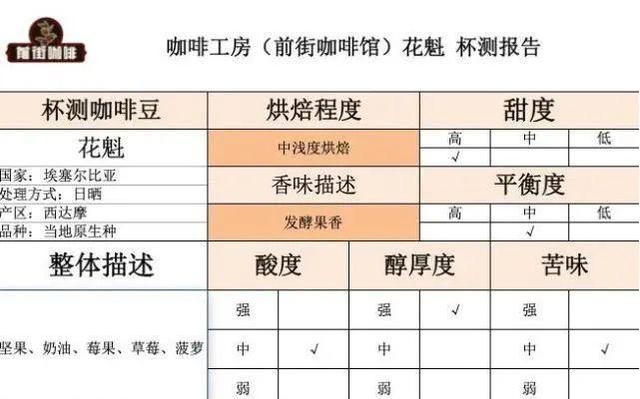
The flavor profiles of Flower Queen across vintages show distinct characteristics: the first generation is dominated by berry aromas such as strawberry and passion fruit, accompanied by creamy nutty notes; later lots such as 2.0 display tropical fruit and red wine notes, 3.0 highlights tropical flavors like mango and pineapple, while 3.1 unexpectedly presents citrus-caramel flavors reminiscent of Gesha Village. Professional roasters recommend focusing on green bean density (about 0.7-0.8g/cm³) and bean shape differences—heirloom varieties vary in bean size and are mostly pointed, and the proportion of small beans directly affects overall aroma intensity.
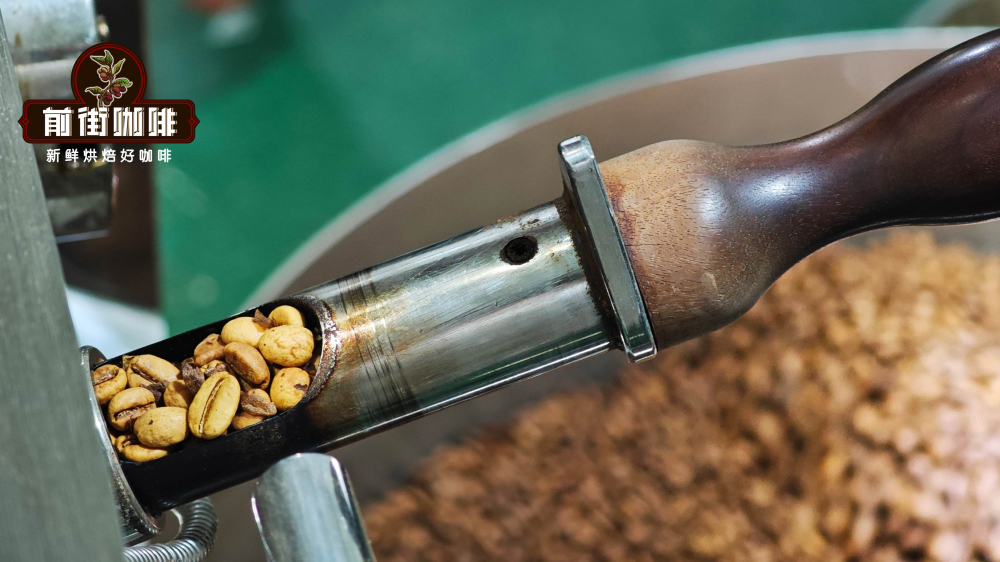
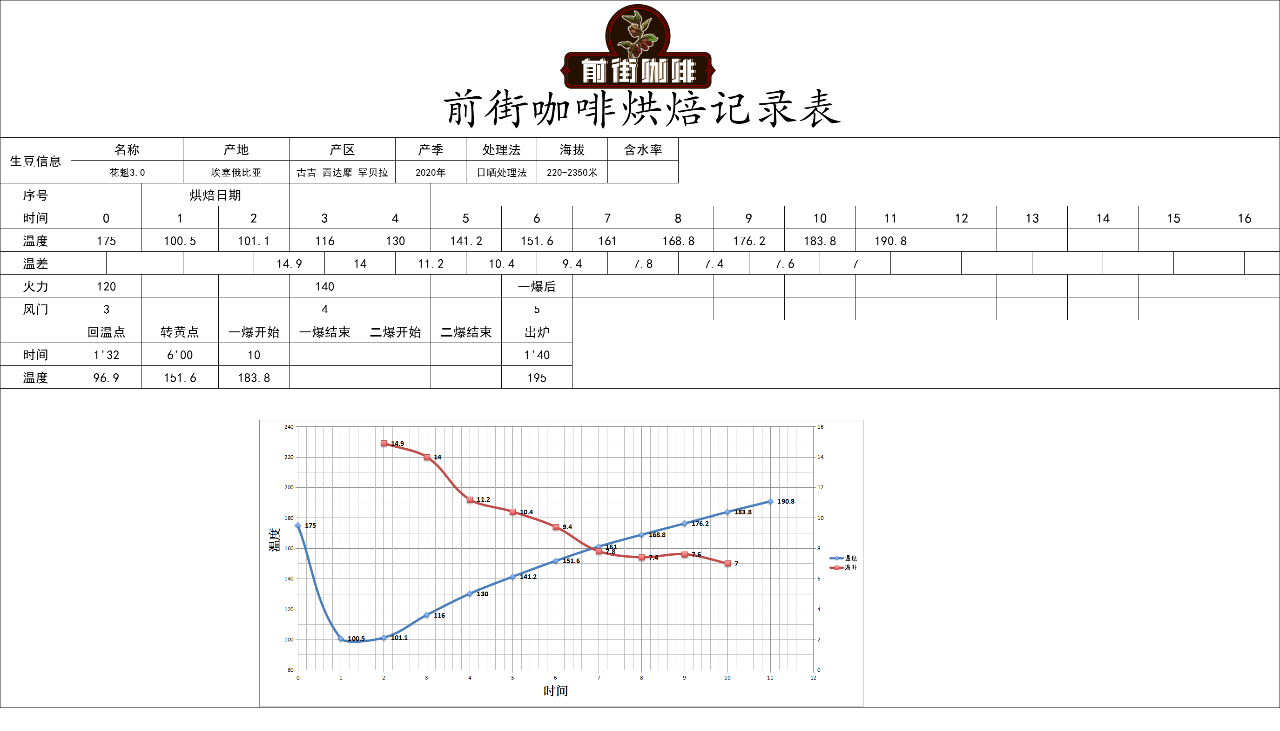
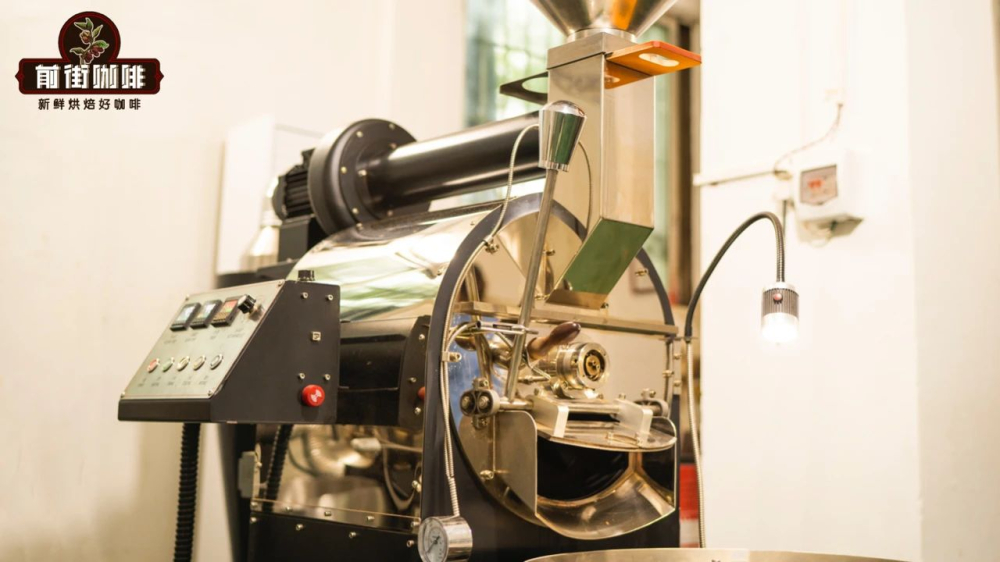
Roast curve design for Flower Queen must balance preserving aromatic compounds with controlling defect risk: a charge temperature of 190°C is recommended, extending the dehydration phase to about 5.5 minutes (yellow point 150-153°C), with first-crack development time kept within 1 minute 30 seconds. Actual tests show that with a Taiwan Yangjia 800N roaster, a fast roast within 11 minutes (first crack at about 9'50") better preserves floral molecules while developing a moderate fermented wine aroma. Note that heirloom varieties are denser, so hot-air circulation should be strengthened early in the roast to avoid underdeveloped centers.
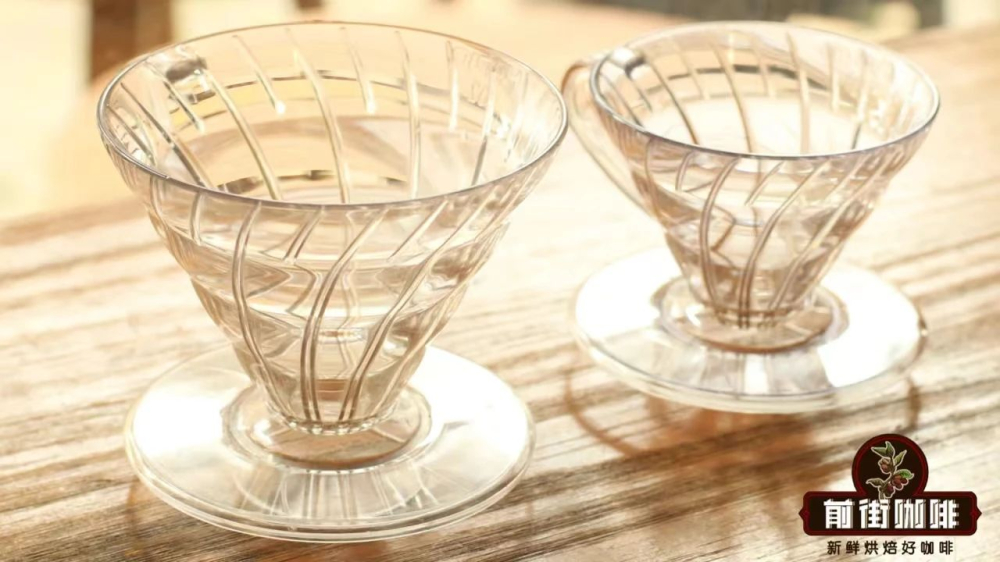
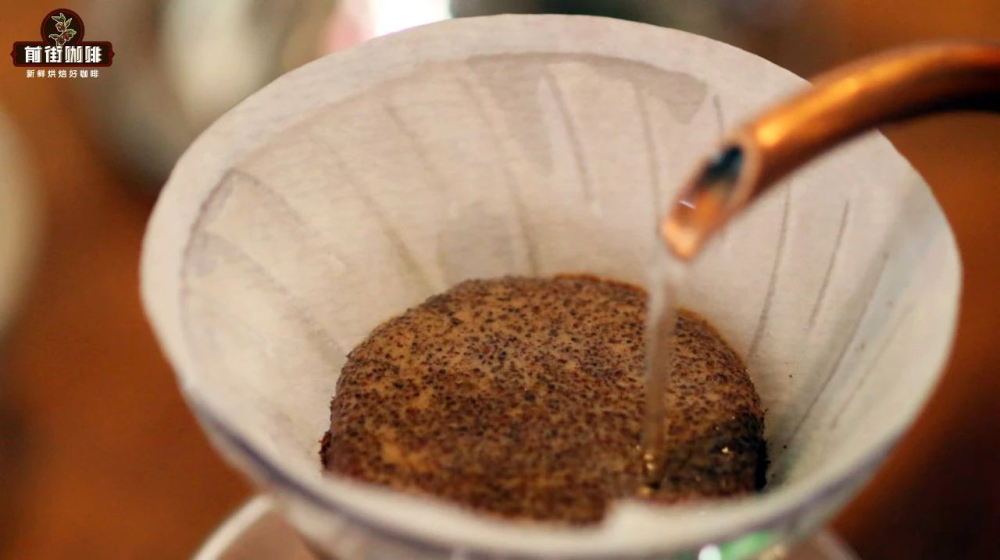
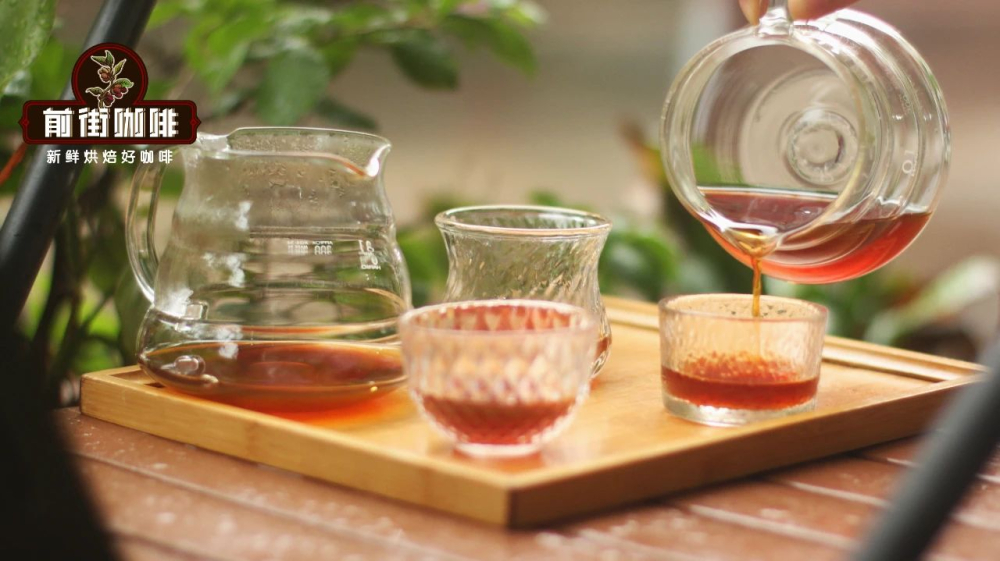
For pour-over extraction, a V60 dripper is recommended (the conical structure promotes central flow concentration, and the spiral ribs speed up drainage): water at 90°C with a 1:15 coffee-to-water ratio (15g coffee to 300ml water), grind size set to 80% passing a Chinese No. 20 sieve (equivalent to medium-fine). The staged extraction strategy is a 30g bloom for 30 seconds, then a slow, small stream to 125g as the first stage; when the water level drops to the coffee bed, continue pouring to a total of 225g, with a total time of about 2 minutes. These parameters effectively balance Flower Queen's bright acidity and full body, highlighting its signature berry fermentation aroma.
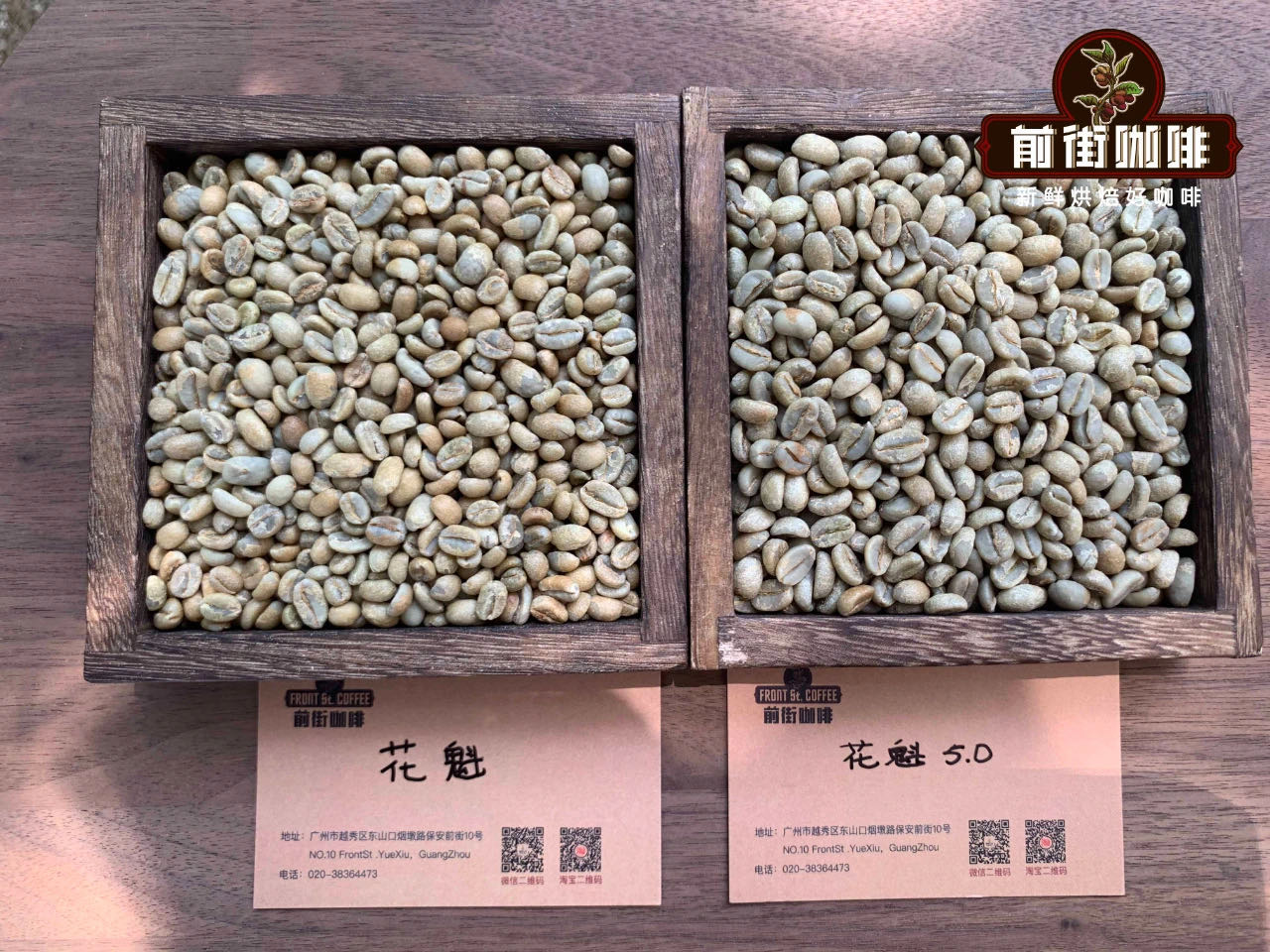
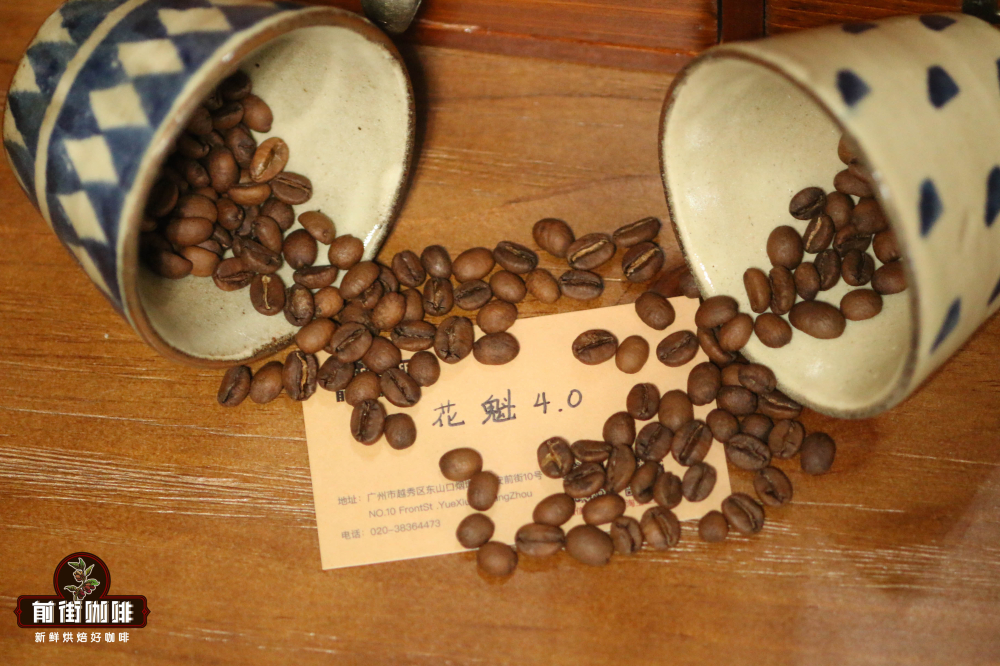
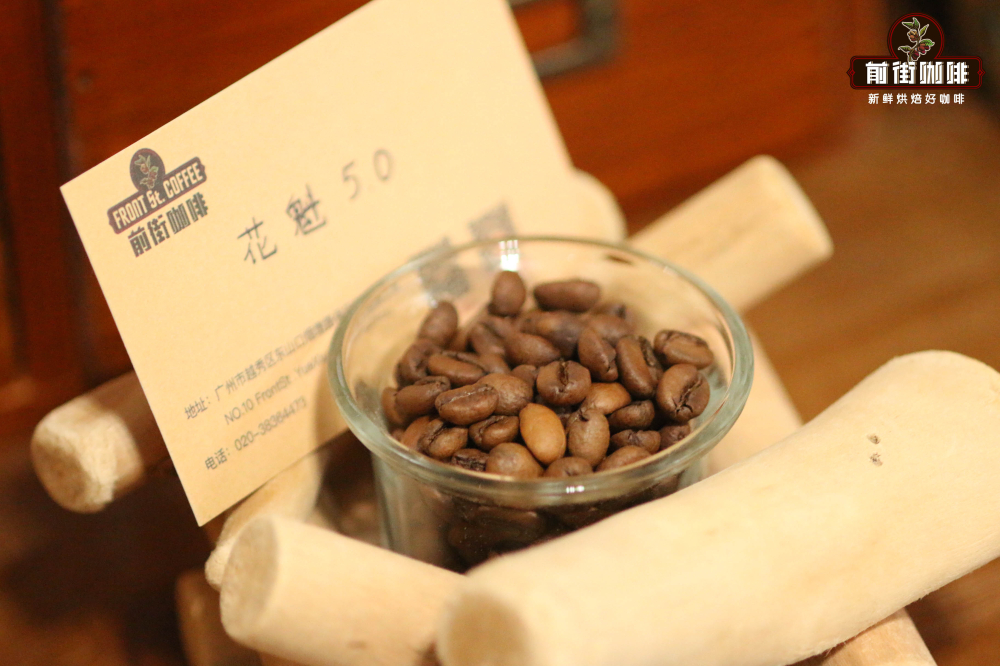
The flavor emphases of each vintage can serve as a bean-selection reference: the first-generation Flower Queen excels with the complex fruitiness of passion fruit and jackfruit; the 2.0 lot has improved cleanliness with a nutty finish; 3.0's apricot-peach character suits those who prefer mild sweetness and acidity; 3.1's caramel-cream feel presents a crossover style; 4.0 adds a fresh oolong-tea-like finish; 5.0 strengthens the sweet, juicy feel of tropical fruits like melon. Store in one-way-valve foil bags away from light to slow flavor degradation.
Professional tip: Flower Queen's natural-processing character makes it sensitive to extraction parameters; water above 92°C easily extracts bitter compounds, while water below 88°C may suppress the release of floral and fruity aromas. Grinding too fine (e.g., 90% passing rate) increases the risk of channeling, so adjust grind size via a pre-brew flow test. For beginners, starting with balanced mid-period lots such as Flower Queen 2.0 or 4.0 is more approachable.