Jamaican Blue Mountain No. 1 Coffee: Flavor, Grades, and Authenticity Guide
Introduction: Jamaican Blue Mountain coffee is hailed as one of the finest coffees in the world, yet the market is flooded with various counterfeit products. This article provides an in-depth analysis of authentic Blue Mountain No. 1 coffee's core growing region, grade classifications, unique processing methods, and flavor characteristics, along with professional-level authenticity identification methods and pour-over parameter recommendations to help coffee enthusiasts accurately identify genuine Blue Mountain coffee.
When it comes to specialty coffee, many people first think of Jamaican Blue Mountain coffee. This coffee variety with its long history is not only scarce in production but also renowned worldwide for its exceptional quality. However, products such as "Blue Mountain Coffee," "Blue Mountain Flavor Coffee," and "Blue Mountain Blend" keep appearing on the market, making it difficult for consumers to distinguish genuine from fake. In reality, only coffee produced in specific high-altitude regions of Jamaica can be called authentic Blue Mountain coffee.
True Blue Mountain coffee is produced only in four administrative parishes in eastern Jamaica: Saint Andrew, Saint Thomas, Saint Mary, and Portland, which happen to be located in the foothills of the Blue Mountain range. The elevation range for coffee cultivation is strictly limited to between 1000 and 1700 meters, with only about 6,100 hectares meeting the criteria. Even within these four parishes, coffee grown below 1000 meters can only be classified as Jamaica High Mountain coffee (500–1000 meters) or the lower-grade Jamaica Supreme coffee (below 500 meters). It is worth noting that any coffee outside this specific region has no right to use the name "Blue Mountain." According to official data, less than 25% of all coffee in the entire Jamaican growing region meets the strict standards for Blue Mountain coffee.
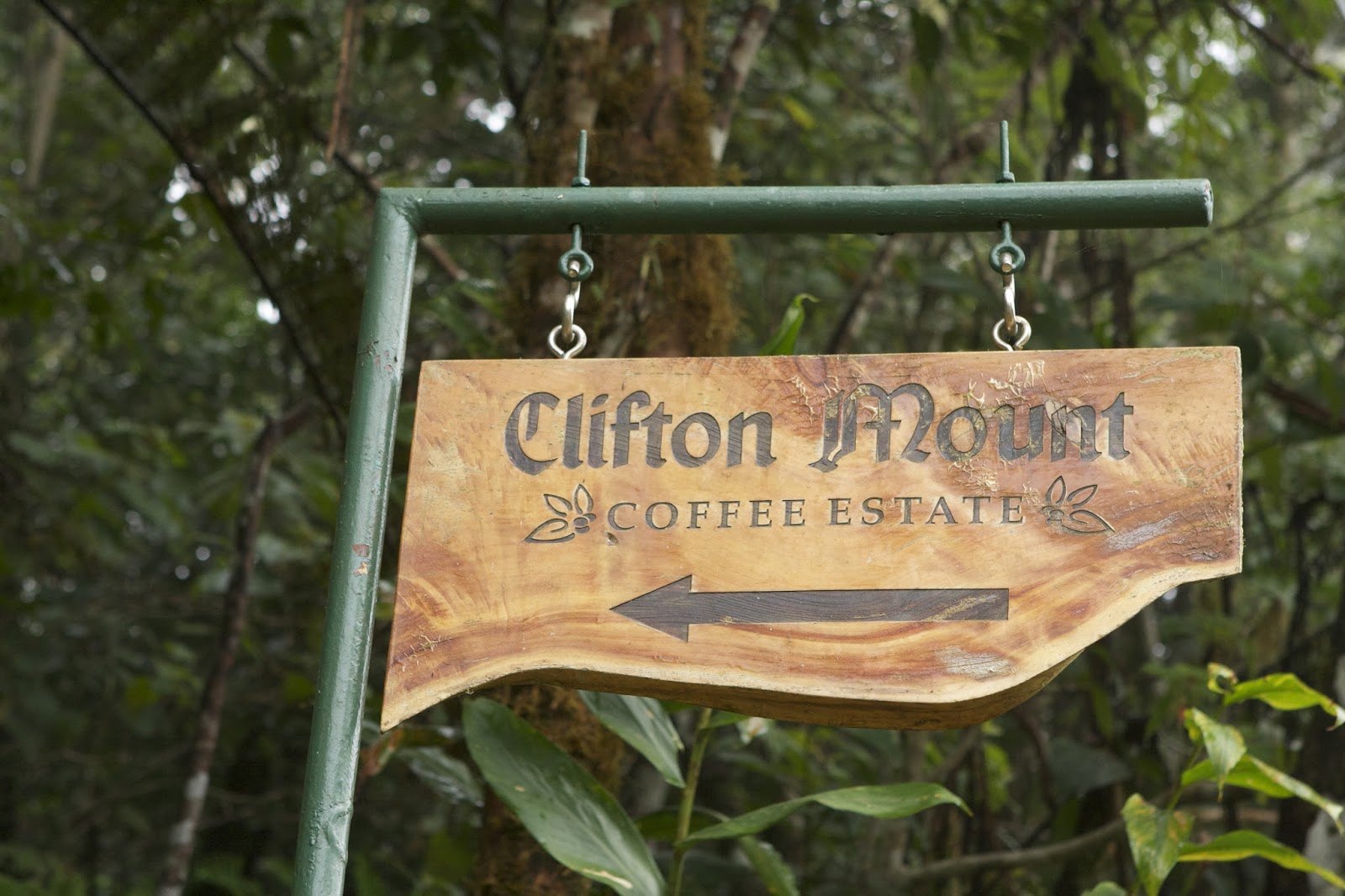
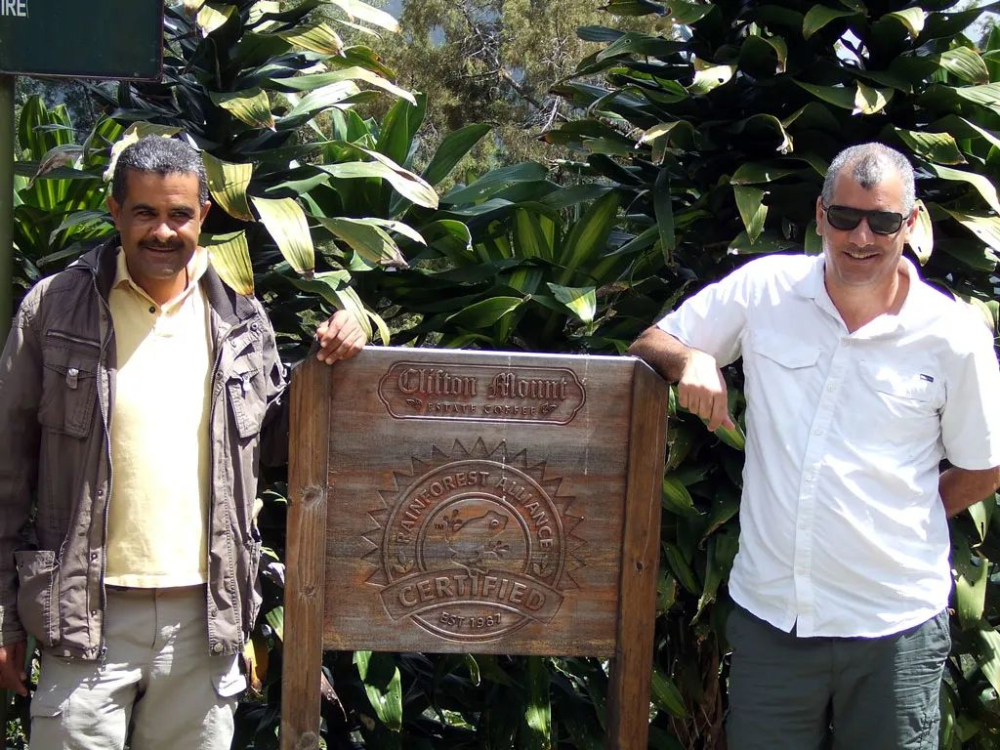
The total planted area in the Blue Mountain region is only about 6,000 hectares, which means not all coffees labeled "Blue Mountain" originate from this area. Currently, the largest estate in the region is Clifton Mount Farm. Although still small-scale by international standards, many estate owners are landowners who have operated family businesses for generations. Of particular note, the Blue Mountain No. 1 coffee produced by Clifton Mount Farm is often regarded as the benchmark of Blue Mountain coffee for its outstanding flavor performance.
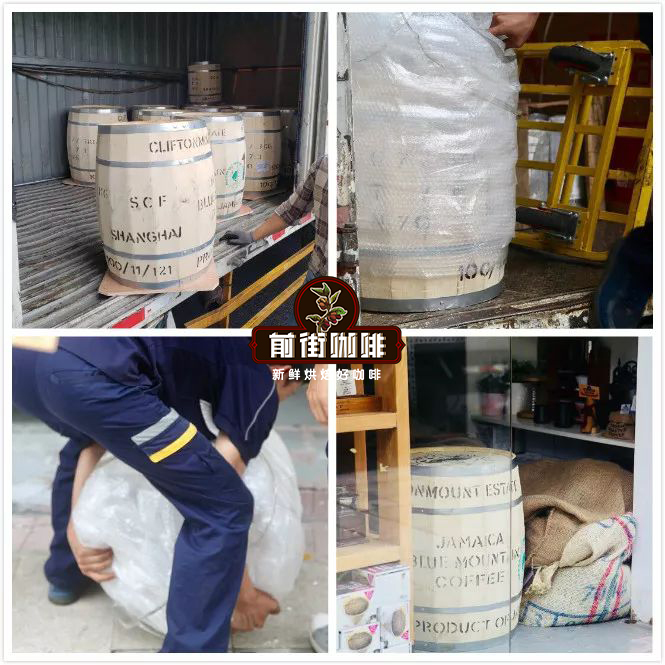
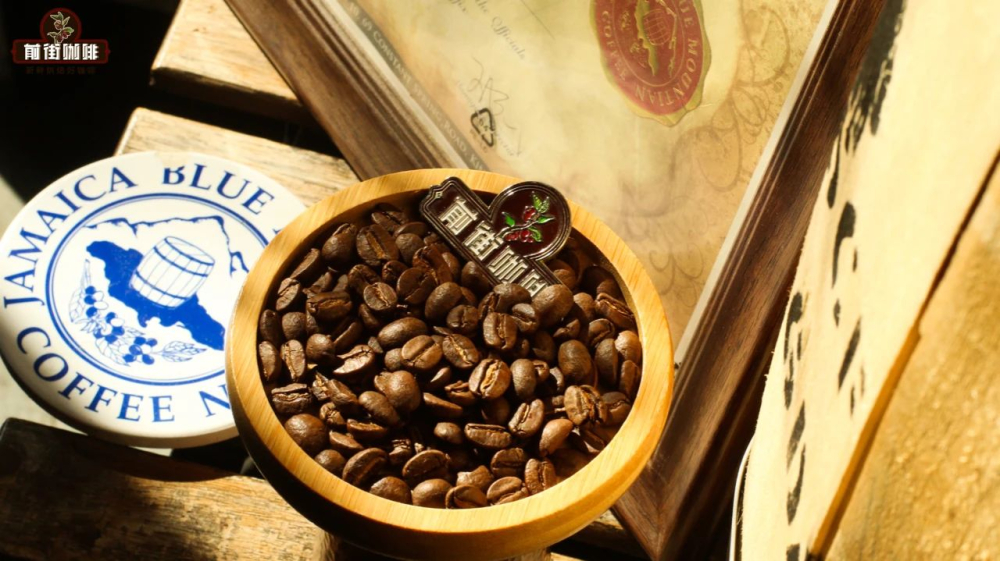
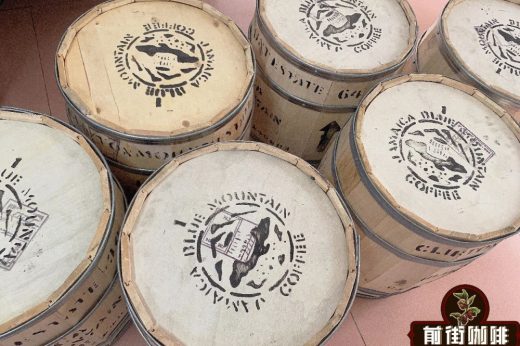
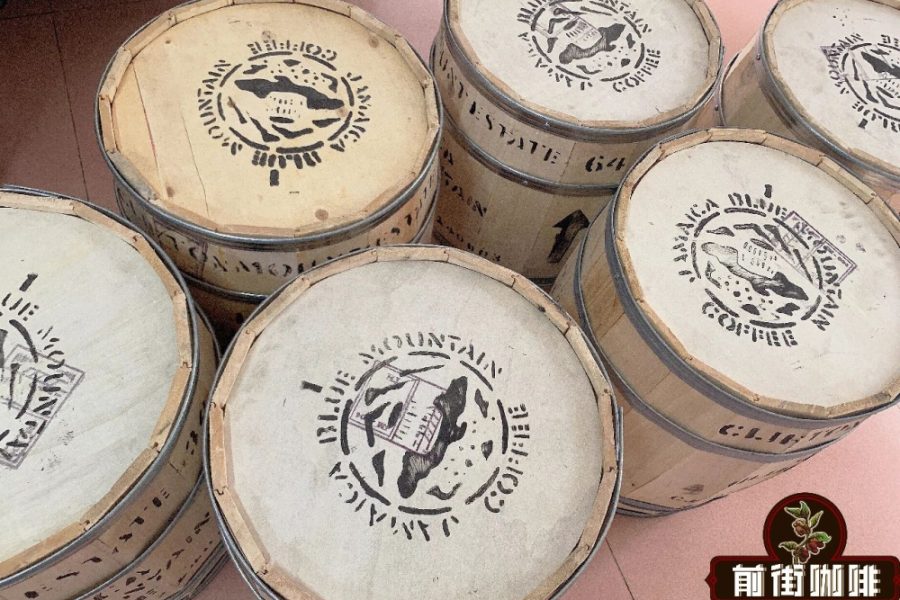
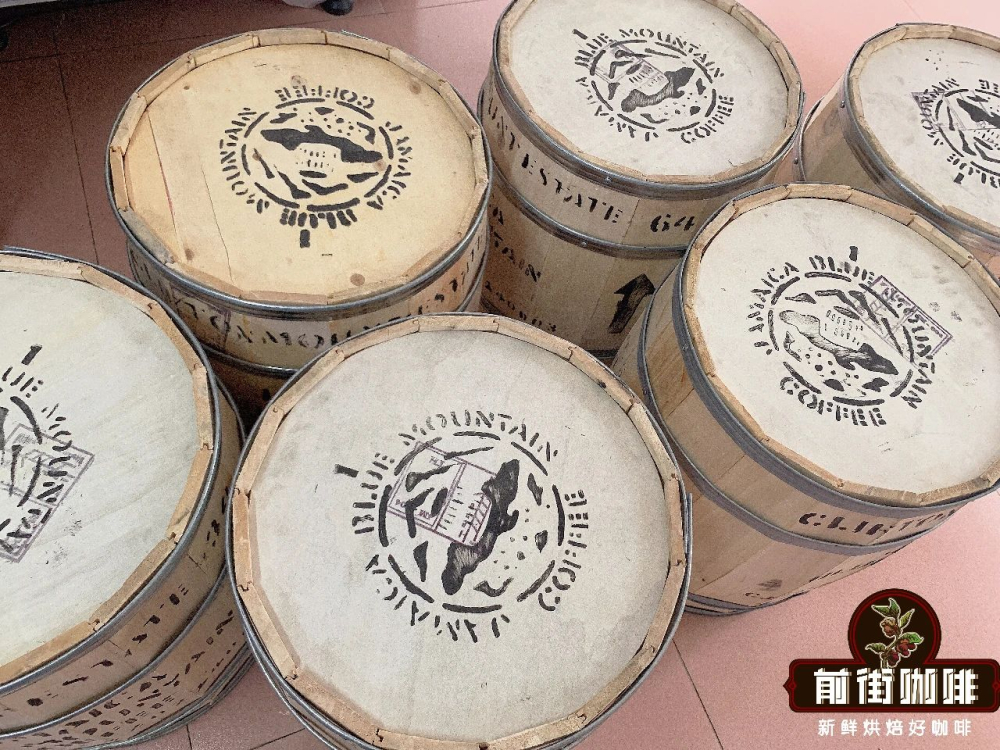
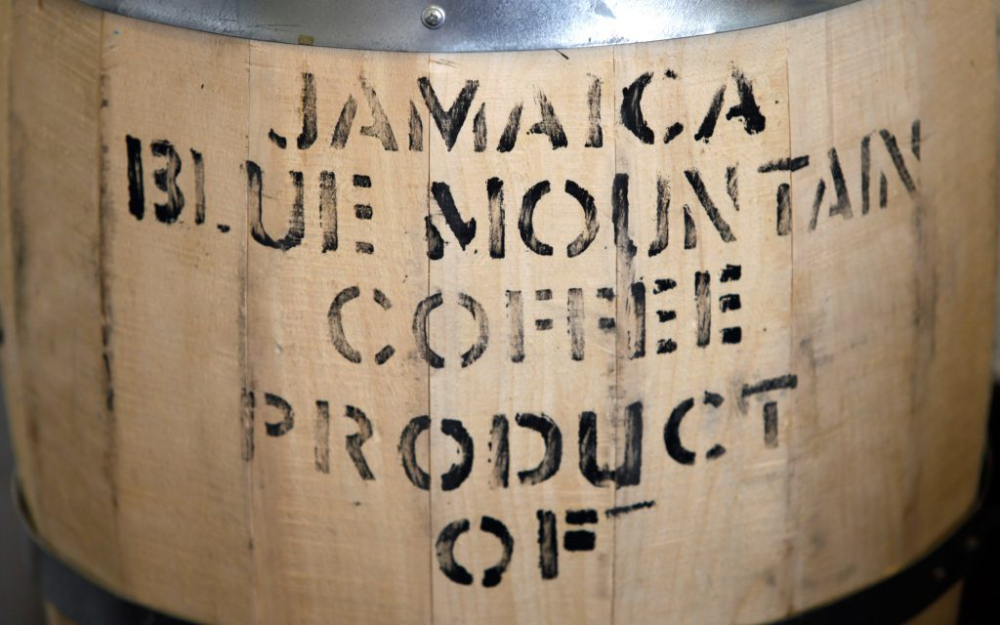
Blue Mountain coffee has another unique feature: it is the only coffee-producing region in the world that transports green beans in wooden barrels rather than burlap sacks, a tradition that preserves the beans' original flavor.
Clifton Mount Farm, as an important producer of Blue Mountain coffee, has the following details: owned by The Sharp family, Rainforest Alliance certified, located in the Newcastle area, with a total area of 250 acres, of which 180 acres are planted with coffee, at an average elevation of 4,300 feet (approximately 1,310.64 meters). The farm uses the washed processing method, cultivates 100% Arabica Typica variety, and its coffee is known for the perfect balance of acidity, body, and aroma.
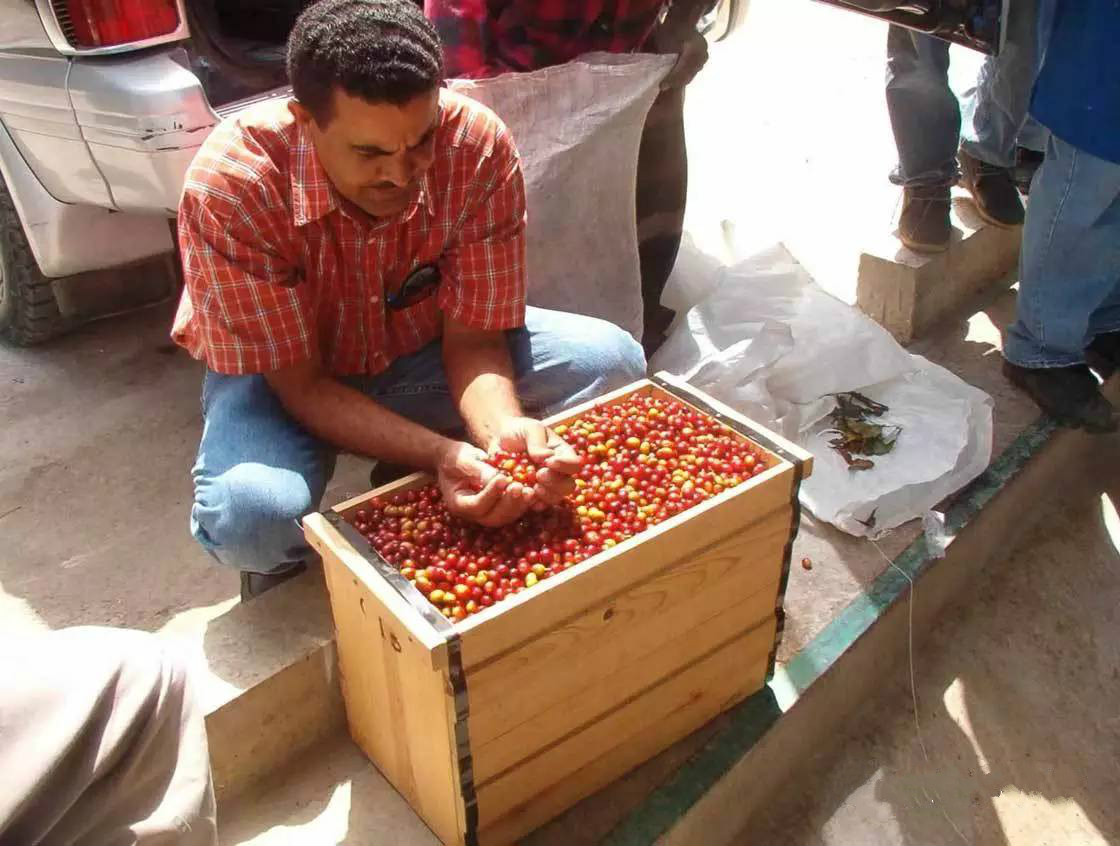
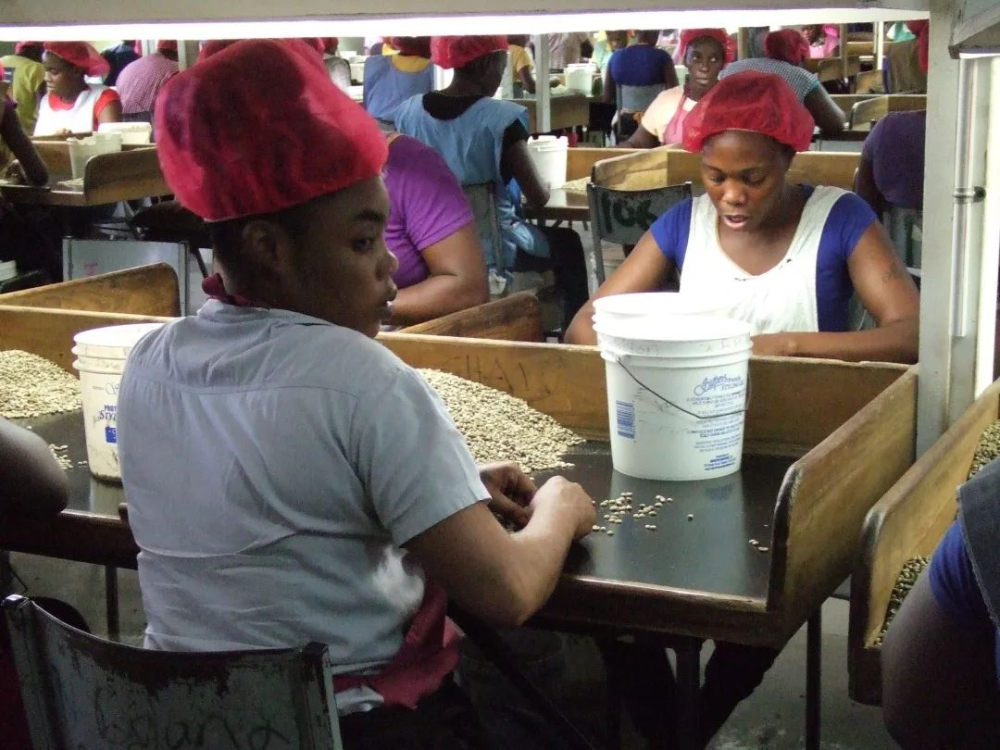
Regarding the processing of Blue Mountain coffee, until recent years the traditional washed method was primarily used. This process includes: first removing the skin, pulp, and mucilage from the coffee fruit, then allowing the beans to ferment in specially built washing pools for 12–18 hours. After fermentation is complete, the beans are placed in pools and washed to a smooth, clean state through friction and running water. At this point the beans are still wrapped in the parchment layer with a moisture content of about 50%, and need further drying to a safe moisture content of 12–14%, otherwise they face the risk of over-fermentation and mold. Subsequent steps include strict sorting, and finally storage in specially designed warehouse stacks. The entire processing flow must be precisely controlled, as any negligence at any stage will affect the final coffee quality.
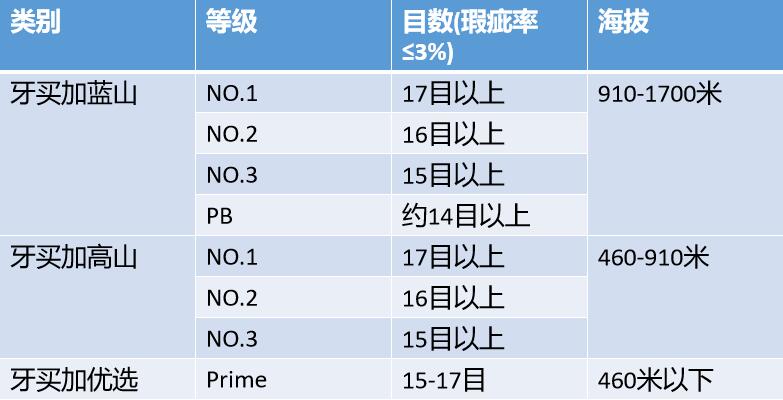
Jamaican Blue Mountain coffee is divided into three main grades: Blue Mountain Coffee, Jamaica High Mountain Supreme Coffee Beans, and Jamaica Prime Coffee Beans. Among these, Blue Mountain Coffee and High Mountain Coffee are each further subdivided into two grades, with the overall quality ranking as follows: Blue Mountain No. 1 > Blue Mountain No. 2 > High Mountain No. 1 > High Mountain No. 2 > Jamaica Coffee. The sub-grade designations are: NO.1, NO.2, NO.3, and PB (peaberry). According to CIB standards, premium NO.1 grade Blue Mountain green beans should meet the following requirements: screen size of 17 or above, defect rate below 3%, moisture content of about 13%, and other criteria.
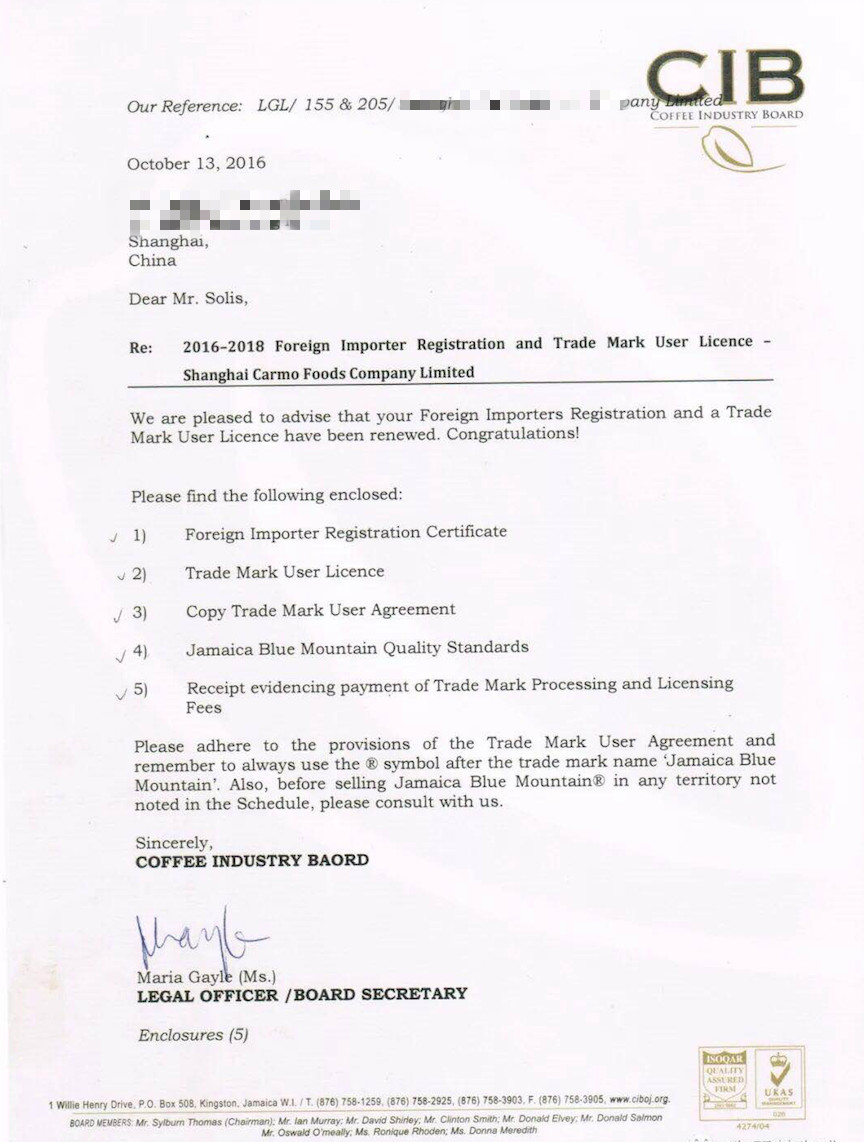
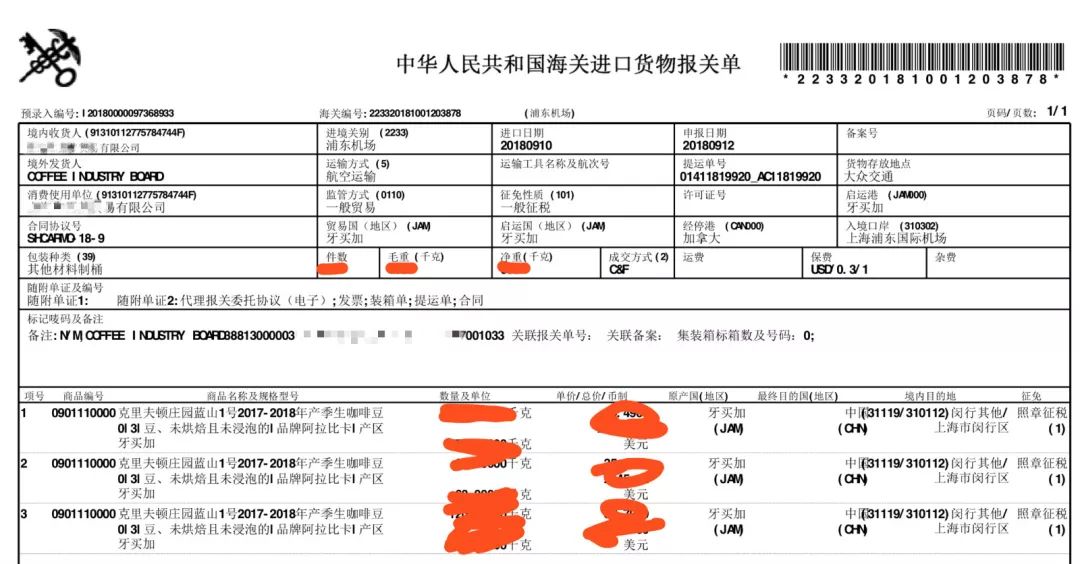
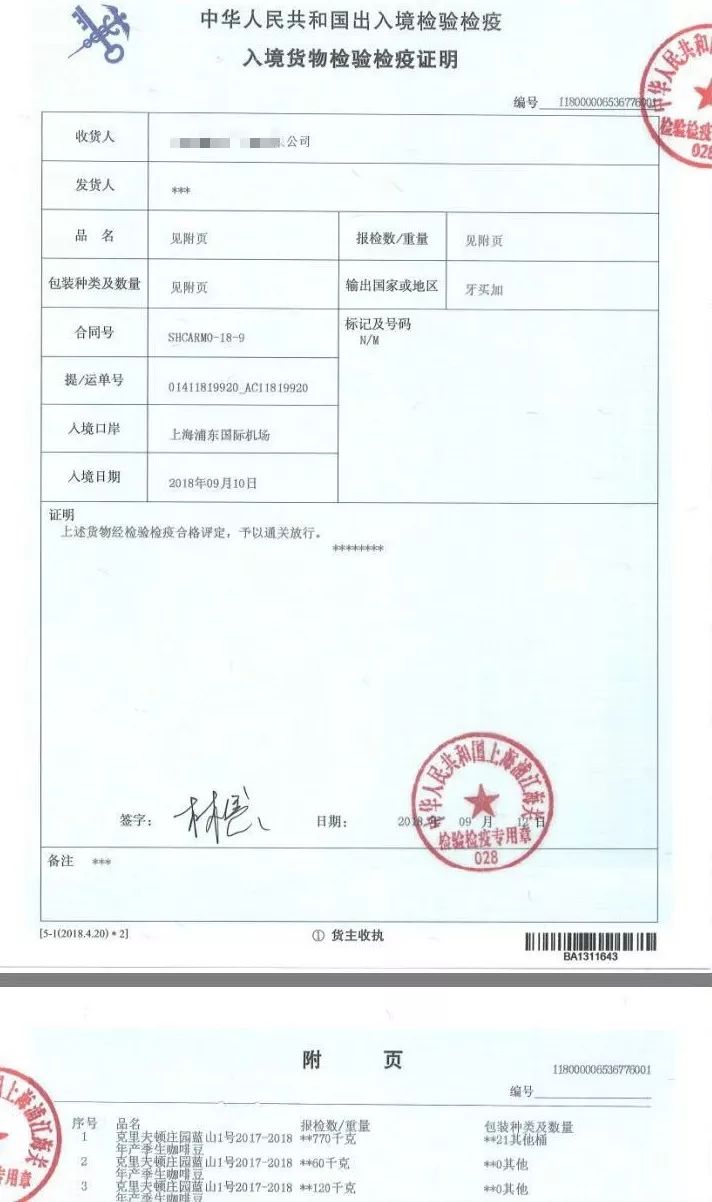
The Jamaican government exercises strict quality control over Blue Mountain coffee, with a dedicated Coffee Industry Board responsible for setting and supervising the enforcement of quality standards, ensuring that both exported green coffee and roasted coffee meet the official seal requirements. The establishment of this system was partly supported by a production quality improvement project funded by Japanese loans.
Although the total Blue Mountain growing region is only about 6,000 hectares, historically an additional 12,000 hectares of land were used to grow the other two coffee categories: High Mountain Supreme and Jamaica Coffee. According to 2013 export statistics from the Jamaica Coffee Board, of the limited Blue Mountain coffee bean quota, 85% was exported to Japan, and 5% went to the United States, Europe, and other countries respectively. Interestingly, China accounts for 15% of global consumption of authentic Jamaican Blue Mountain coffee, which is mainly re-exported to the Taiwan region through directly operated subsidiaries in Japanese, Australian, and European markets.
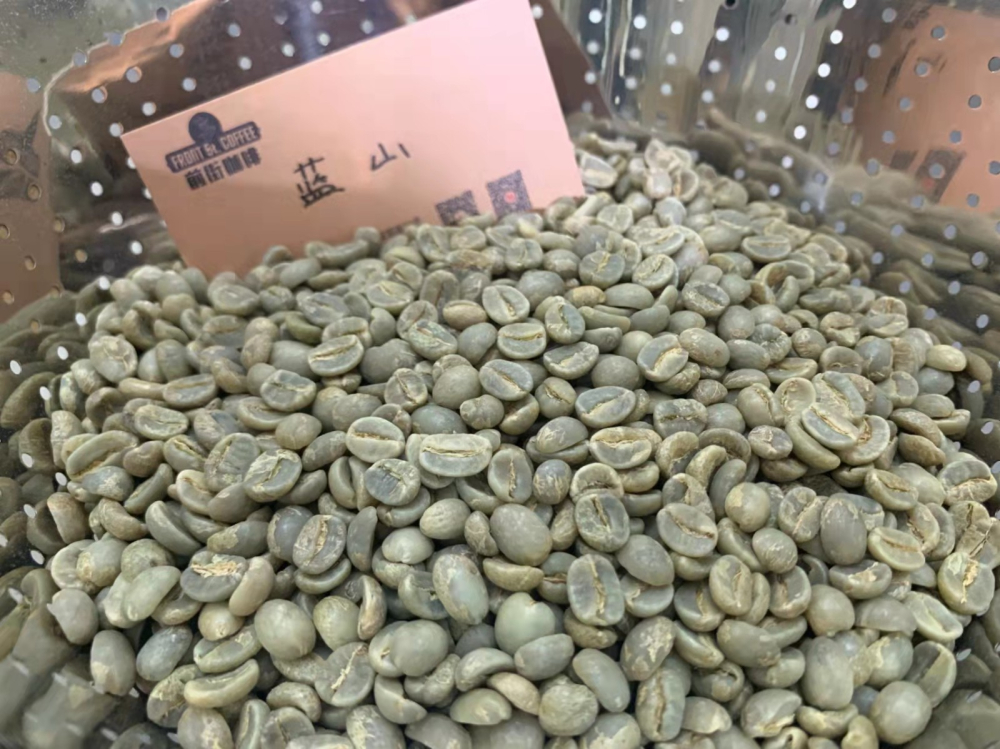
Identifying genuine Blue Mountain coffee can start with the following key characteristics: first, observe the appearance—Blue Mountain green beans are blue-green in color, medium to small in size, with slightly upturned ends, and expand significantly to become plump after roasting; second, genuine Blue Mountain beans, due to the high-altitude growing environment, have a relatively loose cellular structure, and when hand-ground they feel crisp and continuous with no resistance; third, authentic Blue Mountain coffee has an extremely rich and dense aroma, a quality that blends or imitations cannot replicate; and finally, the most important point of identification—taste. Genuine Blue Mountain coffee has a balanced flavor with rich layers, without any single taste being overly prominent or missing; this perfect balance is difficult for other coffee beans to achieve. In addition, Blue Mountain estate beans have a more subtle aroma but a relatively stronger and more powerful taste.
It must be particularly emphasized that genuine Blue Mountain coffee and "Blue Mountain flavor coffee" are completely different concepts. The latter usually uses other bean varieties and mimics the taste characteristics of Blue Mountain coffee through roasting techniques. The "Blue Mountain blend" beans commonly found on the market are relatively easy to identify because they mix coffee beans of various different forms. Consumers should be wary of products with excessively low prices—"premium Blue Mountain" at a few dozen yuan per pound or "Blue Mountain coffee" at a dozen or so yuan per cup is almost certainly counterfeit.
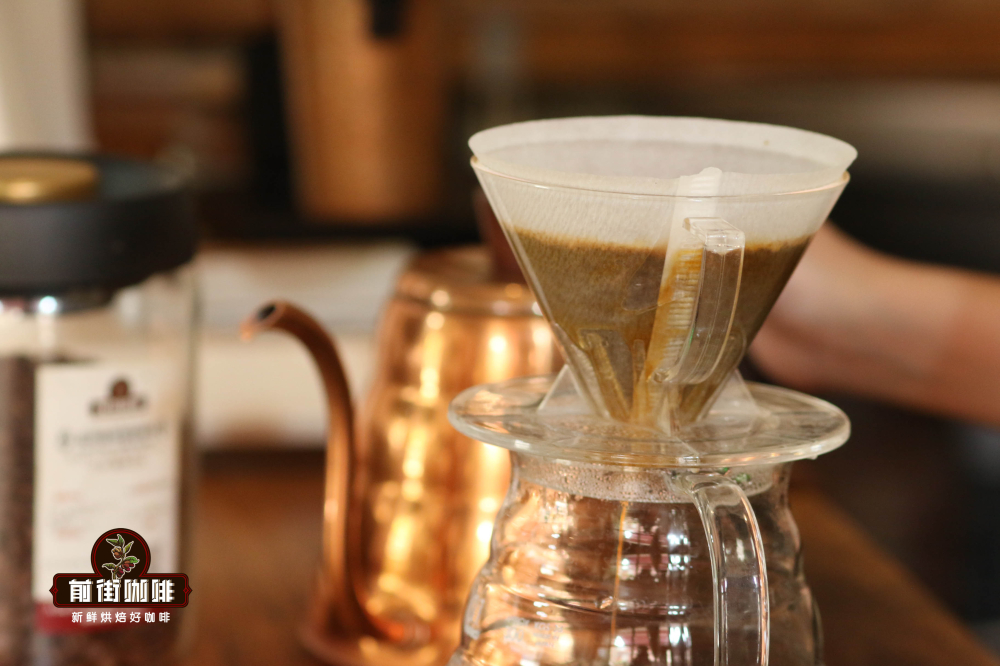
For the storage and brewing of authentic Blue Mountain coffee, freshness is crucial. It is recommended to choose fresh coffee beans within 5 days after roasting, when the flavor is at its most vivid. The ideal brewing parameters are: use a KONO dripper, 15 grams of coffee grounds, 88°C water temperature, a coarse grind with 75% passing through a Chinese standard No. 20 sieve, a water-to-coffee ratio of 1:15, and a total extraction time of about 1 minute 55 seconds. The specific operation can use a three-stage pouring method: first, 30 grams of water for a 30-second bloom, then the first pour to 120 grams before stopping, using a vertical stream in a small, slow circular motion; then the second pour to 210 grams, with the stream and circling speed slightly increased to prevent grounds from clogging the dripper.
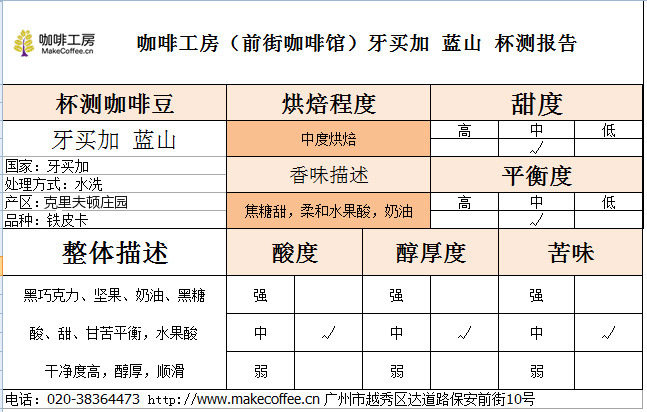
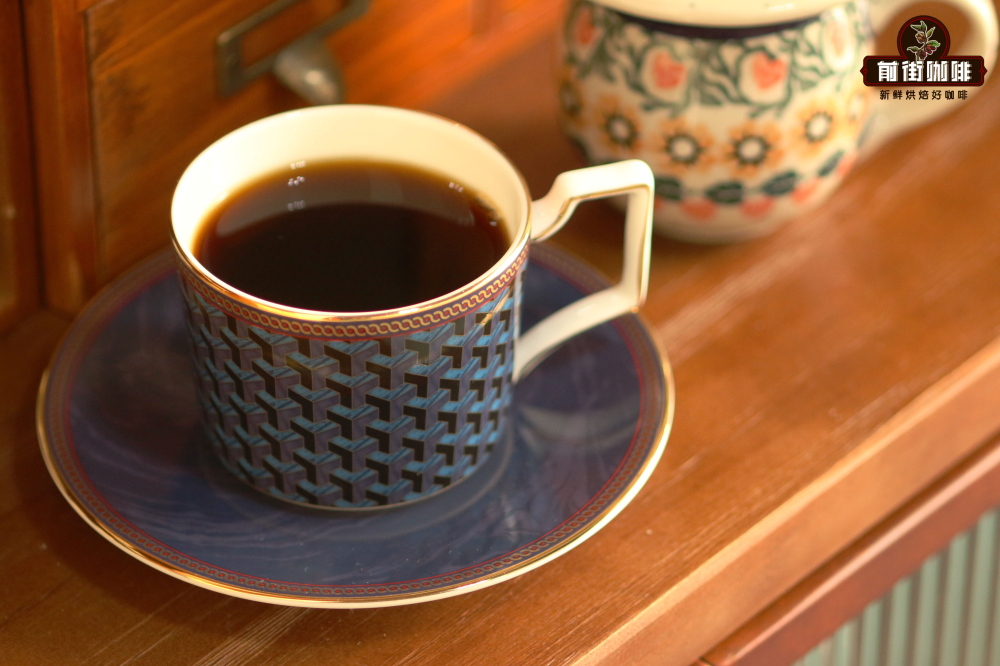
The flavor characteristics of authentic Blue Mountain No. 1 coffee are: bright and delicate acidity, a velvety smooth mouthfeel, an aroma with moderate penetration, accompanied by floral notes, spiciness, and citric acidity. On the palate there is a subtle chocolate finish; the overall taste is pure, complex, and mild, with sweetness prominently expressed as chocolate sweetness and excellent body. The three tastes of acidity, sweetness, and bitterness are perfectly balanced, with absolutely no bitterness, only moderate and elegant acidity, and a persistent finish showing fruity notes. The dry aroma reveals notes of roasted peanuts, hazelnuts, melon, and chocolate; the wet aroma displays layers of oolong tea, caramel, honey, dark chocolate, and almond skin, with a silky-smooth mouthfeel and prominent brightness.
The wooden barrel packaging tradition, strict grade classification system, and unique flavor characteristics of Blue Mountain coffee have made it a legend among coffee enthusiasts. By understanding this professional knowledge, you will be better able to appreciate and enjoy the extraordinary experience brought by this world-class coffee.