Jamaica Blue Mountain No. 1 Coffee: Identification Guide and Flavor Analysis
Introduction: Jamaica Blue Mountain No. 1 coffee is hailed as one of the world's finest coffees, prized for its balanced flavor and rarity. Yet the market is flooded with counterfeit products. How can you tell genuine from fake and understand its unique flavor? This article provides a comprehensive analysis of Blue Mountain No. 1's growing environment, flavor characteristics, and price ranges, and offers 8 practical identification methods to help you buy authentic beans. It also includes professional brewing parameters and techniques to help you fully experience the charm of this rare coffee.
Jamaica Blue Mountain coffee is a legend among coffee lovers worldwide, grown in the Blue Mountain range at elevations of 1,200 to 1,700 meters, with the highest-quality Blue Mountain No. 1 beans coming from areas up to 2,256 meters. This region has a cool, misty climate, abundant rainfall, and fertile, well-drained soil, providing nearly perfect growing conditions for coffee trees. As a result, Blue Mountain No. 1 is renowned worldwide for its balanced acidity, sweetness, and bitterness, and its smooth, full-bodied mouthfeel.
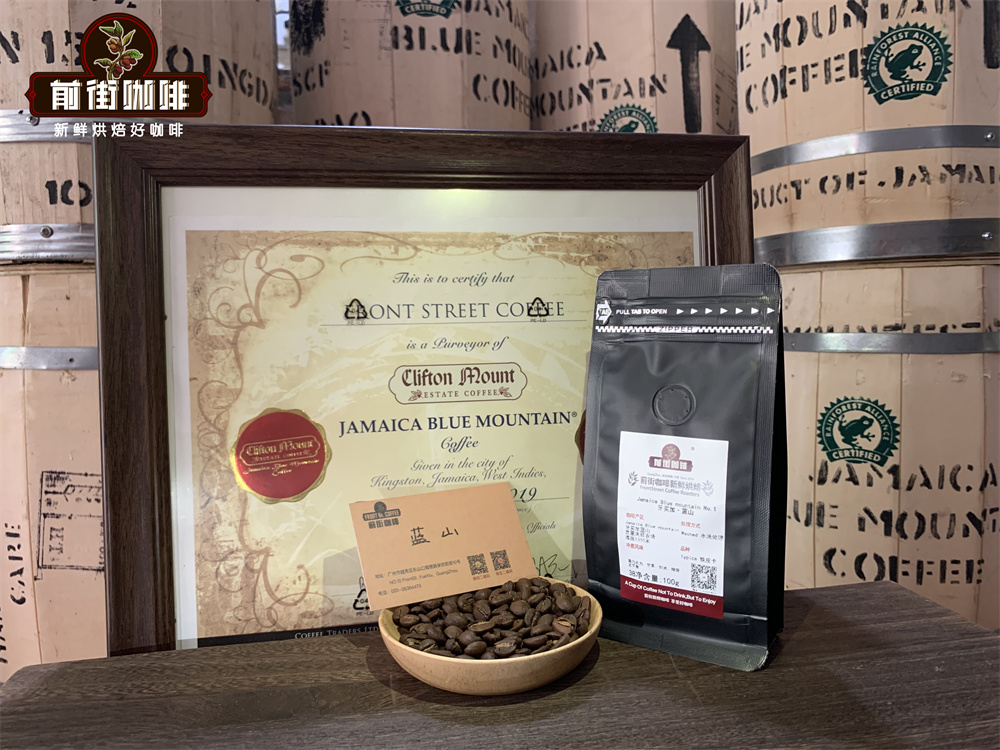
However, the market is flooded with counterfeit products bearing the "Blue Mountain" name, and consumers can easily buy fakes if they are not careful. Many products claim "Blue Mountain flavor" but actually contain only a tiny proportion of genuine Blue Mountain beans, or none at all. Therefore, mastering identification techniques and understanding the characteristics of genuine beans is key to purchasing Blue Mountain No. 1.
Here are eight practical methods to identify authentic Jamaica Blue Mountain No. 1 coffee:
1. Taste the flavor
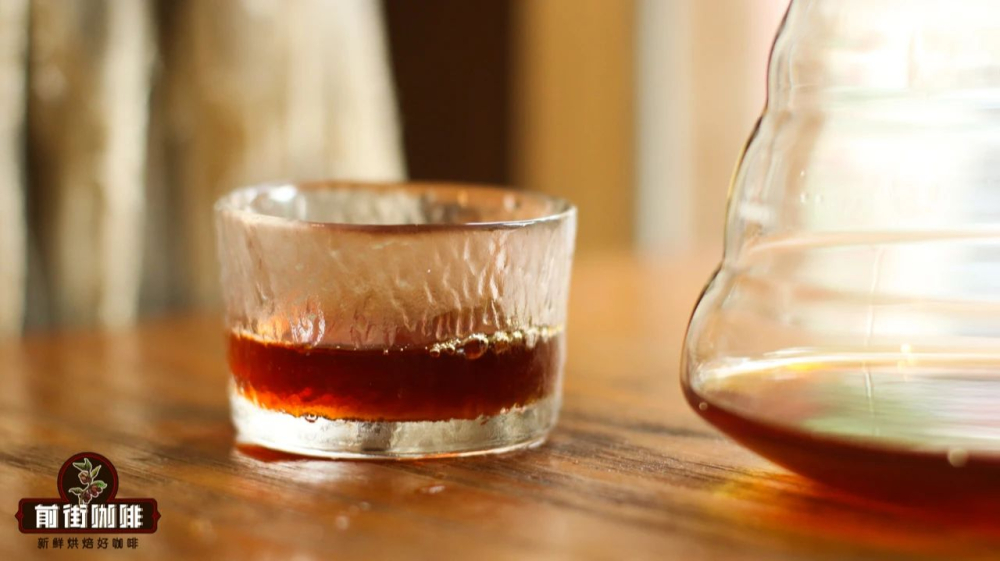
Genuine Blue Mountain No. 1 is soft and mellow on the palate, with balanced acidity, sweetness, and bitterness, and a finish with mild fruity and nutty notes. Counterfeits often taste thin and harsh, lacking this natural balance.
2. Check official certification
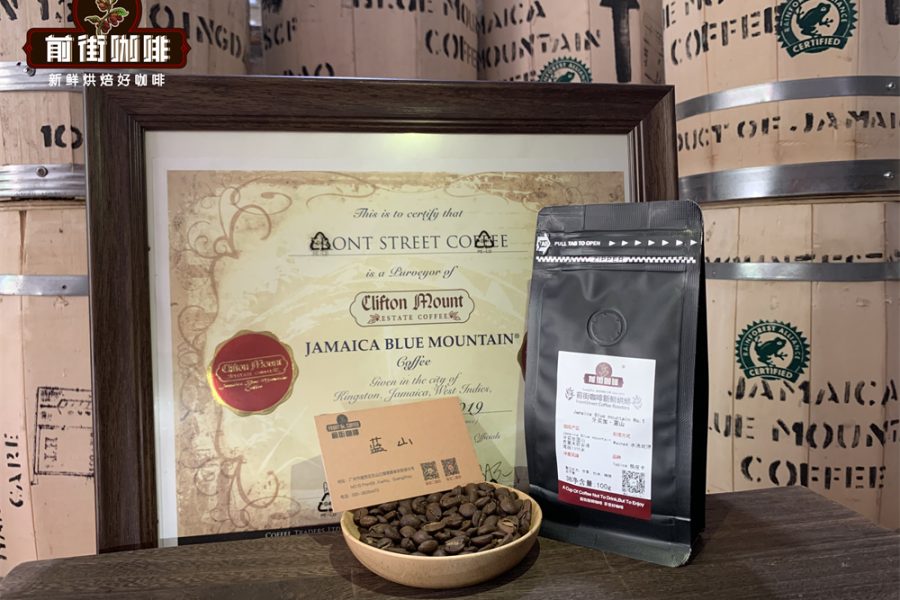
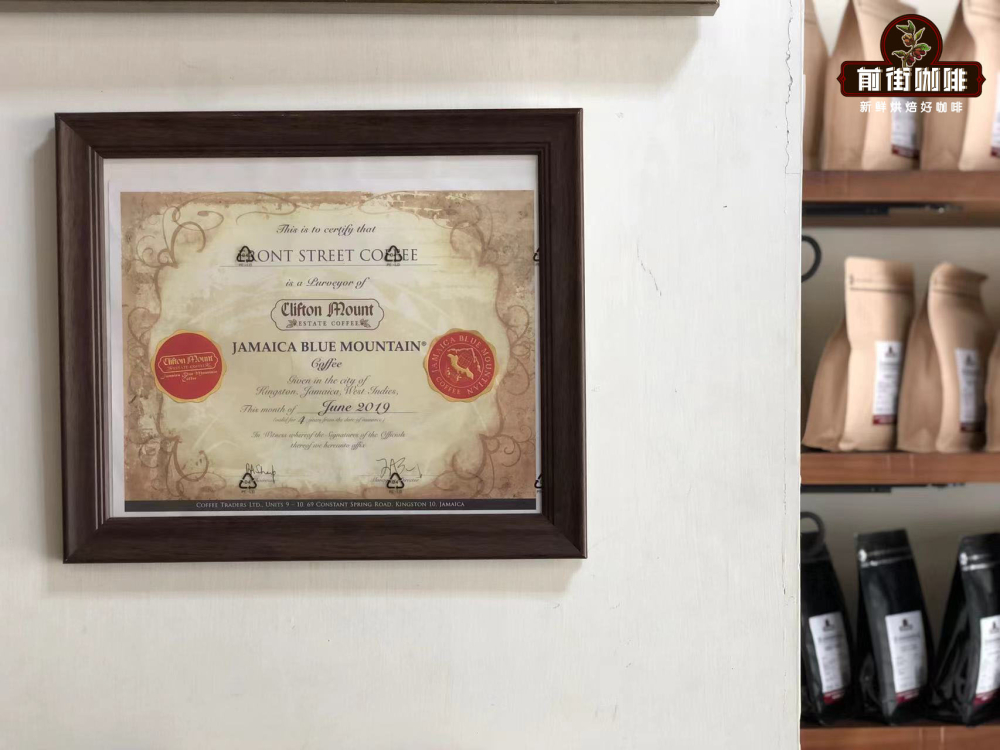
Authentic Blue Mountain coffee must be certified and regulated by the Jamaica Coffee Industry Board (now the Jamaica Agricultural Commodities Regulatory Authority, JACRA), and only authorized companies may export it. Since 2018, JACRA has taken over the functions of the former CIBOJ, responsible for setting quality standards and export licenses to ensure every batch of Blue Mountain coffee meets strict specifications.
3. Confirm the true origin
Although Blue Mountain coffee is of course from Jamaica, for historical reasons some Blue Mountain beans entering Asian markets were exclusively represented by Japanese brands, whose trademarks often appear on packaging. Therefore, it is especially important to confirm that the beans actually come from Jamaica's Blue Mountain region, rather than being processed or imitated elsewhere.
4. Observe the packaging
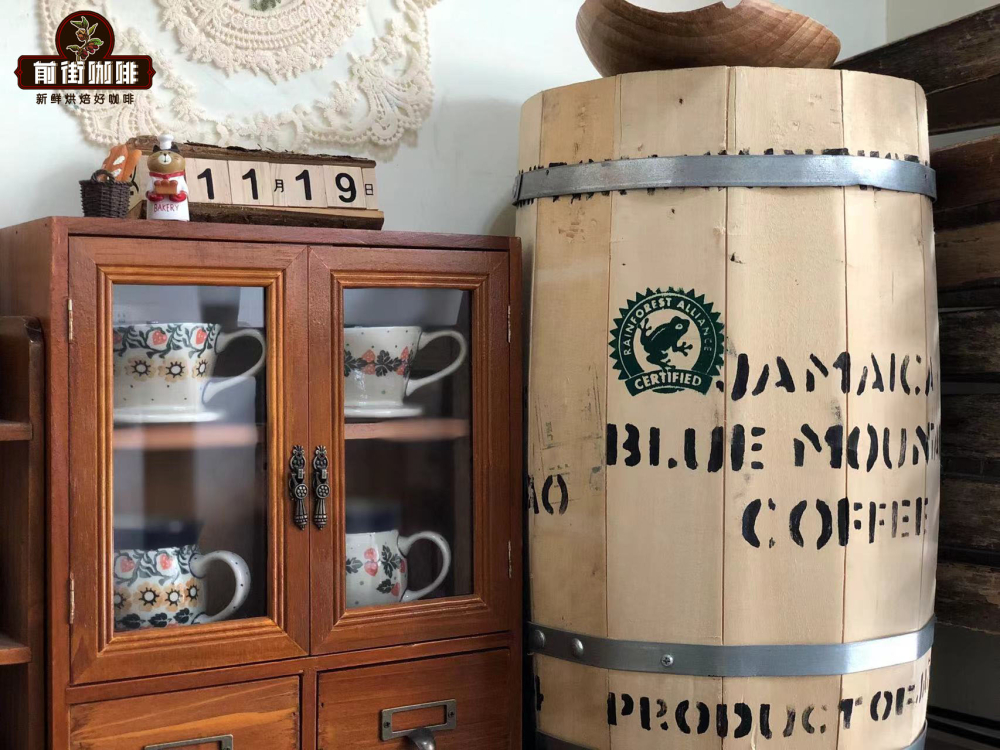
Traditionally, green Blue Mountain beans are packaged in sealed foil bags or burlap sacks, and in recent years wooden barrels have often been used—a practice unique to Jamaica and one of the few regions worldwide that still insists on wooden barrel storage and transport for coffee. Be wary of so-called "Blue Mountain coffee" packaged in painted wooden barrels or ordinary wooden crates, which neither conform to traditional craft nor may preserve flavor.
5. Identify the correct grade
Blue Mountain coffee is divided into five grades by quality: Blue Mountain No. 1 (highest), Blue Mountain No. 2, Blue Mountain No. 3, Blue Mountain PB (peaberry), and Jamaica High Mountain Coffee. If you see grades marked AAA, AA, A, or G1, it can basically be determined to be counterfeit, as these classifications do not belong to the Blue Mountain system.
6. Check the appearance of green beans
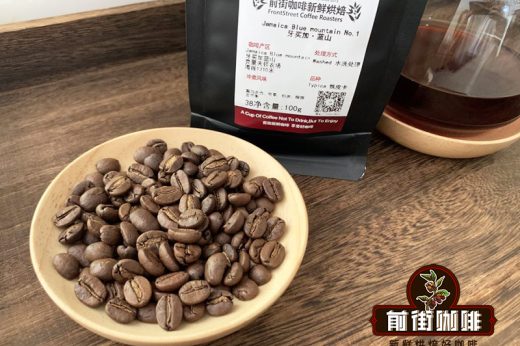
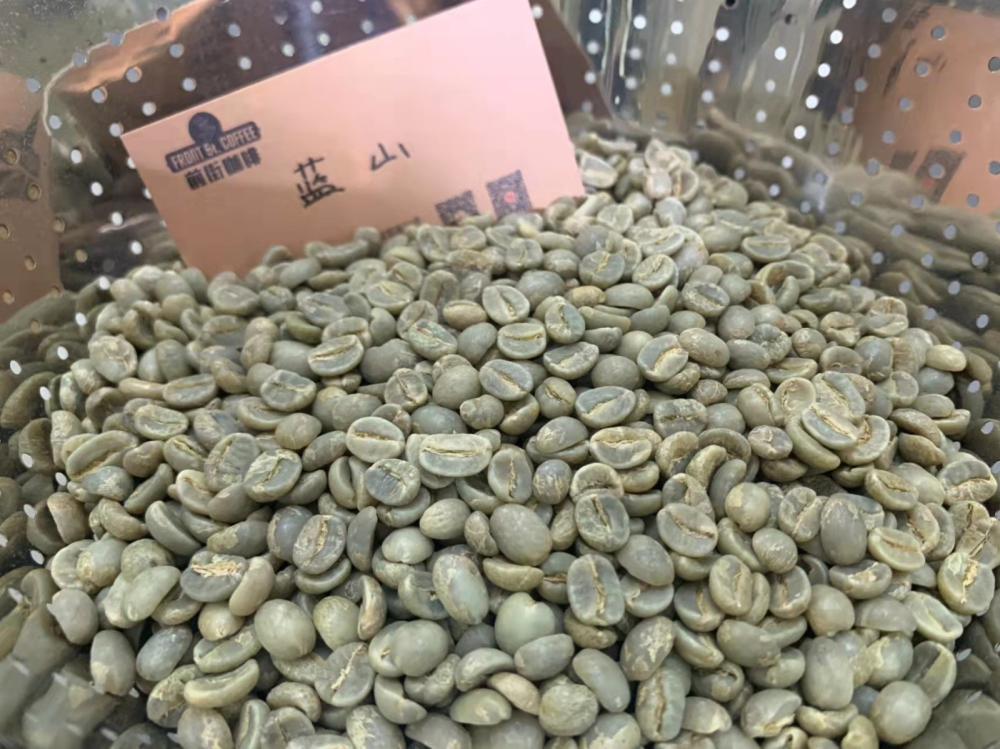
Genuine Blue Mountain green beans are light green, uniform in size, somewhat small, and slightly curved at both ends. After roasting, the beans are plump and round, uniform in color, with no obvious defects.
7. Feel the grinding state
Because Blue Mountain coffee grows at mid-elevations, the green beans are relatively porous. When ground with a hand grinder, they produce a crisp sound and feel smooth without resistance, clearly different from low-quality hard beans.
8. Smell the aroma characteristics
True Blue Mountain coffee's dry aroma often carries roasted nut notes (such as peanut and hazelnut), and in the wet aroma stage an elegant fragrance reminiscent of oolong tea may emerge. After roasting, the overall aroma is rich and steady, with fruity and chocolate notes, while counterfeit aromas are often erratic, lacking layers and persistence.
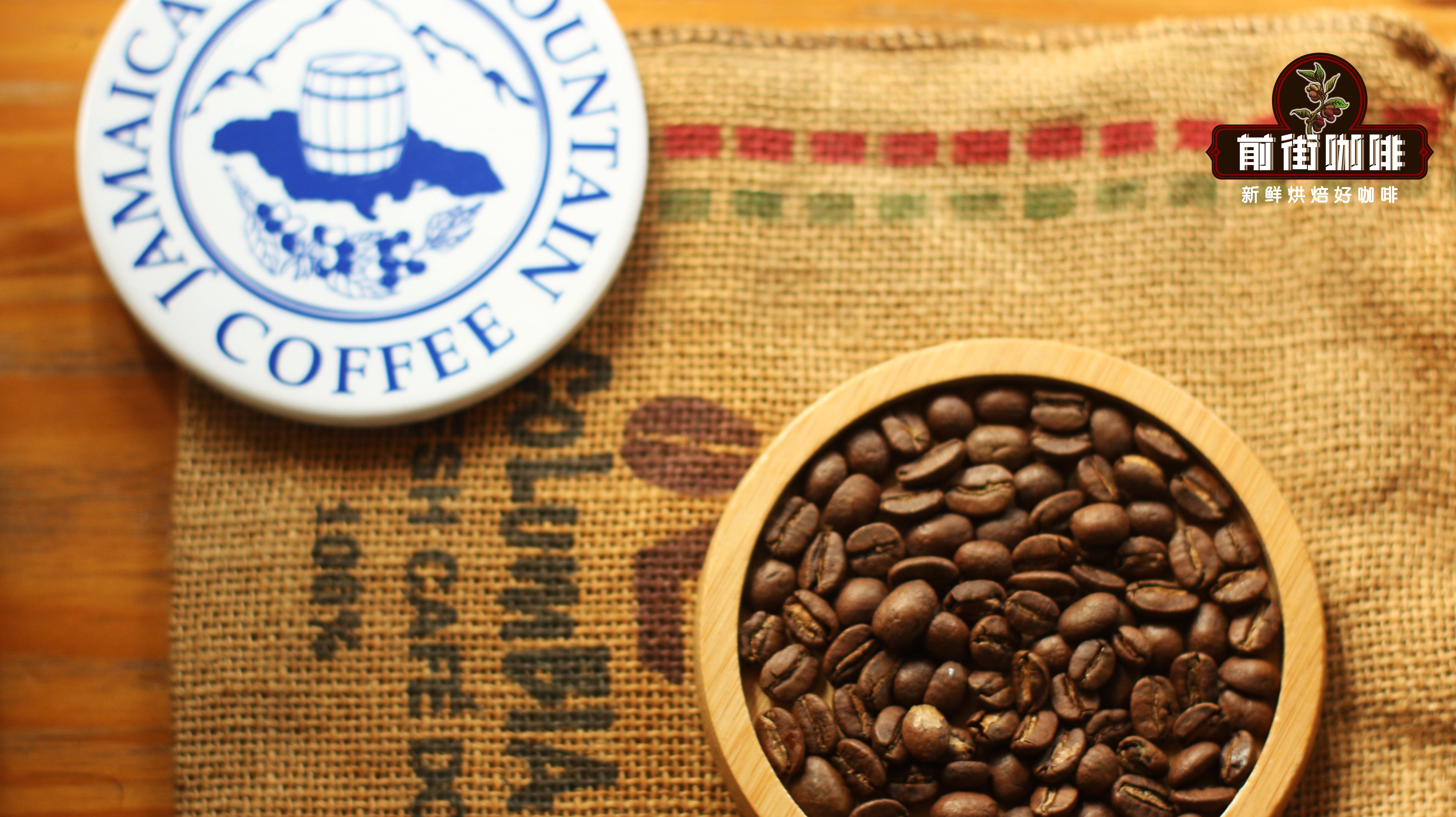
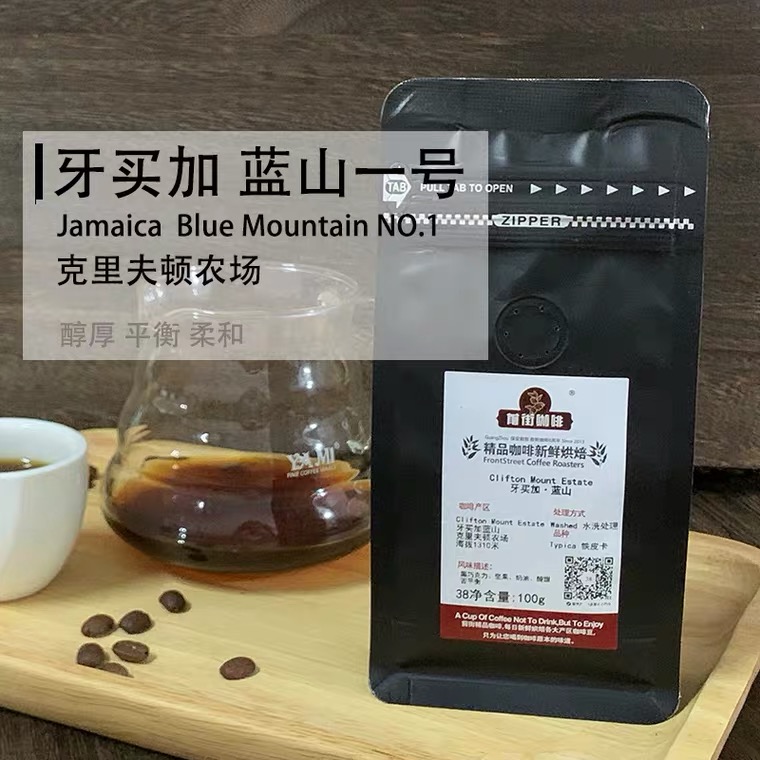
Among the many Blue Mountain grades, Blue Mountain No. 1 is undoubtedly the standout. It comes from the core area of the Blue Mountain range, where high elevation and large temperature differences create its unique flavor profile. Its flavor is clean and pure, with moderate, bright acidity, a full and mellow mouthfeel, and a long finish with soft caramel and fruity sweetness, with almost no perceptible bitterness throughout.
The dry aroma often gives off the warm scent of roasted nuts, and after blooming it may reveal a fresh aroma similar to oolong tea. On the palate, chocolate is the main axis, accompanied by moderate fruit acidity and sweetness, and the finish transitions smoothly to a warm caramel-like close.
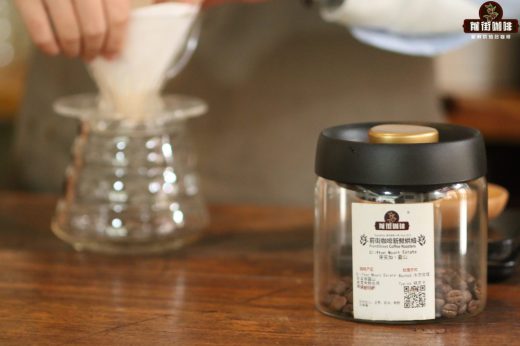
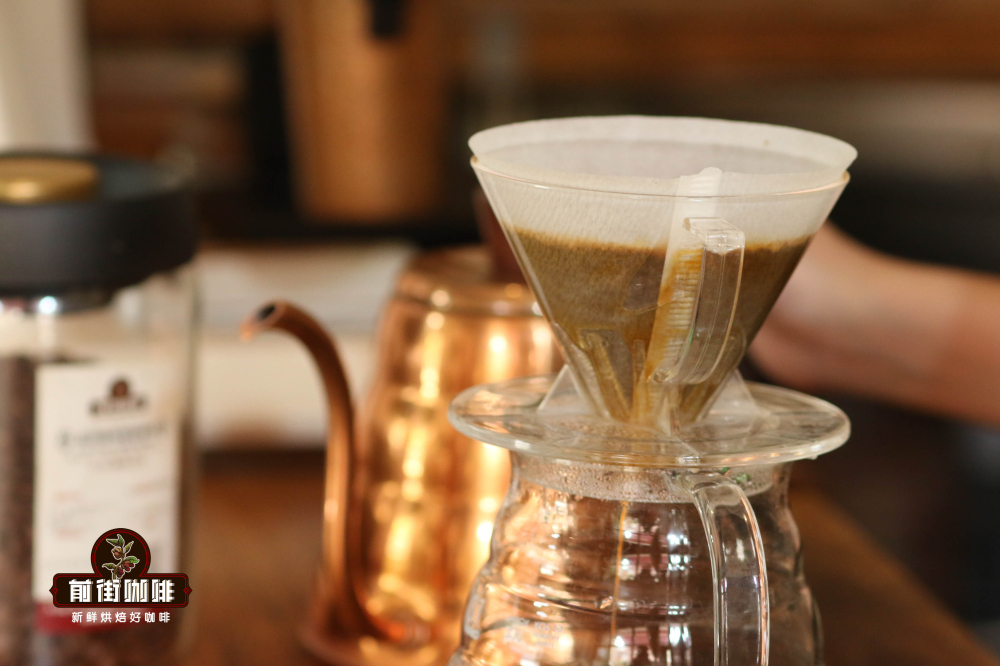
If you have the chance to taste genuine Blue Mountain No. 1, it is recommended to use a medium-coarse grind, medium-low water temperature, and a longer extraction time to fully reveal its delicate layers. For example, using a Kono dripper with a 1:15 coffee-to-water ratio, 88°C water temperature, and medium-coarse grind (about 0.8–1.0 mm) can effectively enhance body and aroma.
Specific brewing parameters are recommended as follows:
• Dripper: Kono (or other similar fan-shaped flow dripper, which helps stabilize flow rate and extraction uniformity)
• Dose: 15 g
• Coffee-to-water ratio: 1:15 (i.e., 225 ml total water)
• Water temperature: 88°C (can be adjusted slightly based on bean freshness)
• Grind: medium-coarse (close to the medium-fine commonly used for pour-over, avoiding over-extraction from too fine a grind)
Brewing steps for reference:
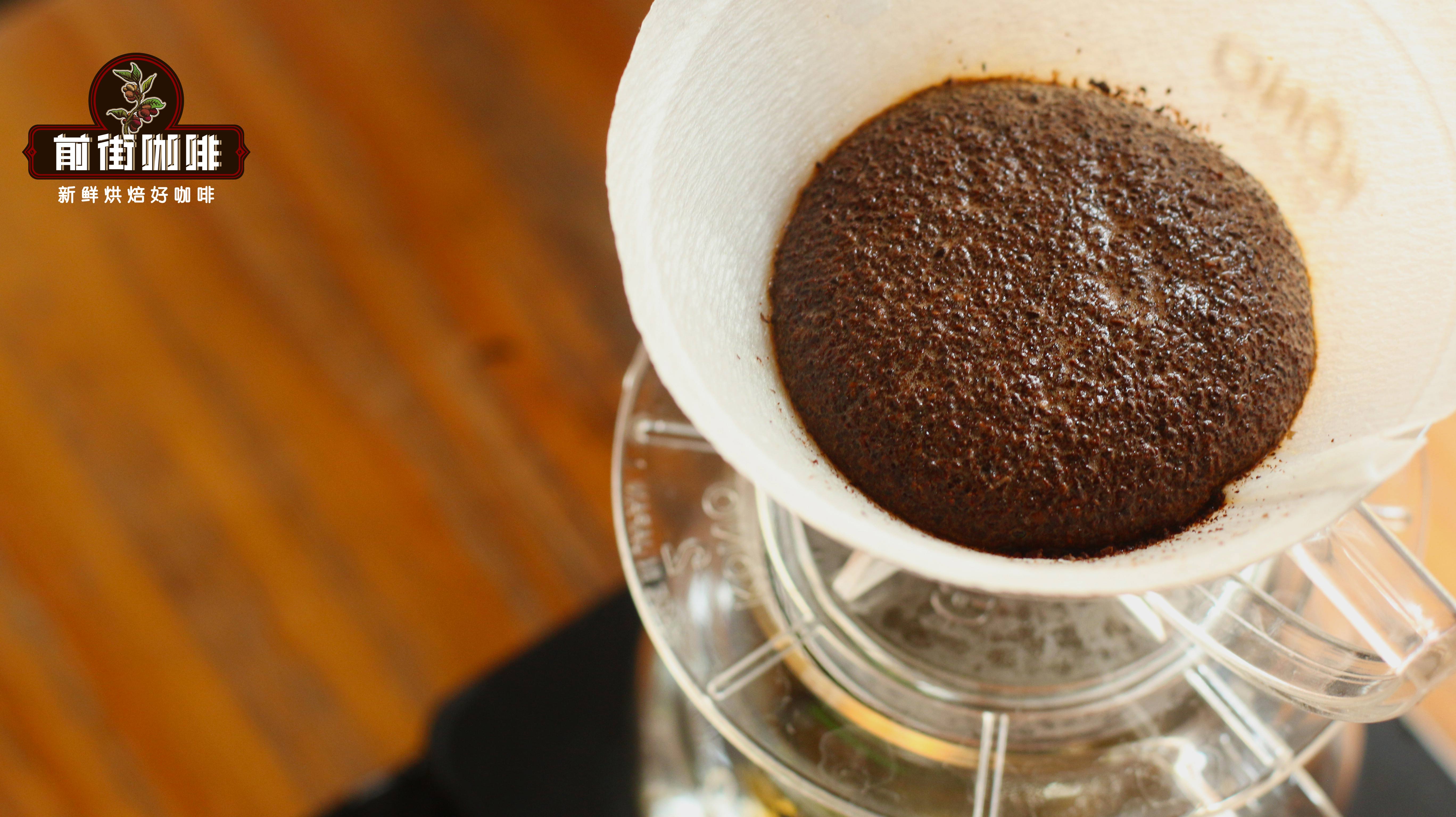
1. First pour 30 g of water for a 30-second bloom to help release gases and activate the coffee grounds;
2. Then slowly pour in a small stream in circles from the center outward, pausing at 120 g of water;
3. Wait until the coffee bed drops to about half its height, then pour with a larger stream to 225 g to complete extraction;
4. Finally, wait for the coffee to finish dripping, with total time controlled at about 2 minutes.
This technique helps ensure even extraction, avoiding local over-extraction or under-extraction, allowing the delicate flavor of Blue Mountain No. 1 to be fully expressed.
In summary, Jamaica Blue Mountain No. 1 coffee is famous not only for its rarity and outstanding quality, but also for the irreproducible flavor bestowed by its strict production standards and natural environment. Mastering the above identification techniques and brewing suggestions will help you better savor this coffee treasure from the heights of the Caribbean.