PWN Golden Mandheling: From Growing Region to Pour-Over
Introduction: Take a closer look at the distinctive character of authentic Indonesian PWN Golden Mandheling coffee beans, from the growing environment of Sumatra's Gayo Mountain region to the wet-hulling process, with a full breakdown of its flavor characteristics and brewing points. This article will guide you through the flavor layers of this classic Mandheling, the best pour-over parameters, and the story behind the shift in varieties, helping you fully experience its mellow, sweet, distinctive cup.
The Growing Region and Variety Changes of Golden Mandheling
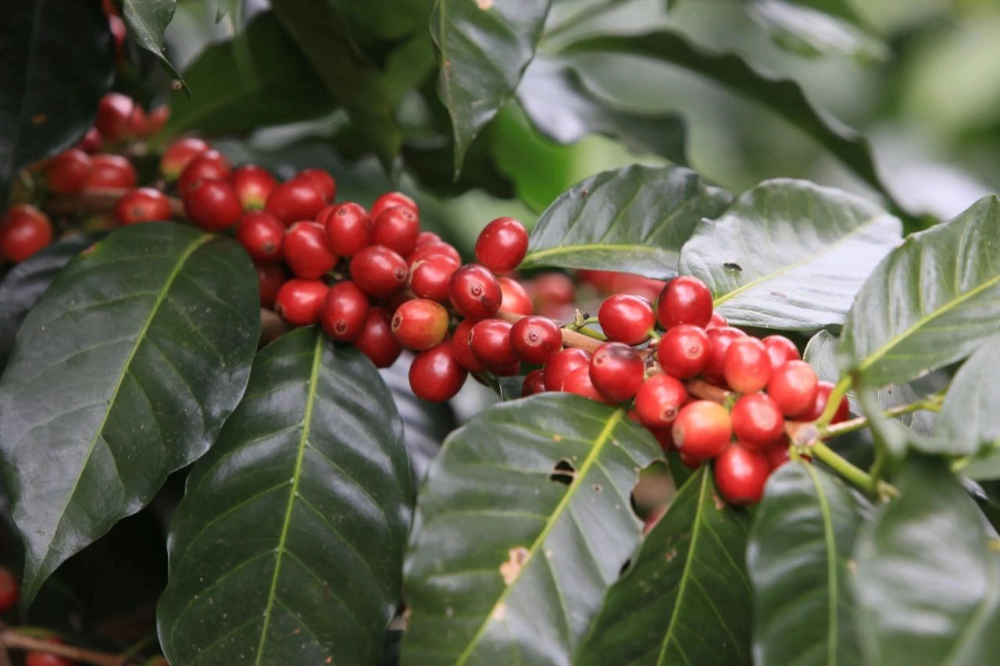
Gayo Mountain in northern Sumatra (in the Aceh special region) is the main growing area for today's Golden Mandheling. At elevations between 1,100 and 1,600 meters, the coffee is grown around Takegon town and the slopes surrounding Lake Tawar. Compared with the Lintong region labeled in the past, Gayo Mountain has in recent years benefited from a more stable political situation, allowing coffee growing and export to develop better, and the quality of its coffee is even superior to that of the traditional Lintong area.
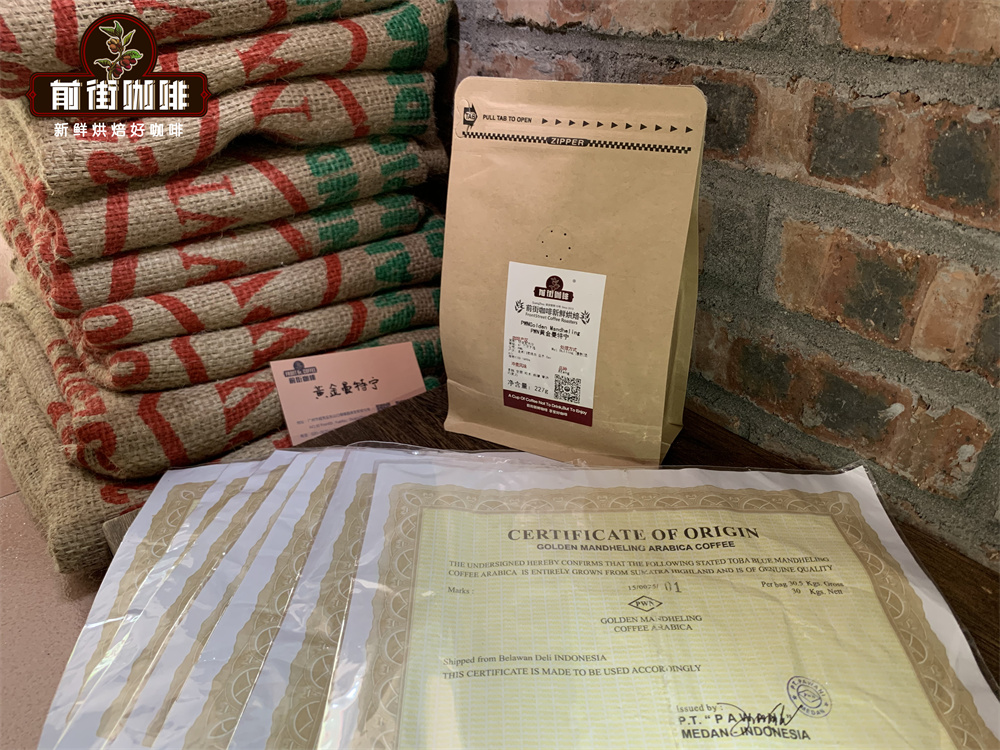
It is worth noting that the bean variety used in today's Golden Mandheling has changed from the former Typica to Ateng, the local Indonesian name for the Catimor coffee variety. Ateng is highly adaptable, particularly suited to growing in Aceh's high-altitude environment, and gives the coffee a distinctive regional flavor.
The Origin of the Name Golden Mandheling
A widely told story surrounds the origin of the name "Mandheling": during World War II, Japanese soldiers tasted the local high-quality coffee in Indonesia and never forgot it. After returning home, they asked traders to buy it on their behalf, but due to a language misunderstanding, the tribal name of the origin, "Mandailing," was misheard as "Mandehling," which eventually became "Mandheling." Although the name originally referred to a tribe, it has now become synonymous with high-quality Sumatran arabica coffee.
The Grade and Sorting of Golden Mandheling
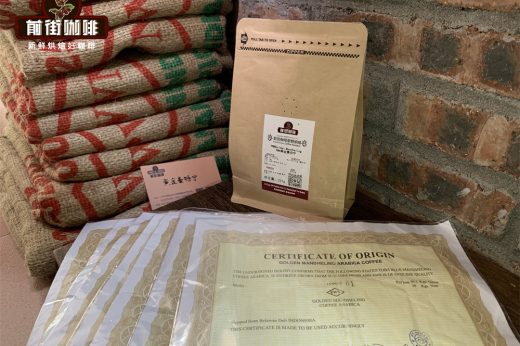
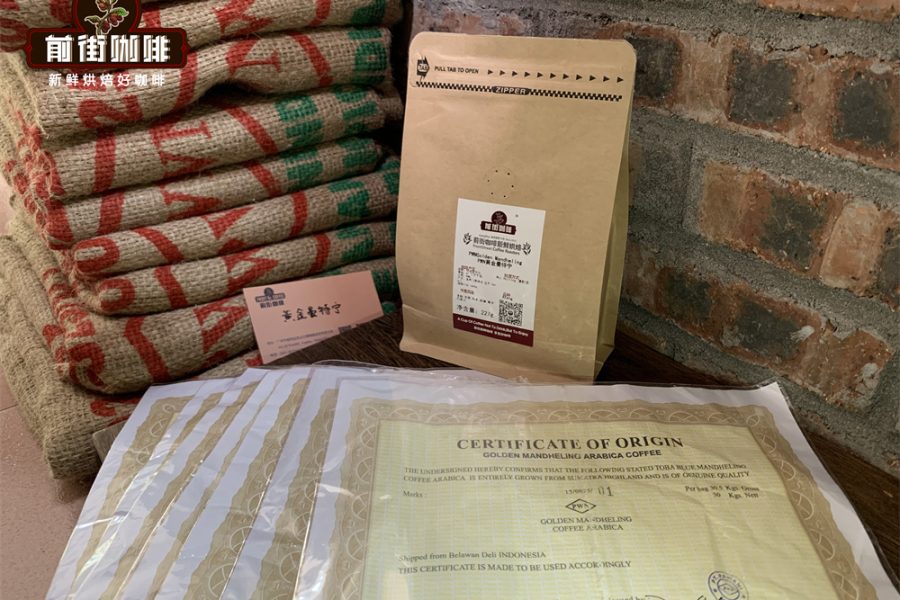
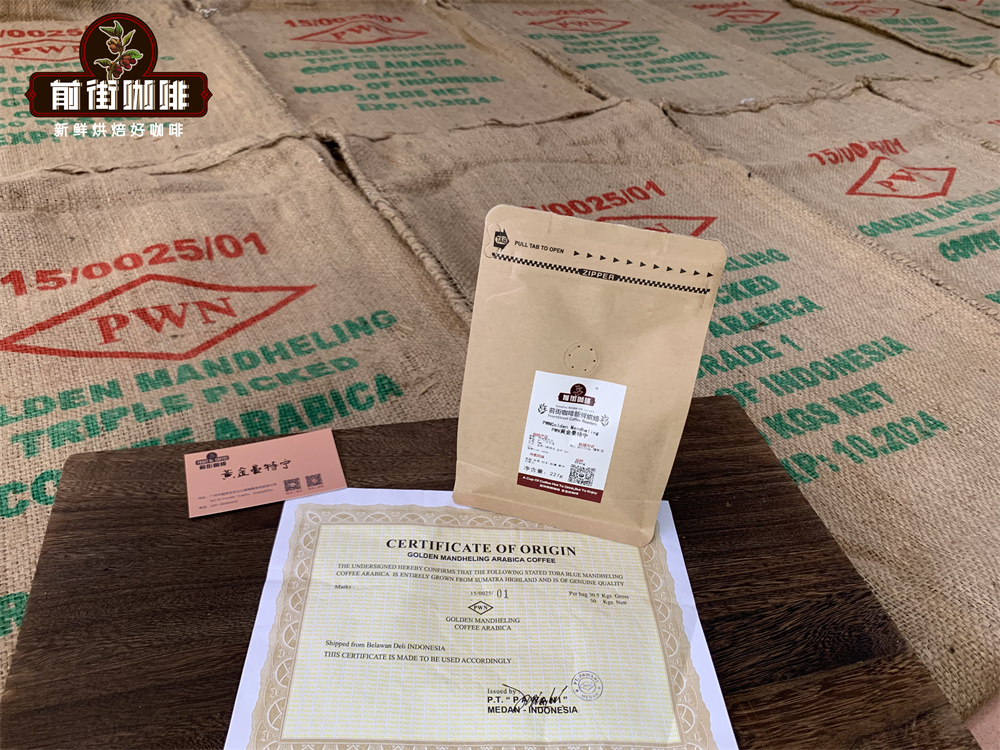
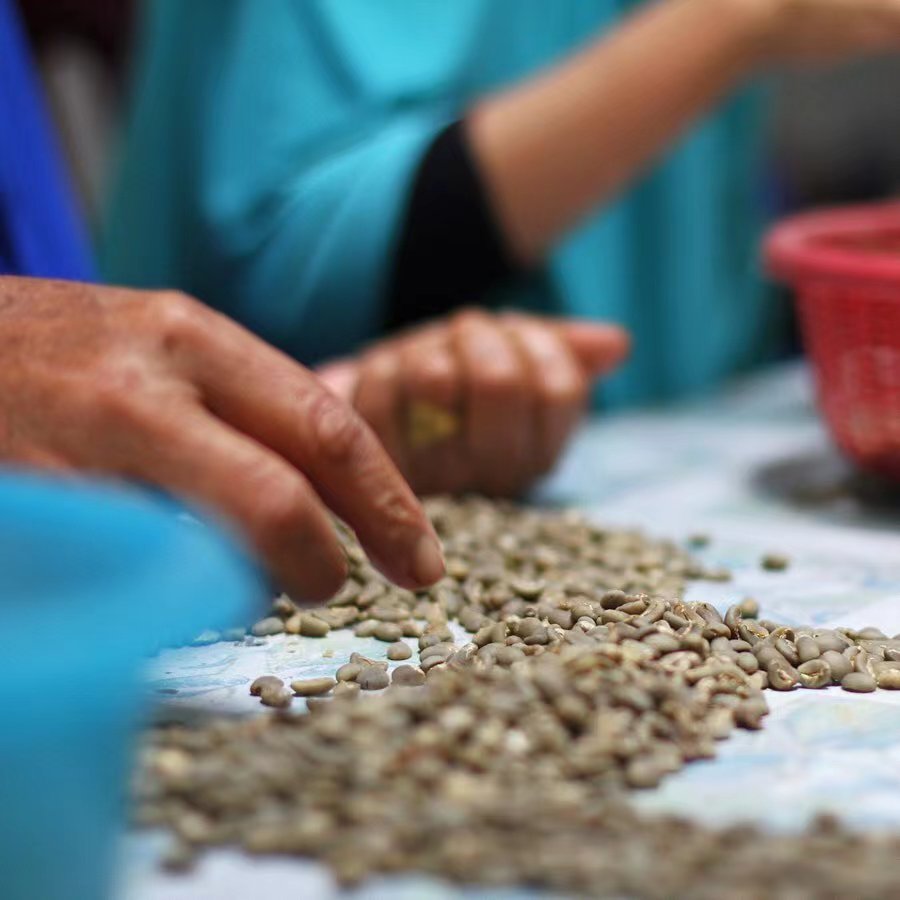
True PWN Golden Mandheling is Grade 1 (G1), having undergone three rounds of hand sorting to ensure an extremely low defect rate, plump beans and uniform size. Note that many products on the market labeled "Golden Mandheling" do not come from the PWN company. If you are after the genuine article, it is advisable to ask your supplier for the official PWN certificate to ensure quality.
Wet Hulling: Indonesia's Signature Processing Method
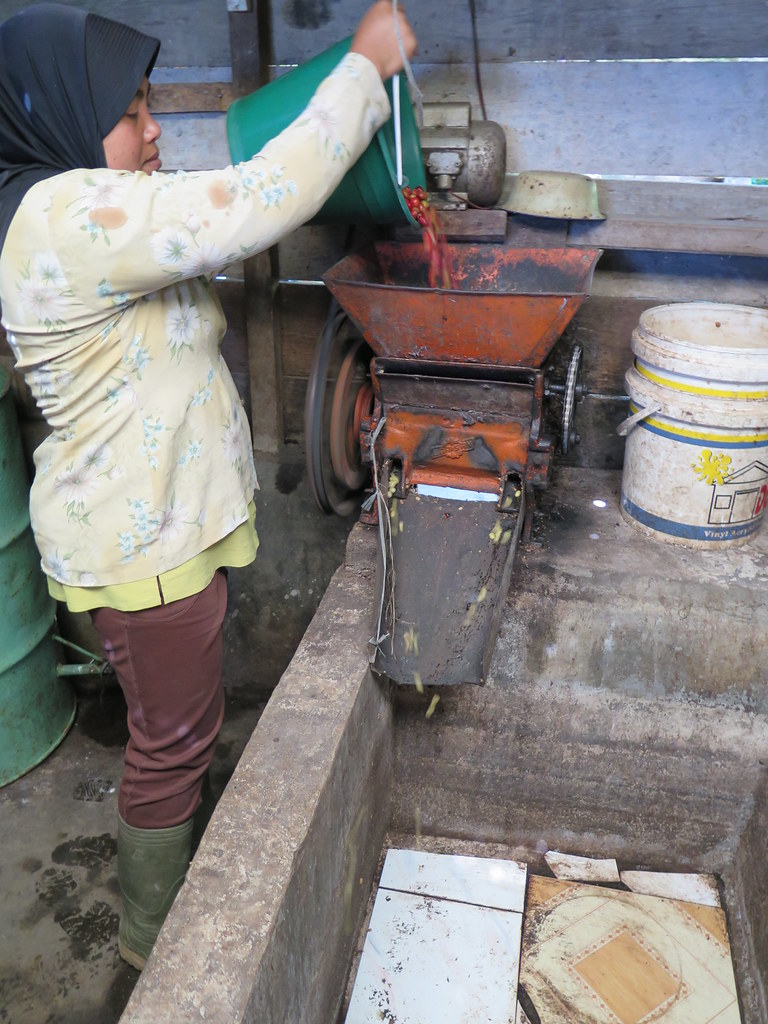
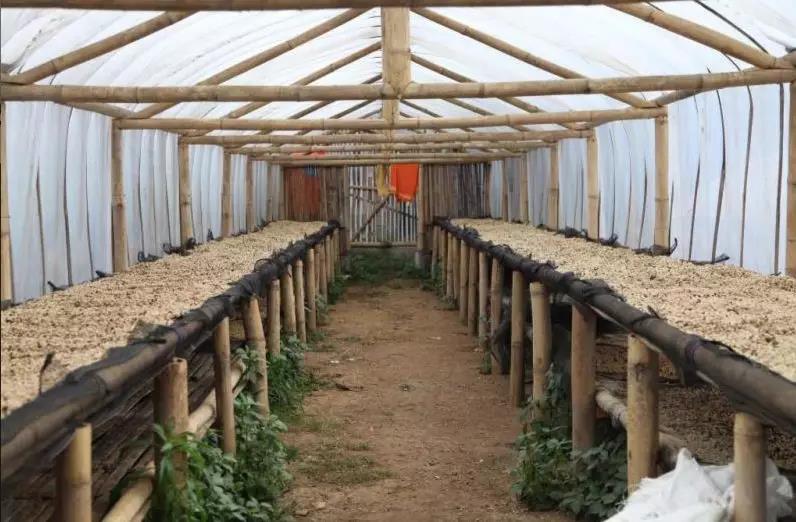
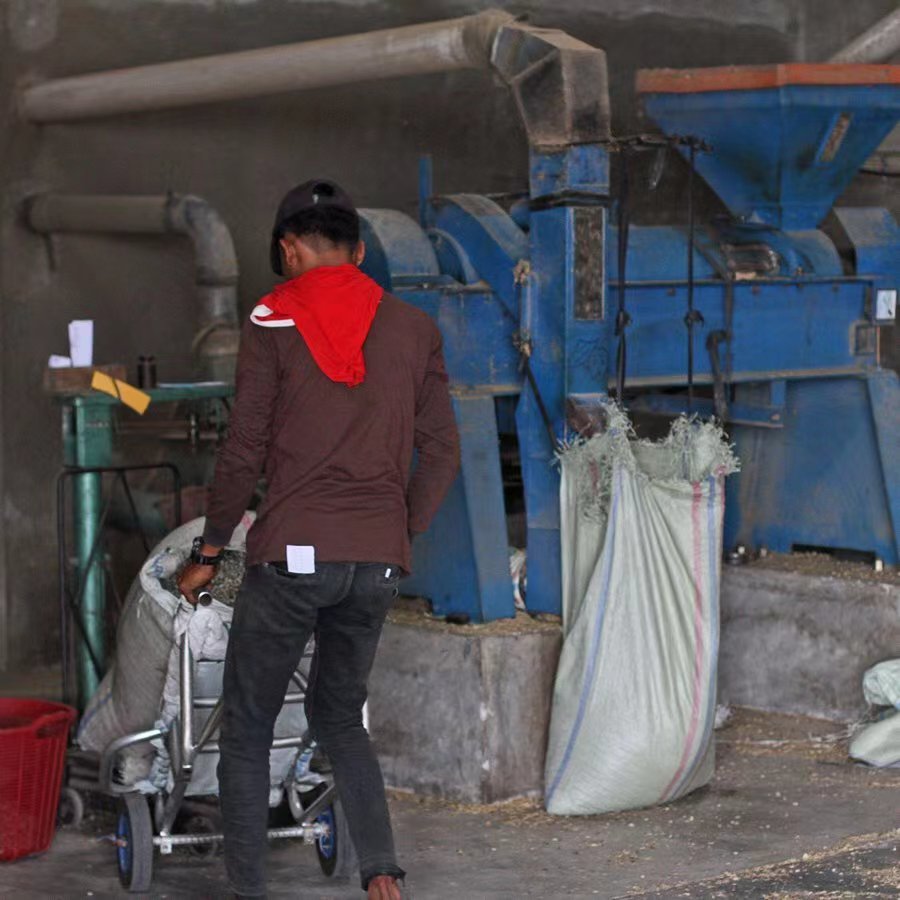
Golden Mandheling uses Indonesia's distinctive wet hulling (known locally as Giling Basah), a processing method entirely different from washed processing. Its steps roughly include: after picking, removing the skin and pulp → soaking and washing off the mucilage → initial drying to a moisture content of 20%-35% → sending to the processing plant for a second drying to 18% → wet hulling to remove the mucilage and parchment layer → final drying to 11% moisture content and storage.
What makes wet hulling unique is that it removes the parchment layer before the coffee beans are fully dry, which makes the coffee's flavor richer and more full-bodied, with a pronounced regional character. Compared with the clean brightness of washed processing, wet hulling gives Mandheling a heavier body, lower acidity and rich spicy notes.
The Flavor Characteristics of Golden Mandheling
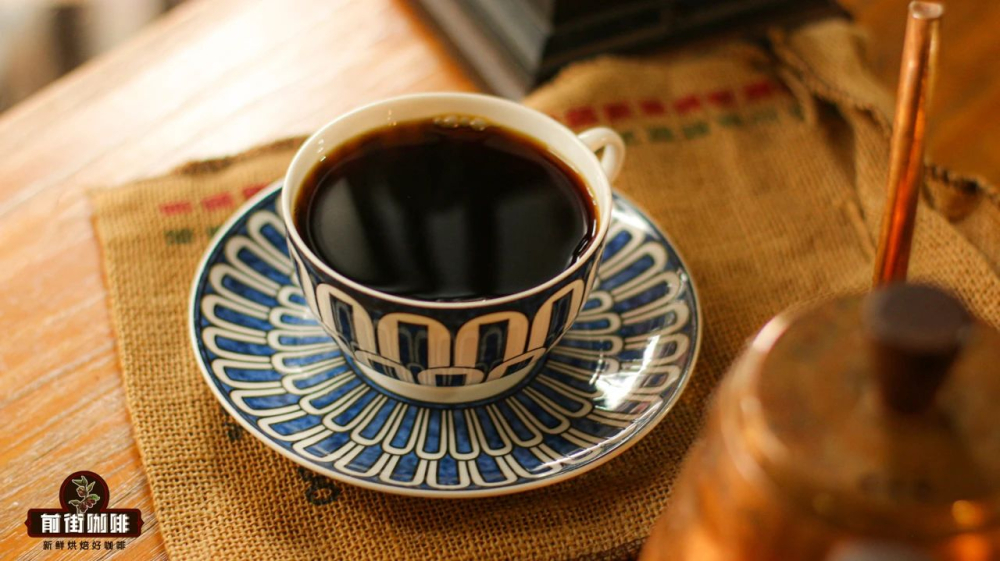
This coffee typically shows rich caramel sweetness, herbal aromas and mild fruity acidity, with an obvious sweet aftertaste on the palate, accompanied by a full body and distinctive spicy flavors. Compared with ordinary Lintong Mandheling, Golden Mandheling has a more prominent sweetness, clearer sugarcane aroma, and an overall more balanced, layered expression.
Roasting and Brewing Suggestions
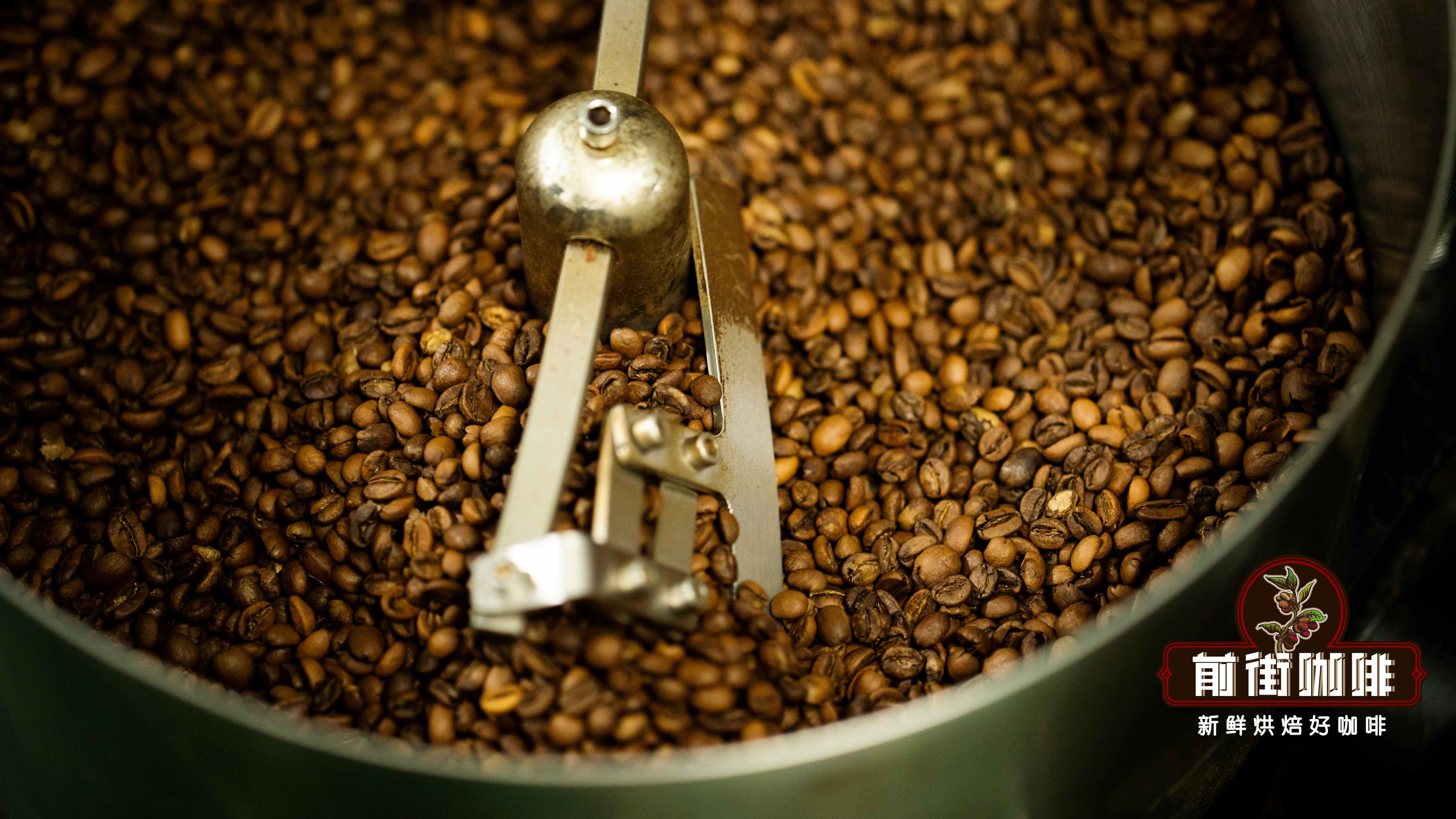
Golden Mandheling is fairly flexible in roasting. A light roast retains more acidity and floral-fruity notes, but a medium-dark roast better highlights its body and spicy character. Many roasters find that even when dropped before second crack, Golden Mandheling still maintains good clarity and sweetness, giving it greater room for experimentation with roasting parameters.
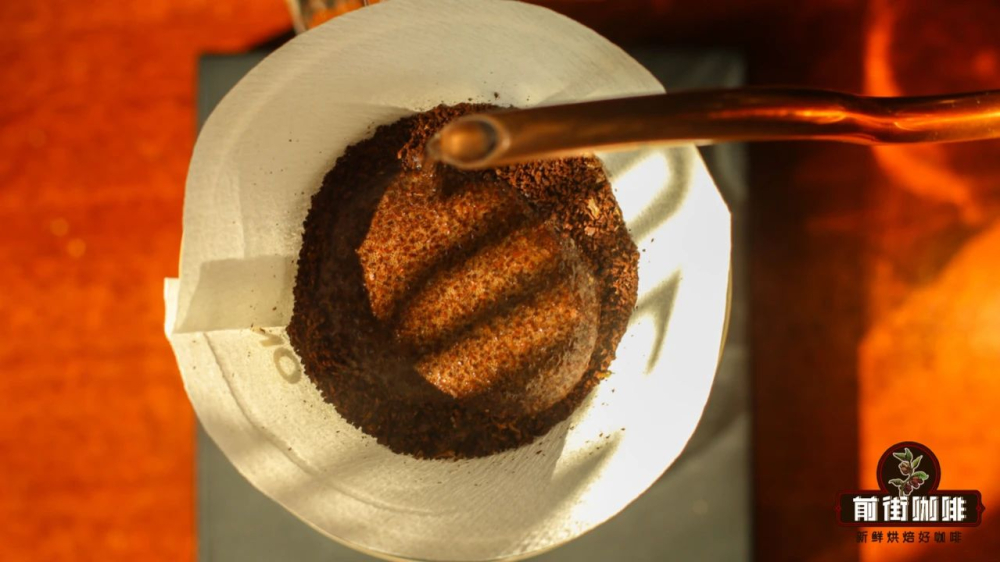
For brewing, to highlight its full-bodied, clean character, a medium-dark roast is recommended, with a medium-coarse grind (e.g., 70% passing a No. 20 sieve), a coffee-to-water ratio of 1:15, and a water temperature of around 88°C. Using a KONO dripper enhances the coffee's body, making it especially suitable for those who prefer a full mouthfeel.
Example Pour-Over Parameters
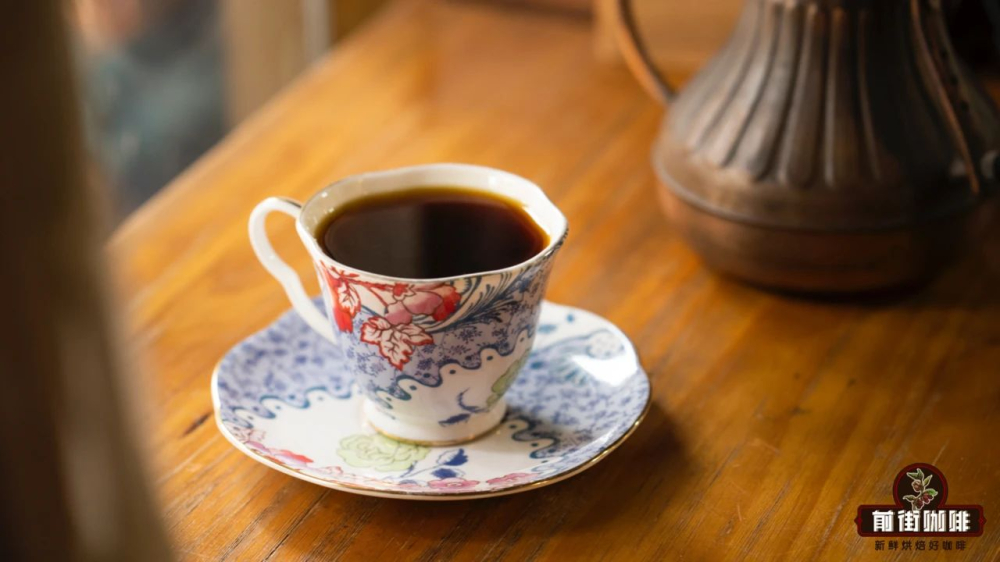
A commonly used pour-over recipe is as follows: use 20 grams of ground coffee, a coffee-to-water ratio of 1:15, a water temperature of 88°C, and a medium-coarse grind (70% passing a No. 20 sieve). First bloom with 40 grams of water for 30 seconds, then pour 120 grams in the center, and finally pour 100 grams to complete the extraction, for a total time of about 2 minutes. When pouring, avoid shaking the dripper vigorously, so as not to affect the bloom and flow rate.
In addition, bean freshness has a great influence on flavor. It is recommended to choose beans within 5 days of roasting, then let them rest at home for 4-7 days to reach the optimal flavor window before brewing, for a richer aroma and more layers.
Conclusion: Why Choose Golden Mandheling?
Golden Mandheling not only carries the deep coffee culture of Sumatra, but also, through its distinctive wet-hulling process and strict sorting standards, has become synonymous with "mellow and sweet" in the minds of many coffee lovers. From the high-altitude growing environment of Gayo Mountain to the rigorous quality control of three rounds of hand sorting, every step lays a solid foundation for its flavor. Whether you are a pour-over beginner or a seasoned coffee enthusiast, this classic Mandheling is worth savoring slowly.