Coffee Grind Size Explained: Pour-Over, Espresso, French Press
Introduction: Coffee grind size directly affects extraction and flavor. From fine espresso to bright pour-over, different brewing methods have specific grind requirements. This article explains the suitable uses of extra-fine, medium-fine, medium-coarse, and coarse grinds, teaches you how to adjust coffee grind size according to your brewing tool, and uses practical examples to show how to optimize flavor balance through grind size and avoid the bitterness caused by over-extraction.
The first step to making a quality cup of coffee is grinding the beans to a size suited to the brewing method. Grind size not only affects water flow rate and extraction time but also directly determines the final flavor layers of the coffee—from bright acidity to a full body, all are closely related to grind size.
Common coffee grind levels can be divided into five major categories: extra-fine, fine, medium (medium-fine), coarse, and extra-coarse. Among them, extra-fine grind feels like flour, with particle diameter usually less than 0.5 mm. This ultra-fine grind is designed for high-pressure extraction, such as espresso machines (9 bar pressure) or traditional Turkish coffee pots. When hot water is forced through a tightly packed layer of extra-fine grounds, rich crema and aromatic compounds can be extracted in a short time (25–30 seconds).
Fine grind has a particle feel close to fine granulated sugar, about 0.5–1 mm in diameter, and is often used for faster drip brewing methods. Besides common drip coffee bags (designed for a 1:15 coffee-to-water ratio, brewed with 90°C water in 3 minutes), cold drip coffee also uses this grind size—at low temperatures, fine particles slow extraction and prevent the flavor from becoming too weak. But note: if fine grind is used with a home dripper, channeling may cause uneven extraction.
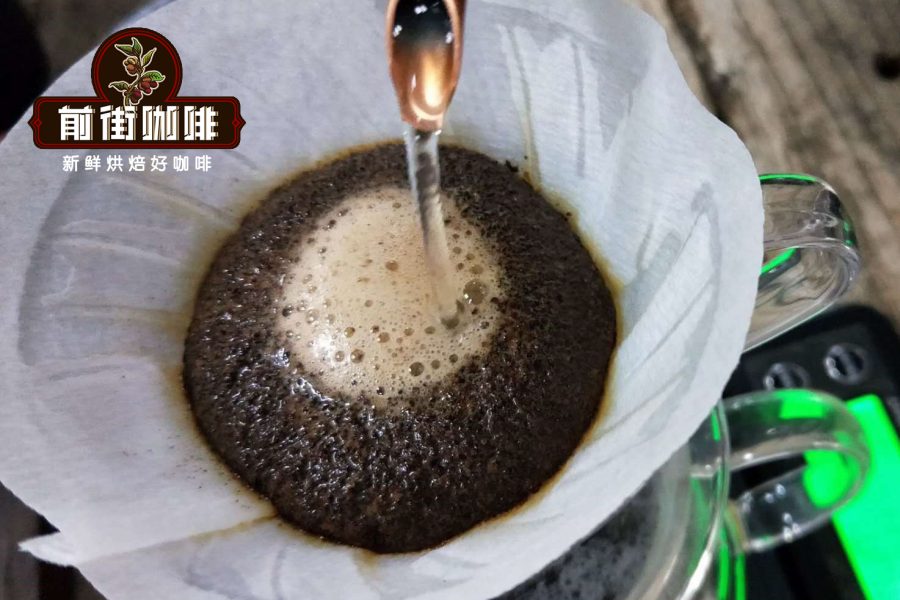
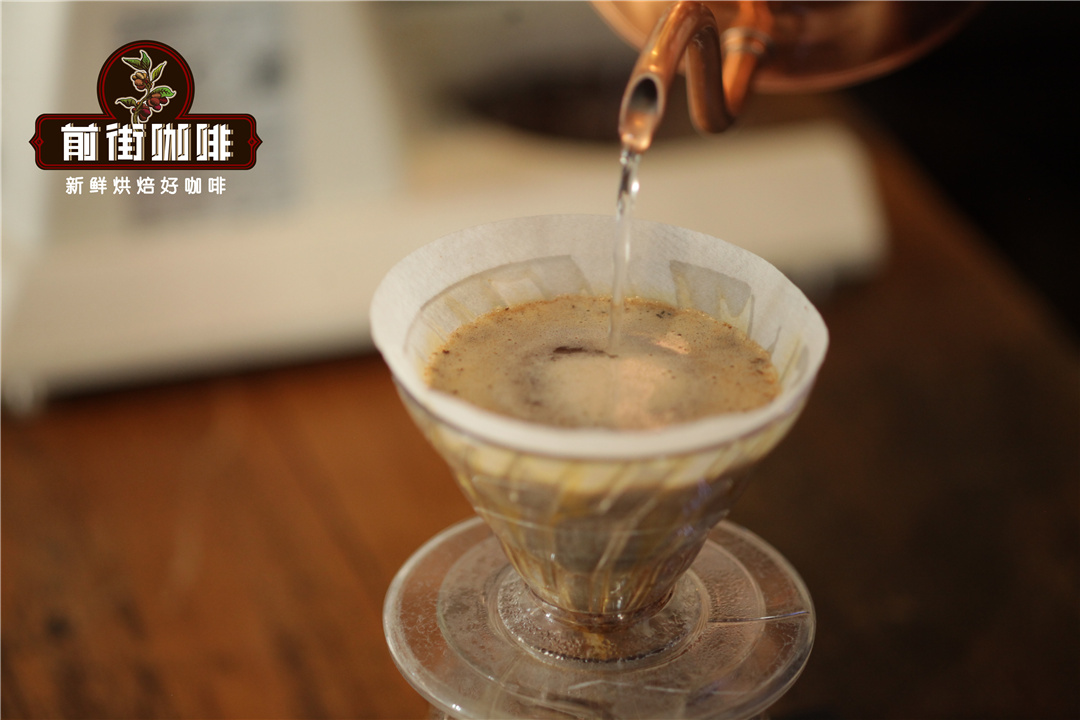
The most commonly used at home, medium grind (particles similar in size to coarse sugar to sea salt, 1–1.5 mm in diameter) is the classic choice for pour-over coffee. This size, combined with the filtering effect of filter paper, can extract a balanced mix of acidity, sweetness, and bitterness in 2–3 minutes. Beginners are advised to start with a medium grind on a V60 or wedge-shaped dripper: if the coffee is thin and tasteless, adjust the grinder slightly finer; if there is obvious burnt bitterness or astringency, adjust coarser. The image shows the typical form of medium-ground coffee.
Coarse grind (1.5–2 mm in diameter, close to coarse sugar) is designed for immersion brewing, typically used in a French press. Because the metal mesh cannot filter out very fine particles, too fine a grind will make the coffee cloudy and full of sediment. When using a coarse grind, it is recommended to keep the coffee-to-water ratio at 1:12–1:15, pour in hot water, let it steep for 4 minutes, then press down. This extracts flavor compounds fully while avoiding the woody notes produced by over-extraction.
In extreme cases, extra-coarse grind (over 2 mm in diameter, similar to barley grains) is used only for cold brew or special brewing devices. It is particularly important to note that the grind size for the same coffee bean is not fixed: light-roast beans, due to their high density and thick cell walls, usually require a finer grind than dark-roast beans to achieve a similar extraction yield. It is recommended to use a digital scale to record each adjustment parameter and gradually find the balance point for the best flavor.