How to choose espresso beans: Arabica vs Brazil and extraction guide

Introduction: Choosing the right coffee beans is key to making a proper espresso. Many people struggle with whether Arabica is more suitable for espresso, or whether Brazilian beans can do the job. This article explains the core elements of espresso—from the principles of crema formation to choosing a roast level—compares the characteristics of Arabica and Brazilian beans, and reveals practical tips from professional baristas on blending beans, helping you master the basic logic of espresso.
Walk into a coffee shop and you will always encounter espresso-based drinks when ordering. Whether it is a latte or a cappuccino, their base is inseparable from this shot of espresso. But did you know? The unique flavor of espresso comes not only from roasting and grinding, but is also closely related to its special extraction method.
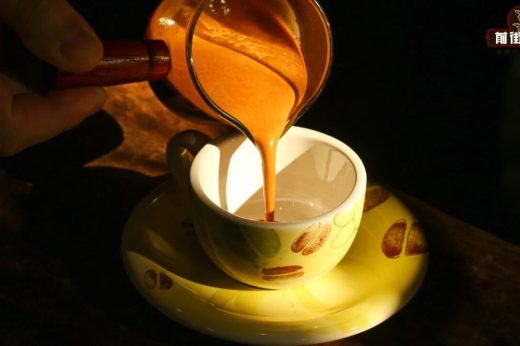
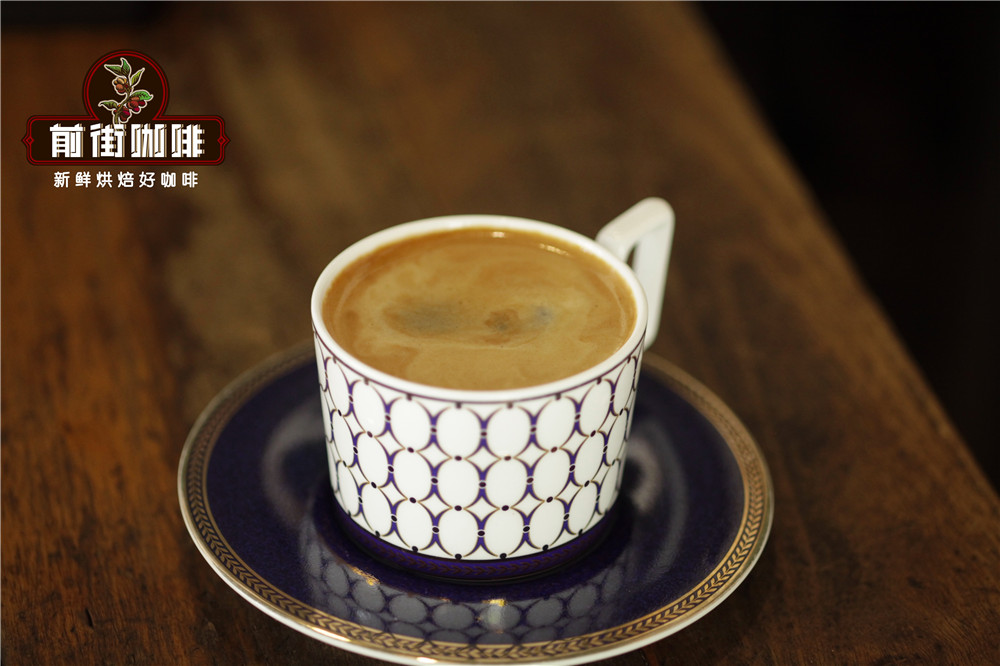
Observe a proper espresso and you will find a layer of reddish-brown fine foam floating on the surface—this is crema. This layer, about 2-3 millimeters thick, is not pure fat, but an emulsion layer formed by carbon dioxide, soluble coffee substances and tiny bubbles together. High-quality crema should appear honey-like golden brown, with aromas of nuts and caramel, and its presence directly affects the overall mouthfeel and layers of the coffee.
The true definition of espresso depends on two core factors: first, extraction under high pressure of 9-10 atmospheres; second, extremely fine coffee grounds (close to the texture of flour). When hot water at 92-96°C penetrates the tightly packed coffee puck under pressure, the aromatic substances and oils inside the coffee cells are forced out, ultimately forming about 30 milliliters of thick liquid.
Regarding the choice of roast level, dark roast is indeed more common. These beans undergo full caramelization, can produce richer crema and have a softer bitterness. But light-to-medium roasted Arabica beans are equally suitable—as long as you adjust the grind fineness and extraction time (usually 25-30 seconds), you can likewise produce bright acidity and clear floral and fruity notes. Note that overly dark roasting will lead to over-extraction, producing burnt bitterness and damaging crema stability.
As for coffee bean varieties, Arabica has become the mainstream choice due to its natural sweetness and complex flavors. High-quality Arabica beans are usually grown at altitudes above 1200 meters, with lively acidity and rich aromatic layers. Brazilian beans, as a common blending base, rely on their low acidity, high body and nutty-chocolate flavors to effectively balance the overall mouthfeel of espresso. Many baristas blend the two in proportions, for example 70% Brazilian beans with 30% Ethiopian Yirgacheffe, which ensures body while adding floral and fruity notes.
Professional coffee shops often add a small amount of Robusta beans to their blends (no more than 15%), because their caffeine content is higher (about 2.7 times that of Arabica) and they are rich in oils, which helps enhance the persistence of crema. But note that excessive use will cause a rubbery astringency; beginners are advised to try pure Arabica or a classic Brazilian blend first.
For home brewing, you can refer to the following basic parameters:
• Grind: a fineness between fine granulated sugar and table salt
• Dose: 9-10 grams for a single / 18-20 grams for a double
• Extraction time: 25-30 seconds
• Yield: 30 milliliters for a single / 60 milliliters for a double
Regularly cleaning the coffee machine's ground coffee path system is equally important; residual oils oxidizing will cause off-flavors and affect subsequent extraction.