Moka pot coffee ratios and brewing tips: avoiding sourness and boosting body
Introduction: The moka pot is a practical tool for making espresso-style coffee at home, but many people often run into problems with over-sour extraction or a weak, thin taste. This article explains in detail how to use a moka pot correctly, including the golden ratio of coffee grounds to water, grind size selection, heat control, and how to reduce sourness and enhance body by adjusting parameters, helping you easily brew a balanced, espresso-style cup at home.
As a classic Italian coffee device, the moka pot has become the first choice for many households making rich coffee, thanks to its unique high-pressure extraction method. It not only has an iconic appearance but is also relatively simple to operate; you only need to master a few key elements to consistently extract coffee close to café quality.
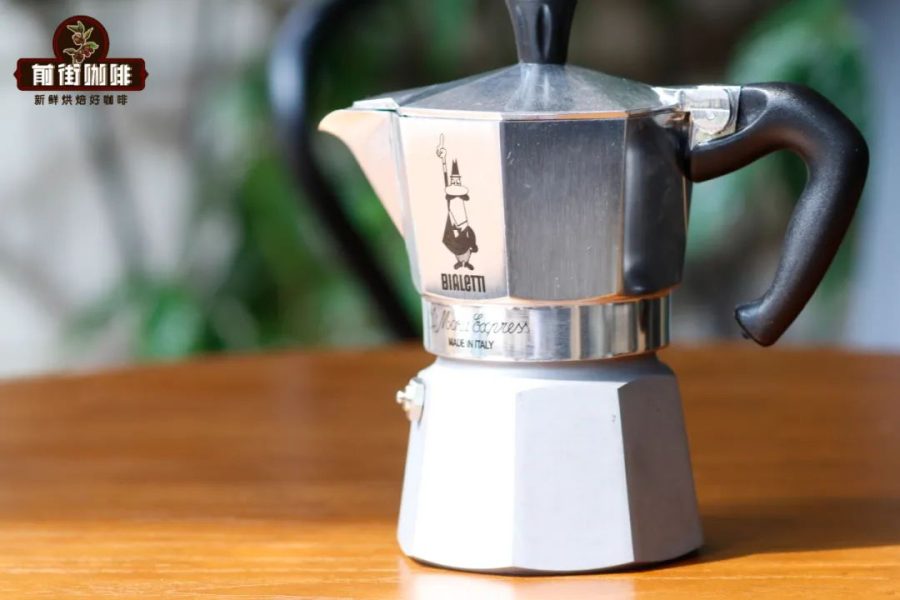
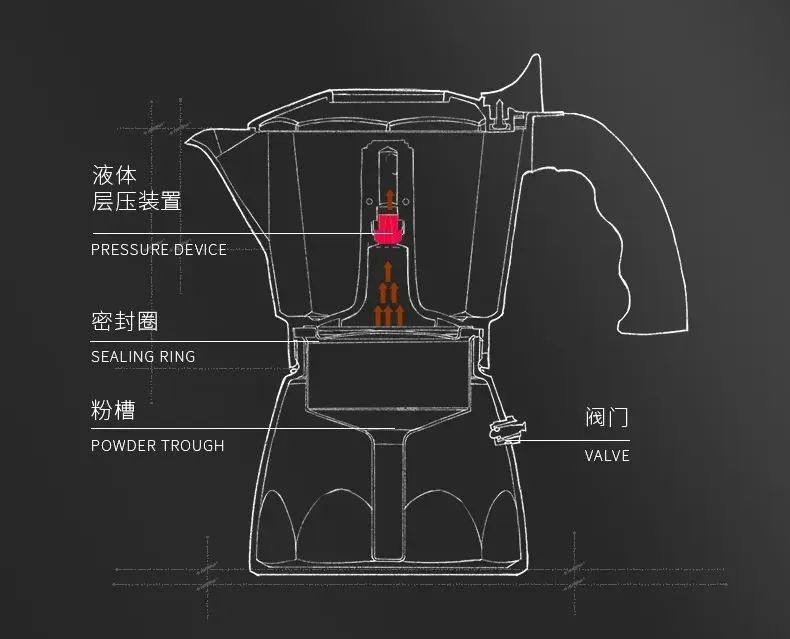
A standard moka pot mainly consists of three parts: the lower chamber holds water and is heated to generate steam pressure, the middle filter basket holds the coffee grounds, and the upper chamber collects the brewed coffee. When heated, the water in the lower chamber turns into steam, the pressure gradually rises, hot water passes through the layer of coffee grounds in the middle, and is finally pushed into the upper chamber, completing extraction.
<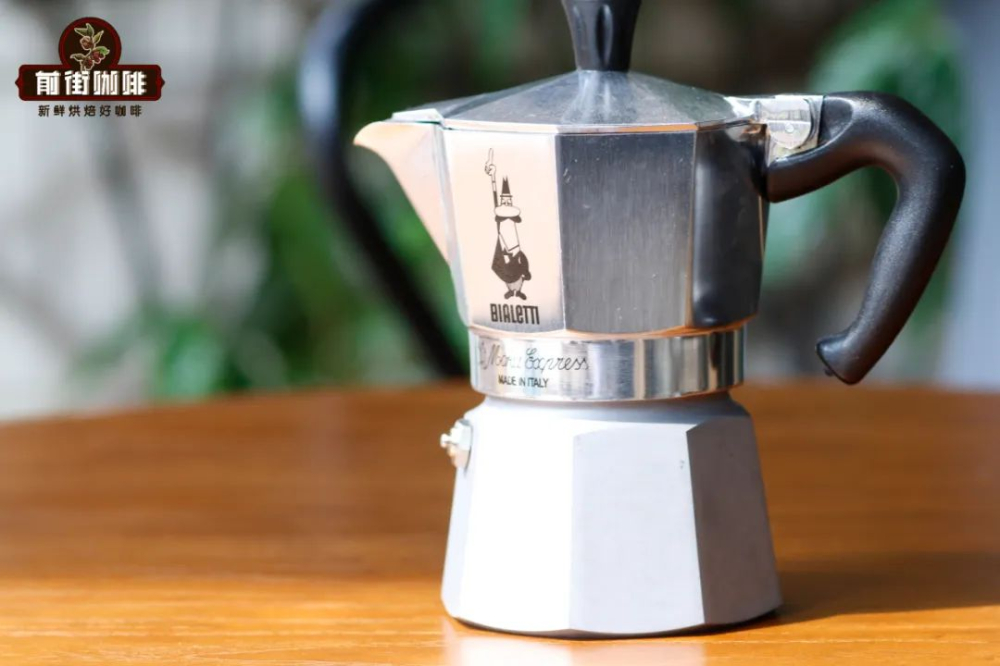 >
Unlike pour-over coffee, the moka pot uses high-temperature, pressurized extraction. Although its pressure is not as high as a professional espresso machine, it is still enough to draw out the coffee's rich flavor and oils. In particular, using a moka pot with a dual-valve design can further increase extraction pressure, making the coffee fuller-bodied with richer oils.
However, the moka pot's extraction precision is limited. If the parameters are off, it is easy to end up with coffee that is over-extracted and sour or bitter. Therefore, understanding the correct water-to-coffee ratio, grind size and heating technique is especially important.
< >
Before you start, you need to prepare the following tools and materials: a moka pot, freshly roasted coffee beans, a grinder, and a gas stove or induction cooktop as a heat source. In particular, the freshness of the coffee beans has a huge impact on the final flavor; it is recommended to choose beans roasted within 7–14 days to ensure the best flavor performance.
Given the characteristics of the moka pot, medium-dark or dark roasted coffee beans are recommended. These beans usually have lower acidity and carry caramel, chocolate or nutty flavors, which pair better with the moka pot's high-temperature, high-pressure extraction and help avoid unpleasant sharp sourness.
< >
To begin, first remove the lower chamber of the moka pot, add cold water, and make sure the water level stays below the pressure relief valve; a typical recommended amount is 120–150 ml. Using slightly warm water can effectively shorten the heating time and also prevent the coffee grounds from becoming scorched and bitter from contact with high heat too early.
Next is the grinding step. The coffee grounds needed for a moka pot are finer than for pour-over, close to the texture of fine granulated sugar, but not so fine as to be powder, otherwise it easily causes channeling or over-extraction. Pour an appropriate amount of coffee grounds into the filter basket, fill it to about nine-tenths full, then gently level the surface with your finger. Note that there is no need to press it down firmly; an overly compacted coffee bed may block the water flow and affect extraction evenness.
<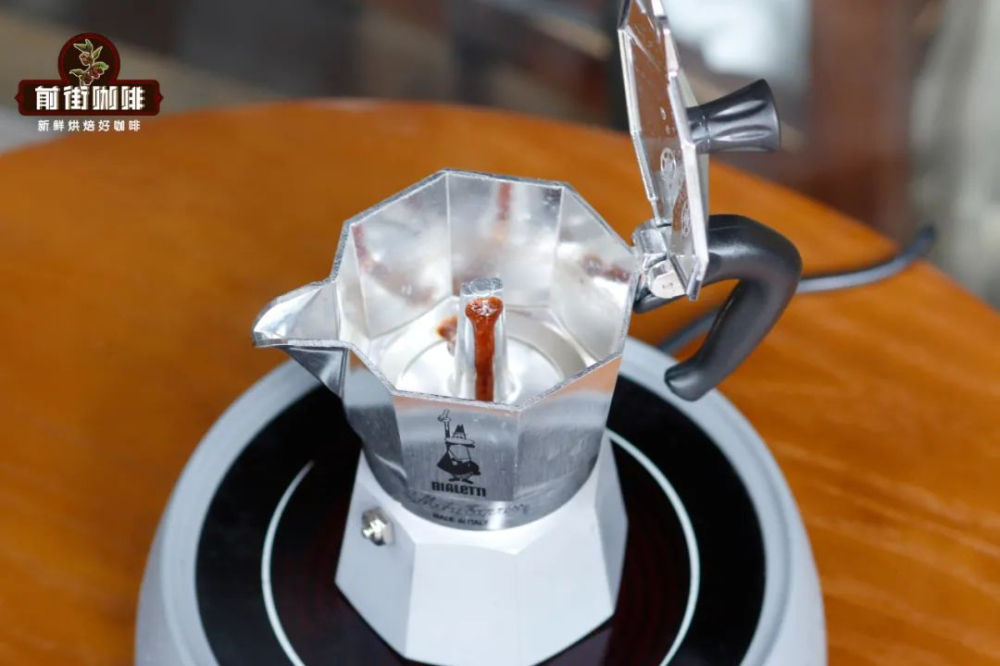 >
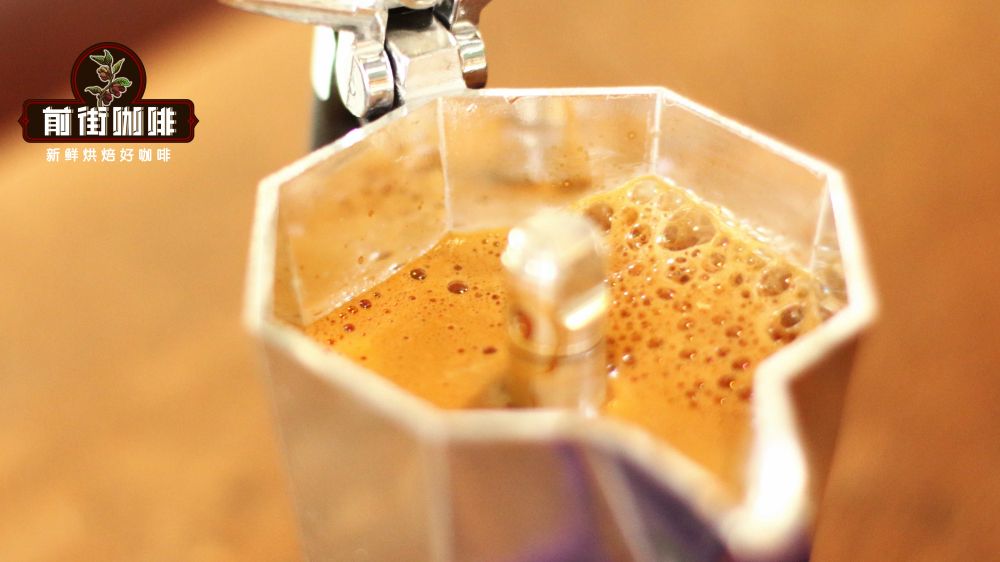
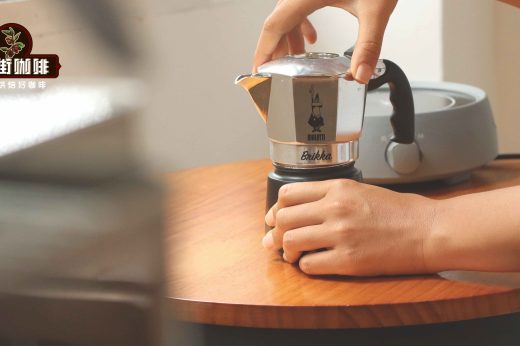
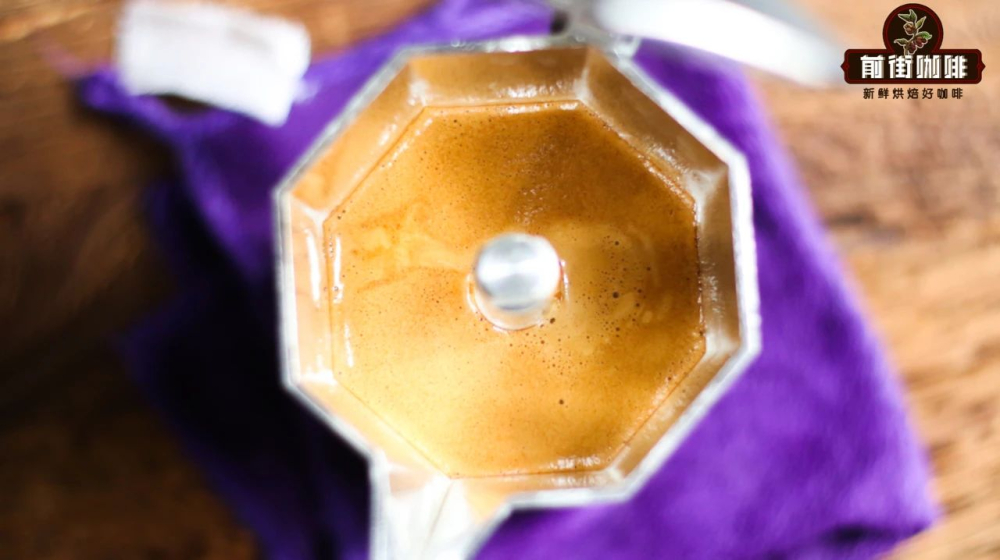
After assembling the upper and lower chambers, place it on the heat source. If using an open flame, be sure to keep the flame within the base of the pot to avoid local overheating. As the temperature rises, when you hear a slight "hiss," it means pressure is building; at this point, turn the heat down and watch how the coffee flows into the upper chamber. When the coffee in the upper chamber reaches about half its capacity, you can turn off the heat and use the residual pressure to complete the final extraction.
Throughout the process, be sure to avoid touching the hot metal parts to prevent burns. If you hear a "whirring" sound inside the pot but the coffee does not flow out for a long time, stop heating immediately to avoid safety issues caused by excessive internal pressure.
< >
After extraction is complete, pour the coffee into a cup. You can directly taste its rich caramel, dark chocolate and roasted nut aromas, or dilute it with hot water according to personal preference to lower the concentration and make it more refreshing, or pair it with milk to make drinks such as a latte and enjoy different layers of flavor.
After each use, be sure to clean the moka pot promptly, especially the filter plate, gasket and outlet channel, to avoid residual coffee grounds oxidizing or developing a burnt smell that affects the extraction quality and flavor purity of the next use.
< >