Yunnan Coffee Flavor Revealed: How It Differs from Colombian Washed Beans
Introduction: Yunnan coffee has been appearing frequently in specialty cafés in recent years, but can its flavor really rival that of well-known origins? This article takes an in-depth look at the sweetness, acidity and layering of Yunnan coffee, compares it with the classic nutty character of washed beans from Colombia's Huila region, guides you in judging which Yunnan beans suit pour-over based on flavor characteristics, and explains how high-altitude cultivation shapes a distinctive cupping experience.
On the menus of specialty cafés in China, coffee beans from the Yunnan region are no longer unfamiliar. As global buyers pay more attention to Chinese coffee, this region, located between 15° and 25° north latitude, is earning a reputation through consistent quality.The most distinctive feature of Yunnan coffee is its sense of balance—on a clear sweet base, it often carries the fresh lift of malic acid and the bright sharpness imparted by phosphoric acid, similar to the lively acidity you encounter when tasting a freshly picked crisp apple.
Exploring the offerings of Yunnan's distinctive estates, you will discover more hidden layers of flavor.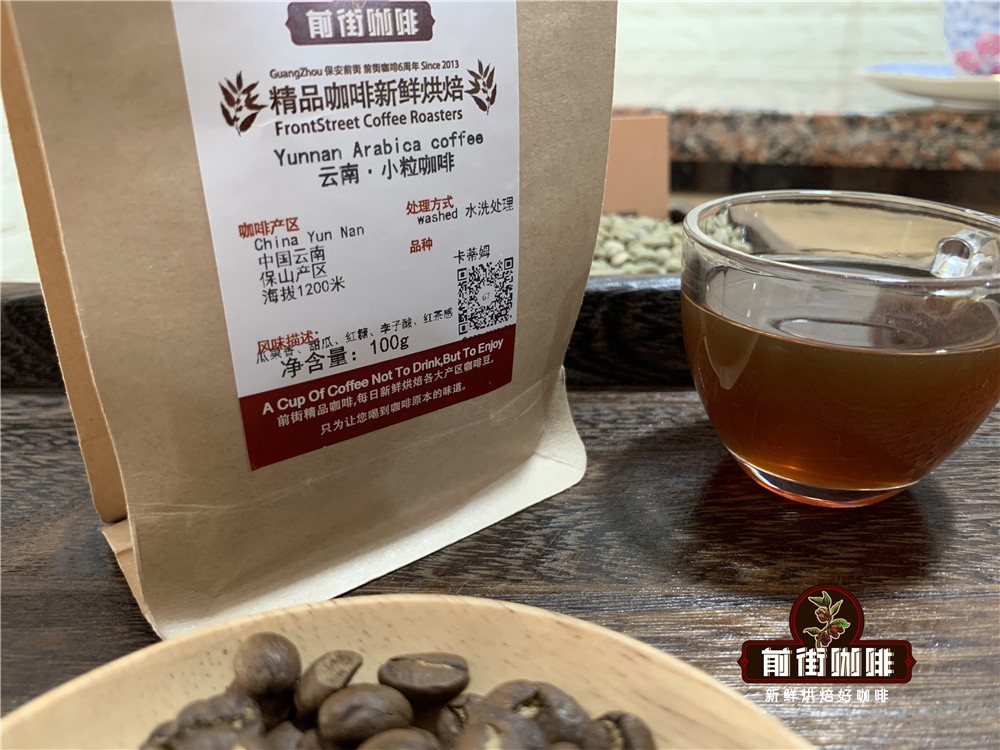 These flavors may present as spice notes of cinnamon interwoven with clove, a mellow finish of dark chocolate, or a fermented aroma reminiscent of Zhengshan Xiaozhong black tea, even a dried-fruit sweetness like lightly dried cherries. The formation of these complex qualities is closely tied to Yunnan's unique geographical environment.
Yunnan coffee's advantage in sweetness is largely due to the slow-ripening process brought about by high-altitude cultivation. Take the main growing regions of Pu'er and Baoshan as examples: many quality plantations sit at elevations between 1,200 and 1,800 meters, where the temperature difference between day and night can exceed 10°C. The lower nighttime temperatures significantly slow the ripening of the coffee fruit, extending the sugar accumulation period by 20%–30%. At the same time, the good drainage formed by steep mountain terrain makes it easier for coffee tree roots to obtain minerals, and the fruit's moisture content stays moderate, ultimately concentrating more distinct flavor compounds.
Comparing Yunnan specialty washed beans with classic washed beans from Colombia's Huila region makes the stylistic differences between the two origins clear. Huila beans from Colombia typically show a three-stage progression of flavor in cupping: on entry, you first perceive the nutty notes of roasted almond and hazelnut; the middle turns to a dense, caramel-like sweetness; only after the coffee cools to room temperature does a subtle citrus acidity emerge. Its body is generally fuller, suiting drinkers who prefer a substantial body.
By contrast, the flavor direction of Yunnan specialty washed beans is more dynamic.Mainstream quality lots often center on honey or cane-sugar sweetness, with acidity that is relatively understated yet richly layered—there is both a bright lime-like acidity and possibly fruity finish notes of peach or grapefruit. Subtle differences in processing bring variations: naturally processed Yunnan beans may intensify tropical-fruit notes, while honey processing can retain more floral and fruity aroma and a syrupy mouthfeel.
For home brewing enthusiasts, the following parameter suggestions are worth noting when choosing Yunnan beans: with a V60 dripper, set the grind to medium-fine (75%–80% passing a Chinese standard No. 20 sieve), and keep the water temperature in the 90–92°C range. Use a staged pouring method: after the first pour of 30 grams for a 30-second bloom, complete the extraction to a total water volume of 240 milliliters at a rate of 1–2 drops per second, with the total time recommended between 2 minutes 10 seconds and 2 minutes 30 seconds. This combination of parameters effectively highlights the sweetness and cleanliness of Yunnan beans while avoiding the woody off-flavors caused by over-extraction.
From an industry perspective, the rise of Yunnan coffee is no accident. Over the past decade, local growers have continued to invest in variety improvement (such as the widespread planting of improved Catimor lines), harvest standards (strict selection of the ripe-red-cherry rate) and processing technology (promoting specialty methods such as anaerobic fermentation), raising year by year the proportion of specialty beans meeting the SCA 80+ scoring standard. This progress not only earns Yunnan coffee recognition from international buyers but also offers consumers a quality choice that combines value for money with distinctive flavor.