Coffee Brewing Temperatures: A Guide to Espresso, French Press and Pour-Over
Introduction: Coffee flavor is closely tied to brewing temperature, and different extraction methods vary significantly in their water temperature requirements. This article explains the ideal temperature ranges for espresso, French press, pour-over and other mainstream brewing methods, reveals how temperature affects the release of bitter compounds and flavor balance, and offers practical notes for each method to help you control brewing parameters precisely.
In coffee brewing, water temperature is one of the most critical controllable variables. Compared with grind size or coffee-to-water ratio, temperature deviation more easily leads to over-extraction—when the water is too hot, bitter phenolic compounds in the coffee are released in large amounts, while too low a temperature may result in insufficient extraction of flavor compounds.
Professional baristas generally recommend a standard brewing temperature range of 90-96°C (195-205°F), but this value must be adjusted for the specific brewing method. Note that brewing directly with boiling water (100°C) will cause rapid over-extraction and produce a pronounced burnt-bitter taste.
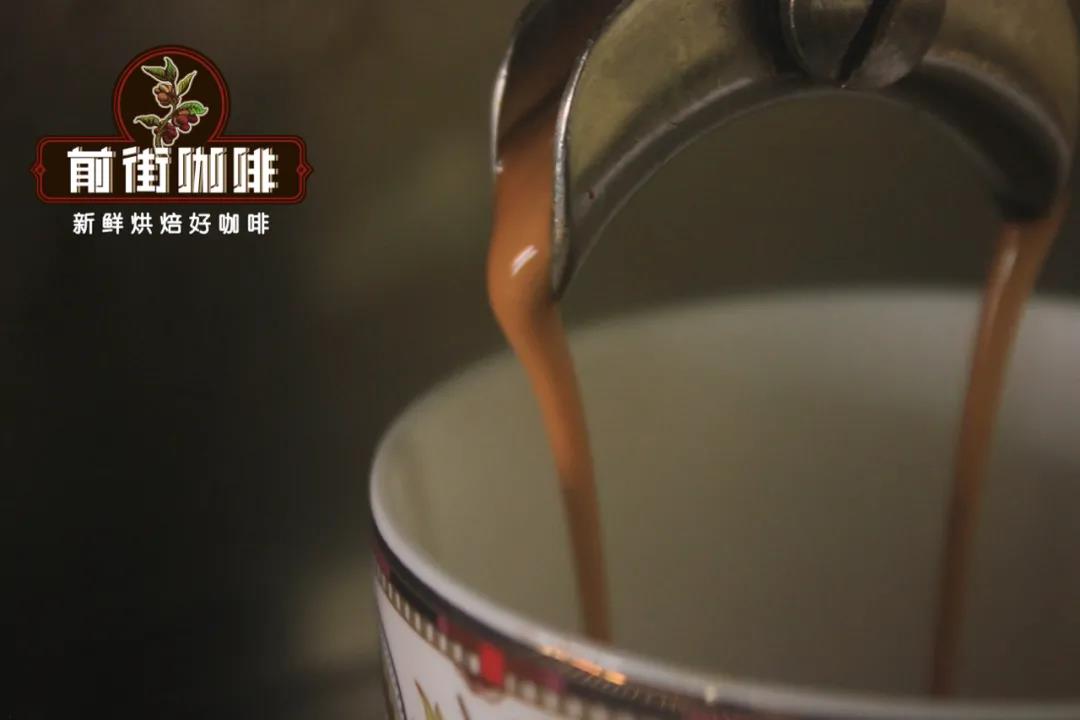
For high-pressure extraction methods such as espresso, the optimal temperature range is 88-90°C (190-195°F). Because 9 bar of pressure already greatly increases extraction efficiency, a lower temperature effectively suppresses the release of bitter compounds. Modern espresso machines usually have built-in temperature stabilization systems, but if the extracted coffee is unusually dark or shows an obvious burnt taste, check the boiler temperature setting.
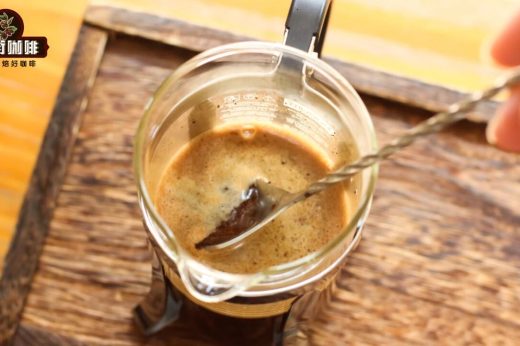
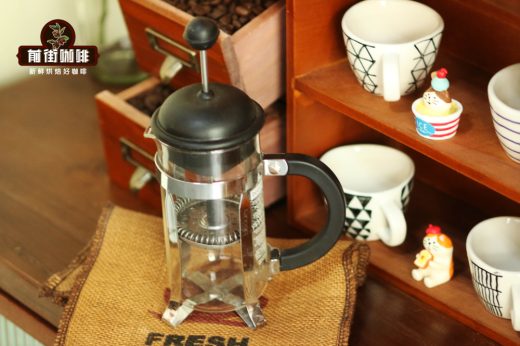
The French press (the AeroPress is a derived variant) uses full-immersion extraction, and the recommended water temperature is 90-93°C (around 195°F). Because the metal filter allows finer particles through, it is advisable to wait 4 minutes after pouring before pressing; by then the water temperature naturally drops to the ideal range. Note that glass French presses have poor heat retention, with the temperature falling about 1-2°C per minute after pouring, so in winter it is recommended to raise the initial water temperature to 96°C.
Pour-over coffee has a broader ideal temperature range, fluctuating between 92-96°C (200-205°F). When using a conical dripper such as the V60, a finer grind combined with a center-pour technique makes the actual extraction temperature slightly lower, and the temperature loss can be compensated for during the pre-infusion (bloom) stage. Light-roasted beans, with their tighter cell walls, usually need a temperature near the upper limit to fully release flavor; for dark roasts, it is recommended to lower the temperature by 1-2°C to avoid over-extracting woody off-flavors.
Automatic drip coffee machines have relatively fixed temperature control, with most models maintaining a high temperature of 96-98°C (205°F) during extraction. Although this high setting can raise the extraction yield, it also easily produces sharp acidity or bitterness in medium-dark roasted beans. It is recommended to choose a model with temperature adjustment, or to coarsen the grind slightly to balance the flavor.
The AeroPress, as a versatile device for multiple scenarios, offers more flexibility in temperature strategy—for cold brew it can drop to a low-temperature slow extraction at 4°C, while the regular hot-drink mode recommends 85-90°C (185-195°F). When using this device, extending the steeping time (e.g., 3 minutes) along with stirring midway can achieve a more even extraction at a lower temperature.
In summary, temperature control should follow the principle of "high heat for aroma, low heat to suppress bitterness": pair light roasts with higher water temperatures to bring out floral and fruity acidity, and lower the temperature for dark roasts to highlight a full-bodied mouthfeel. In practice, it is recommended to use a thermometer for calibration while observing changes in the flow rate and color of the coffee liquid, gradually finding the optimal temperature combination for a specific bean and device.