Is Yunnan Arabica a Specialty Coffee? Pour-Over Flavor and Growing Conditions
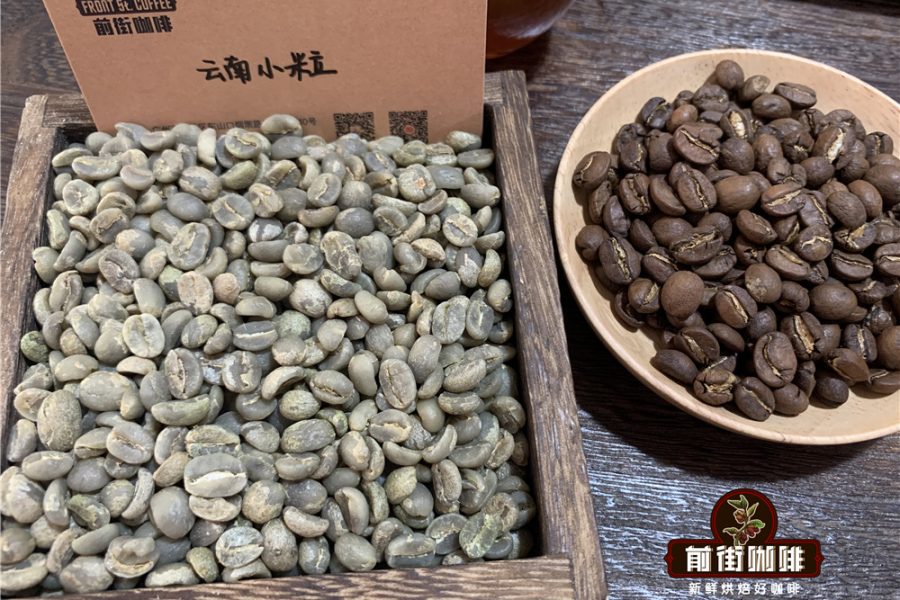
Introduction: As China's largest arabica coffee-producing region, Yunnan's small-bean coffee has drawn considerable attention in recent years. This article examines everything from growing background and processing methods to flavor characteristics and quality debates, taking a deep look at whether Yunnan coffee meets specialty standards, and offers pour-over parameter suggestions and buying tips to help you better understand the flavor potential of this "Eastern treasure."
On the global coffee map, Yunnan may be a latecomer, but it has already attracted deep involvement from several international commodity traders, including Louis Dreyfus Commodities. Founded in 1851 and headquartered in Rotterdam, the Netherlands, this company is one of the world's three largest coffee distributors; since entering Beijing in 1994, it has continued to monitor developments in China's coffee market.
According to Young Zhang, its Kunming-based coffee trading manager, Yunnan has become an arabica-producing region with strong commercial potential thanks to steady output growth, suitable altitude and climate conditions, and gradually improving cultivation techniques. "An efficient logistics network further enhances the region's competitiveness," he emphasized.
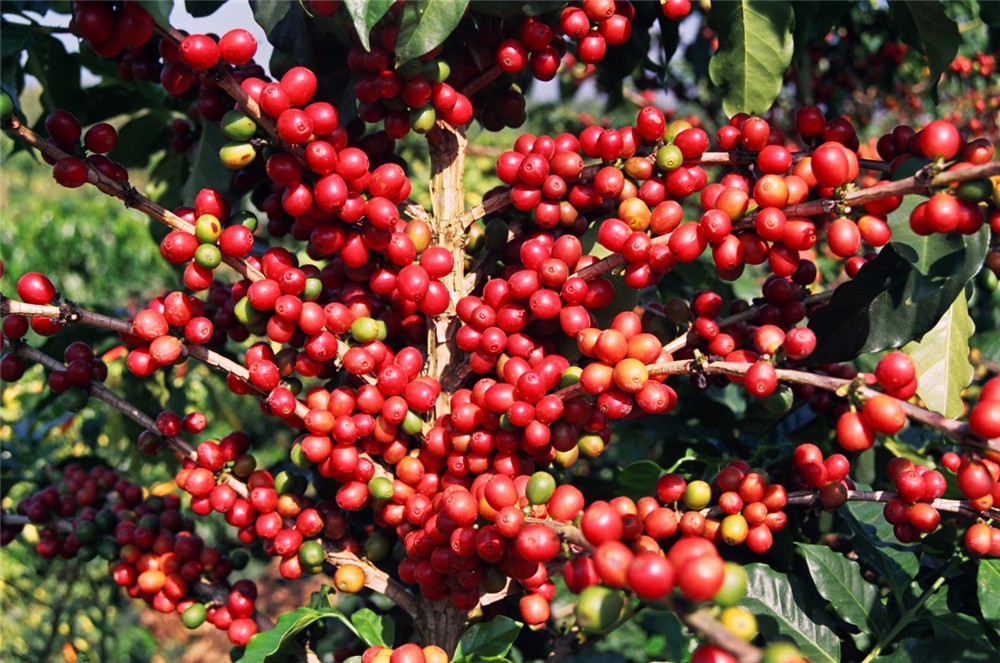
Yunnan's arabica is mostly given a typical washed process, with strict screen sizing, and defect rates are generally kept at low to moderate levels. Its cupping performance usually shows medium-low acidity and mild body, with flavor complexity approaching that of Central American regions (such as Honduras and Nicaragua), often carrying basic notes of citrus and nuts.
Note, however, that because some producing areas still lack sufficient standardization in the washing process, cupping experiences can fluctuate within the same batch — this is a key area for improvement in Yunnan coffee's current quality control.
On the positive side, under the guidance of the Coffee Quality Institute (CQI) and the Specialty Coffee Association (SCA) of Europe and the US, Yunnan is gradually building a full-chain best-practice system from cultivation to processing. For example, farm-level control of washed fermentation time (typically 12–36 hours), pectin-removal standards in wet-hulling, and temperature monitoring during drying (recommended not to exceed 45°C) are all helping the region produce more consistent, high-quality beans.
For coffee lovers, the pour-over potential of Yunnan small-bean coffee should not be overlooked. A V60 dripper is recommended, with a coffee-to-water ratio of 1:15–1:16, water temperature of 90–92°C, and a medium-fine grind (similar to fine sugar). When pouring, use a center spiral plus staged extraction (for example, first pour 50 ml and let it bloom for 30 seconds, then pour in stages up to a total of 225 ml) to better highlight its clean acidity and sweetness.
From an industry perspective, Yunnan coffee has already generated widespread interest in the global market. As cultivation techniques mature and quality standards rise, the arabica beans from this land will not be a flash in the pan; they are expected to become an important force in the specialty coffee landscape that cannot be ignored.