Jamaica Blue Mountain No. 1: Washed vs Natural Flavor Comparison and Pour-Over Tips
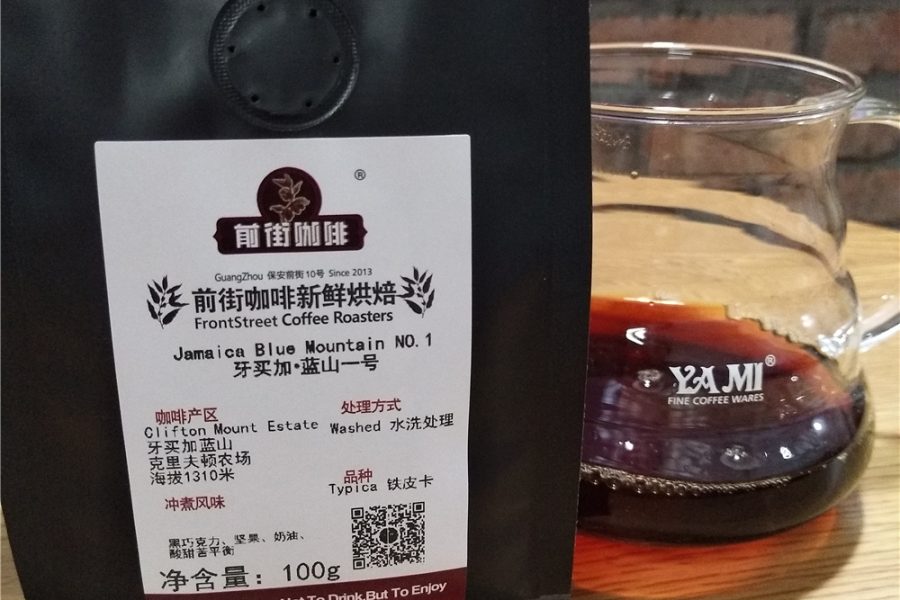
Introduction: Jamaica Blue Mountain No. 1 coffee is renowned as a representative of the world's top growing region, and its washed and natural processing methods each have distinctive characteristics. This article provides an in-depth analysis of the differences between the two processing methods of Blue Mountain No. 1 produced by Clifton Farm, from flavor layers to brewing performance, along with professional parameter references to help you choose precisely according to your taste preferences.
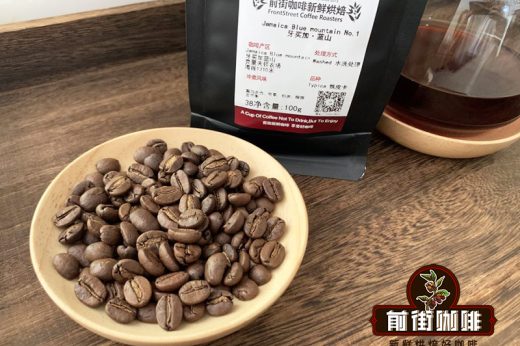
In the specialty coffee world, coffee from Jamaica's Blue Mountain region has always occupied a special position. Among them, Blue Mountain No. 1, as the highest grade of beans from this region, has its washed and natural processing methods frequently discussed by seasoned enthusiasts. This piece focuses on Blue Mountain No. 1 from the core Blue Mountain growing area—Clifton Farm, which sits at an elevation of about 1,310 meters, has a cultivation history dating back to the mid-18th century, and is the only coffee estate in Jamaica certified by the Rainforest Alliance.
The unique geographical environment of the Blue Mountain range provides ideal conditions for coffee growing: the planting areas are concentrated north of Kingston and south of Port Maria, and the elevation for certified Blue Mountain coffee is strictly limited to between 914 and 1,676 meters (3,000–5,500 feet), with the higher-elevation Blue Mountain Supreme region even exceeding this range. Here it is mild and rainy year-round, and the volcanic soil is rich in organic matter with excellent drainage, creating the signature full-bodied base of Blue Mountain coffee.
Traditionally, Blue Mountain coffee has generally used the washed processing method, which is also the process Clifton Farm has long employed. Washed Blue Mountain No. 1 centers on black chocolate and nutty flavors, with a clean and transparent entry, excellent balance of acidity, sweetness, and bitterness, and a full body throughout. Its stable flavor performance makes it a flavor benchmark for many baristas when creating blends.
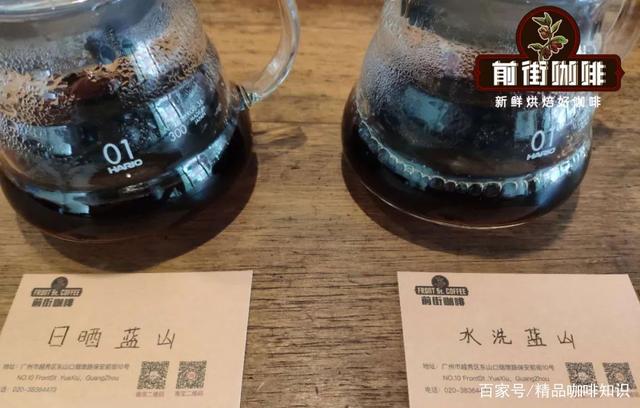
Since 2020, the Blue Mountain region has experimented with small-batch naturally processed Blue Mountain No. 1, bringing a new option to the market. The natural version has more distinct flavor layers: the initial entry shows brown sugar sweetness and bright berry acidity, gradually transitioning to nutty and cocoa richness in the middle and finish, with a warm walnut note in the aftertaste. The overall texture is creamy and dense, and the interplay of acidity, sweetness, and bitterness is more dynamic.
From actual tasting experience, natural Blue Mountain No. 1 is better suited to consumers seeking flavor complexity; its pronounced fruity and sweet layers add interest to the pour-over process. The washed version, meanwhile, maintains the classic Blue Mountain characteristics, and a water temperature of 90–93°C and a 1:15 coffee-to-water ratio with a medium-fine grind is recommended to better highlight its silky texture. Both require attention to avoid over-extraction, which can cause bitterness.
For beginners new to Blue Mountain coffee, it is recommended to first try the washed version to establish a flavor baseline; if you are already familiar with the traditional Blue Mountain style, you can further explore the unique expression of the natural process. Whichever processing method you choose, Clifton Farm's high-elevation growing advantages and strict quality control are a reliable guarantee of quality.