Americano Explained: Hot vs. Iced Flavor Differences and Brewing Guide
Introduction: Americano is a globally popular coffee drink made by diluting espresso with water, preserving coffee's essence while reducing strength. This article explores the flavor characteristics of hot and iced Americanos, optimal drinking temperatures, and how different extraction conditions affect taste, helping you find the coffee experience that suits you.
Americano is essentially a diluted version of espresso, adjusted with hot water to become a daily choice for many coffee lovers. Although simple to make, this basic coffee contains rich flavor layers, and its final expression is influenced by multiple factors such as water temperature, coffee bean quality, and extraction parameters.
From a production principle perspective, Americano is made by mixing espresso with hot water in a certain ratio. Typically, a 1:2 to 1:3 coffee-to-water ratio is used to extract the espresso base, then about twice the volume of 90-96°C hot water is added. This process maintains the rich base of espresso while diluting to a more palatable concentration, with a standard single serving of about 300-350ml.
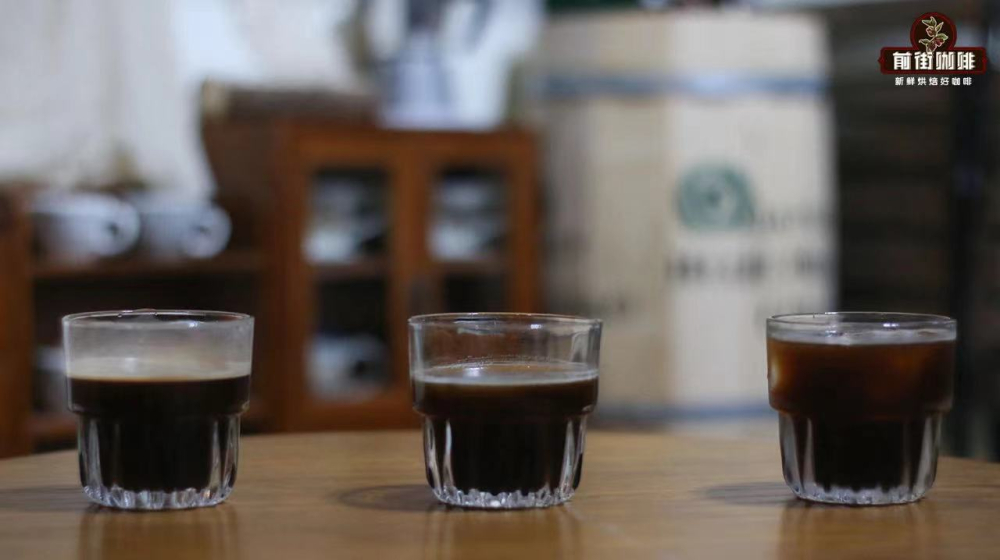
Regarding flavor expression under different temperature conditions, professional tests show that three typical water temperatures (91°C hot water, room-temperature pure water, ice-water mixture) produce significant differences. The hot version (recommended extraction temperature 92±2°C) fully activates the coffee's caramelized substances, releasing distinct vanilla, nutty, and other roasted aromas, with the best balance of bitterness and sweetness. When the temperature drops below 60°C, the room-temperature version's acidity begins to emerge, but the overall flavor becomes milder and more harmonious. The iced version (recommended to use crushed ice for rapid cooling) suppresses bitter receptors due to low temperature, instead making fruity acidity and floral characteristics more prominent.
Regarding coffee bean selection and processing, medium-dark roast blended beans are generally more suitable for making Americano. Such beans require attention to freshness management—freshly roasted coffee beans contain a large amount of carbon dioxide, so it is recommended to rest the beans for 3-7 days after roasting, waiting until the one-way valve on the packaging bag shows significantly reduced gas release before grinding and using. The grind size should be slightly finer than pour-over, close to fine sugar texture, to ensure espresso extraction is completed within 25-30 seconds.
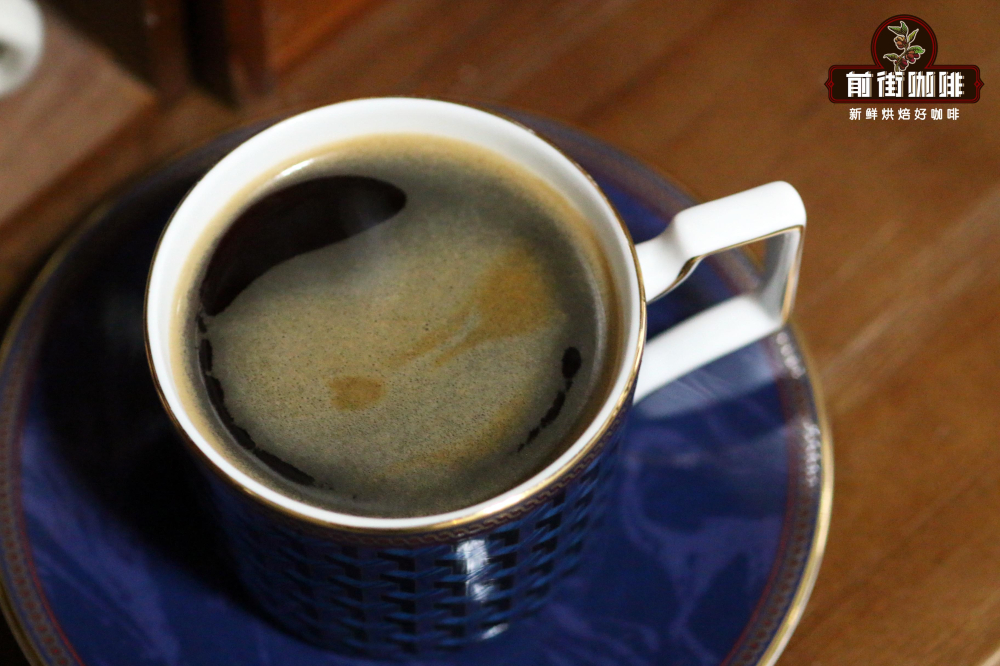
Hot Americano (pictured  ) has the most three-dimensional flavor presentation: at high temperatures, vanilla cream notes are released first, accompanied by caramel sweetness from medium body. When drinking, take small sips to experience temperature changes; the chocolate finish is most pronounced at around 65°C. A common misconception is to pursue excessively high temperatures; exceeding 70°C lowers the tongue's burn threshold, which actually affects flavor judgment.
Room-temperature Americano (pictured 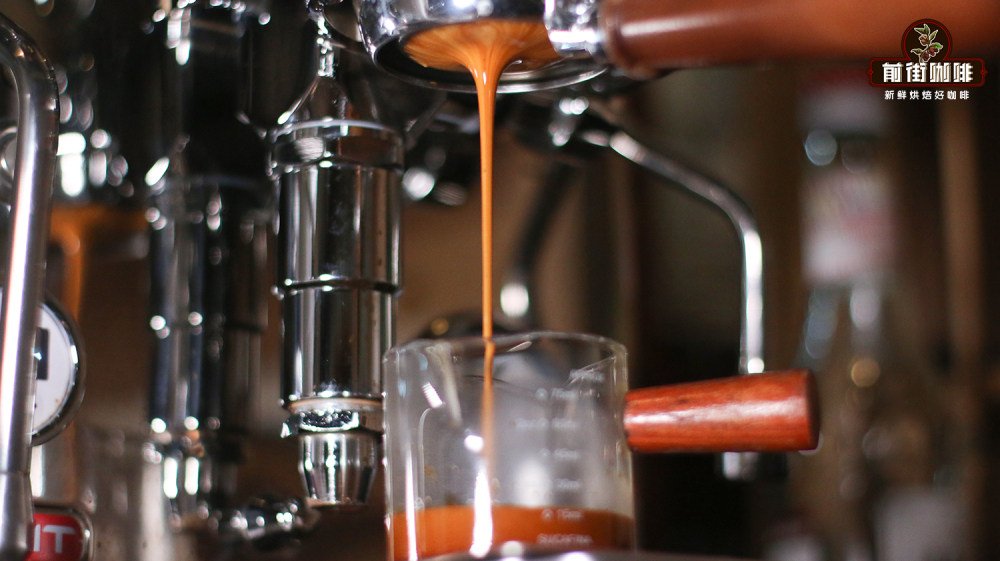 ) performs relatively balanced, with acidity and sweetness reaching a delicate balance at 8-15°C. In this temperature range, it is recommended to use a wide-mouthed cup to promote aroma diffusion; the flavor focus shifts to clean citrus acidity and malt sweetness. Avoid storing in sealed containers, as retained carbon dioxide can make the mouthfeel astringent.
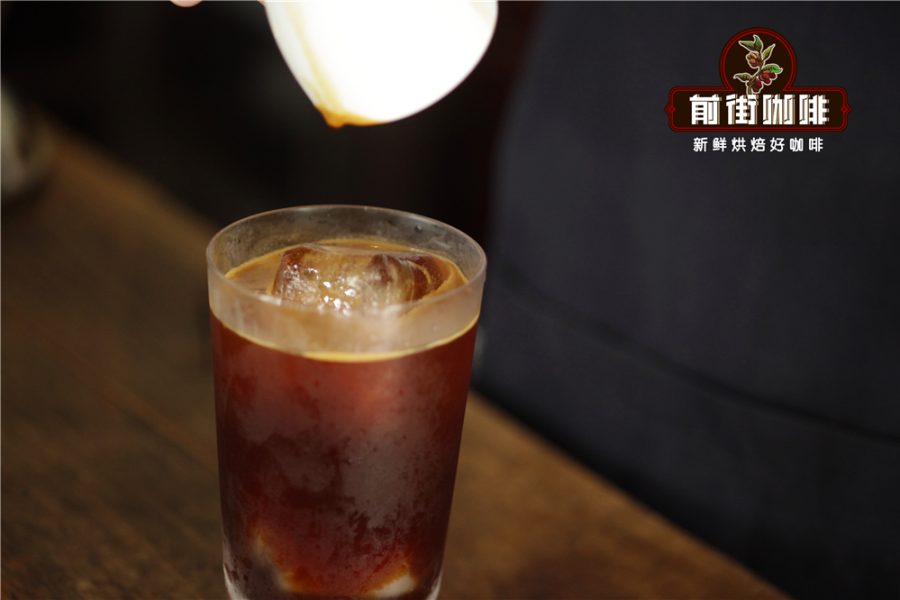
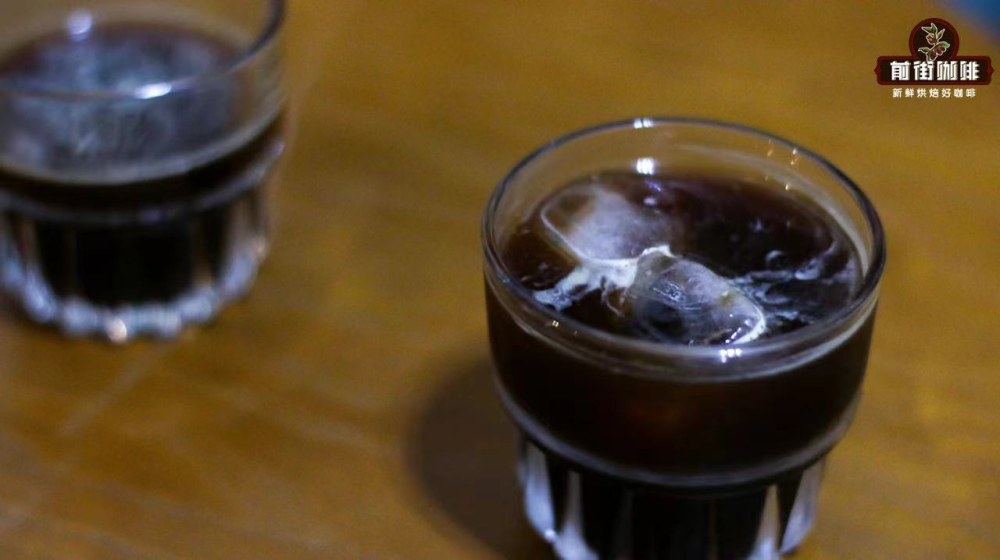
Iced Americano (pictured 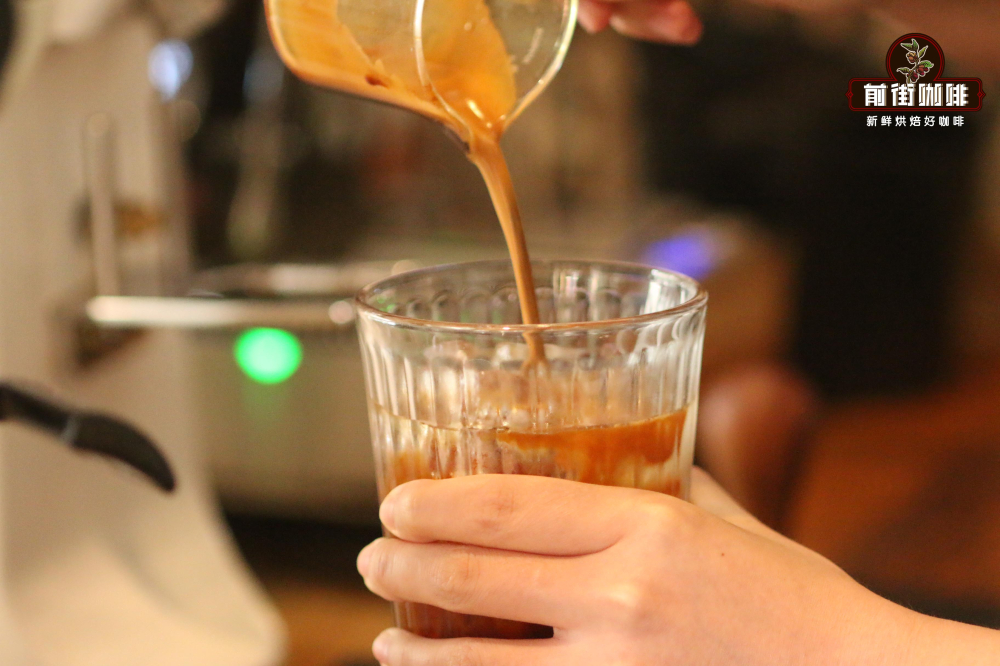 ) hinges on rapid cooling technology. The professional method is to pour espresso directly into a pre-chilled cup and fill with ice cubes, preserving more aromatic substances through physical cooling. The low-temperature environment slows the conversion of quinic acid, so acidity perception is weaker, but bright fruity notes (such as berry flavors) are clearer. Before drinking, stir 1-2 times to ensure an even ice-water ratio.
The scientific principles of temperature's effect on taste perception are worth noting: high-temperature environments enhance sensitivity to sweetness and body receptors while suppressing some acidity perception; when the temperature is below 40°C, the bitterness threshold decreases but acidity perception increases, which is the main reason iced drinks seem more refreshing. Quinic acid gradually converts to quinic acid lactone during cooling, and this chemical change increases the coffee's overall acidity expression by about 15-20%.
Purchasing advice: For home preparation, choose freshly roasted medium-dark roast blended beans, and use them within 15 minutes after grinding. For commercial settings, it is recommended to use double filter baskets (18-20g dose) to ensure espresso base strength, with hot water flow rate controlled at 3-5 ml per second. Regardless of the temperature version, a high-quality espresso base is the key factor determining the final flavor.