Americano vs. Espresso: Caffeine Content and Brewing Methods Compared
Introduction: Have you ever wondered whether the americano you drink regularly is the same as espresso? The two may seem similar, but they differ clearly in brewing method, flavor and caffeine content. This article takes a closer look at the essential differences between americano and espresso, explaining how each is made, their flavor characteristics, and how much caffeine each cup actually contains, to help you better choose the coffee that suits you.
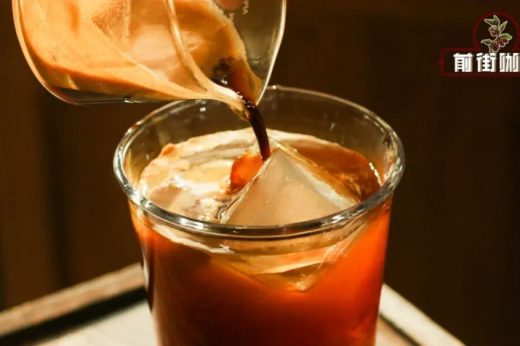
Americano is not simply espresso; it is a common coffee drink made by diluting espresso with hot water. Many people mistakenly assume americano is the same as espresso, but they differ in preparation, concentration and flavor. Put simply, americano uses espresso as its base, to which hot water is added to create a volume and mouthfeel close to that of pour-over coffee.
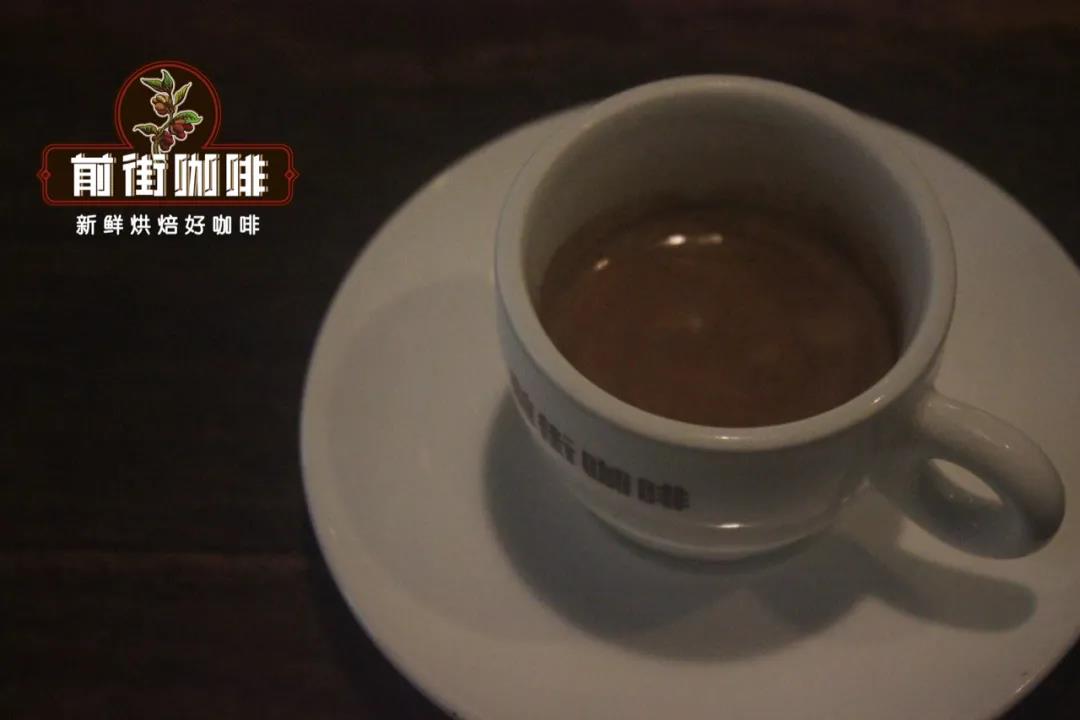
In terms of brewing, the core difference between americano and espresso lies in the extraction method. Espresso is made by forcing near-boiling hot water at high pressure quickly through very finely ground coffee, extracting a concentrated coffee liquid rich in oils in a short time. This process usually takes only 25 to 30 seconds, so the coffee tastes intense, with concentrated aroma and abundant crema. A standard single espresso is about 30 milliliters of liquid, but its coffee flavor is extremely concentrated.
Americano, by contrast, is made by adding hot water to a single or double espresso, diluting the concentration so that its mouthfeel is closer to everyday pour-over black coffee. A common ratio is one espresso plus about 150 to 200 milliliters of hot water, yielding a final volume comparable to a standard pour-over coffee, with a relatively mild mouthfeel that still retains the rich base flavor of espresso.
So which has more caffeine, americano or espresso? This needs to be analyzed in terms of both serving volume and overall intake. According to data from authoritative health organizations, an 8-ounce (about 240-milliliter) cup of regular drip black coffee contains roughly 95 to 165 milligrams of caffeine, with the exact figure affected by coffee bean variety, roast level and brewing time. A standard single espresso (about 30 milliliters) contains about 47 to 64 milligrams of caffeine. So although espresso has more caffeine per unit volume, americano is usually made by diluting one or two espressos with hot water, giving it a larger total volume, and the total caffeine intake is often no lower than, or even slightly higher than, the same volume of regular black coffee.
For example, if you order an americano made from a double espresso (about 60 milliliters) plus hot water, for a total liquid volume of about 240 milliliters, the total caffeine content is roughly 94 to 128 milligrams, comparable to or even slightly higher than the same volume of regular drip coffee. So for consumers who pay attention to caffeine intake, when choosing they should look not only at the drink's name but also at its specific composition.
In addition, many people drinking coffee also care about how different brewing methods affect flavor. Because espresso uses high pressure and high temperature for rapid extraction, its flavor is more intense and layered, with lower acidity but more pronounced bitterness and body. Americano, after dilution with hot water, has relatively higher acidity, softened bitterness and an overall balance closer to everyday black coffee, making it suitable for drinking over a longer period or pairing with meals.
Finally, a reminder for coffee lovers: if you try making americano at home, you can use a home espresso machine to make an espresso base, then add an appropriate amount of hot water to adjust the concentration to your taste. Generally, one espresso plus 150 milliliters of hot water yields an americano with moderate flavor. If you prefer a milder taste, you can increase the water a little, but note that over-dilution may cause the flavor to fade.
In summary, americano is not espresso, but a drink made by adding hot water to an espresso base. The main differences between the two lie in brewing method, concentration, flavor and the way caffeine is consumed. Understanding these differences can help you choose the cup that better suits your preferences and needs.