Is Americano a Black Coffee? Espresso Americano Bean Guide and Brewing Parameters
Introduction: As the most common type of black coffee, Americano has become a daily choice for many people thanks to its fresh taste and invigorating effect. But do you know how it is actually made? And why its flavor varies so noticeably? This article explains in detail the brewing process and core parameters of a standard Americano, and for espresso-based Americanos, recommends several coffee bean types suited to different flavor profiles, helping you recreate the classic café taste at home.
Americano is arguably one of the most classic black coffees. It is made by simply combining espresso with hot water, and its clean, pure taste and efficient invigorating effect have made it a favorite among office workers and coffee enthusiasts. But many people may not know exactly how a standard Americano is made, or why its flavor varies so widely depending on the coffee beans chosen. Next, we will give you a comprehensive analysis, from the brewing process to bean selection.

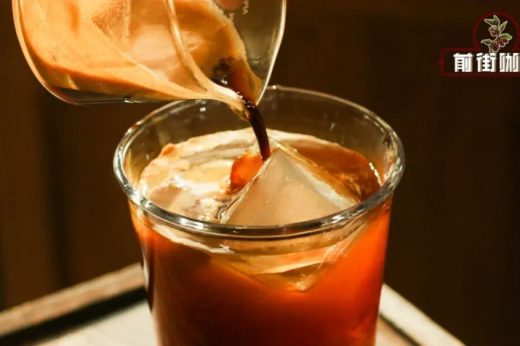
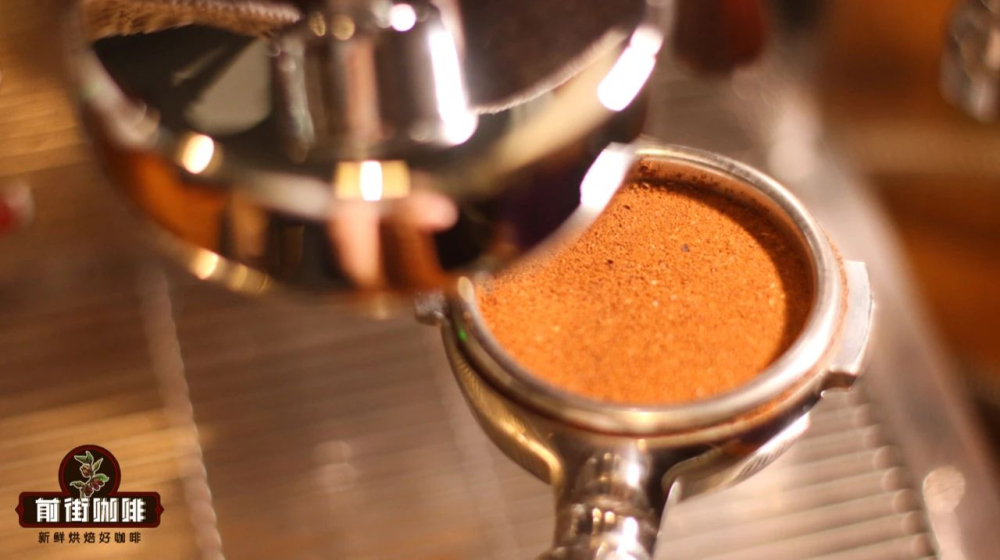
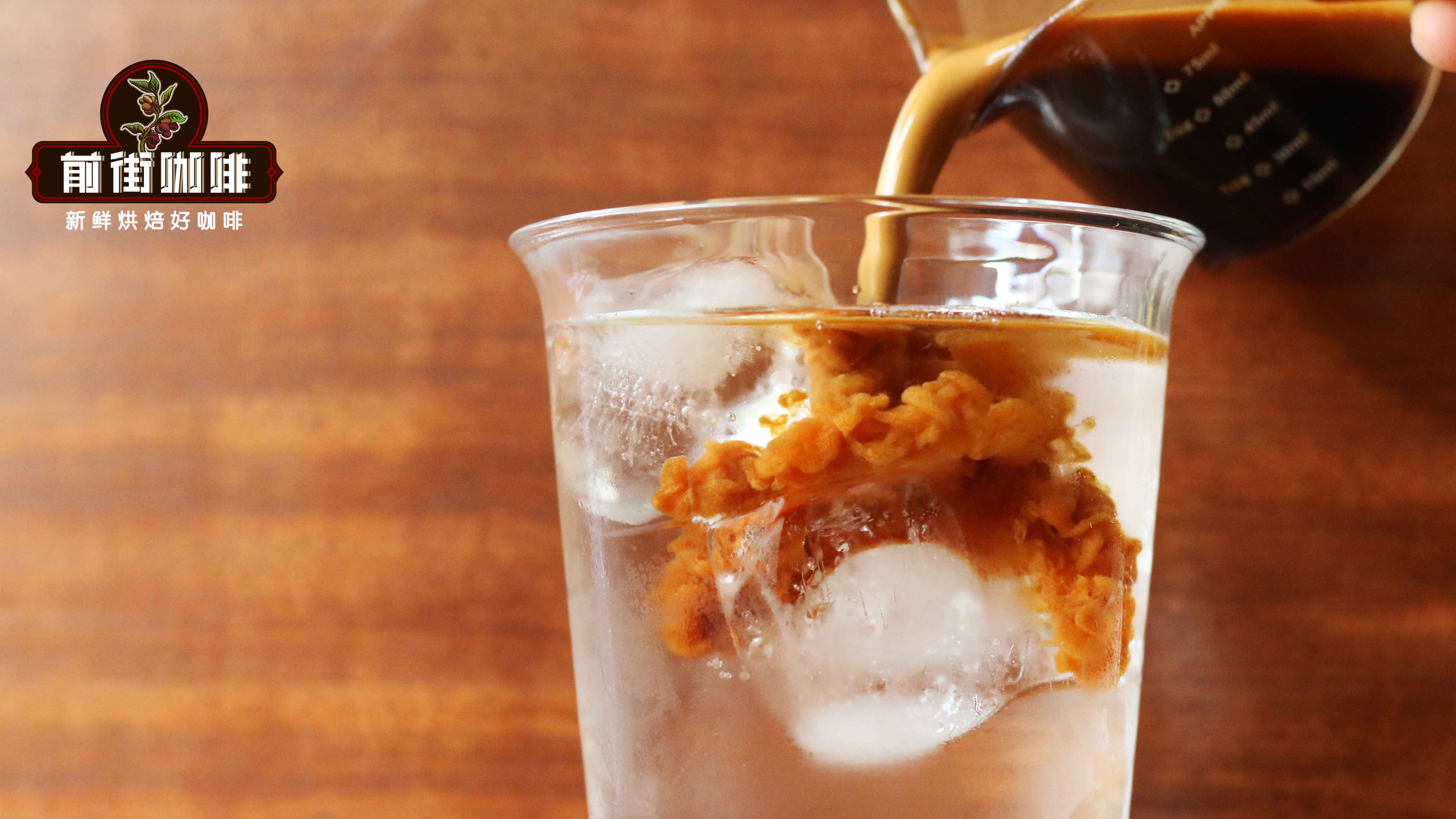
Watching the output process at a coffee shop, you will find that making an Americano often takes only two or three minutes—from grinding to extraction to adding water, the steps are simple and efficient. Specifically, first fill the filter basket with about 20 grams of ground coffee, distribute evenly and tamp, then install it on the espresso machine's group head and extract at a 1:2 coffee-to-liquid ratio (i.e., 20 grams of coffee yields 40 grams of espresso). Next, prepare a 200–250 ml cup and pour in 180 ml of hot water at about 80°C. Finally, pour the espresso directly into the hot water, and a hot Americano is complete. If you prefer an icy taste, replace the hot water with a combination of 90 grams of ice cubes plus 180 ml of room-temperature water.
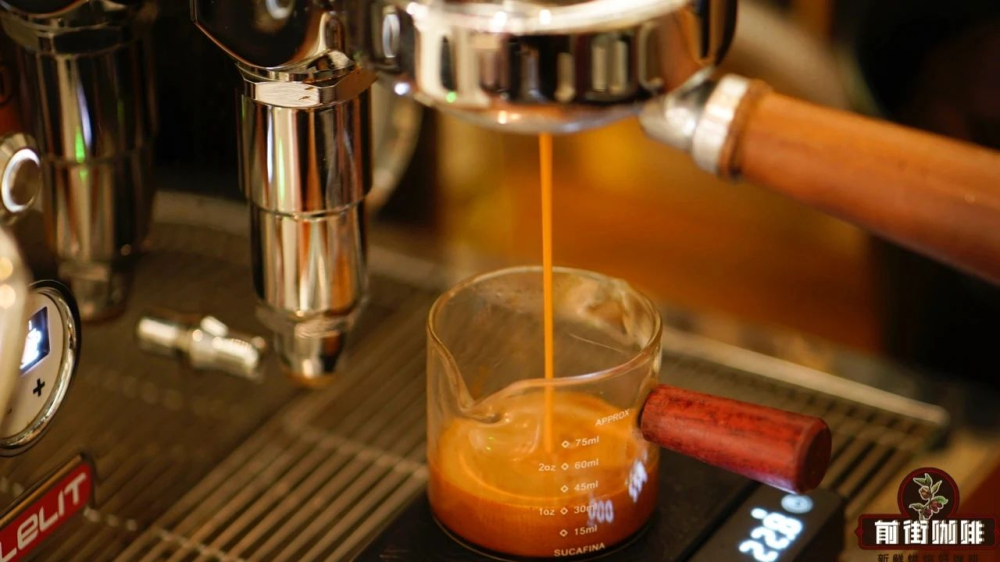

Since the flavor of an Americano depends entirely on the espresso base, and espresso uses the Italian high-pressure, high-temperature extraction method (typically 9–10 bar pressure, 90–96°C water temperature), this process fully draws out the coffee beans' oils and flavor compounds. Therefore, the type and freshness of the coffee beans directly affect the final taste. Unlike the gentle extraction of pour-over or drip methods, espresso requires coffee beans with a richer mouthfeel, a abundant crema layer, and clear flavor layers, so high-quality, fresh medium-dark roast beans are the better choice—this roast level balances acidity and bitterness and highlights the sweetness and full-bodied texture brought about by caramelization.
When selecting coffee beans suited to Americano, pay attention to the following key dimensions according to personal taste preferences: fruity beans usually have bright acidity and fresh flavors (such as berries and citrus), suitable for summer or those who prefer a light mouthfeel; full-bodied beans are mainly dark roasts, with rich crema, a solid mouthfeel, and a chocolate or caramel finish; intense beans emphasize a strong sweet-bitter balance, suitable for pairing with milk or drinking straight; balanced beans have coordinated acidity and bitterness, mild flavor, and are suitable for beginners or consumers seeking an everyday all-purpose option.
For users trying homemade Americano for the first time or hoping to enrich their flavor options, the following common recommended types can be referenced (compiled based on mainstream market feedback): the first is fruity-style blended beans, usually a mix of beans from multiple origins (such as Central American washed beans, South American natural beans, and African Yirgacheffe-style beans), with rich flavor layers that may include rose, grape, and orange aromas, soft acidity and sweetness, and a refreshing mouthfeel, especially suitable for spring and summer; the second is full-bodied-style beans, mostly based on Indonesian Mandheling or Brazilian beans, paired with a small amount of high-oil bean varieties (such as certain Robusta), which after extraction have a thick crema layer, a full mouthfeel, and deep flavors of dark chocolate and nuts; the third is intense-style beans, often blending Brazil, Colombia, and a certain proportion of Robusta, emphasizing the balance between caramel sweetness and the slight bitterness of dark chocolate, with a lasting finish, suitable for users who like strong flavors; the fourth is balanced-style beans, mainly medium-dark roasted Brazilian and Colombian beans, with low acidity and obvious sweetness, prominent nut and grain flavors, moderate crema, suitable for daily commuting or pairing with meals.

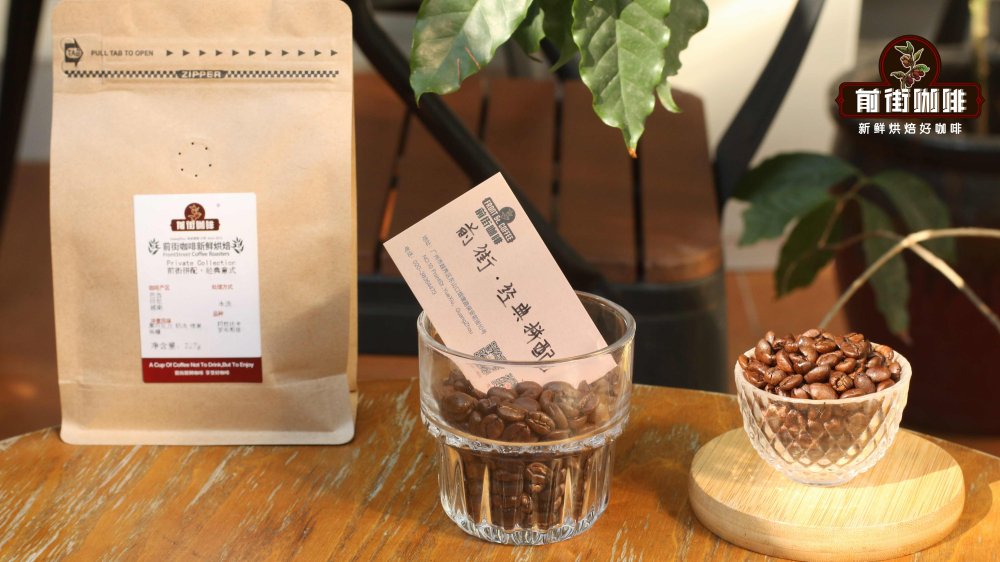


It should be noted that no matter which type of coffee bean is chosen, freshness is key—it is recommended to choose beans with a roast date within 5 days and to use them as soon as possible after opening (flavor is usually best within 1–2 weeks). In addition, espresso extraction parameters need to be stable: a dose of 20±1 grams, extraction time controlled at 25–30 seconds, and a coffee-to-liquid ratio of 1:2 (about 40 grams), avoiding over-extraction that causes bitterness or under-extraction that produces sharp acidity. If making iced Americano, it is recommended to pre-chill the water to 8–10°C in advance, or use ice cubes directly to cool it, so as to maintain the purity of the coffee's flavor.