Americano vs Cappuccino and Latte: Ratios and Brewing Explained
Introduction: Want to understand the differences between americano, cappuccino, and latte? This article explains the recipe ratios, brewing key points, and flavor differences of these three classic coffees, and also tells you how to adjust the strength and sweetness of americano. From the golden ratio of espresso to water to the key techniques of milk steaming, it will take you through the basics of making coffee-shop-style drinks.
Are you in the habit of adding milk to your americano? Although this way of drinking is very common (some call it a "white americano"), strictly speaking, it belongs to a different category from true cappuccino and latte. The essence of americano is espresso plus hot water, while cappuccino and latte require steamed milk.
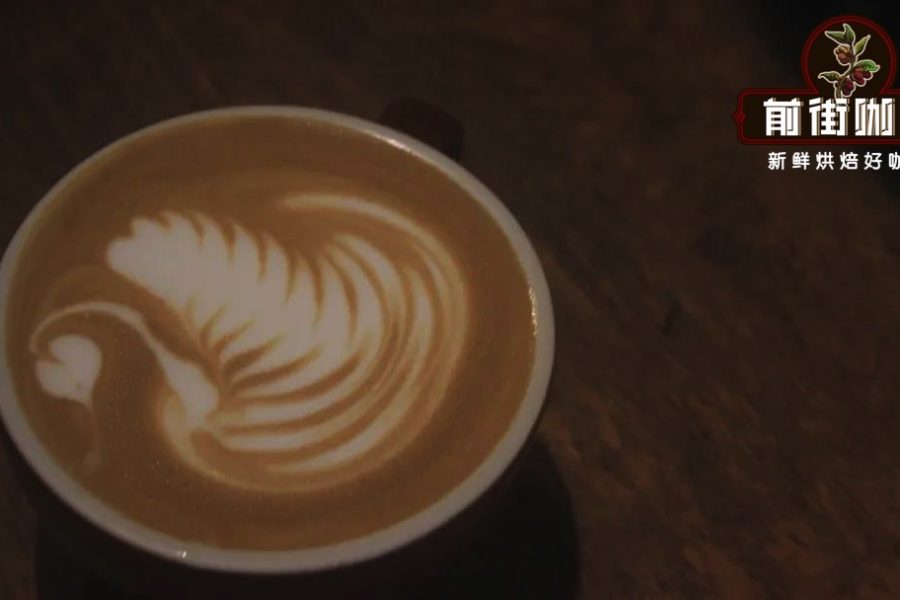
Classic Italian coffee combinations: A standard cappuccino consists of one shot of espresso (about 30ml), an appropriate amount of steamed milk (about 150ml), and dense milk foam (about 30ml), presenting a perfect 1:1:1 ratio. Latte uses more milk (about 250ml), has a thinner milk foam layer or even omits it, and is often flavored with syrups such as vanilla and hazelnut. Macchiato is exactly the opposite—a higher proportion of espresso (double shot), paired with only a small amount of steamed milk. Mocha adds hot chocolate sauce on the basis of cappuccino, creating a unique balance of sweetness and bitterness.
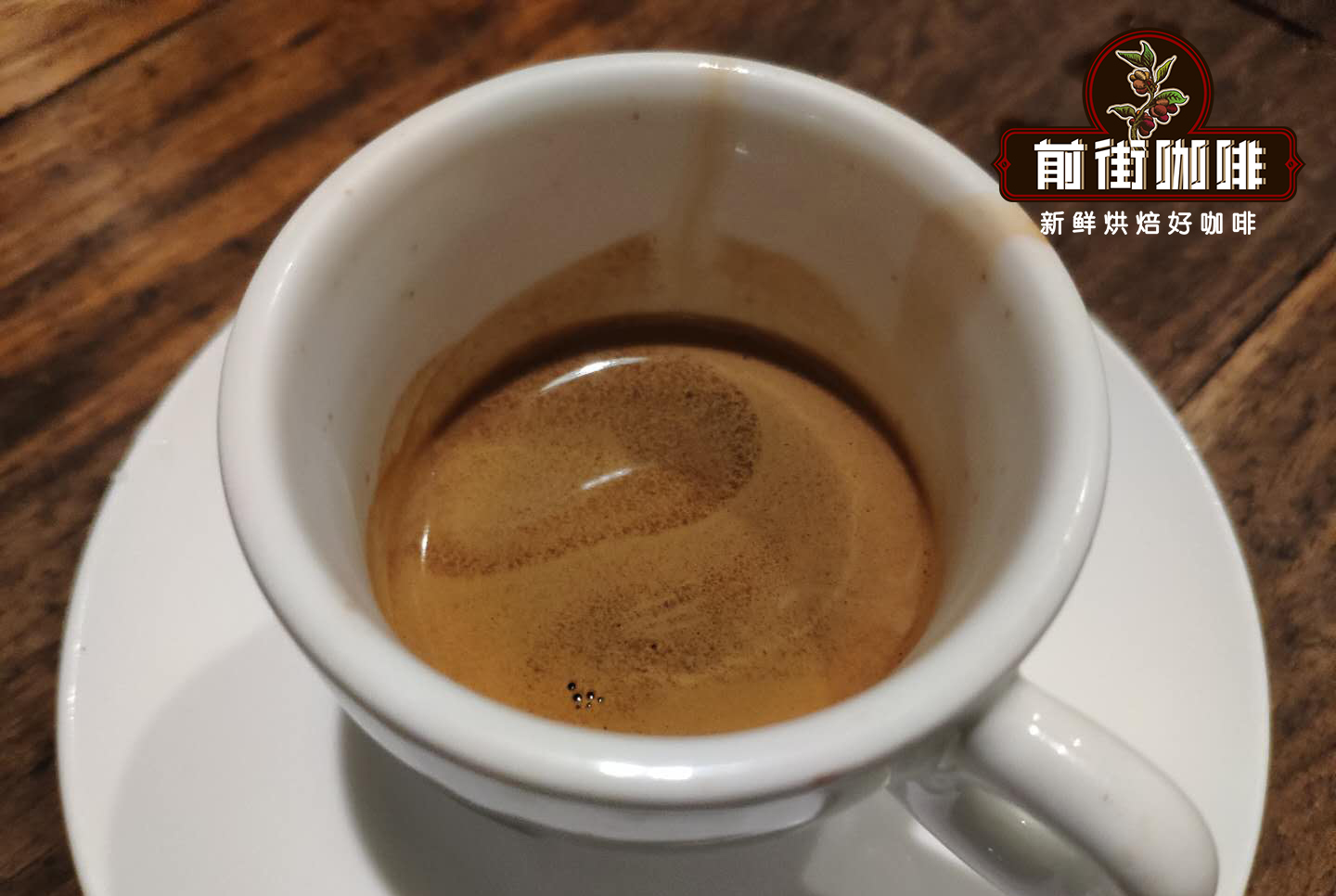
Core parameters of americano: The key to making a high-quality americano is controlling the ratio of espresso to water. The traditional method uses 1-2 shots of espresso (30ml each) with 30-180ml hot water, and the total liquid volume is usually kept between 60-240ml. It is worth noting that professional baristas recommend pouring the espresso into the cup first, then slowly adding hot water—this layering method better preserves the coffee crema and avoids direct impact from high-temperature water that can damage the flavor. The reverse operation (hot water first, then pouring coffee over it) is called "Long Black," an Australian specialty.
On adjusting the sweetness of americano: If you want even sweetness, add sugar granules and stir until completely dissolved during espresso extraction, rather than adding granulated sugar afterward. This not only avoids graininess but also allows the sweetness to blend more naturally. Temperature control is also important—the ideal water temperature should be between 90-96°C; water that is too hot will cause over-extraction and produce a burnt, bitter taste.
Advanced americano variations:
• Espresso americano: Uses a double shot of espresso (60ml) with 30ml hot water, for a strong taste
• Lungo (long extraction): Extends extraction time to about 45 seconds, increasing the liquid volume to about 120ml, but it may be more bitter
• Caffè Crema: A long-extraction variation popular in northern Italy, using coarsely ground coffee and extending extraction to 1 minute to produce a smoother taste (about 180ml)
Caffeine content reference values: A single shot of espresso (30ml) contains about 63mg of caffeine, and a double shot about 125mg. A standard americano (1 shot espresso + 150ml water) contains about 60-120mg of caffeine, comparable to regular drip coffee (95mg/240ml). Looking for an extreme energy boost? Try "red eye coffee"—an americano plus an additional cup of black coffee.
Common misconceptions: ① Do not use boiling water to brew espresso directly (the optimal temperature range is 90-96°C). ② Milk steaming temperature should be controlled at 60-65°C (above 70°C will destroy the sweet-tasting substances). ③ The so-called "americano with milk" is acceptable, but it will change the original flavor balance. Master these basic parameters, and you can recreate coffee-shop professional-level drinks at home.