Iced Americano: Weight Loss Benefits, Bitterness and Home Brewing Guide
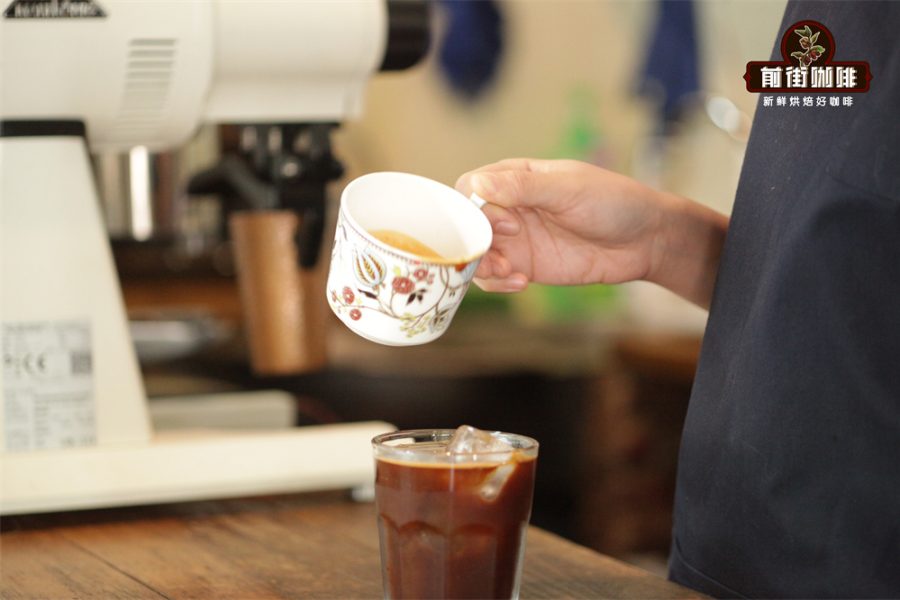
Introduction: Iced americano, with its low calories and refreshing effect, has become a daily drink for many people. But do you know whether it can really help with weight loss? And is iced americano the bitterest black coffee? This article explains the origins of americano, its preparation method, extraction parameters and flavor characteristics, helps you master home-brewing techniques, and answers common questions about bitterness and coffee bean selection.
In Korean dramas, americano often appears in café scenes; it is not only a daily drink for the characters but also carries a certain social meaning. For modern consumers, especially younger groups, americano—with no milk and no sugar and low calories—has gradually become a drink choice that balances health and refreshment. In social settings, it is economical and does not burden either the person treating or the person being treated.
If you are unsure of the other person's coffee preference, bringing an iced americano is usually a safe choice. If you are worried the person is not used to the intensity of black coffee, you can also include a creamer or sugar packet so the drinker can adjust it to personal taste.
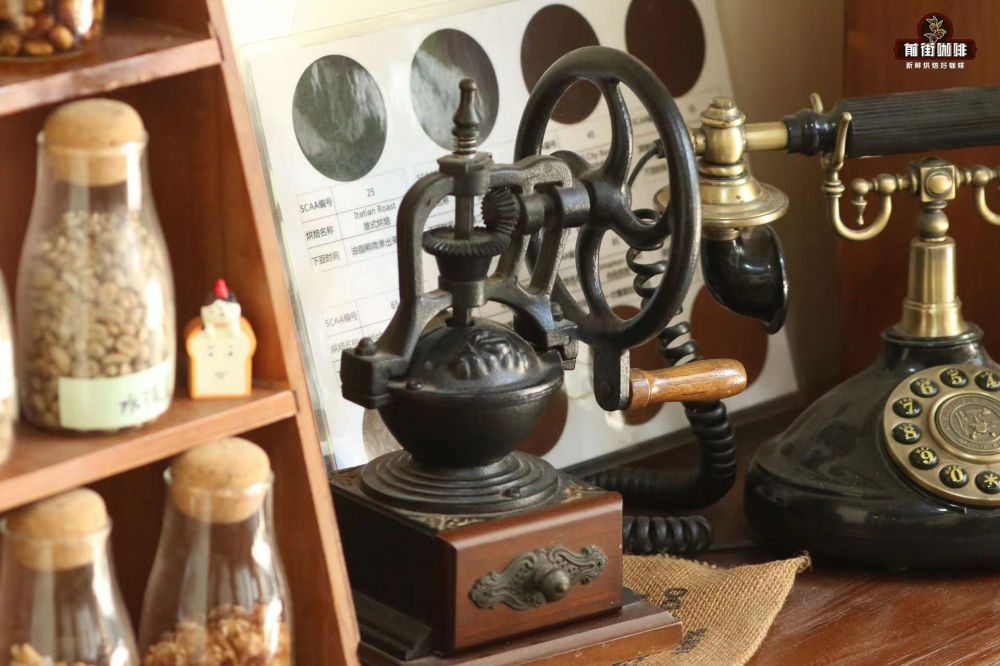
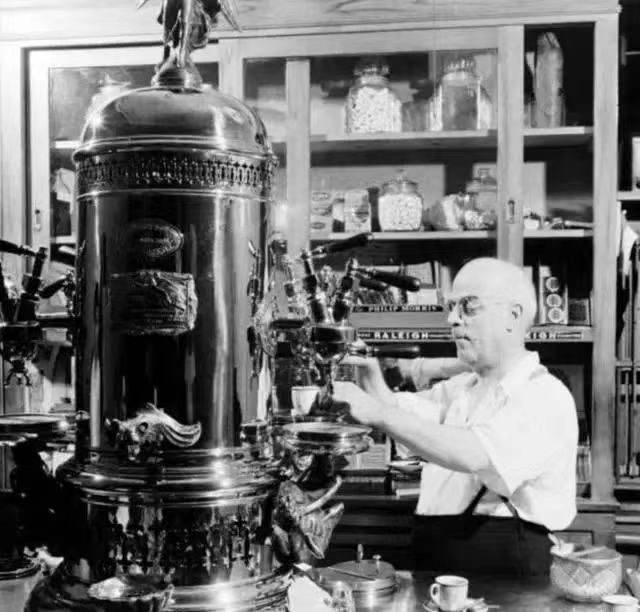
Americano does not originate from the United States but was born in Italy. In 1884, Italy invented a coffee machine that used steam pressure for extraction and launched espresso. This coffee extracts a highly concentrated coffee liquid by bringing very finely ground coffee powder into contact with hot water under pressure. Due to the industrial background, this high-concentration drink quickly became popular locally.
However, on the eve of World War II, American soldiers in Italy generally found this strong coffee difficult to accept—at that time, espresso-making techniques had not yet been refined, and coffee bean quality also differed from today. To adapt the taste, U.S. soldiers habitually added water to dilute the espresso.
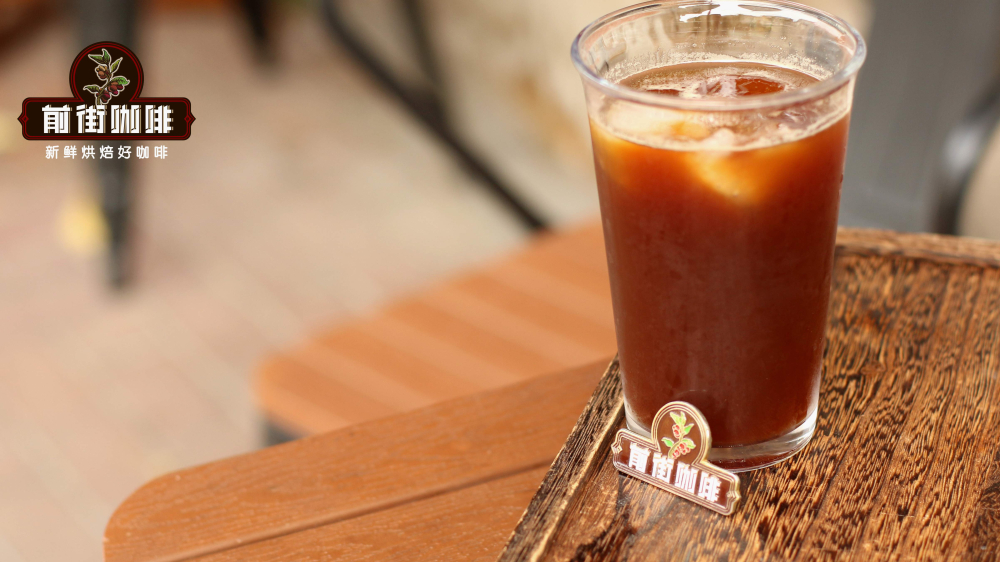
Italians did not approve of this way of drinking it, so they called this watered-down espresso "Americano," meaning "the Americans' coffee." Although not recognized in Italy itself, this way of drinking became very popular in the United States. Because it is convenient to make and the strength can be adjusted to personal taste, espresso machines were later introduced to the United States and quickly became widespread, and americano also became a common option in cafés.
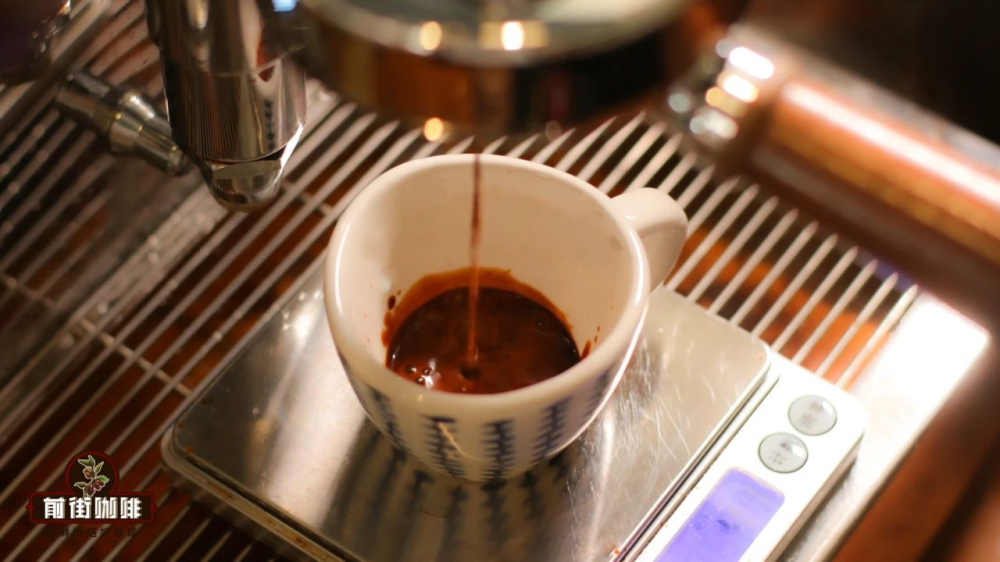
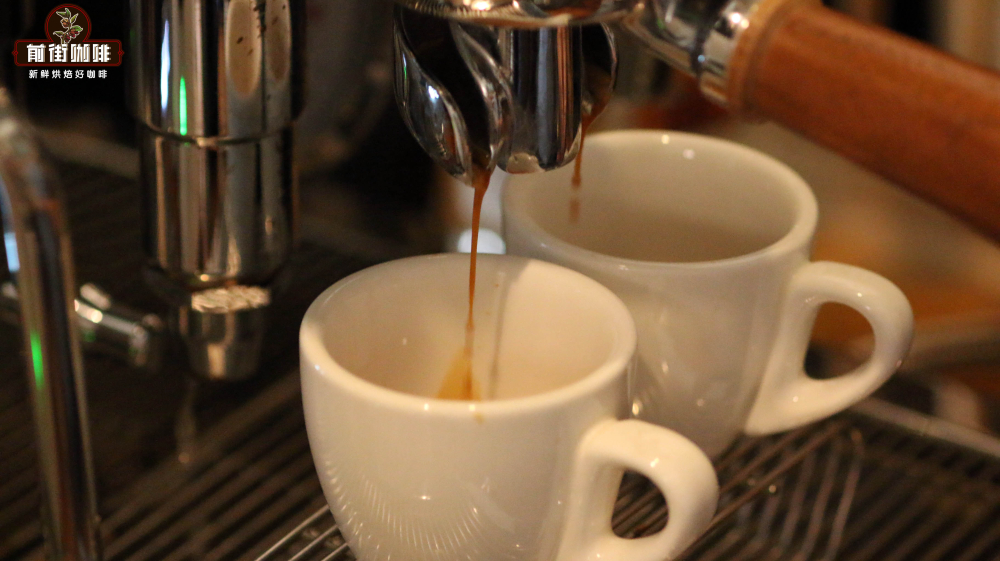
To make a standard americano, espresso is usually mixed with water. A common method is to use dark-roasted blended coffee beans, grind them very fine, extract a highly concentrated coffee liquid under high pressure, and finally mix it with hot water in proportion. Taking common commercial practice as an example, about 20 grams of coffee powder is generally used, and 40 grams of coffee liquid is extracted at 9 bar pressure; the extraction time is about 25 to 30 seconds, after which hot water is added at a ratio of 1:5.
It should be noted that the above parameters are for reference only. The performance of different coffee machines and grinders varies, and the roast level, freshness and flavor characteristics of the coffee beans also affect the final taste. Therefore, it is recommended to adjust the ratio flexibly according to the actual extraction result. If you are unsure about the strength, start with 1:5; if it feels too strong, add more water, and if not, reduce the water.
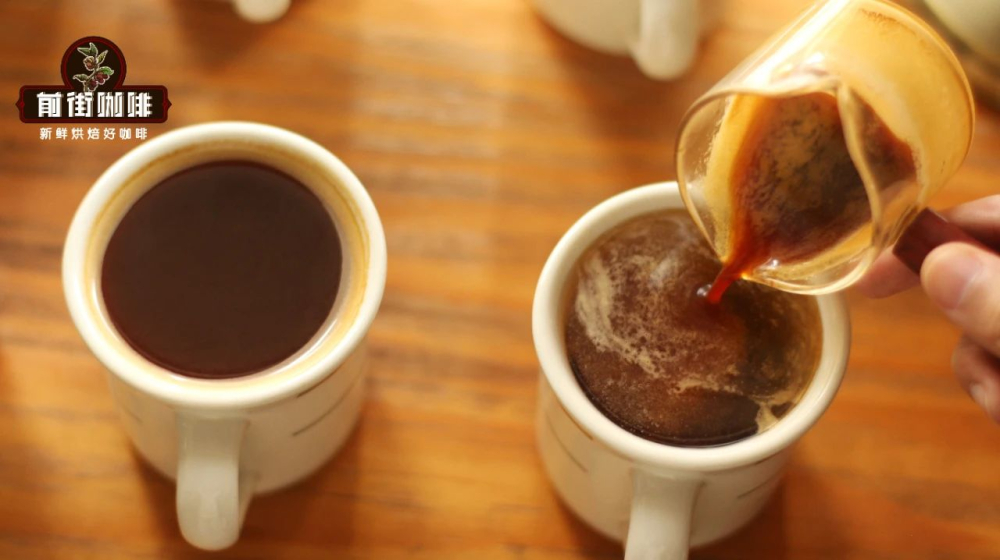
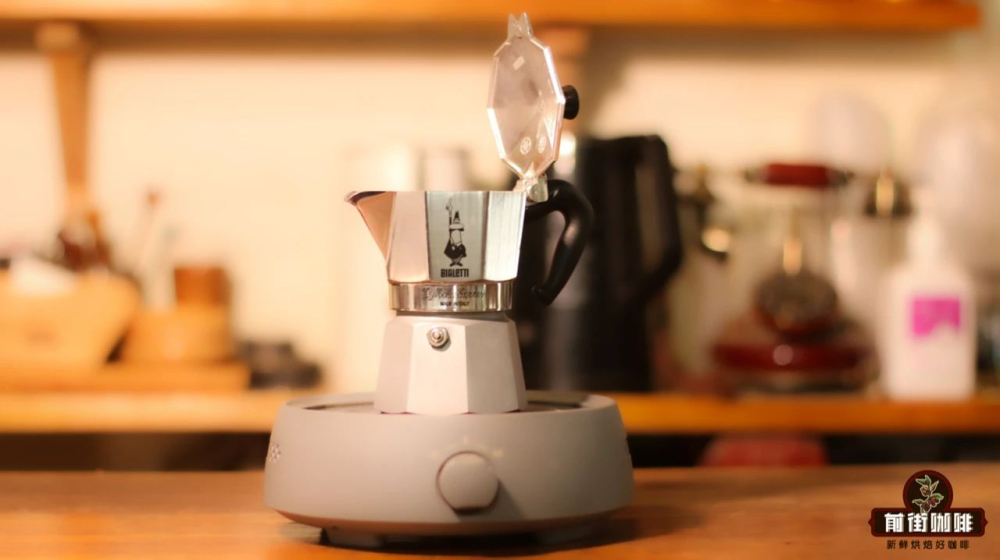
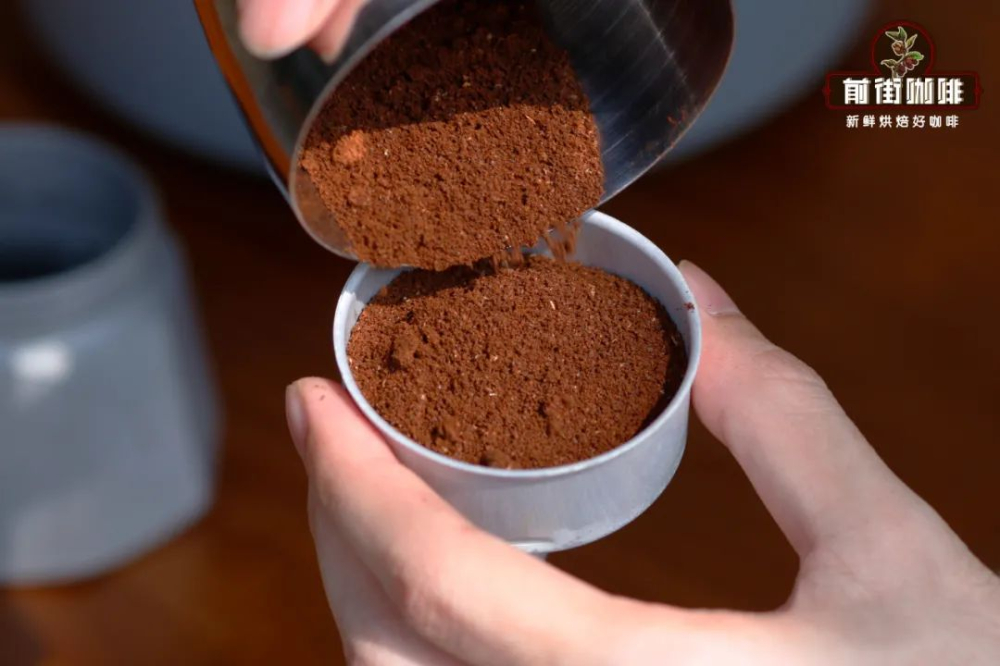
If you do not use a professional coffee machine, you can also make an espresso base at home with a moka pot. When using a moka pot, be careful not to let the water in the lower chamber exceed the pressure relief valve; the coffee powder should be ground relatively fine but must not leak out from the filter basket; when filling the coffee powder, it should be level with the basket, and there is no need to press it firmly.
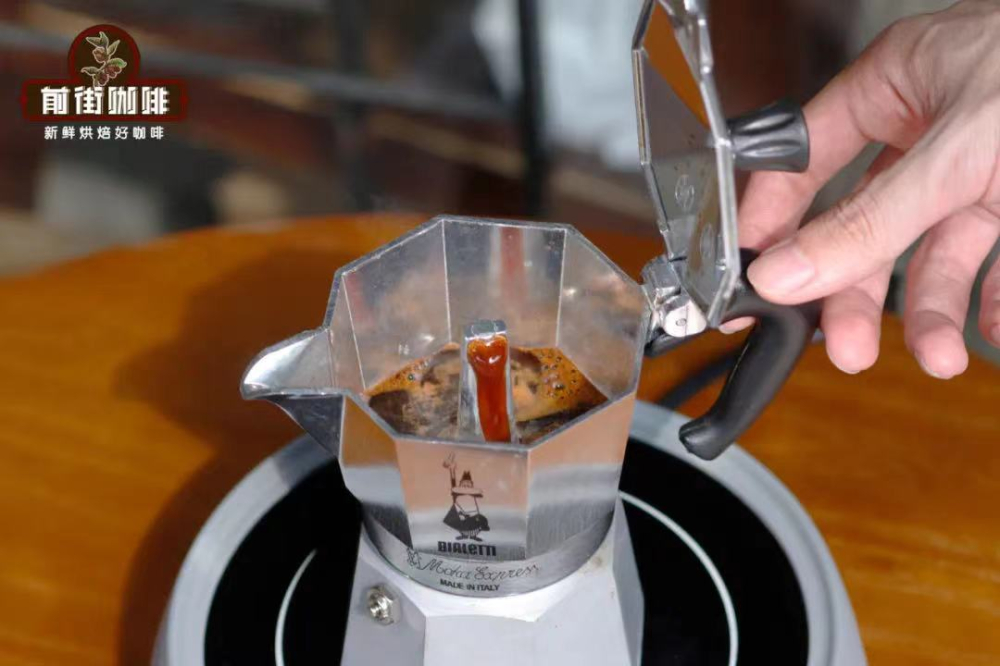
After heating begins, once coffee liquid starts dripping into the upper chamber, turn off the heat source and move the moka pot onto a wet towel to cool it quickly. This temperature difference helps accelerate the coffee extraction process while avoiding over-extraction caused by prolonged high temperature, which would affect the flavor.
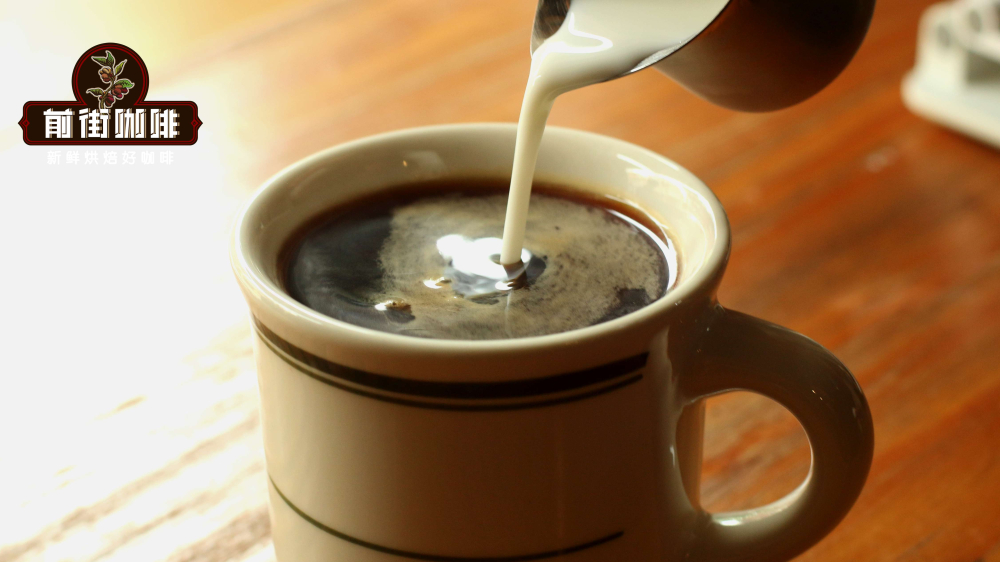
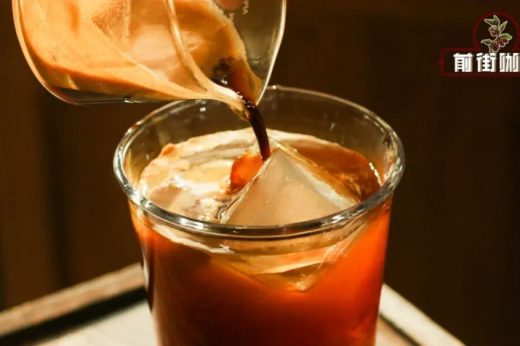
Pour the coffee liquid extracted from the moka pot into about 180 milliliters of warm water and stir gently until evenly mixed, and a basic americano is complete. If you are not used to its rich bitterness, you can add a small amount of milk to balance the taste.
Regarding coffee bean selection, blends designed specifically for espresso are usually a more stable choice. These beans are not only relatively lower in cost but also have high flavor consistency after blending, making them more suitable for home and commercial scenarios. Common blend formulas include combinations of coffee beans from different producing regions, such as a pairing of South American and Southeast Asian beans, which often brings a complex flavor of nuts, caramel and chocolate.
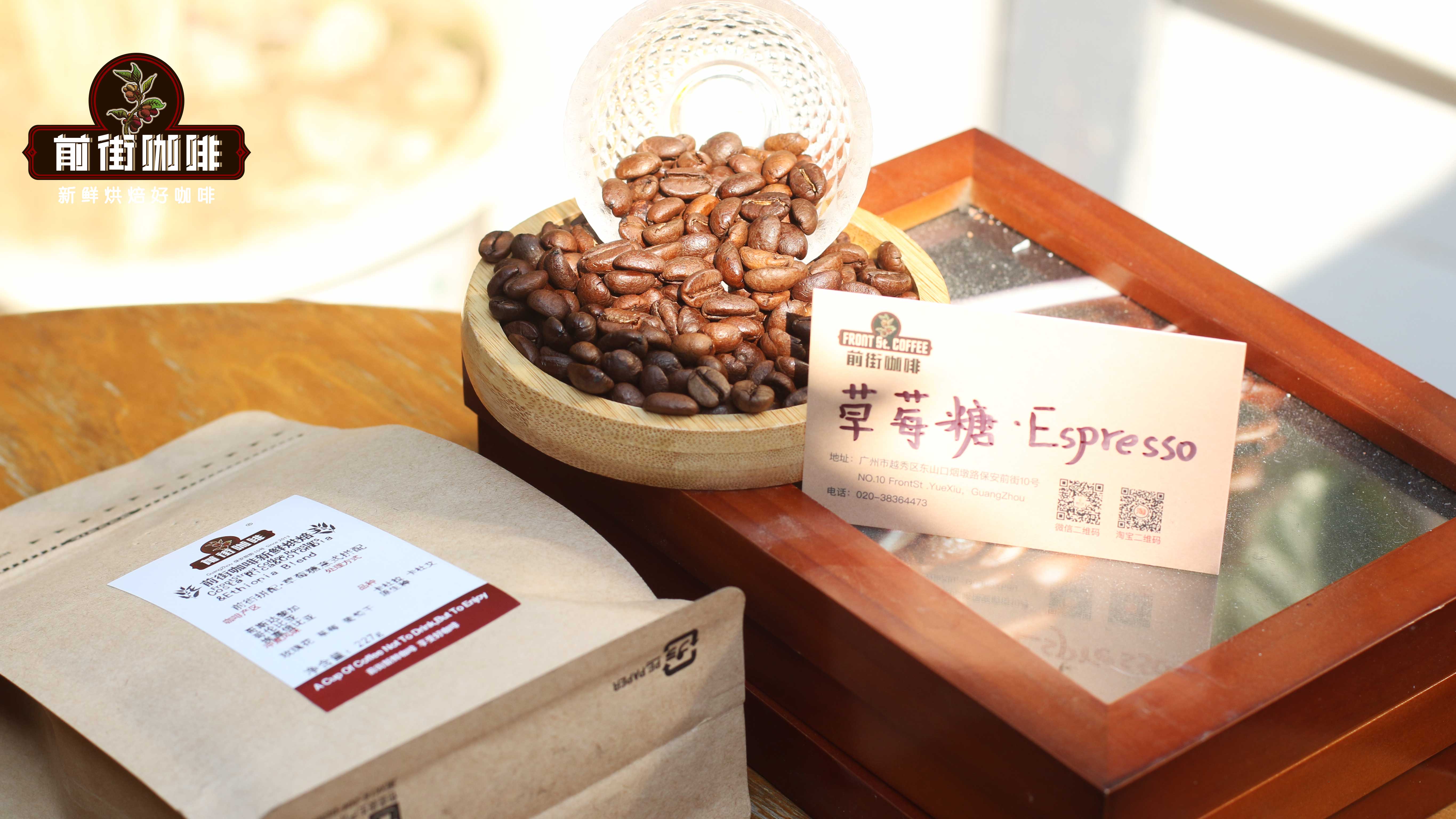
If you prefer lower bitterness, you can choose a blend with floral and fruity notes. These beans often combine coffee from multiple producing regions, such as Ethiopia, Colombia and Costa Rica, and can present fresh aromas of citrus, rose, raisin and blueberry, making the americano taste sweeter and softer.
Is iced americano the bitterest? This depends on the type of coffee beans used, the roast level and the extraction parameters. Generally, dark-roasted coffee beans have more pronounced bitterness due to more complete caramelization, and the iced americano made from them is often stronger than versions made with light or medium roast. In addition, cold drinks amplify certain flavor characteristics of coffee, including bitterness and body, so iced americano may give a stronger impression of bitterness.
As for whether iced americano can help with weight loss, the key lies in its low-calorie characteristics. Standard americano contains almost no sugar or fat; its main calories come from the coffee beans themselves, usually within a few calories per cup. Drinking black coffee can promote metabolism and temporarily increase fat oxidation efficiency, but if a large amount of syrup, creamer or cream is added, these benefits may be offset. Controlling additives and choosing pure black coffee is more helpful for achieving health goals.