Iced Americano vs Iced Latte: Caffeine and Alertness, Espresso Basics Explained
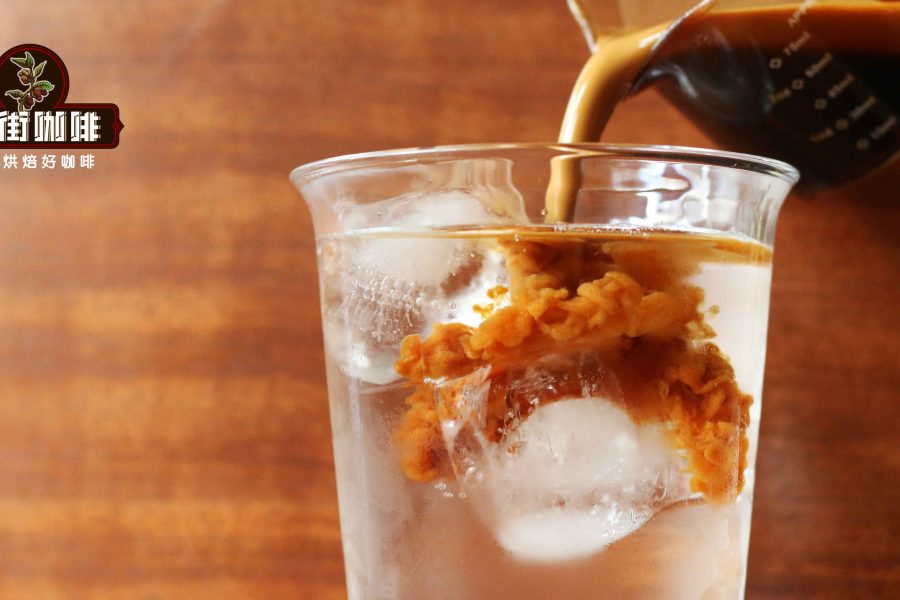
Introduction: Many people drink coffee to wake up and sharpen their minds, but faced with the dazzling array of coffee types on the market, they often don't know how to choose. Between iced Americano and iced latte, which one actually has more caffeine and a stronger alerting effect? Are they both espresso? This article analyzes the caffeine content differences and alerting mechanisms of common coffee drinks from multiple angles—caffeine sources, coffee bean types, extraction methods—and offers practical buying advice.
Coffee's ability to wake us up comes down to the caffeine it contains. When we stay awake for long periods, a substance called adenosine gradually accumulates in the body; it binds to brain neurons and makes us feel tired. Caffeine's mechanism is to "beat" adenosine to these receptors, blocking the brain from receiving fatigue signals and keeping us alert.

From this perspective, the higher a drink's caffeine content, the more pronounced its alerting effect should theoretically be. So the question is: which coffee drinks contain more caffeine? Between the common iced Americano and iced latte, which has more caffeine? Are they both espresso? Next we'll dig into these common questions.

First, we need to understand that caffeine content is mainly determined by two factors: the caffeine content of the coffee beans themselves, and the specific coffee-making method. Different coffee bean varieties and different extraction processes both significantly affect the caffeine content of the final drink.

Among common coffee bean types, there are two main categories: Arabica and Robusta (commonly called robusta beans). Robusta has a relatively high caffeine content, about 2% to 4% of bean weight, generally around 3%; Arabica has a lower caffeine content, mostly between 0.9% and 1.4%, averaging about 1.2%. So if you want high caffeine and a strong alerting effect, Robusta is the better choice; if you prefer a softer mouthfeel with pronounced acidity and aroma, Arabica is more suitable.
In addition, there are some naturally low-caffeine coffees on the market; they still belong to the Arabica species but contain about half the caffeine of regular Arabica, roughly 0.6%. For people who are sensitive to caffeine but unwilling to give up coffee entirely, this is a compromise option. If you want to avoid caffeine completely, we recommend artificially decaffeinated beans, which contain almost no caffeine.

Besides the beans themselves, the extraction method also has an important impact on caffeine content. The caffeine labels we usually see are marked as milligrams of caffeine per 100 milliliters (mg/100ml), but in terms of actual intake, a more scientific calculation is based on how much coffee powder is used per cup.
For example, whether you're making a latte, an Americano or a cappuccino, as long as the same amount of espresso is used as the base, their total caffeine is identical. In other words, caffeine concentration may vary with the amount of milk or water added, but overall intake won't differ much.

Another noteworthy point is that caffeine release depends not only on the amount of coffee powder but also closely on extraction time and temperature. At high temperatures, the longer the extraction, the more caffeine is released. So the seemingly "high-concentration" espresso is actually not the highest-caffeine type. By contrast, pour-over coffee, French press, and low-temperature, long-extraction cold brew and ice-drip coffee have longer extraction times and thus higher overall caffeine content.

Below are reference caffeine values for common coffee drinks under standard preparation parameters (all beans are Arabica; cold brew and ice-drip coffee are based on 12-hour and 8-hour extraction times respectively):
- Espresso (20 g powder, about 40 g liquid yield): about 100 mg
- Latte, Americano, cappuccino (all based on one espresso shot): about 100 mg
- Pour-over coffee (15 g powder / 195 ml): about 90 mg
- Pour-over coffee (20 g powder / 260 ml): about 120 mg
- French press (20 g powder / 4 minutes): about 135 mg
- Ice-drip coffee (20 g powder / 200 ml, 8-hour extraction): about 135 mg
- Cold brew coffee (20 g powder / 200 ml, 12-hour extraction): about 140 mg
- Drip-bag coffee (10 g powder / 120 ml): about 50 mg
- Instant coffee (one sachet): about 50 mg

From the data above, you can see that when based on the same espresso shot, Americano (i.e., black coffee) has caffeine content comparable to milk-based coffees like latte, because their base is the same. If you choose pour-over, French press or cold brew, especially methods with extended extraction times, caffeine content will be even higher.
It's worth noting that iced Americano is usually made with espresso plus ice water; although it's diluted somewhat, the total caffeine is not reduced. By comparison, iced latte also uses espresso, but because a large amount of milk is added, the caffeine concentration is lower; total intake, however, isn't much different from a regular Americano and still mainly depends on the number of espresso shots used.

In summary, if you want coffee to wake you up, you might prioritize higher-caffeine categories such as cold brew, ice-drip, pour-over (using more coffee powder or a longer extraction time), French press, or simply drink Americano. And if you prefer a rich mouthfeel and don't care much about caffeine strength, latte or milk-based coffee is also a good choice.
One final reminder: sensitivity to caffeine varies from person to person, and only moderate drinking lets you enjoy the flavor while getting the ideal alerting effect. Excessive intake may cause palpitations, insomnia or anxiety, so it's advisable to adjust your intake and timing according to your individual constitution.