Iced vs. Hot Americano: Acidity and Taste Differences Explained

Introduction: Iced Americano and hot Americano are the two most common everyday choices for coffee lovers, but have you ever wondered about the difference in acidity between them? Which one better suits your taste preferences? This article analyzes the acidity differences between the two from the angles of brewing principles, flavor expression and the influence of temperature, while offering practical taste comparisons and drinking suggestions to help you find an Americano that suits you better.
Coffee drinking habits vary from region to region—for example, the unique sense of ritual of Turkish coffee, or the intense flavor of Italian espresso. Americano, however, as a coffee type with extremely high global popularity, often raises a question—is it drip coffee, or espresso with water added? In fact, Americano usually refers to black coffee made by diluting espresso with a large amount of hot water. This way of drinking originated during World War II, when American soldiers, to adapt to European espresso they were not accustomed to, chose to dilute it with water; the practice later spread and was named Americano.
Making a basic Americano mainly involves two steps: first extract a shot of espresso, then mix the espresso with hot water in proportion. This process looks simple, but in fact places high demands on the barista's extraction technique, because the overall flavor of an Americano depends largely on the quality of the espresso. Everything from the choice of coffee beans to parameters such as grind size, dose-to-water ratio and extraction time directly affects the final flavor presentation.
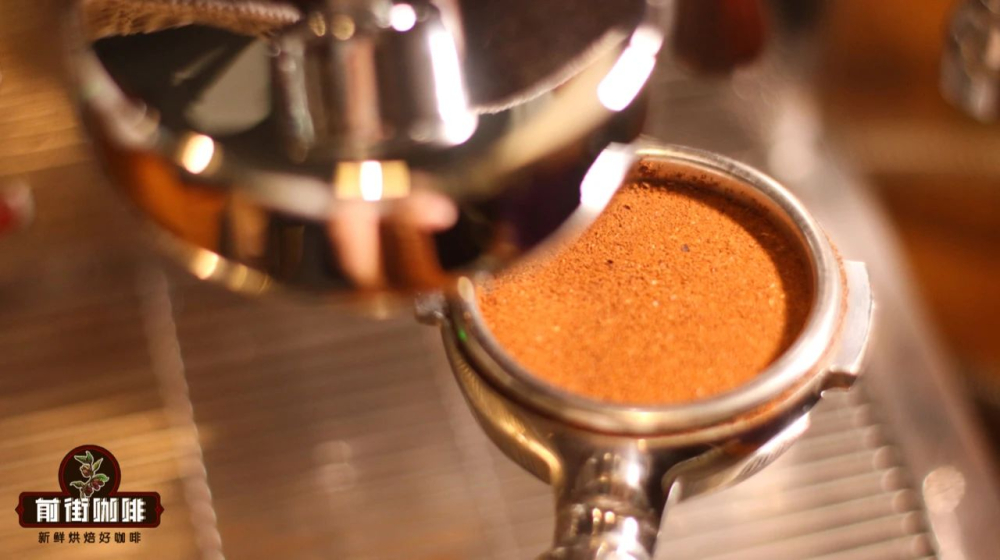
Common espresso blends usually combine coffee beans from multiple origins; some recipes, for example, may combine the nutty notes of beans from Central and South America with the fruity acidity of African beans to balance the taste. When extracting espresso, a pressure of around 9 bar is generally used, the water temperature is controlled between 90-96°C, and the dose-to-water ratio is mostly 1:2, that is, 20 grams of grounds extract 40 milliliters of coffee liquid. If the parameters are set improperly—for example, if the grind is too coarse—it may lead to under-extraction, with a sharply sour flavor; if the grind is too fine, it tends to over-extract and bring an obvious bitter taste.
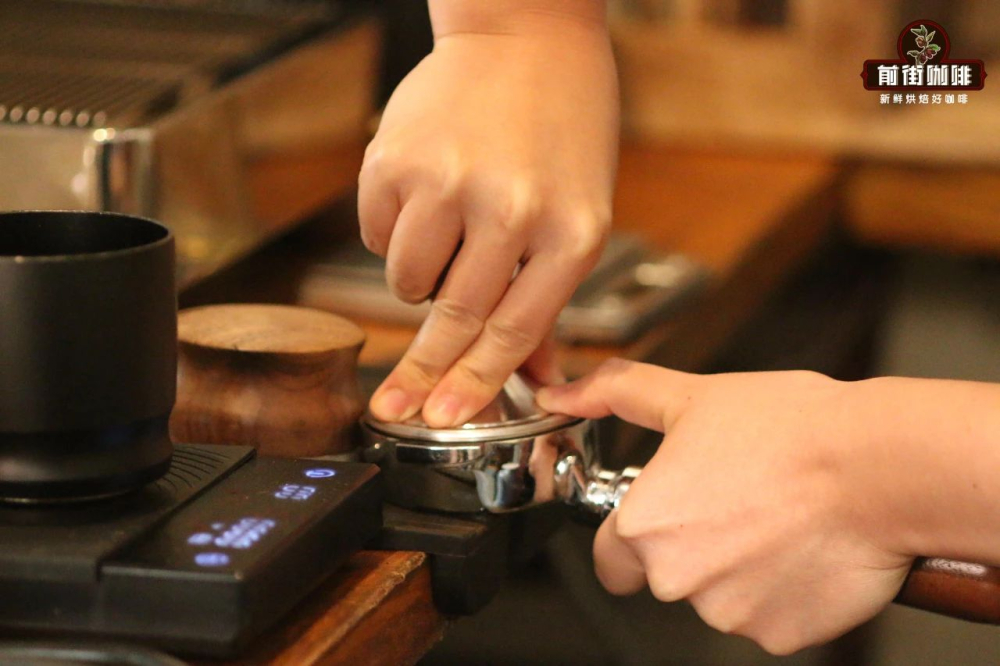
When tamping the coffee grounds, the key is even pressure applied perpendicular to the filter basket. Excessive force will make the puck too dense and impede the water flow, instead causing localized over-extraction. In professional practice, tamping to a pressure of about 30 pounds (about 13 kilograms) is usually recommended to ensure the puck structure is stable but not too compact, so that water passes through evenly.
Once the espresso is made, the next step is mixing it with water. The traditional Americano ratio of espresso to water is 1:8, but this ratio does not apply to every situation. In actual testing, it was found that with some blends, a 1:8 ratio may make the flavor too thin and the aftertaste short, or even give a watery mouthfeel; after adjusting to 1:6, the coffee's layers and body improve noticeably—for example, flavors with a chocolate finish and a slight winey aroma become more prominent.

Next, let us discuss the core difference between iced and hot Americano. In hot Americano, the high temperature makes molecules more active, so the aroma is more exuberant, and you can more directly perceive the coffee's fruity, caramel or nutty notes. However, high temperature also tends to amplify the acidic substances in coffee, making the sourness more obvious. In iced Americano, because of the low-temperature environment, the taste buds are relatively less sensitive, and the sourness is weakened to a certain extent; at the same time, the addition of ice brings a refreshing mouthfeel, making it particularly suitable for hot weather or occasions where you seek a cooling sensation.
In terms of acidity, iced Americano is usually less acidic than hot Americano, because low temperature reduces the tongue's sensitivity to sourness and also slows the rate at which acidic substances evaporate. However, this does not mean iced Americano has no sourness at all—it is just that the overall perception is softer. If you prefer bright, lively acidity, hot Americano may better highlight this trait; but if you want the sourness to be milder, or even prefer a fuller, more balanced cup, iced Americano will be a better choice.

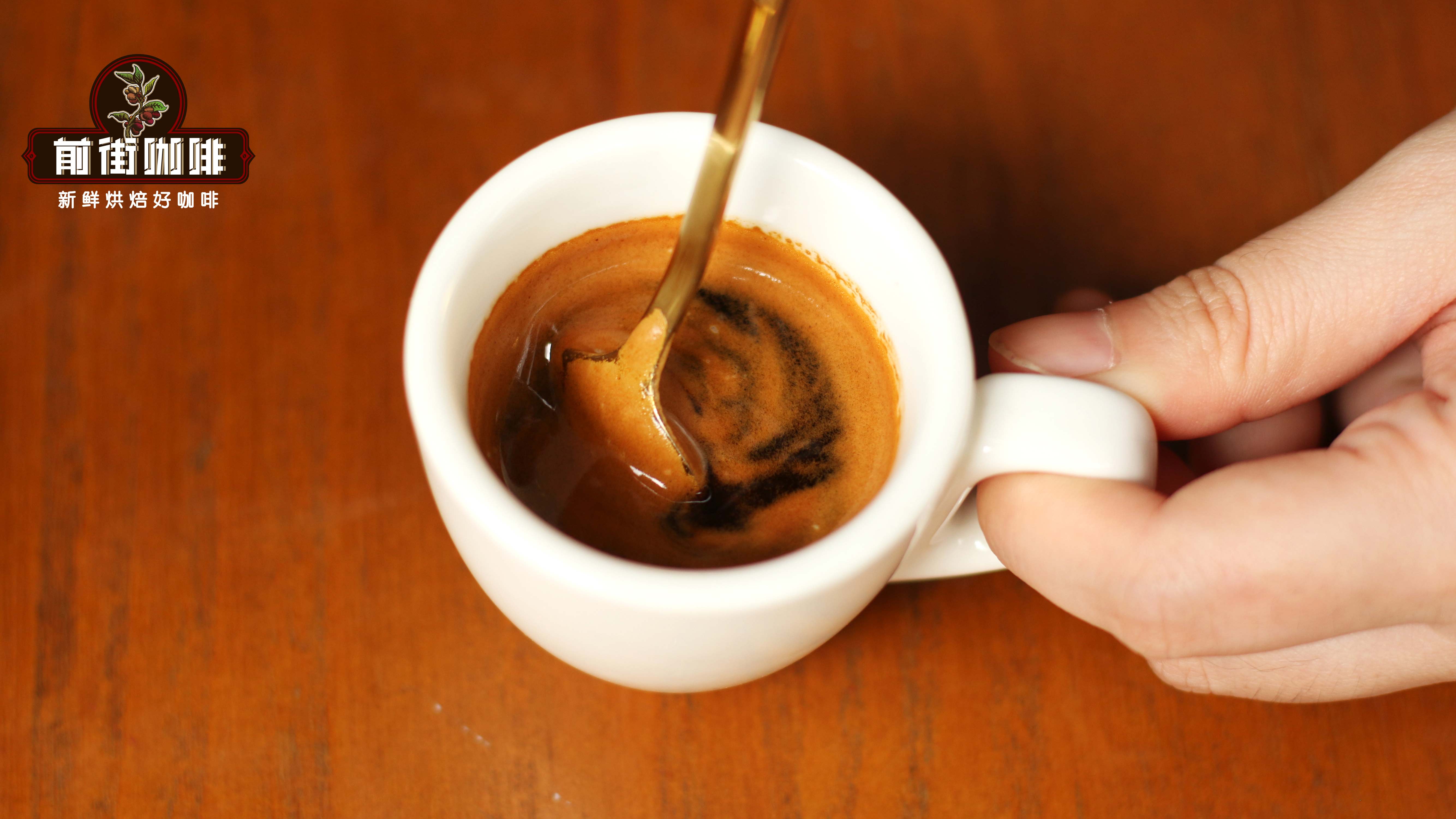
When drinking Americano, it is recommended to first calm down and savor it carefully. The first step is to smell the aroma and take in the coffee's dry and wet aromas—an important step in judging the direction of the coffee's flavor; the second step is to observe the color—the liquid of a high-quality Americano is usually between dark brown and amber, rather than cloudy or overly dark black; the third step is to take small sips, first feeling the balance of sweetness and bitterness and the acidity on entry, then letting the coffee stay in the mouth for a moment to blend with saliva before swallowing, in order to fully appreciate its layers and aftertaste.
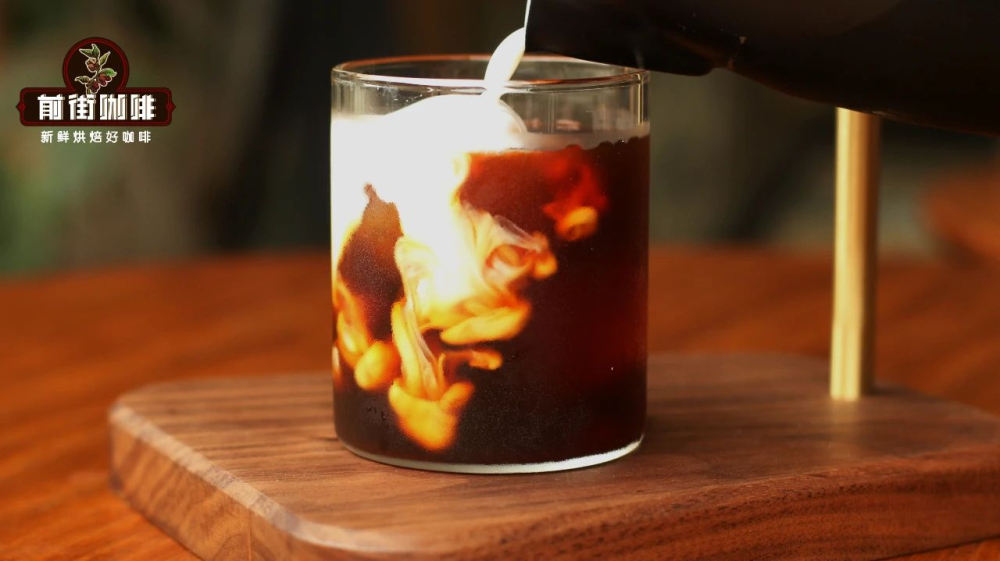
If you find the coffee too bitter, you can add an appropriate amount of sugar or milk according to personal taste, or try pairing it with spices such as cinnamon powder or vanilla, or even add a small amount of soda water to create a unique flavor. Note, however, that adding milk will greatly change the coffee's original flavor structure, and is better suited to those who prefer a softer mouthfeel.

In summary, iced and hot Americano each have their strengths: hot Americano is better for appreciating the coffee's complete aroma and complex flavors, with relatively obvious acidity, and suits drinkers who value the aromatic experience; iced Americano, meanwhile, is notable for its refreshing mouthfeel and lower perceived acidity, and is better suited to cooling off in summer or to consumers who like mild acidity. Whichever you choose, only by mastering the right dose-to-water ratio and extraction parameters can you maximize the potential of the coffee beans and enjoy a satisfying cup of Americano.