Siphon vs. Moka Pot: Extraction Principles, Flavor Comparison and Buying Guide
Introduction: The siphon and the moka pot are two classic devices many coffee enthusiasts encounter when starting out, but many people mistakenly believe both can make espresso. This article walks you through the history of the siphon coffee maker, compares the extraction principles, flavor characteristics and suitable scenarios of the siphon and moka pot in depth, and also answers the confusion over choosing between electric and stovetop siphons, helping you find the brewing tool that better suits your needs.
The siphon coffee maker is not a modern invention; its history dates back to the mid-19th century. The earliest known patent application for a siphon coffee maker appeared in Berlin in the 1830s, but what truly made this brewing method popular was a commercial model designed and promoted in the late 19th century by a French woman named Vassieux. She brought this coffee-making method—which completes extraction through the pressure difference between the upper and lower chambers and the action of steam—gradually into public view.
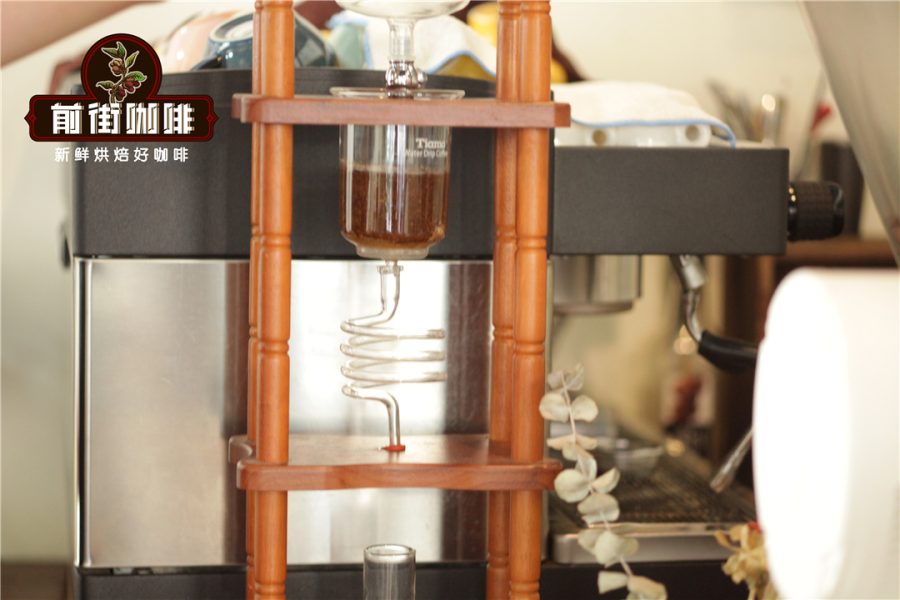
Today, the siphon is still popular for its unique visual appeal and stable extraction performance. When choosing a siphon, electric and stovetop models are the two most common types.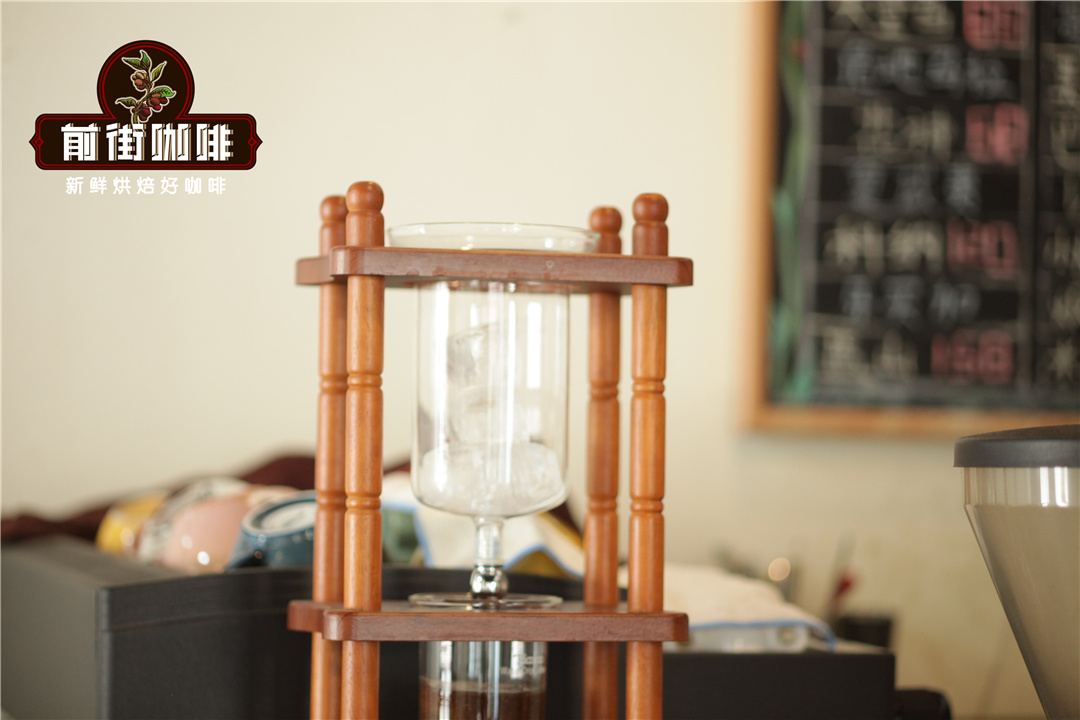 Stovetop models need to be placed on a gas or induction stove, relying on an external heat source to heat the water in the lower chamber so it evaporates and creates pressure; electric models have a built-in heating device, usually using alcohol or gas as fuel, and are more integrated in structure. In terms of extraction results, there is no significant difference between the two; the main differences lie in usage scenarios and personal aesthetic preference—stovetop models are simpler and more economical, while electric models have a stronger sense of design.
In terms of capacity, the siphon suits use by one person or several, and standard models can brew 3 to 8 cups of coffee at a time. Whether enjoying a rich black coffee alone in the morning or sharing with friends on the weekend, the siphon can handle it. Its working process is full of ritual: hot water rises under heat into the upper chamber to contact the coffee grounds, and after a period of steeping and stirring, the heat is turned off and the temperature drops so the coffee liquid is drawn back into the lower chamber by negative pressure, ultimately yielding a clean, bright cup of coffee.
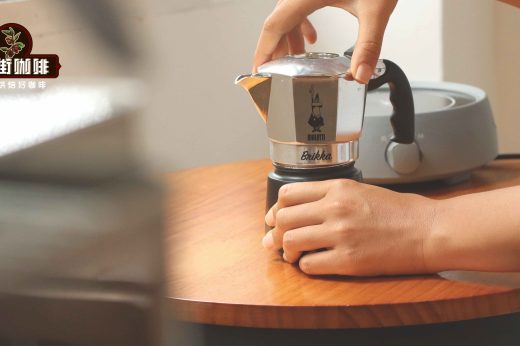
Many beginners often confuse the functions of the siphon and the moka pot, and even mistakenly believe both can make espresso. In fact, although the moka pot also uses pressure extraction, its principle is to force hot water through the layer of coffee grounds via the filter in the middle of the pot; the water temperature is usually close to boiling (90-100°C), and the pressure produced is about 1-2 atmospheres, close to but not the same as the 9 atmospheres of a professional espresso machine. Therefore, coffee brewed in a moka pot is rich in mouthfeel, with more oils and sediment, and bitterness and caramel notes may be more prominent.
By contrast, the siphon uses immersion extraction combined with negative-pressure return; the water temperature is generally controlled between 85-92°C, and the pressure environment is mild, allowing more even extraction of the aromatic substances in coffee while reducing off-flavors caused by over-extraction. The brewed coffee usually has distinct layers, bright acidity, and a pure, refreshing mouthfeel, better reflecting the terroir characteristics of the coffee beans themselves. If you pursue a clean and balanced flavor profile, the siphon is the better choice; if you prefer a thick, full-bodied mouthfeel, the moka pot may suit you better.
Note that, whichever device you use, grind size and coffee-to-water ratio will significantly affect the final result. For the siphon, a medium-fine grind (similar to fine sugar) is recommended, with a coffee-to-water ratio of 1:12 to 1:16; for the moka pot, a slightly coarser grind (close to drip coffee) is needed, and attention should be paid to the degree of tamping. In addition, when operating the siphon, heating time and the timing of turning off the heat need to be precisely controlled; beginners are advised to practice first with the aid of a timer.
In summary, the siphon and the moka pot each have their advantages: the former excels in an elegant visual experience and clean flavor, suiting enthusiasts who value the extraction process and detail control; the latter is characterized by quickly making high-concentration coffee, better suited to quick daily use. If you are new to coffee equipment, you might try both according to your personal taste preference and brewing scenario, and find the one that suits you best.