How to Choose Coffee Beans for a Moka Pot: A Full Guide to Medium-Dark Roasts and Brewing Parameters
Introduction: Coffee made with a moka pot is often mistaken for espresso, but the two still differ in strength and crema. This article explains how to adjust bean selection, roast level and grind size to reproduce a rich mouthfeel close to a professional espresso machine with a moka pot, and offers bean pairing suggestions for different flavor needs, helping you easily brew layered, rich coffee at home.
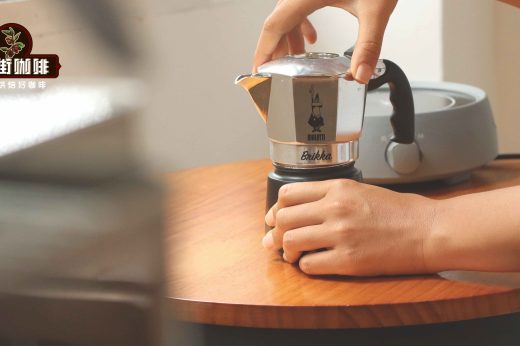
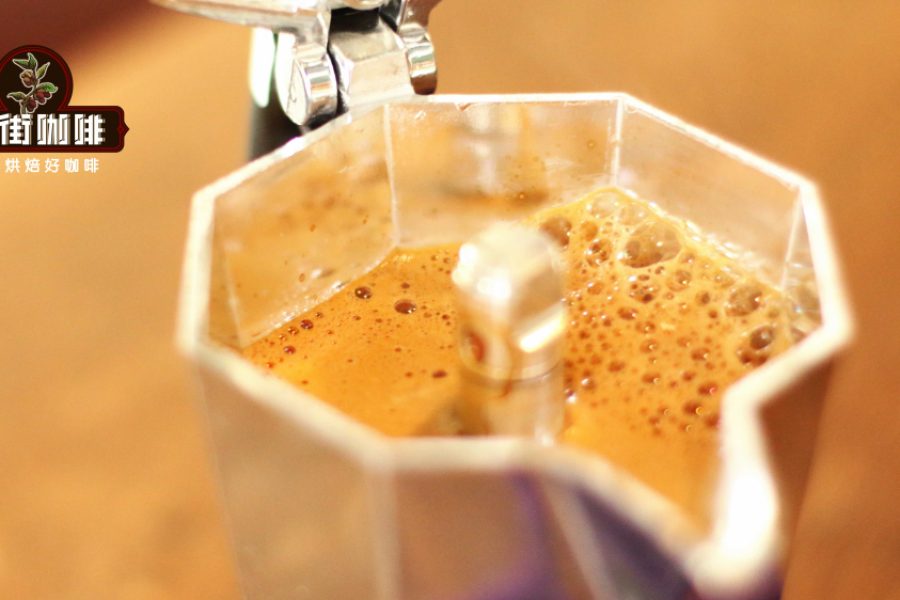
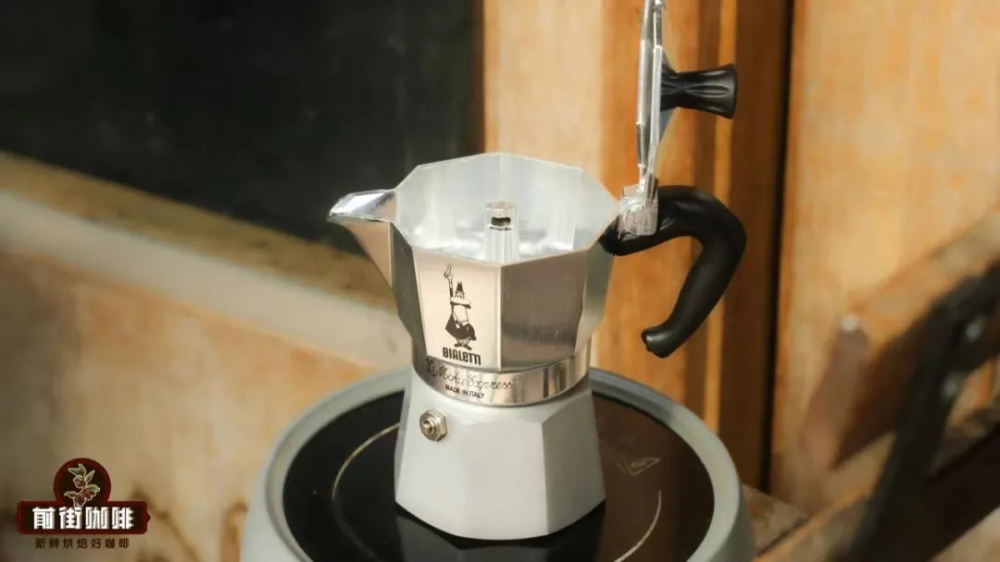
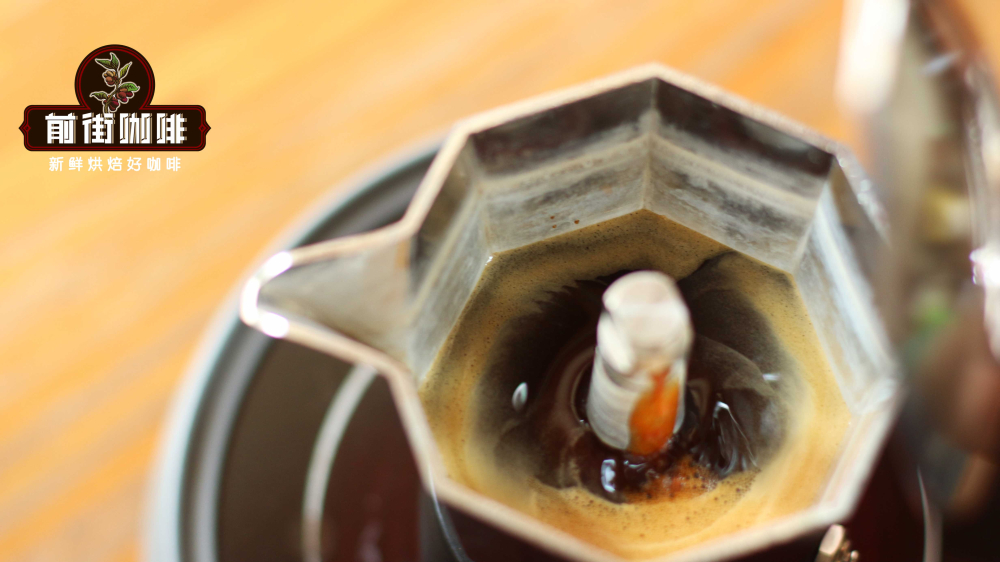
Because it is simple to operate and produces a relatively strong coffee liquid, the moka pot is often called "the espresso machine in the kitchen." When used correctly, it can indeed produce a fine layer of crema, but this effect depends heavily on device technique and coffee bean selection. Its working principle is to heat the water in the base until it boils; the steam pressure produced pushes the hot water through the filter basket filled with ground coffee, and the extracted coffee liquid finally flows out from the upper chamber—a process similar to the pressure extraction of an espresso machine.
However, many users report that coffee made with a moka pot differs noticeably from professional espresso, which usually stems from two major misconceptions: ignoring the freshness of the coffee beans, and failing to adjust roast level and grind size to the characteristics of the moka pot. In fact, as long as you master three key elements—freshly roasted coffee beans, a medium-dark roast level and a fine grind setting—you can significantly improve the quality of your moka pot output.
The freshness of coffee beans directly affects flavor expression. Ideally, counted from the roast date, freshly roasted beans within 10 days present the richest aroma layers. Beans over 60 days old will have noticeably faded flavor, so it is recommended to buy recently roasted products through reliable channels. When storing, keep them sealed and away from light, and avoid high-temperature, humid environments that accelerate oxidation.
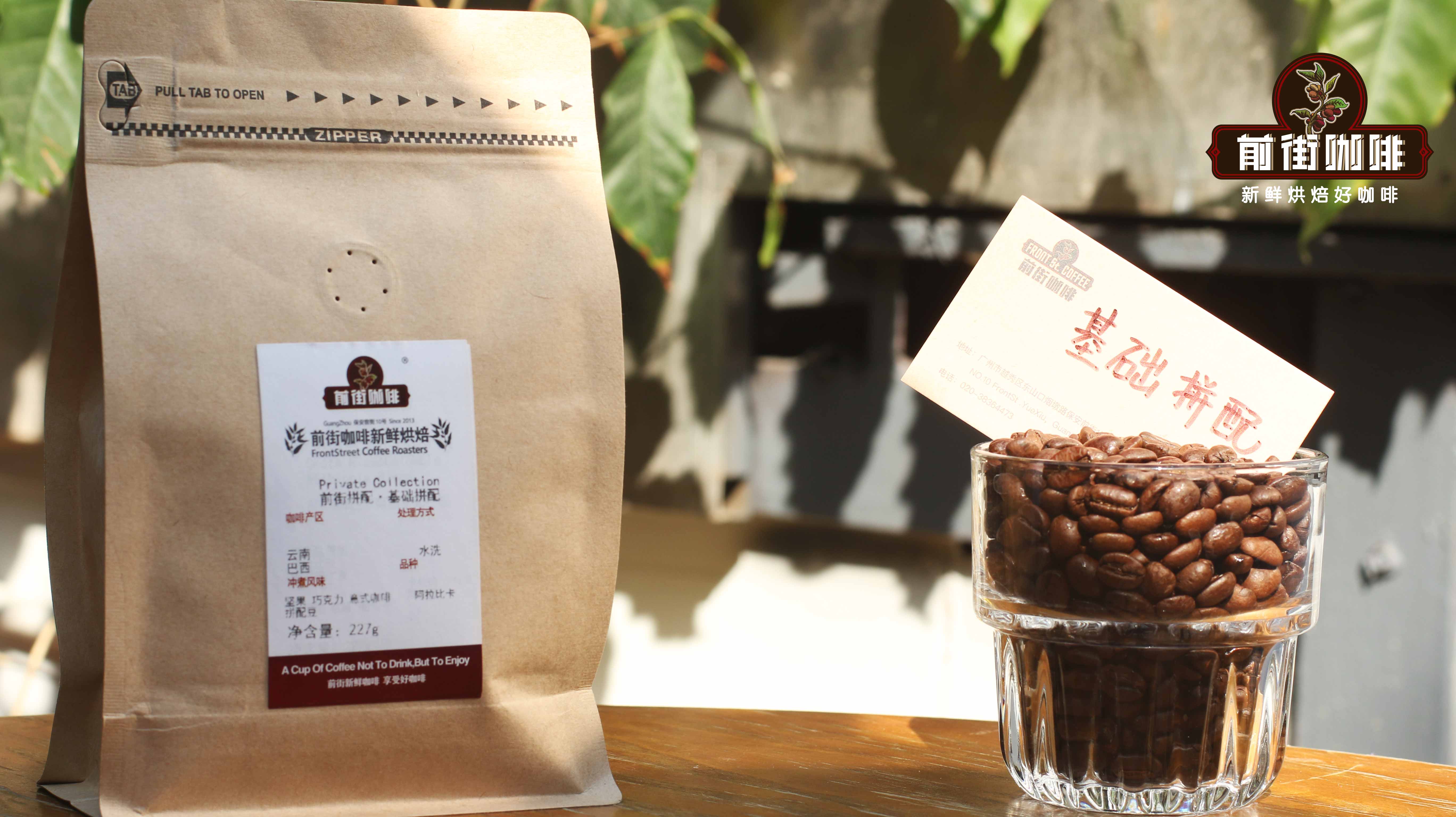
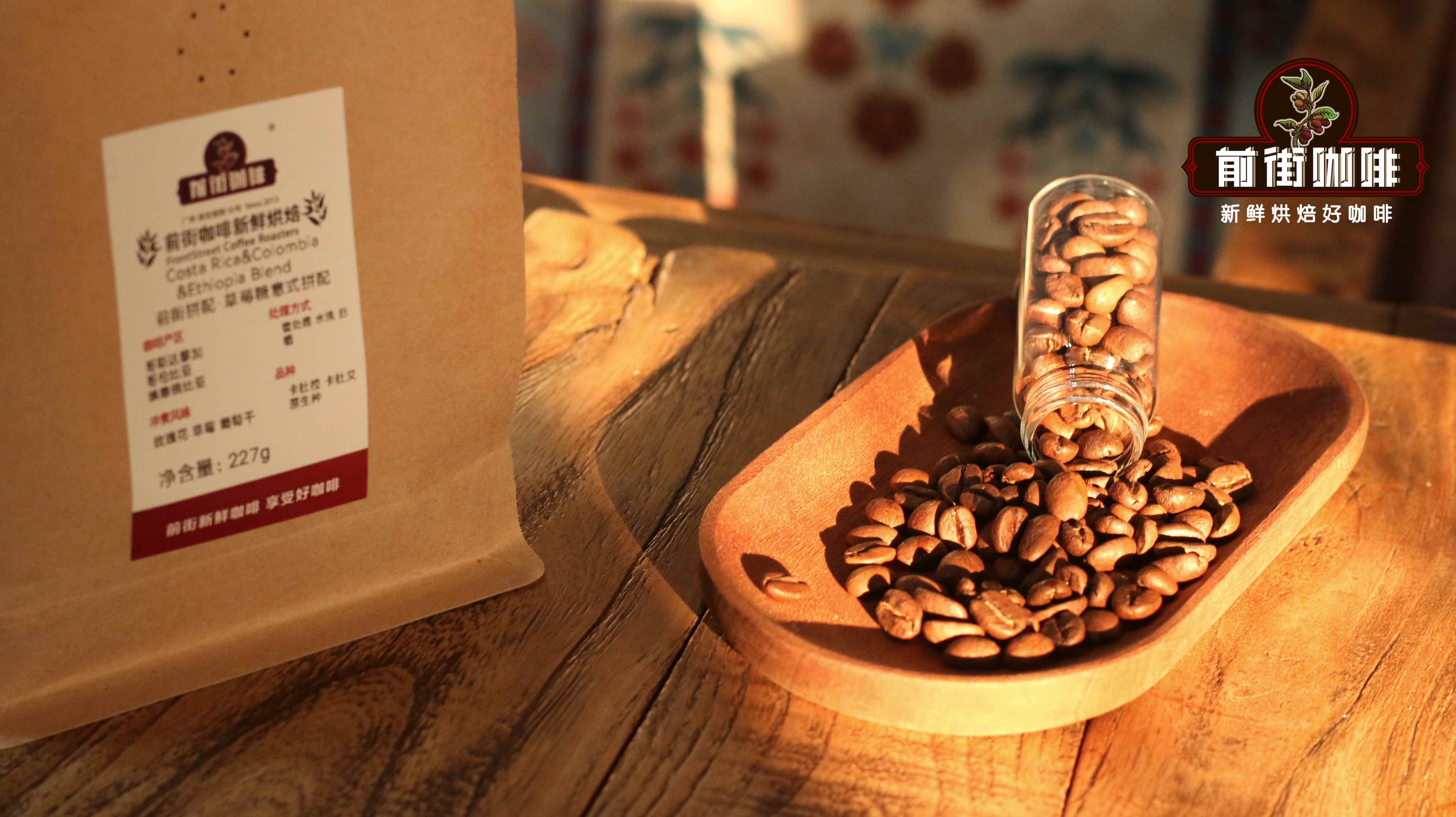
Given the characteristics of the moka pot, a medium-dark roast is the first choice. This roast level can fully develop the coffee's full-bodied base while maintaining a moderate acidity balance. Specifically, it is recommended to choose a blend with a roast level between medium and dark; such beans usually contain a combination of beans from producing regions such as Brazil and Indonesia, providing sufficient body without being excessively bitter.
Precise control of grind size is equally key. A finer grind than pour-over is recommended, close to espresso fineness but not overly powdered, so as to ensure an ideal extraction rate under the pressure of the moka pot. In practice, adjust the grind particle size to a texture similar to fine granulated sugar; too coarse will lead to under-extraction, while too fine may cause over-extraction and channeling.
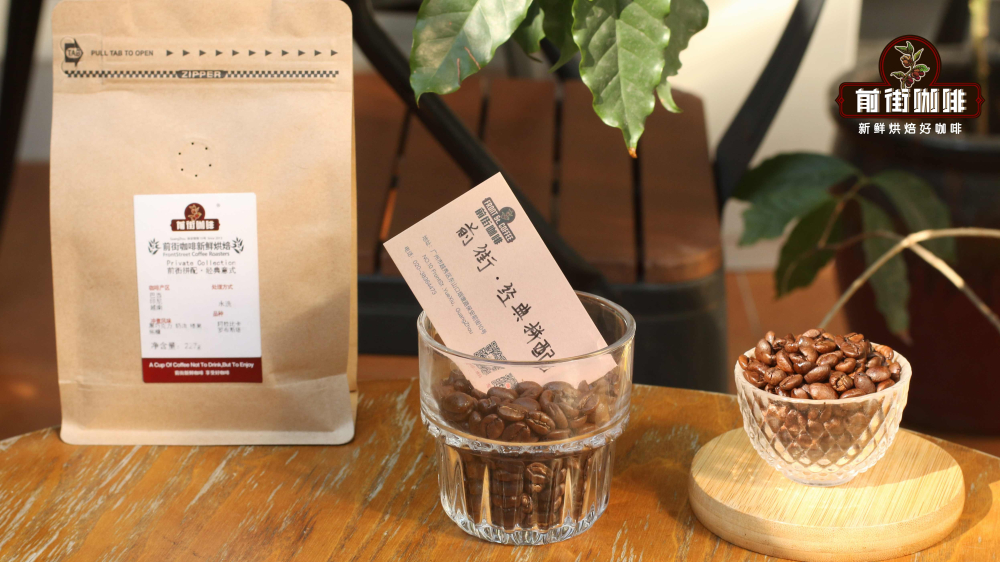
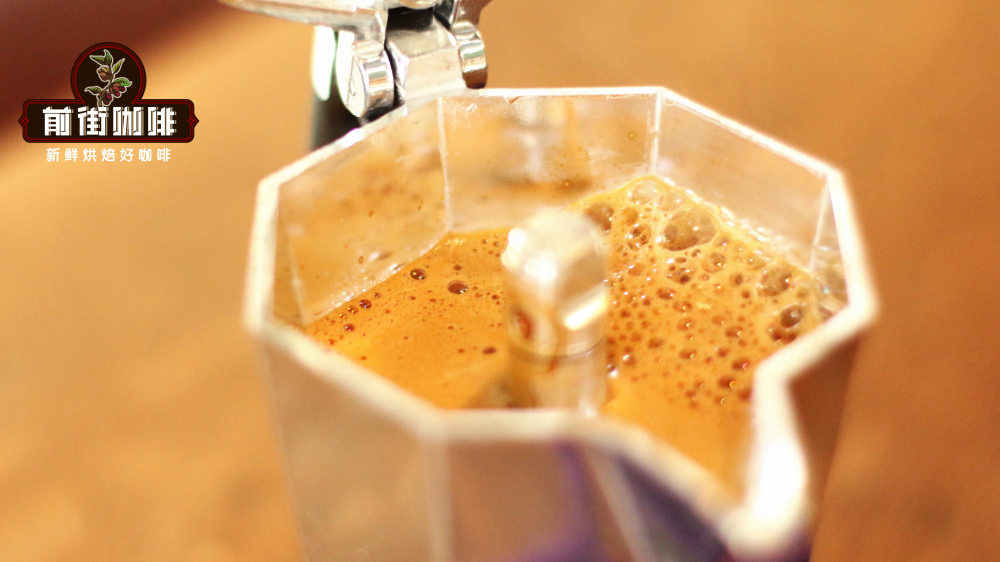
For users seeking richer crema, consider a blend containing Robusta components. Such blends usually produce a more pronounced crema layer and are particularly suitable for coffee drinks with milk added. If you prefer a cleaner mouthfeel, choose a blend based mainly on Arabica; its floral and fruity character will show unique aroma layers under the high-temperature extraction of the moka pot.
At the operational level, keep the moka pot water level within the safety mark, heat over medium heat and closely observe the extraction process. When the upper chamber begins to show a continuous drip, maintain a steady flame until extraction is complete. The whole process usually lasts 25-30 seconds; too long will lead to over-extraction. Regularly cleaning the pot, especially the filter basket, effectively maintains consistent extraction quality.
Finally, a reminder: moka pots from different brands differ in pressure output, so it is recommended to find the grind size and dose combination best suited to your device through several trials. Record the parameters and flavor feedback of each adjustment and gradually build a personalized extraction plan, so as to fully realize the moka pot's potential for making rich coffee.