How to Choose Coffee Beans for Moka Pot: Home Brewing Tips and FAQs

Introduction: The moka pot is a practical tool for making espresso at home. It avoids the high cost of a coffee machine while still restoring rich coffee flavor. This article systematically answers the logic of bean selection for the moka pot, extraction parameter adjustments, and common problems. It covers a complete guide from coffee-to-water ratio to flavor optimization, and includes drinking solutions for multiple scenarios to help you brew professional-level coffee with basic equipment.
[How the Moka Pot Works]
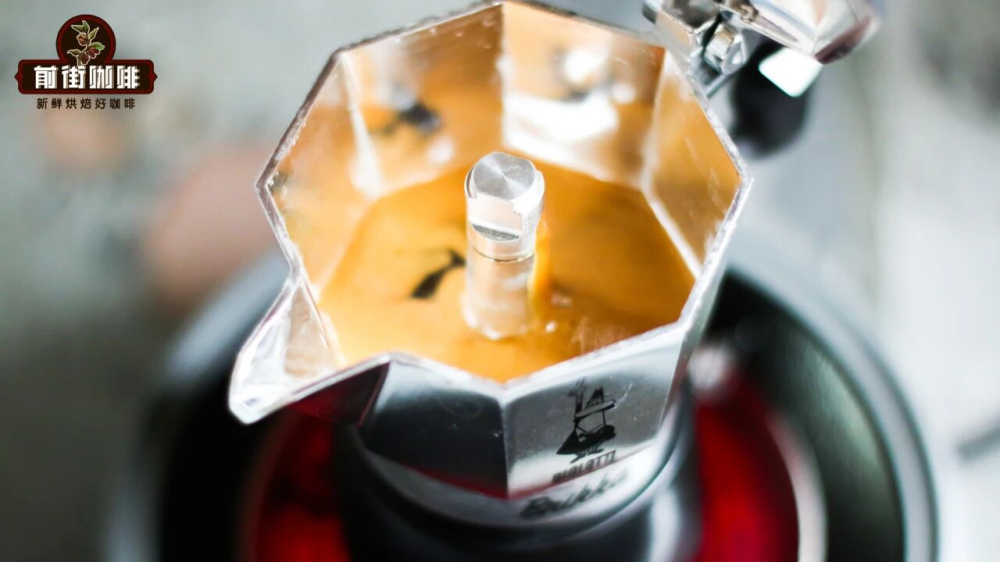
The moka pot consists of an upper and lower chamber and a middle filter basket. It uses steam pressure generated by heating to achieve extraction. 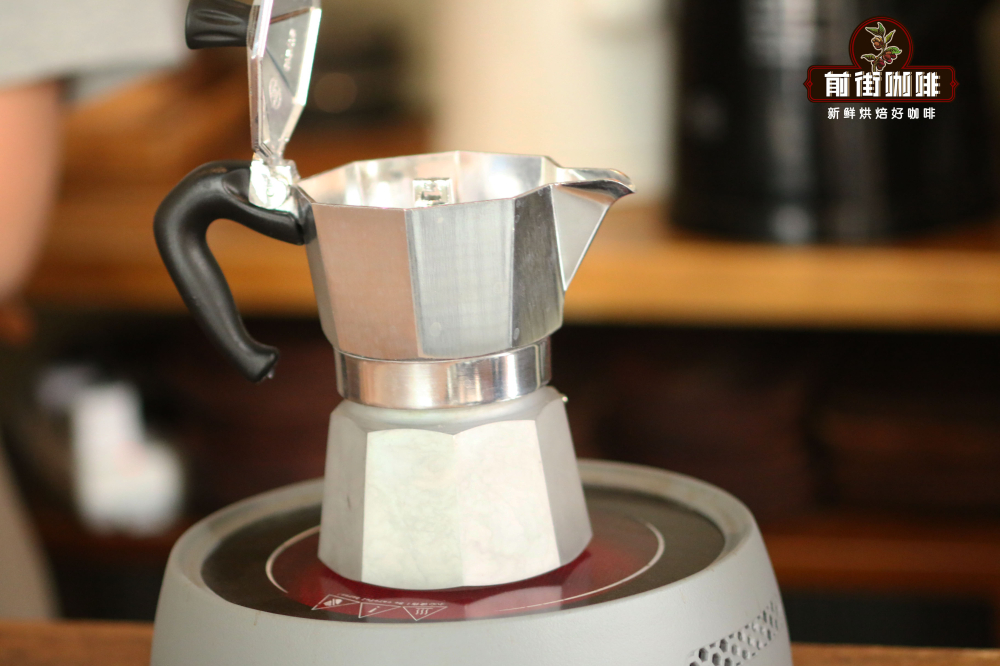 After filling the lower chamber with cold water, heating turns the water into steam pressure, which pushes water through the fine-ground coffee layer in the middle, and finally the espresso collects in the upper chamber. This physical pressurization method is similar to a simplified version of a commercial espresso machine, but the pressure is usually maintained at 1-2 bar, lower than the 9 bar standard of professional equipment.
[Equipment Operation Steps]
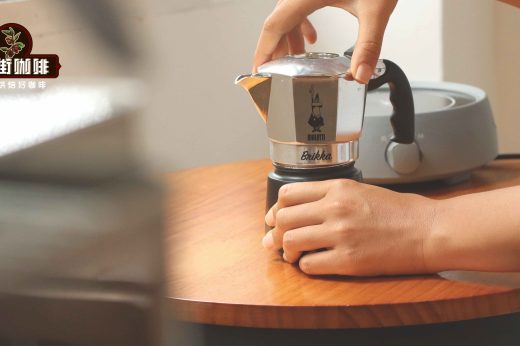
When using, first fill the lower chamber with cold water (avoid directly heating water as it affects heating efficiency). 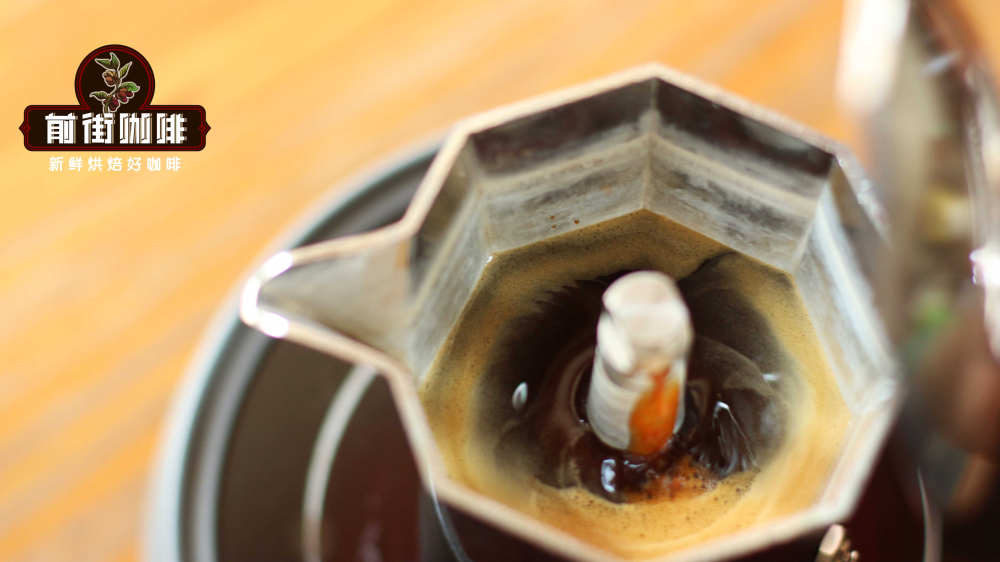 Fill the filter basket with medium-ground coffee (granularity close to fine granulated sugar). The surface of the coffee layer should be leveled and slightly convex to ensure even heating. After assembly, place it on an induction cooker or gas stove to heat. When a continuous buzzing sound is heard, extraction has begun.
 At this point, turn off the heat immediately to prevent over-extraction and bitterness.
[Key Points for Coffee Bean Selection]
It is recommended to choose medium-dark to dark roast coffee beans to match the high-pressure extraction characteristics of the moka pot. Such beans release oils more fully and can withstand high temperature and pressure. 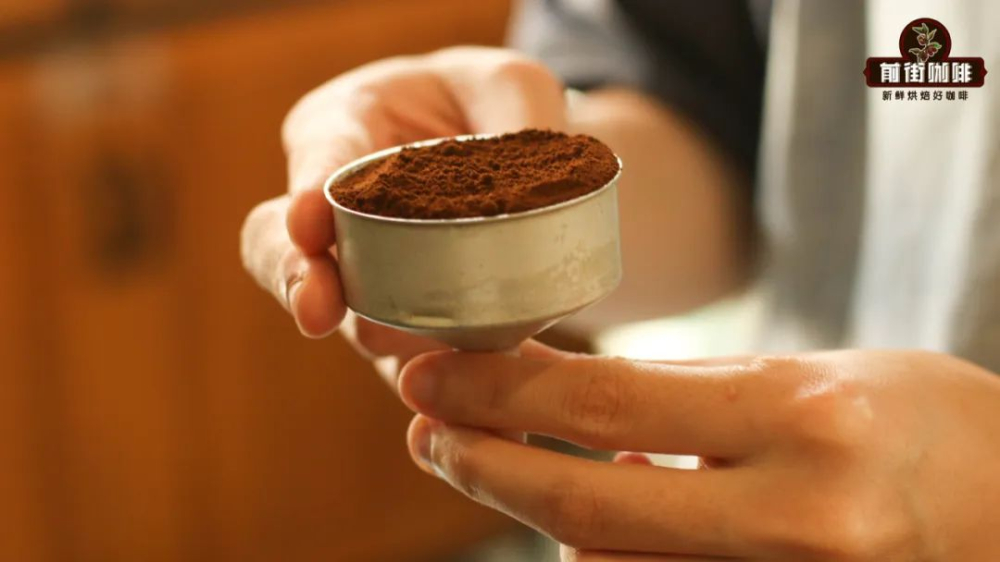 Light roast beans, due to their prominent acidity and loose structure, are prone to over-extraction under high pressure, producing a sharp sourness. Regarding freshness, it is recommended to choose roasted beans within 10 days of the roast date. After opening the bag, store them sealed and away from light.
[Pressure Optimization Methods]
The key to improving extraction pressure is controlling the coffee-to-water ratio and grind size: 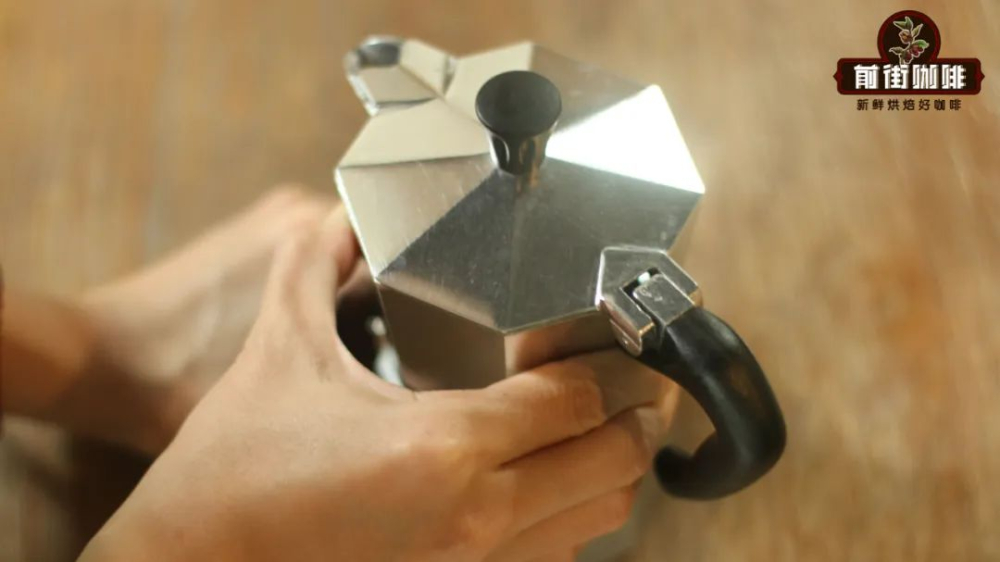 Grind the coffee to a particle size slightly finer than for an espresso machine (about 80% passing through a No. 20 sieve), while ensuring the coffee layer is compacted. Using a moka pot with a double-valve design can enhance the thickness of the crema through secondary pressurization, but note that the valve pressure value usually does not exceed 1.5 bar. When heating, it is recommended to use medium-low heat to maintain stable steam pressure.
 Avoid local overheating that can cause burnt and bitter flavors.
[Judging Extraction Timing]
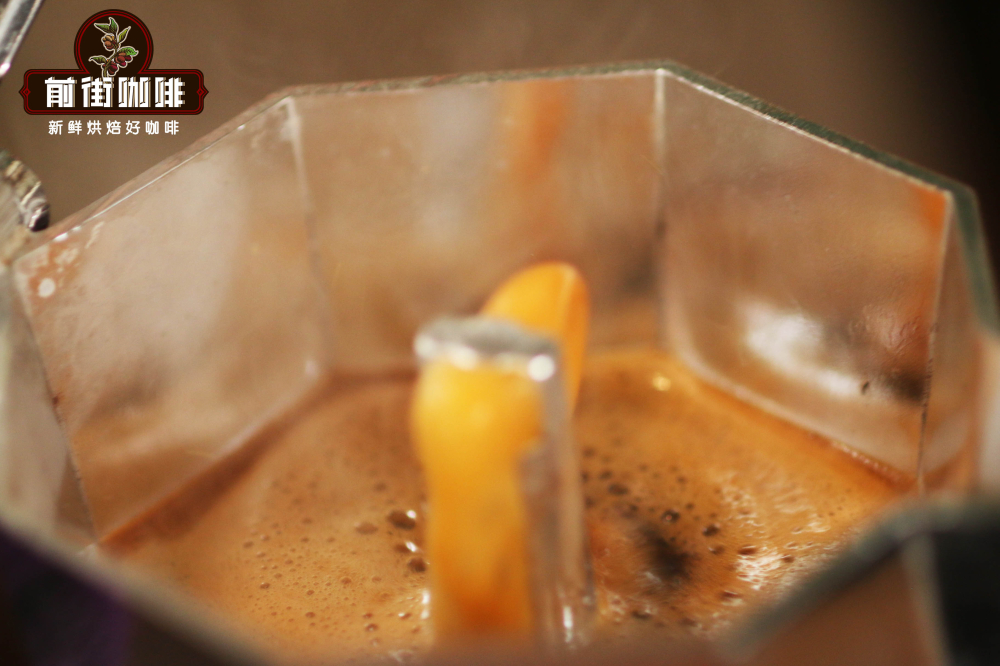
During normal extraction, the coffee liquid should rise in intermittent spurts, lasting about 20-30 seconds.  If the liquid spurts in a straight line (usually due to too coarse a grind or too high heat), adjust the grind finer and reduce the heating intensity; if there is no liquid flow for a long time (possibly the coffee layer is too dense or the water level is insufficient), immediately stop heating to prevent dry burning. Observe the liquid level in the upper chamber; the optimal state is when the extraction volume is about 2/3 of the pot's capacity for a regular-capacity pot.
[Handling Common Problems]
Regarding flavor adjustment concerns: when the coffee tastes weak, try increasing the water temperature to 92-94°C or extending the pre-infusion time; if there is a burnt and bitter off-flavor, check whether stale coffee beans or over-grinding are used.  For cleaning and maintenance, promptly disassemble and clean the residual oils in the filter basket after each use. Weekly descaling with a citric acid solution can maintain heating efficiency.
[Making Derived Beverages]
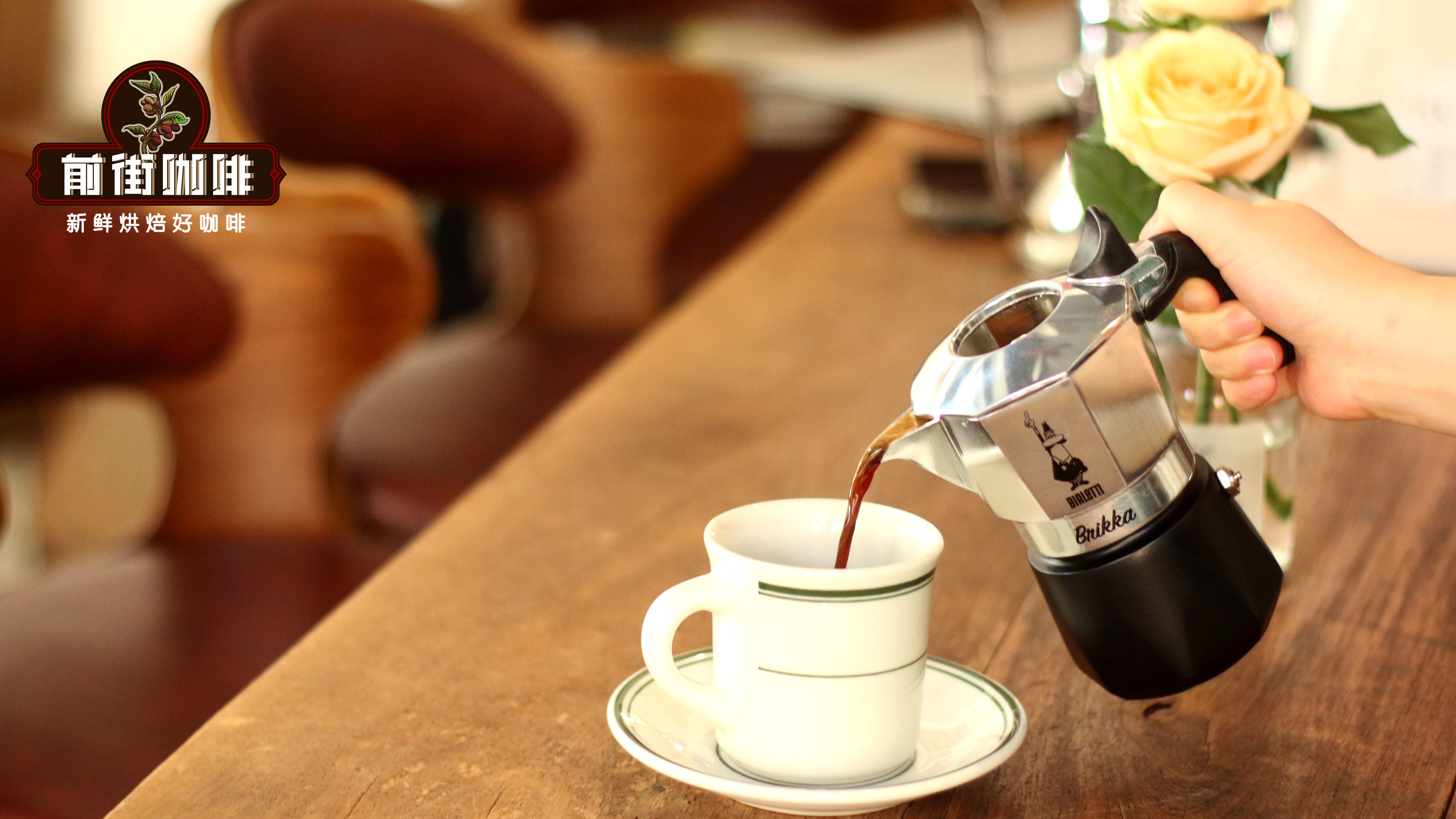
The espresso produced by the moka pot can be directly used to prepare various drinks: 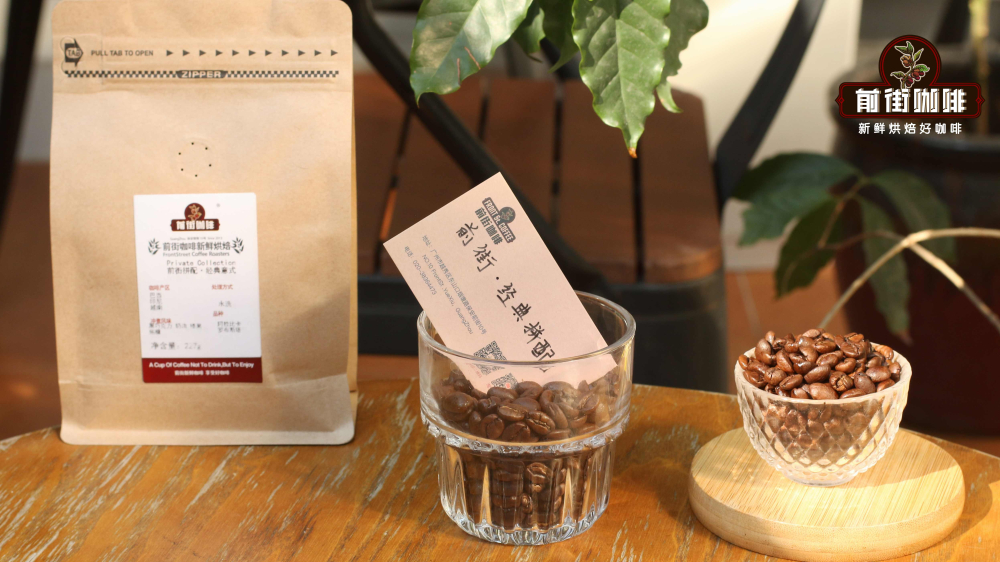 When making Americano, add hot water at 85-90°C in a 1:3 ratio; to make a latte, heat fresh milk to 60-65°C and use a milk frother to create a dense foam. The recommended volume ratio of coffee to milk is 1:2. Note that the espresso should be used within 5 minutes after extraction to ensure the best flavor presentation.

[Equipment Purchasing Suggestions]
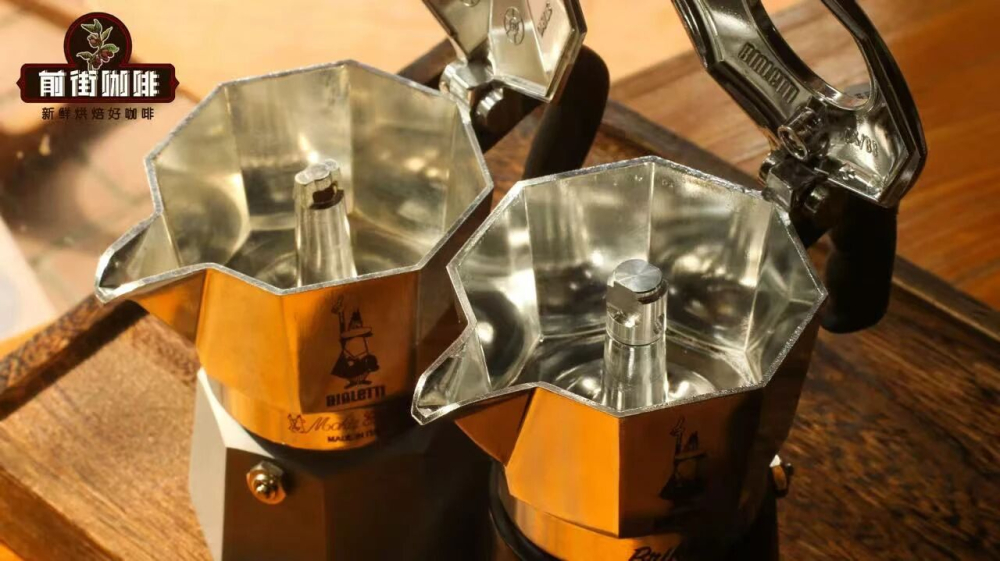
Beginners can choose a basic single-valve moka pot, which has a higher tolerance for operational errors and is affordable; advanced users are advised to equip a double-valve model to enhance crema performance.  Regarding material, aluminum alloy pots conduct heat quickly but require protection against oxidation, while stainless steel models are more durable and suitable for long-term use. Regardless of the type, always ensure the pot's sealing ring is intact to avoid air pressure leakage affecting extraction.