Siphon vs. Moka Pot: Brewing Parameters, Flavor Differences, and a Beginner's Guide
Introduction: As two classic coffee brewers, the siphon and the moka pot each have their own unique extraction methods and flavor profiles. This article examines their core differences from the perspectives of working principles, operating steps, flavor characteristics, and suitable scenarios, and provides detailed parameter settings and practical tips to help you choose the right brewing tool based on your personal taste preferences, while mastering the key details that improve coffee quality.
The world of coffee is rich and varied, and different brewing methods bring completely different flavor experiences. Among the many brewers, the siphon and the moka pot have become the entry-level first choice for many coffee lovers thanks to their distinct personalities. But faced with these two very different brewers, many people can't help wondering: which one is better suited to them? How do their brewing methods differ? And what notable differences are there in flavor?
In fact, there is no absolute good or bad when choosing coffee equipment; the key is whether it matches personal taste preferences. The moka pot is known for its rich, full-bodied mouthfeel and suits people who seek a strong coffee impact; the siphon, with its balanced, rounded flavor and unique visual experience, appeals to users who value a sense of ritual. Only by understanding the core characteristics of both can you find the one that suits you best.

In terms of market popularity, although espresso machines and pour-over gear are more common, the moka pot, with its simple operation and affordable price, has long been the starter tool for many coffee beginners. The siphon, with its cool look resembling laboratory apparatus and its dramatic extraction process, is a favorite among users seeking a unique experience. So what exactly are the differences between these two brewers in actual use? Let's start with how they work.

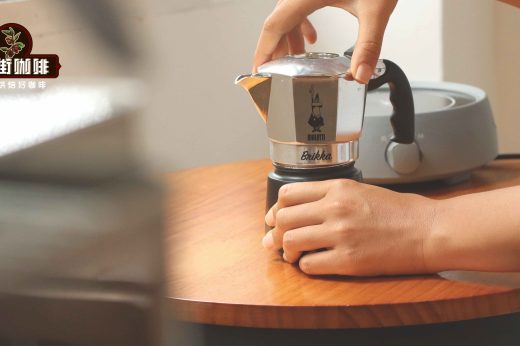
The core principle of the moka pot is to heat the water in the lower chamber and use the pressure generated by steam to push hot water up into the upper chamber, passing through the coffee bed for extraction. Its structure is usually divided into three parts: the lower chamber holds and heats the water, the middle filter basket holds the coffee grounds, and the upper chamber collects the brewed coffee. When heated to a certain temperature, the water in the lower chamber turns into steam, creating a pressure of about 1.2 to 3 atmospheres, which pushes hot water through the coffee grounds and finally sends the concentrated coffee liquid up into the upper chamber.

It is worth noting that although the moka pot's design seems simple, attention to detail is crucial. The common dual-valve moka pot adds a pressure valve to further increase pressure, thereby enhancing the coffee's strength and crema. However, compared with professional espresso machines at up to 9 atmospheres of pressure, the moka pot's pressure is still limited, but this does not affect its practicality for making a rich cup of coffee at home.

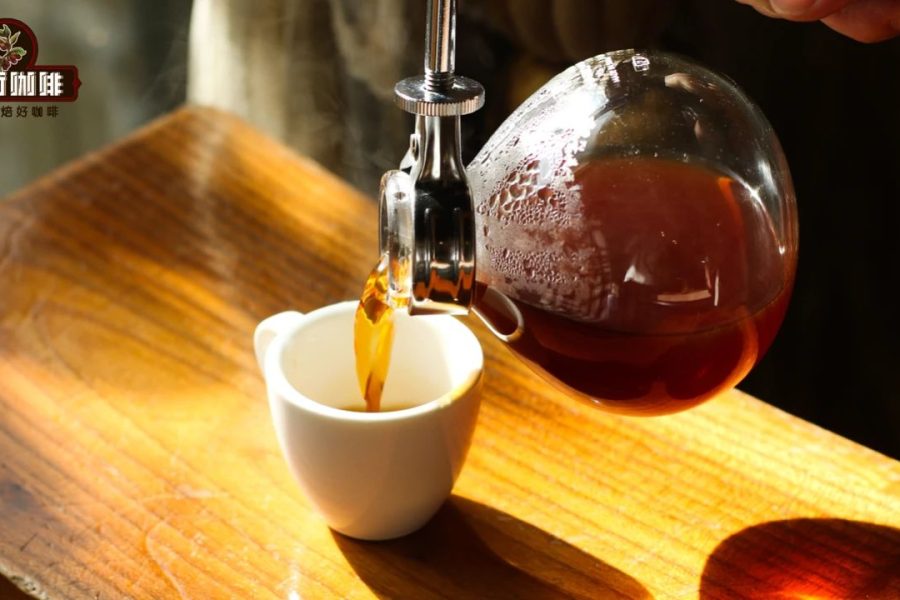
The siphon works on a completely different principle, using the physical phenomena of thermal expansion and contraction and vacuum siphonage to complete extraction. The set usually consists of two glass spheres, upper and lower, a connecting tube, and a filter device. When heated, the water in the lower chamber generates steam pressure, pushing hot water up into the upper chamber to mix with the coffee grounds; when the heat source is removed, the temperature in the lower chamber drops and creates negative pressure, and the brewed coffee flows back into the lower chamber through siphonage. This process is not only full of scientific interest but also adds unique visual appeal to coffee making.

The history of the siphon can be traced back to the early 19th century, when it was first designed by the German physicist Johann Norremberg for teaching demonstrations, and later improved and patented by the French inventor Marie Fanny Amelne Massot, gradually entering commercial use. Although it was once popular in the American market, its use gradually declined with the spread of automatic drip coffee machines, but it still maintains a steady base of enthusiasts in Asia.

When using a moka pot, it is recommended to choose freshly roasted beans with a medium-fine grind, slightly finer than pour-over, usually close to a medium-fine espresso grind. In practice, the water level in the lower chamber should be kept about 0.5 cm below the safety valve to avoid the risk of overpressure. Adjust the dose according to the brewer's size; a common three-cup brewer is recommended to use 18 grams of coffee. Control the heat during heating, turn to low heat when you hear a slight hissing sound, and turn off the heat source when the coffee has flowed out to half the upper chamber, using residual pressure to complete the final extraction.

Coffee brewed in a moka pot usually shows rich nutty, chocolate, and caramel flavors, with low acidity and a full body. According to personal preference, you can adjust the coffee-to-water ratio or add hot water to dilute for a more balanced flavor. For example, adding hot water at 70-80°C at a 1:5 ratio can highlight fruity acidity and sweetness; pairing with milk can produce a silky mouthfeel similar to a latte.

By comparison, the siphon's operating process is more complex but offers more possibilities for flavor control. It is recommended to use light to medium roast beans with a grind close to fine granulated sugar, usually finer than pour-over. For example, with 20 grams of coffee, pair with 280 ml of 92°C hot water, for a coffee-to-water ratio of about 1:14. Before heating, make sure the lower chamber is dry without water droplets, and pay attention to the seal when installing the filter device to avoid coffee grounds mixing into the lower chamber.

During extraction, after the first water addition, wait until the lower chamber continuously bubbles with large bubbles, then fit the upper chamber; start timing once the hot water has fully risen. It is recommended to stir three times: an initial patting-style stir to help the coffee grounds absorb water evenly; a Z-shaped stir at 25 seconds to accelerate flavor release; and a circular stir at 50 seconds to maintain extraction balance. Keep the total extraction time to about 60 seconds, and at the end assist cooling with a damp cloth to promote rapid return of the coffee liquid.

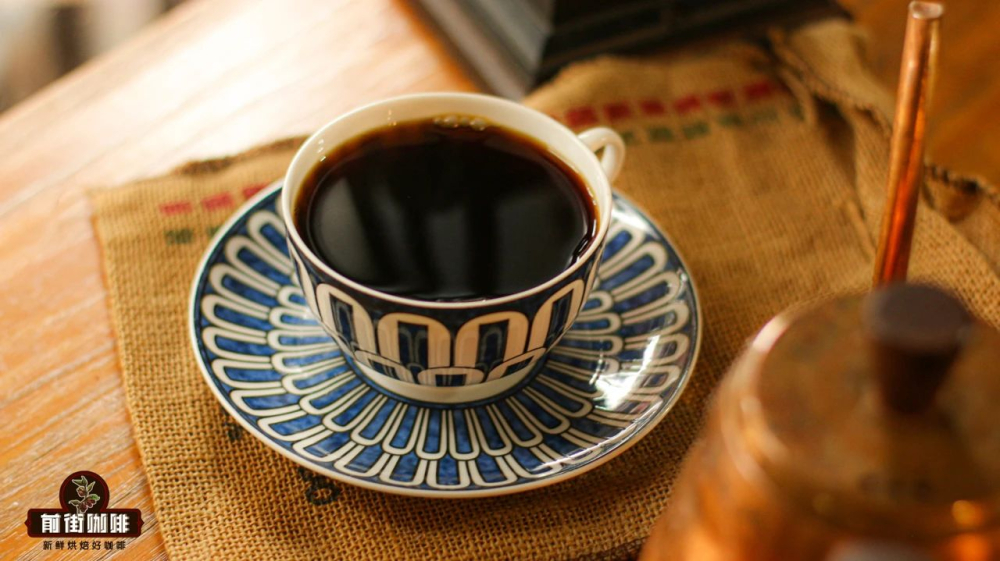
Coffee made in a siphon usually shows bright fruity acidity, moderate sweetness, and a full body, with clear flavor layers. Take Kenyan beans as an example: they may show the acidity and aroma of cherry tomatoes and smoked plums, accompanied by the sweetness of brown sugar and apricot, with an overall round and solid mouthfeel. This unique performance makes the siphon an ideal tool for showcasing the original flavors of coffee beans.

When choosing equipment, it is recommended to consider personal drinking habits and operating ability. The moka pot suits users who pursue efficiency and a rich mouthfeel, especially for making black coffee or coffee drinks paired with milk. The siphon is better suited to coffee lovers who value a sense of ritual and are willing to explore different flavor expressions; its unique extraction process can also add fun to everyday coffee time.

Whichever brewer you choose, freshly roasted coffee beans and precise parameter control are the key to ensuring quality. Clean and maintain the equipment regularly to avoid residue affecting flavor, and flexibly adjust grind size and water temperature according to the characteristics of the coffee beans, so as to fully bring out the unique charm of each bean.

Overall, the moka pot and the siphon each have their strengths, and there is no absolute good or bad. The moka pot excels in efficiency, convenience, and a rich mouthfeel, and is suitable for quick daily brewing; the siphon wins with its scientific principle and flavor layers, adding more exploratory fun to the coffee experience. By understanding the core differences and operating points of both, you will be better able to choose the brewing method that suits you and enjoy the endless possibilities that coffee brings.