French Press vs Moka Pot: Home Espresso Brewing Comparison and Flavor Analysis

Introduction: Want to recreate the rich taste of café coffee at home but often get confused by the functions of the French press and moka pot? Although these two classic devices look similar, they actually brew coffee through completely different principles. This article deeply analyzes their structural differences, operation key points, and flavor characteristics, from water temperature control to coffee-to-water ratio, helping you choose the most suitable tool according to your needs, and includes professional-level brewing parameter suggestions.
At first glance, the moka pot and French press are indeed easily confused—both have solid metal bodies and both can extract dark, thick liquid. But the former simulates the espresso extraction environment through steam pressure, while the latter relies on immersion filtration to present a mellow taste. Only by understanding their essential differences can you unlock the correct coffee flavor.
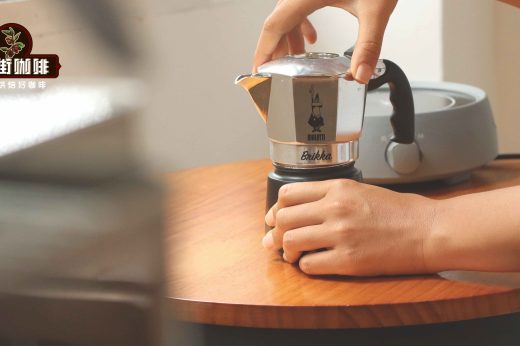
Born in 1933, the moka pot's revolutionary feature was introducing boiler pressure principle to home coffee equipment for the first time. This aluminum device, composed of three chambers, works when the pressure generated by heating the bottom water chamber can reach 1-2 atmospheres, forcing hot water through the finely packed coffee powder layer in the middle. Note the construction of the filter basket in the middle of the pot, which is key to determining coffee extraction efficiency—it is recommended to use a medium-fine grind (similar to granulated sugar texture), fill the powder to about 3 mm from the top edge and gently press flat.

In actual operation, special attention must be paid to heat control. Medium-low heat can maintain the water temperature in the lower pot stable at 92-96°C; the slight pressure environment generated at this time can fully extract coffee oils and aromatic substances while avoiding excessive bitterness. When you see amber coffee continuously flowing from the upper pot and the speed slows to about 3 seconds between drops, immediately remove from heat. A common mistake is to boil the water before adding coffee powder, which leads to over-extraction and a metallic astringency.
In contrast, the design philosophy of the French press is closer to "gentle extraction." Its iconic plunger filter is usually made of 304 stainless steel, combined with a constant immersion time of 2-4 minutes, to evenly extract soluble substances from the coffee grounds. Usage suggestions: coarse grind (similar to sea salt texture) with a coffee-to-water ratio of 1:12-1:15 (e.g., 20 grams of coffee to 240-300 milliliters of water), water temperature controlled between 90-93°C. The pressing process should be vertical and uniform, avoiding vigorous shaking that may cause fine particles to pass through the filter and affect the taste.
In terms of flavor, coffee made with a moka pot has a distinct crema texture and rich nutty notes, lower acidity and full body, suitable for making lattes with milk; the French press product presents a rounder sweetness and soft bitterness, clearly showing the terroir characteristics of the coffee bean origin, with particular advantage in cold brew processing.The key difference is: the moka pot accelerates extraction through pressure to obtain espresso-like concentration, while the French press relies on long immersion to extract comprehensive flavors.
For home users, if you pursue convenient, fast, strong coffee and have an open flame device, the moka pot is the best choice; if you prefer flexible parameter adjustment and enjoy the fun of slow extraction, the French press has a higher fault tolerance. Both tools can adapt to coffee beans of different roast levels by adjusting grind size, water temperature, and time parameters. Beginners are advised to start practicing with balanced bean varieties such as Brazilian or Colombian.