Espresso Machine vs Moka Pot: Which Brews Stronger Coffee? Beginner's Guide
Introduction: Espresso machine or moka pot: which is better for brewing a rich cup of coffee at home? The two differ noticeably in extraction principles, difficulty of use and final flavor. Drawing on practical experience, this article compares the strengths and weaknesses of the two devices for making strong coffee, explains the moka pot's operating steps and flavor-control techniques in detail, and helps you choose the right tool for your needs so you can easily improve your coffee quality.
Espresso machines and moka pots are both popular choices for making strong coffee at home, but their working principles and final results differ clearly. If you want espresso with thick crema and rich layers, a professional espresso machine is the right purchase; such devices use high-pressure extraction to produce a thick, crema-rich coffee liquid and are the basis for lattes, cappuccinos and other milk-based coffee drinks. However, these machines are usually expensive, with starting prices generally in the thousands of yuan. If you simply want to make a good cup of black coffee at home quickly and easily, the moka pot is the more economical and practical choice, with a low barrier to operation and suitability for beginners.
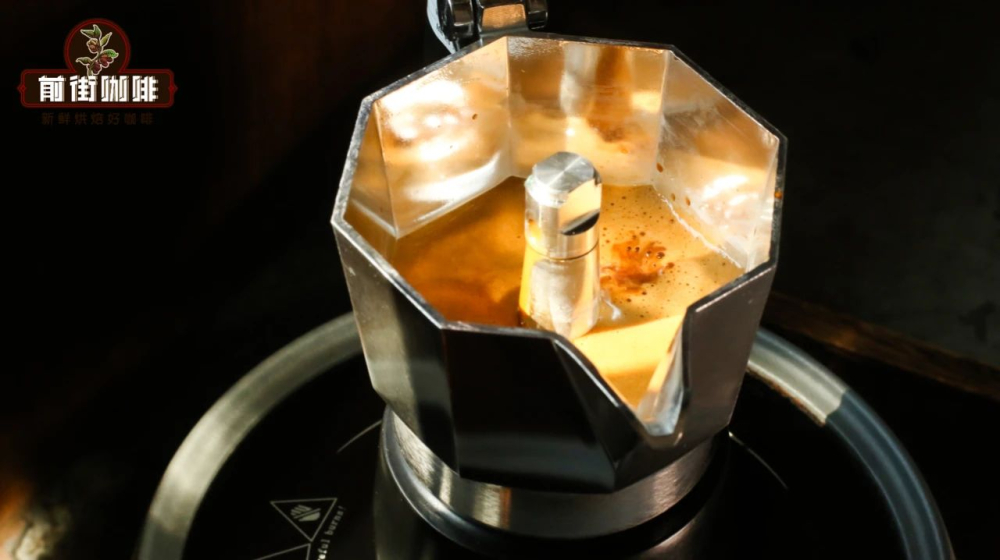
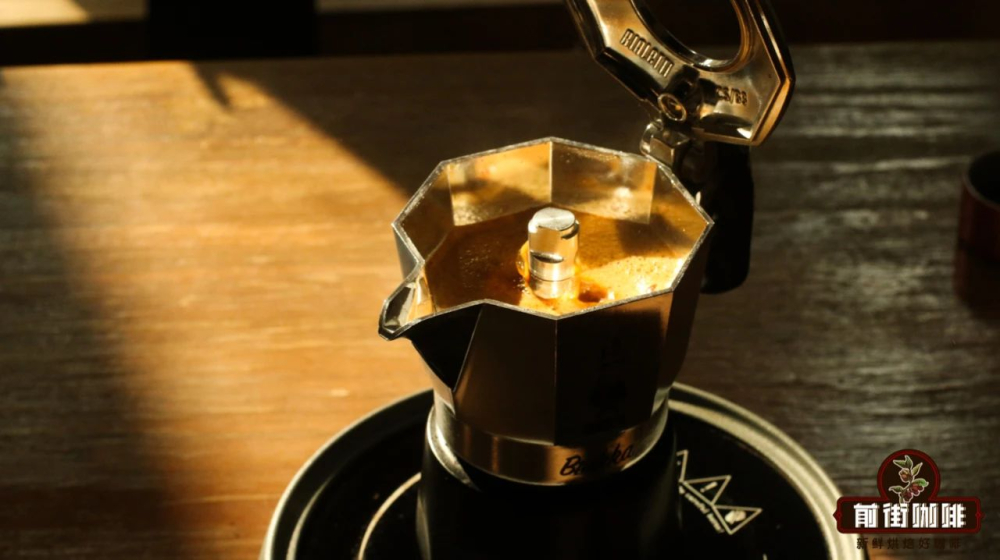
The moka pot is a classic Italian coffee device, consisting mainly of three parts: the upper chamber, the filter basket and the base, and it is available in a range of capacity sizes. Its working principle is to heat the water in the base, causing the water to evaporate under heat and generate steam pressure; the hot water passes through the filter basket filled with coffee grounds and is finally pushed up into the upper chamber, forming a cup of espresso. Note that throughout the process the hot water passes upward through the coffee bed rather than simply soaking it, so the grind size and the way the grounds are filled both matter, and only reasonable adjustment yields the ideal flavor.
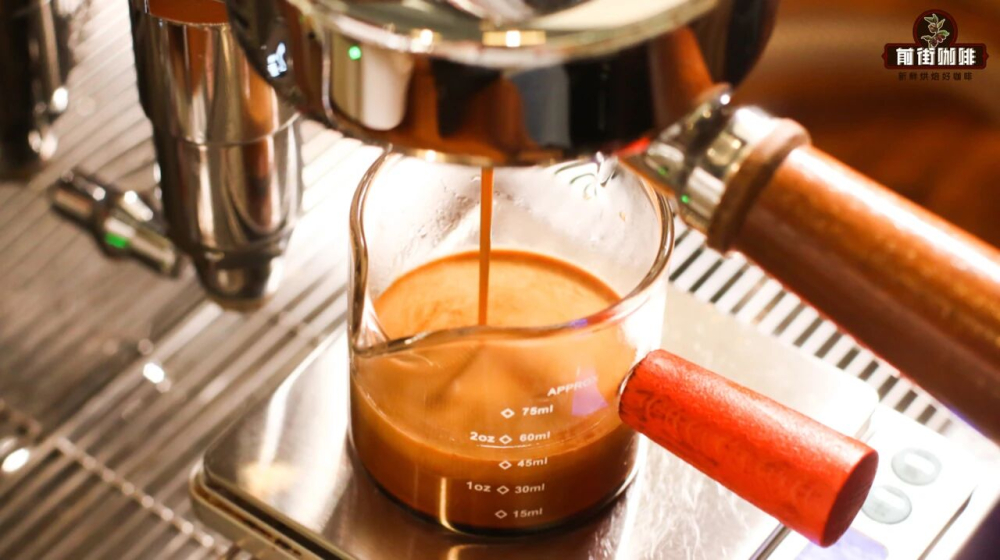
By comparison, an espresso machine provides a higher-pressure extraction environment, generally maintaining a working pressure of 9 to 10 bar, with water temperature controlled at around 94°C. Under such high pressure, very finely ground coffee is quickly penetrated by the hot water, releasing abundant aromatic compounds and oils; the resulting coffee liquid is deep in color, full-bodied in taste and finer in texture than what a moka pot produces. However, these machines are complex in structure; besides mastering proper grinding and tamping technique, you also need to maintain the equipment regularly, which places certain demands on the operator.
To extract full-flavored coffee with a moka pot, it is advisable to add an appropriate amount of warm water to the base before starting; this not only shortens the overall extraction time but also prevents the coffee grounds from being overheated by contact with boiling water and developing burnt, bitter off-flavors. When adding water, note that the water level must not exceed the safety valve on the base; otherwise, if the filter basket becomes blocked and steam cannot escape smoothly, the pressure inside the pot may rise abnormally, posing a safety risk. In addition, when heating over an open flame, it is advisable to concentrate the heat on the center of the pot base to avoid localized overheating.

As for choosing and grinding coffee, the grind size suitable for a moka pot falls between pour-over and espresso machine: finer than regular pour-over coffee but slightly coarser than espresso-machine-specific grounds. If the grind is too coarse, water passes through too quickly and the coffee tastes weak; if ground too fine, it may not only over-extract and produce burnt, bitter flavors but also increase water flow resistance, leading to uneven extraction or even sputtering. In practice, adjust according to the settings of your grinder; generally, a medium-fine setting is suitable.

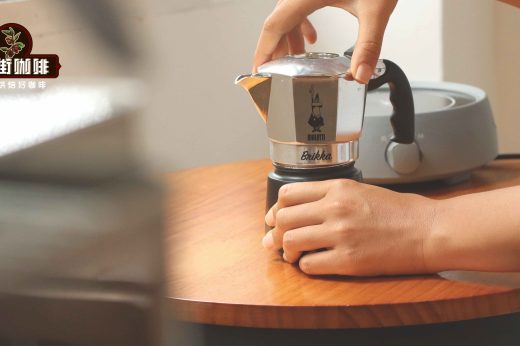
When filling, pour the ground coffee into the filter basket, spread it gently level and scrape off the excess; there is no need to tamp it firmly. Over-tamping makes the coffee bed too dense, impeding water flow and actually reducing extraction efficiency, and may even cause the coffee in the upper chamber to spurt or create channeling. Once filled, screw the upper chamber and base tightly together and place on the stove to heat. If using an open flame, keep the heat at medium or below to avoid localized overheating of the pot base. When you hear a faint hissing inside the pot, pressure is rising; at this point turn to low heat and watch how the coffee flows into the upper chamber.

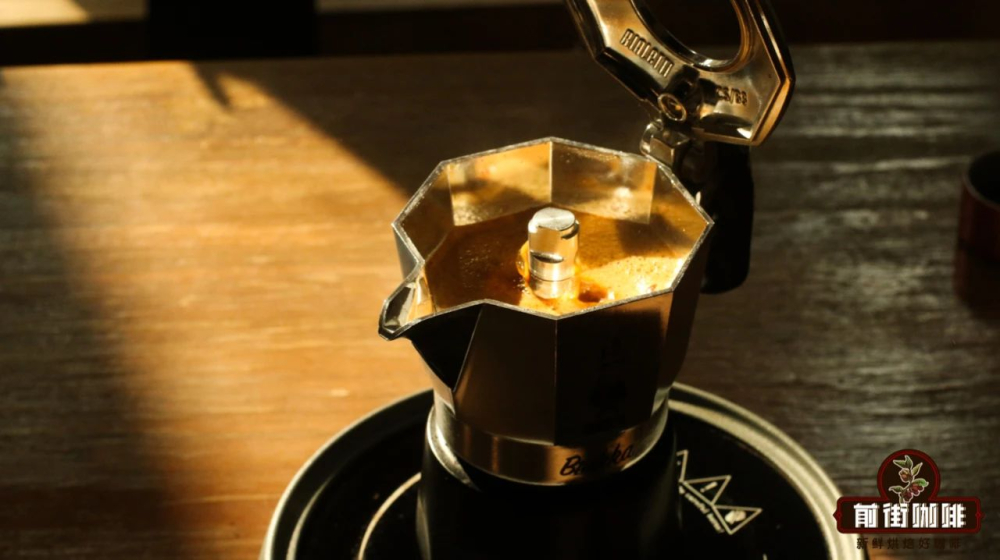
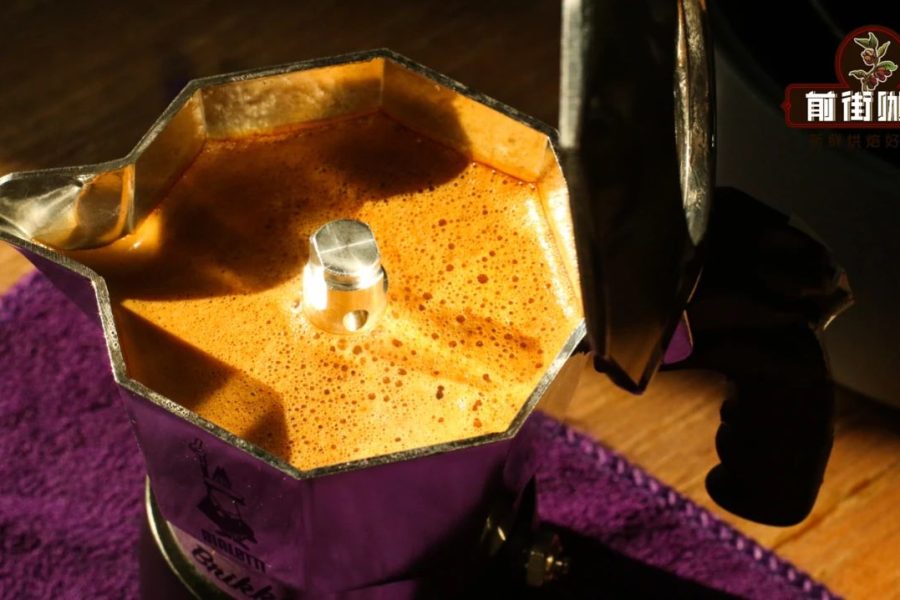
When the coffee in the upper chamber reaches about half its capacity, turn off the heat and let the residual pressure inside the pot complete the remaining extraction. During the process, if you hear a continuous humming sound but the coffee does not flow out for a long time, the outlet may be blocked; stop heating immediately to avoid dangers from dry burning or abnormally high pressure. Under normal conditions, a cup of balanced, aromatic black coffee is now ready, usually with a complex aroma of dark chocolate, caramel and roasted nuts on the palate; according to personal taste, you can add hot water to adjust the strength or enjoy it with milk.

Cleaning and maintenance after using a moka pot are equally important. After each use, it is advisable to disassemble and clean the parts promptly, especially the filter basket, the filter screen and the inner wall of the upper chamber, to prevent residual coffee grounds from spoiling and producing off-flavors or even affecting the smoothness of subsequent extractions. If accumulated coffee oils or impurities block the filter plate or the gasket over time, this will not only affect extraction but may also lead to unnecessary repair costs.