Choosing Beans for Moka Pots and Espresso Machines: Light or Dark Roast for Home?
Introduction: Moka pots and espresso machines have high requirements for coffee bean freshness and roast level, and choosing the wrong beans can easily lead to insufficient crema and unbalanced flavor. This article explains in detail the types of beans suitable for these two devices, from blends to single origins, from light to dark roasts, to help you find the best choice balancing flavor and ease of operation, with practical buying and extraction advice.
For beginners just getting into espresso extraction, whether using a moka pot or an espresso machine, it may take several attempts with different beans to find the pairing that best suits their taste. After all, beyond grind size and extraction parameters, the quality and roast state of the coffee beans themselves are the key to the final flavor.
To quickly make a cup of espresso with rich crema and a balanced mouthfeel at home, choosing the right beans is crucial. Below we break it down in detail across several aspects: device compatibility, roast level, and the differences between blends and single origins.
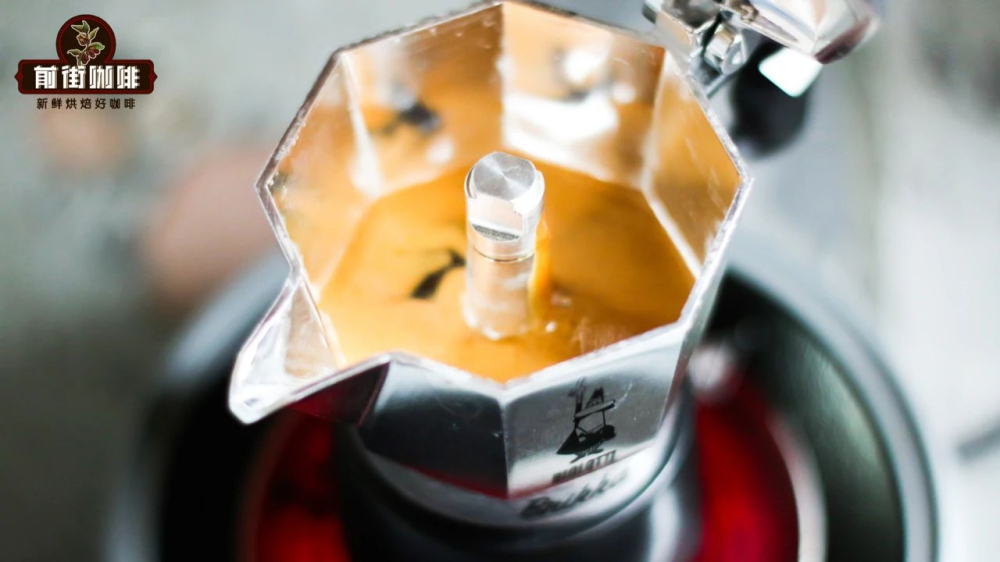
1. Why are freshness and crema so important for espresso?
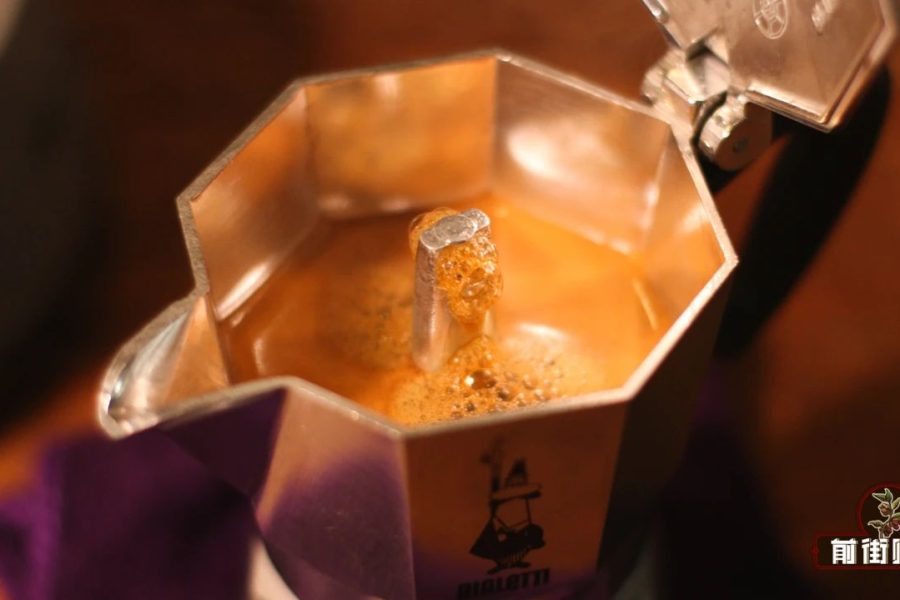
Whether using an espresso machine or a moka pot, the Espresso produced usually carries a layer of golden to reddish-brown crema. This layer of crema is not only a visual pleasure but also one of the important indicators of whether the coffee extraction was successful. The main components of crema are the carbon dioxide produced during roasting, along with a small amount of emulsified oils.
Special note: once coffee beans have finished roasting, the carbon dioxide inside gradually escapes over time. Beans stored too long, even after grinding, find it hard to release full crema, and the flavor declines accordingly. Therefore, try to choose coffee beans with a recent roast date and grind and use them fresh to ensure the best extraction results and crema performance. It is generally recommended to use beans within 1–3 weeks after roasting, when the flavor is most active.

2. Coffee bean types suitable for moka pots and espresso machines: blend or single origin?
Beans used for espresso can be broadly divided into two types: blends and single-origin beans (SOE). Their characteristics determine the roast levels they suit and the flavor direction they ultimately present.
1. Blends: the representative of balance and complexity
Blends are usually made by mixing beans from two or more coffee regions, with the aim of combining the strengths of each bean and compensating for the shortcomings of a single bean in flavor, body, crema performance and other aspects. For example, some beans have bright acidity but lack body, while others are rather bitter but lack aroma; through reasonable blending, a more balanced mouthfeel can be achieved, especially suitable for espresso or moka pots.
For moka pots and espresso machines, medium-dark roasted blends are recommended: this roast level can bring out the coffee's caramel, nut and chocolate flavors while ensuring sufficient crema and body.

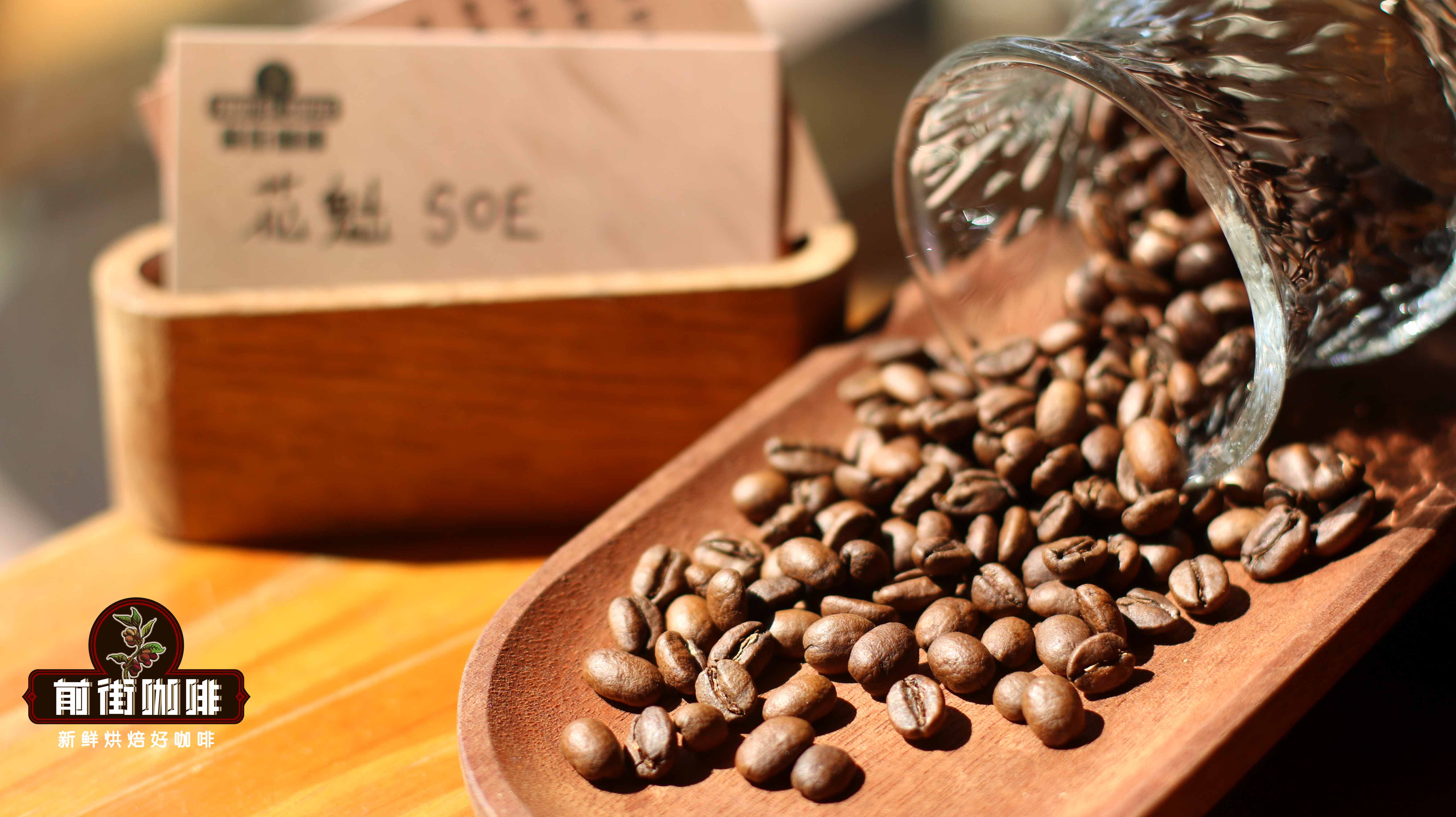
2. Single-origin coffee (SOE): a pure experience highlighting flavor
Single-origin coffee refers to coffee beans from a single region and a single variety. Its advantage lies in clearly showcasing the terroir characteristics unique to that region, such as floral and fruity aromas, citrus notes, honey sweetness and so on. If you don't want to drink overly strong or bitter espresso, you can try making it with SOE; the flavor will be fresher and softer, with balanced acidity and sweetness, suitable for people who like fruity notes.
However, note that when single-origin beans are extracted in a moka pot or espresso machine, more precise control of grind size and tamping force is required; otherwise uneven extraction is likely, leading to sharp acidity or over-extraction.
3. Choosing by roast level: how to pick light, medium or dark roast?
For moka pots and espresso machines, medium-dark to medium roast is a relatively safe choice. This roast level allows the coffee beans to release abundant caramelized substances, with good crema performance, a full-bodied mouthfeel, and it is not prone to sharp acidity or excessive bitterness.
• Light roast: prominent acidity, fresh flavor, but less crema; suitable for pour-over or siphon, not really suitable for high-pressure espresso extraction.
• Medium roast: balanced acidity and bitterness, with caramel, nut and grain aromas; suitable for most home espresso equipment.
• Medium-dark/dark roast: stronger bitterness and body, rich crema, but easily masks the coffee's own regional flavor; suitable for users who like intense flavors.

4. Practical recommendations and flavor reference
Below are some common choice directions for different usage scenarios and taste preferences, for your reference:
• For those who like balance, body and rich crema: choose medium-dark roasted blends with chocolate, nut and caramel flavors, suitable for daily drinking and latte art practice.
• For those who like fruity and fresh notes: try medium-roasted single-origin beans, such as honey-processed or natural-processed beans, which often carry citrus, berry and honey flavors.
• For those who value cost-effectiveness and consistent performance: medium-roasted blends are usually the best solution for home users, offering complexity while being easy to control extraction parameters.
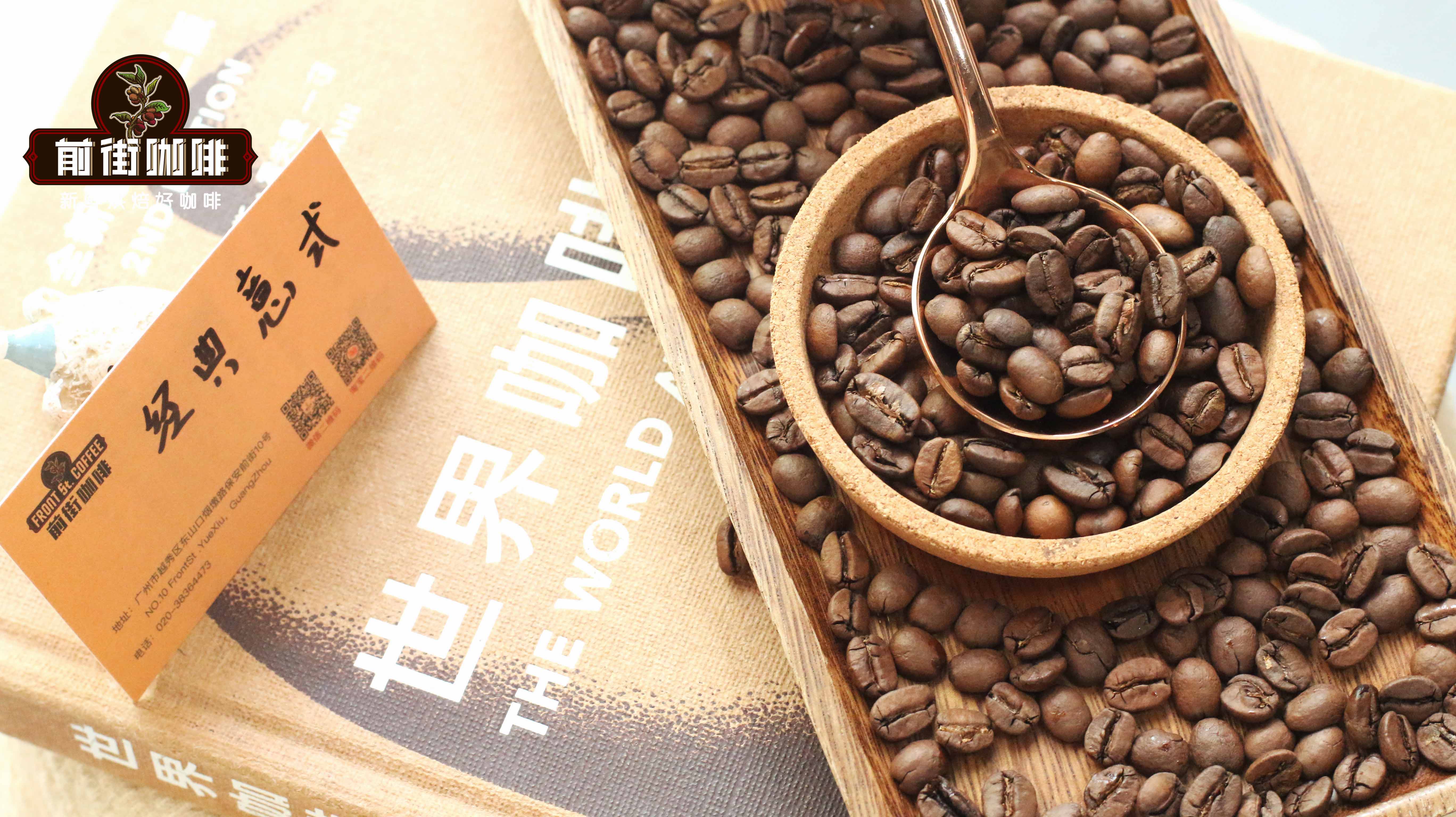
Finally, a reminder: no matter which beans you choose, pay attention to storage. Coffee beans should be stored in a dark, sealed, dry environment, avoiding high temperatures and humidity. If possible, put them in a sealed canister with a one-way exhaust valve to further extend freshness.