Ethiopian Gesha Coffee: From Origin to Brewing Parameters
Introduction: Ethiopia is the birthplace of coffee and the genetic birthplace of the Gesha variety. This article takes you deep into Bench Maji, the core production area of Ethiopian Gesha, explores the story behind Gesha Village, explains the characteristics of varieties such as Gesha 1931 and Gori Gesha, compares the five-tier grading system, and offers professional pour-over parameter recommendations to help you fully grasp the flavor code of this top-tier coffee.
Ethiopia: A Treasure Trove of Coffee Genetics
Located in northeastern Africa, Ethiopia has highlands covering two-thirds of its land area, with an average elevation of nearly 3,000 meters, and the East African Rift Valley running through the entire country. Its unique volcanic soil, average annual climate of 16°C and 1,237 mm of rainfall form the world's finest Arabica coffee-growing belt. With more than 50 active volcanoes and abundant water resources, the country is known as the "East African Water Tower" and nurtures thousands of native coffee varieties, including Gesha.

The Three Major Production Regions
Ethiopian coffee regions are geographically divided into eastern, southern and western parts: the east is dominated by the Harar region, with coffee mostly sold to the Middle East; the south concentrates well-known regions such as Yirgacheffe and Sidamo; and the western Bench Maji zone, with its high forest coverage and pristine growing environment, has become a research hotspot for Gesha varieties in recent years. This area borders Kaffa, the birthplace of coffee, and the mountain forests at 1,800–2,200 meters preserve a large number of wild coffee genes.

Bench Maji: The Cradle of Wild Gesha
This district in the southwestern state bordering South Sudan takes its administrative name from the local Bench people. Annual rainfall is abundant but unevenly distributed, and local farmers use "semi-forest cultivation"—intercropping coffee trees with crops such as teff under tall native trees, which maintains ecological balance and requires no chemical fertilizers. The Bench Maji Coffee Farmers' Cooperative Union consists of 65 cooperatives, serving 130,000 smallholder farmers, and its natural processing method, known for 30–40 days of natural drying, creates a unique fruity foundation.

The Discovery Legend of Gesha Village
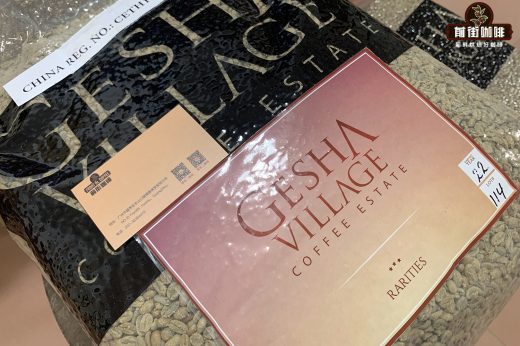
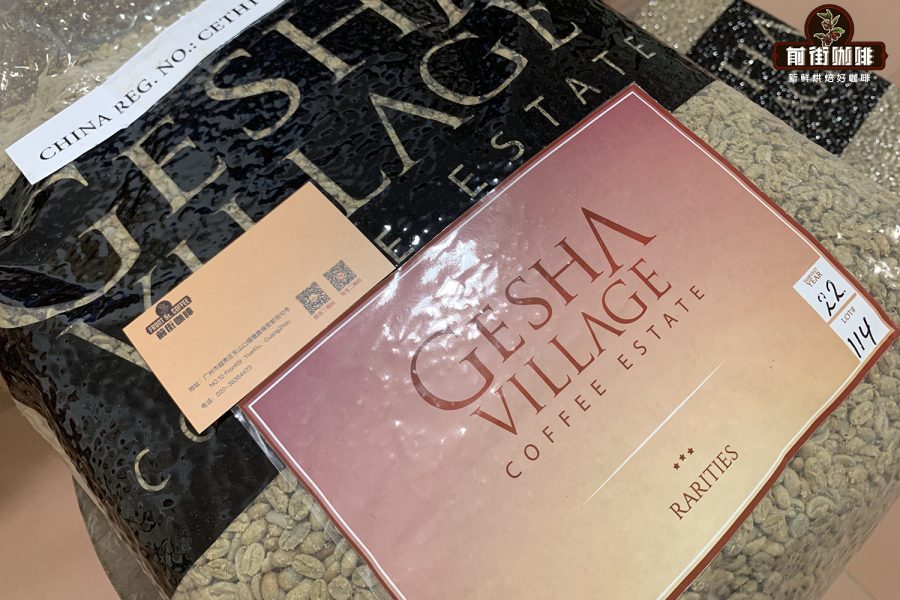
In 2007, while filming a documentary on Ethiopian coffee, documentary director Adam Overton discovered wild Gesha plants in the Gori Gesha Forest in Bench Maji. In 2009, through joint verification with the owner of Panama's Hacienda La Mula, it was confirmed that the gene population closest to original Gesha exists here. The 471-hectare estate established in 2011 is strictly divided into 8 independent blocks, each planted with only a single variety and operated under an independent harvesting-processing-tracking system.

Core Variety Map
The estate currently grows three signature varieties:
• Gesha 1931: First discovered in an Ethiopian forest in 1931 and confirmed by genetic comparison as the mother plant of Panama Gesha, with cupping showing distinct berry notes
• Gori Gesha: A native variety discovered in 2011 in a forest 12 miles from the estate
• Illubabor 1974: A disease-resistant variety bred by the Ethiopian research center from a 1974 Illubabor forest expedition
Every block's coffee cherries are labeled with the exact harvest date and processing batch to ensure traceability accuracy.

Five-Tier Grading System
Unlike traditional Ethiopian grading standards, the estate uses the grading common to auction markets:
• Auction lots (3.7% of annual output): available only through global auctions, including Champion Selection and Estate Selection
• Gold label lots (10%): cupping score 89+, such as the Oma block natural Gesha 1931, which requires 32 days of slow drying
• Red label lots (15%): baseline of 88+ cupping score
• Green label lots: traceable to single-block information
• Chaka lots: blends of the entire estate's production
Among these, gold-label natural processing requires turning the coffee cherries every day for 32 consecutive days, developing honey sweetness and tea-like notes.

Professional Brewing Parameter Recommendations
For Gesha Village gold-label natural beans (elevation 1,931–2,040 meters, Gesha 1931 variety):
• Equipment: V60 dripper (01/02)
• Parameters: 15 g dose / water temperature 91–92°C / 1:15 coffee-to-water ratio
• Grind: fine sugar size (80% passing a No. 20 sieve)
Three-stage extraction process:
1. Bloom stage: pour 30 g water (9:00–9:30), covering the entire bed
2. Development stage: pour 120 g water (9:30–10:25), with a vertical downward stream
3. Finish stage: pour 90 g with a small stream (10:25–12:30), total time 2'10" ±10 seconds
Be careful to avoid over-agitation, which causes bitterness; freshly roasted coffee beans are recommended (7–21 days after roasting).

Key Flavor Tasting Points
A high-quality Ethiopian Gesha should present:
• Dry aroma: jasmine / citrus fruits
• Wet aroma: blueberry / melon fermented notes
• Mouthfeel: tea-like body with bright acidity
• Finish: chamomile freshness and honey sweetness
For storage, keep it away from light and sealed; after opening, it is recommended to finish within 14 days to maintain flavor vitality.